Cassandra Peterson on Elvira’s Beauty, Humor and Lasting Feminist Influence
Cassandra Peterson traces Elvira’s theatrical look, her appeal across generations and the humor and self-possession behind the character.
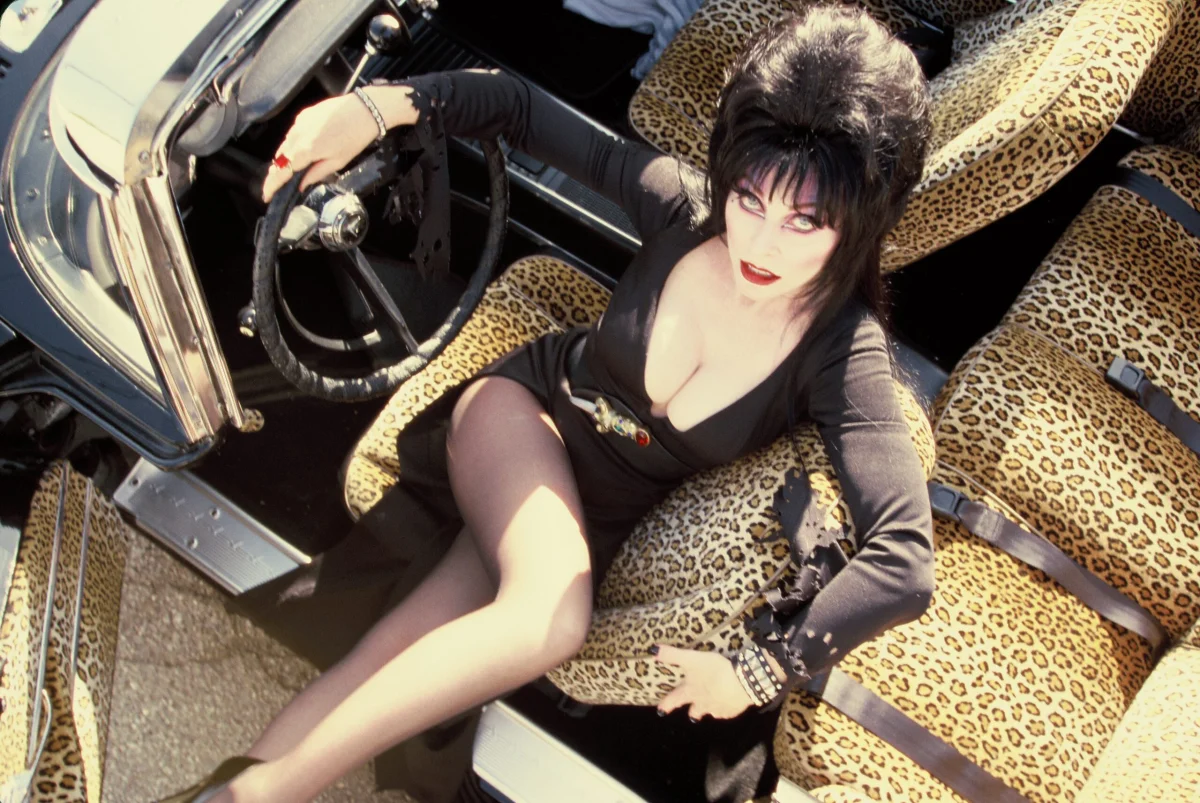
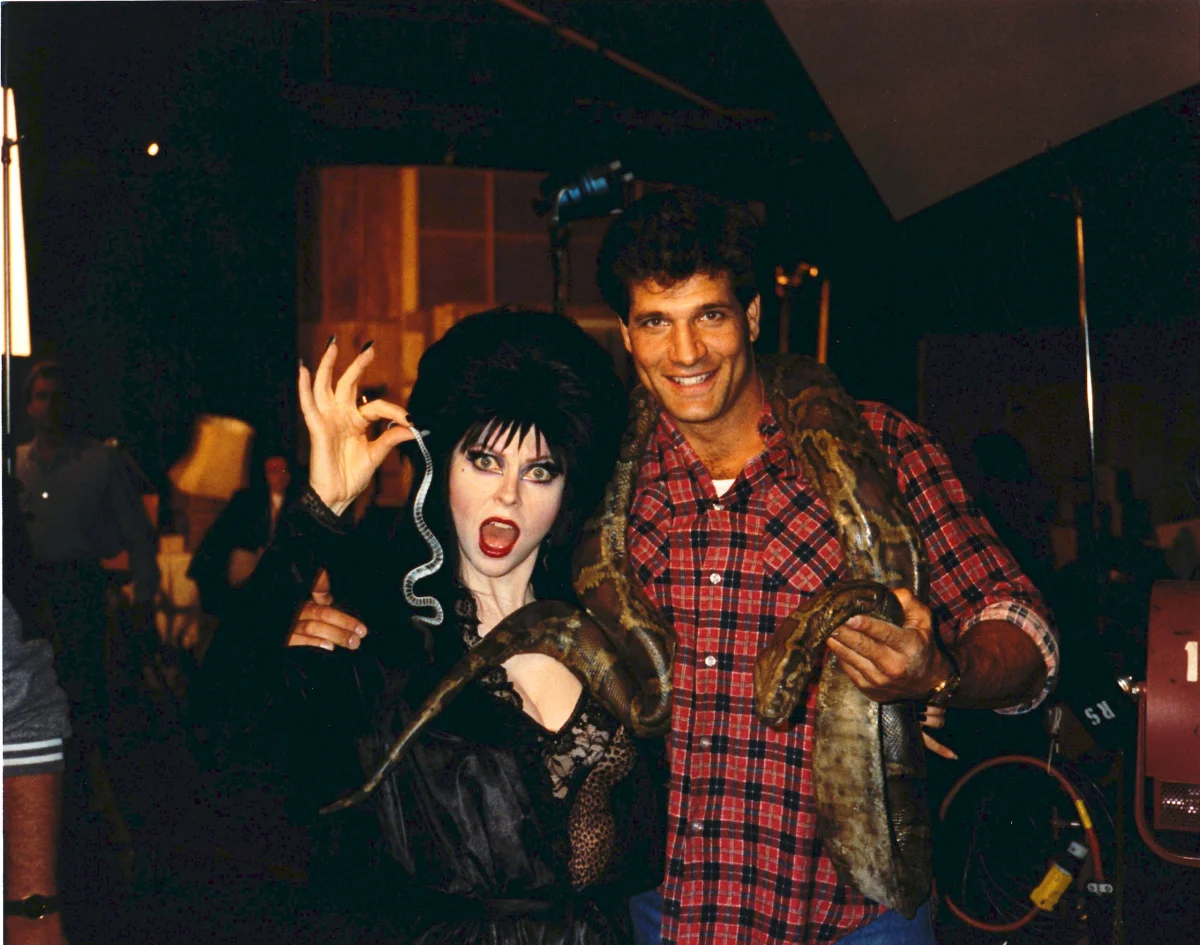
Elvira’s staying power comes from a mix that once seemed impossible: theatrical sex appeal, sharp comedy and a refusal to shrink herself. Cassandra Peterson built the character for a local Los Angeles television job in 1981. More than four decades later, she sees Elvira’s effect on generations of fans as part of a larger point: women don’t have to choose between being sexy, funny and smart.
A character built for the camera
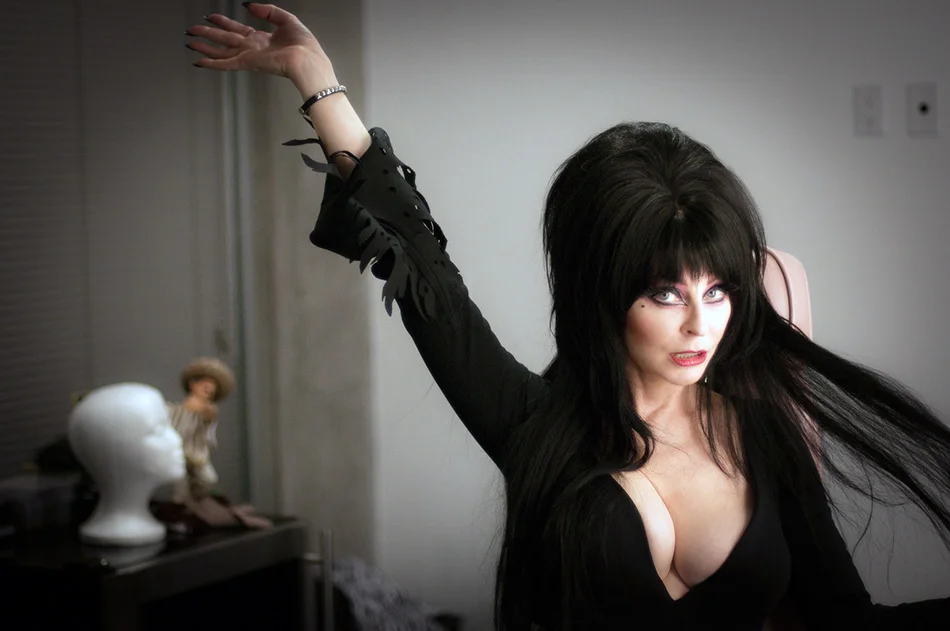
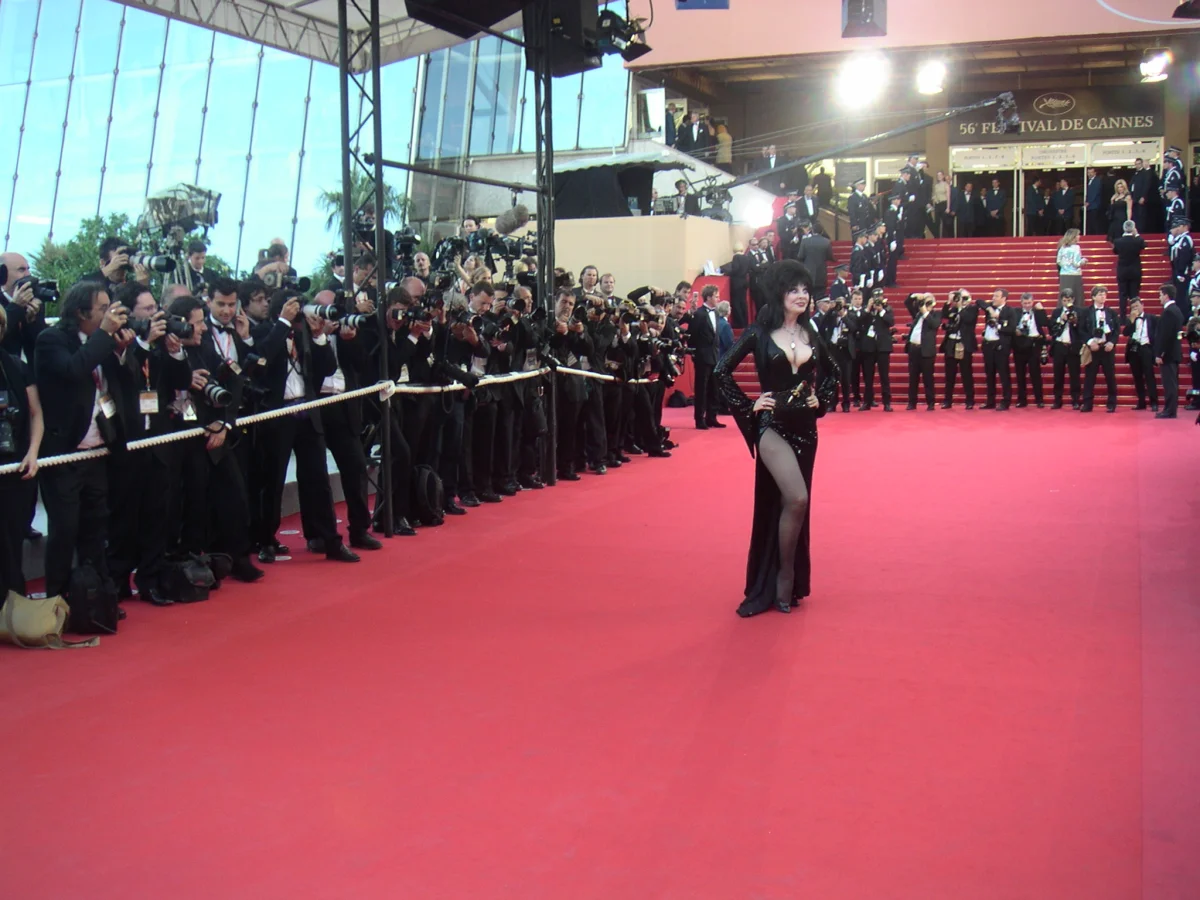
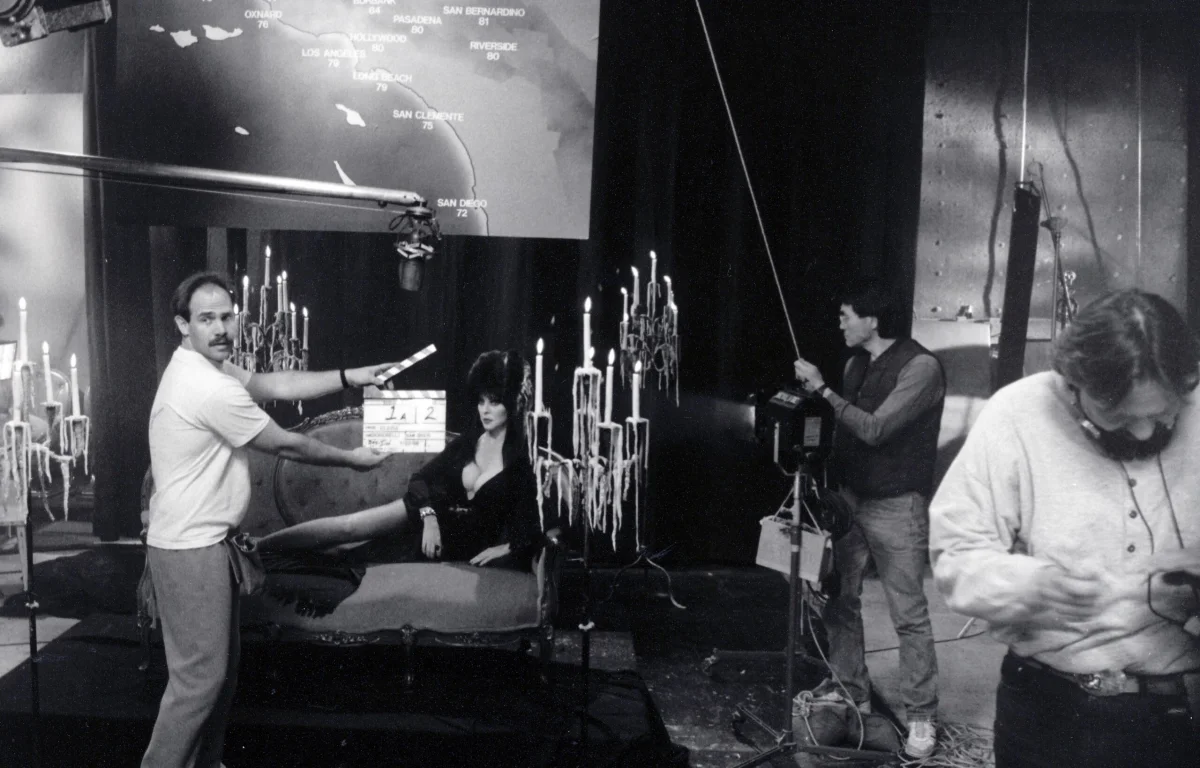
Peterson was performing comedy improv with The Groundlings in Los Angeles and searching constantly for acting work when she landed a role as a local horror host on KJH. She and an artist friend worked out Elvira’s look for the job, with no way to know whether it would last weeks or years. The plunging neckline stood out on television in 1981; Peterson recalls that the same look would barely raise an eyebrow now.
The visual provocation helped draw attention, but the comedy gave viewers a reason to stay. Peterson describes Elvira’s humor as young men’s vaudeville, a style that brought in younger viewers as well. She didn’t expect the character to become a decades-long part of her life. That longevity has turned the original television persona into a cultural touchstone, with fans passing their affection for Elvira down through their families.
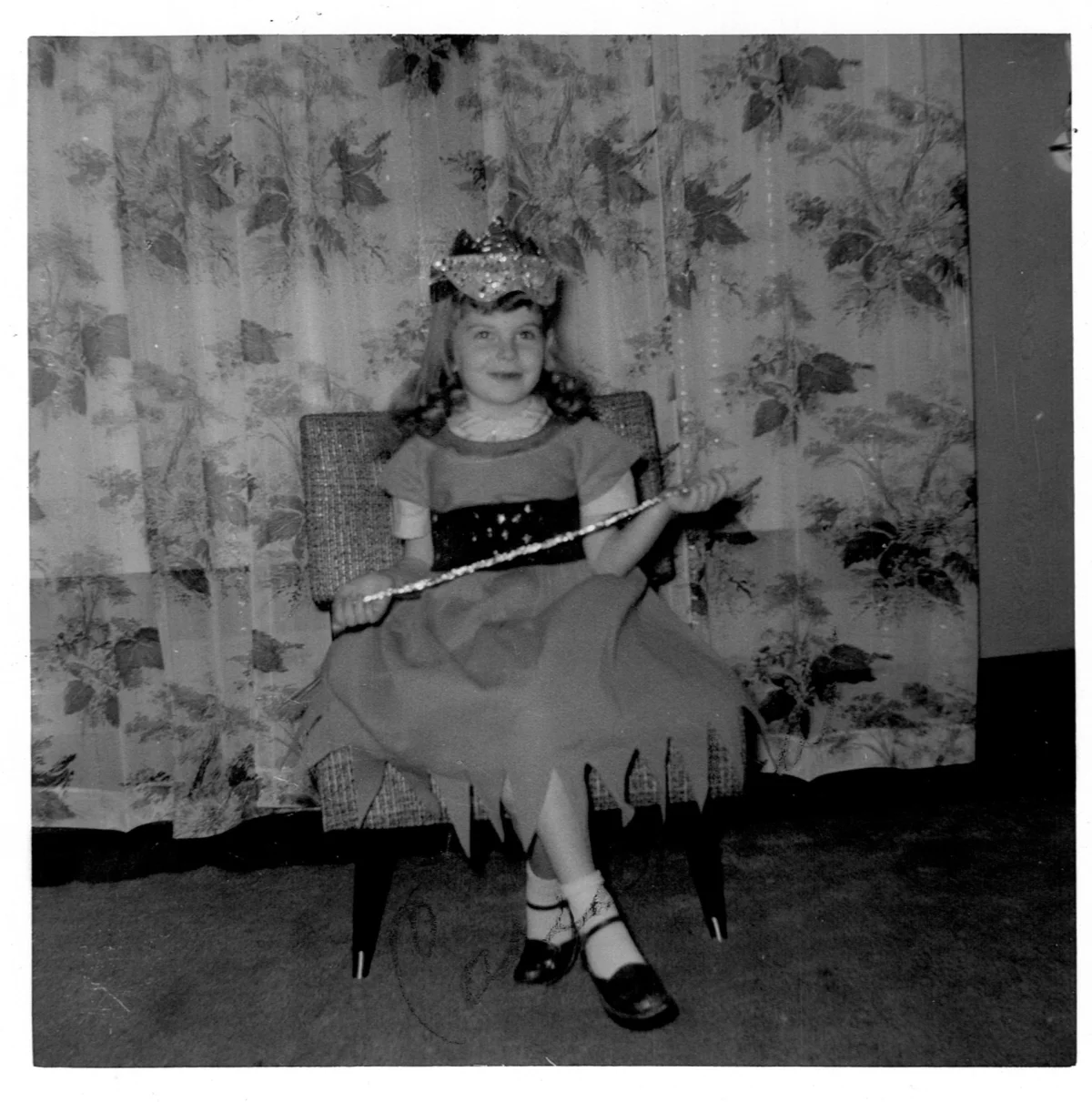
That transformation also sits in contrast with Peterson’s childhood. She remembers having frizzy, permed red hair and glasses, and feeling like an outsider. A serious accident before she was two left scars on her shoulders, neck and back; other children teased her appearance. The idea that she might one day be called a beauty icon would have seemed absurd to her younger self.
Her early experience of not fitting in helped shape her identification with outsiders. Peterson was a girl who loved horror films and painted model kits of Frankenstein and Dracula, interests that set her apart among her peers. She also credits some of her toughness to her father, who grew up on a farm and was, in her telling, protective and unwilling to tolerate cruelty. She doesn’t present his hard-edged approach as a model for solving problems, but says she may have inherited his resolve.
Vegas, performance and the origin of the look
Before Elvira, Peterson worked as a showgirl in Las Vegas. When asked about the most scandalous things she witnessed there, she recalled two incidents shaped by racism. A showgirl was fired after dating basketball player Wilt Chamberlain, though she later got her job back with a warning not to repeat it. Peterson also remembers visiting Sammy Davis Jr. backstage and realizing he had to use a back entrance because he wasn’t allowed in the casino. She places both memories in the 1960s, despite Davis’s close association with Las Vegas entertainment.
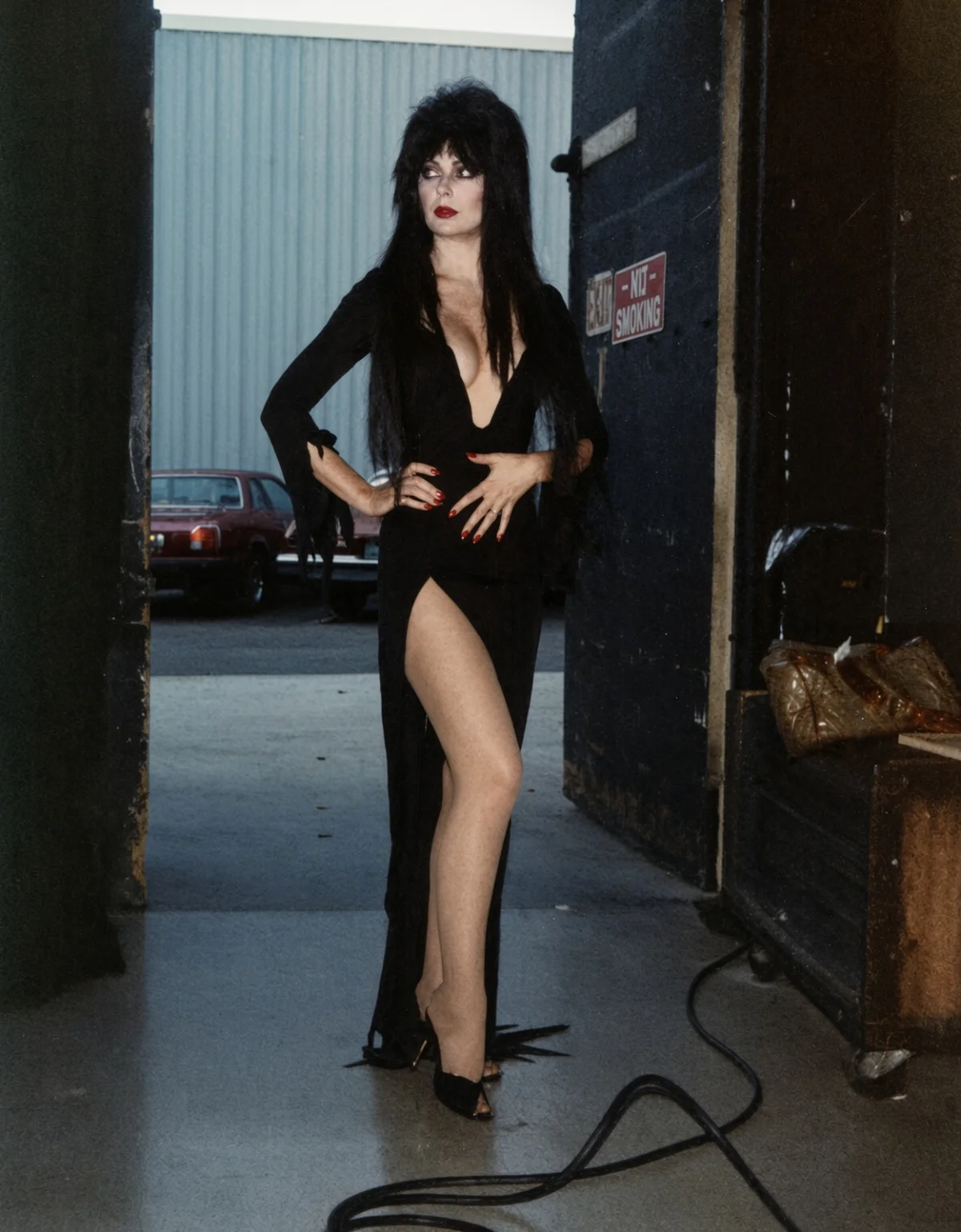
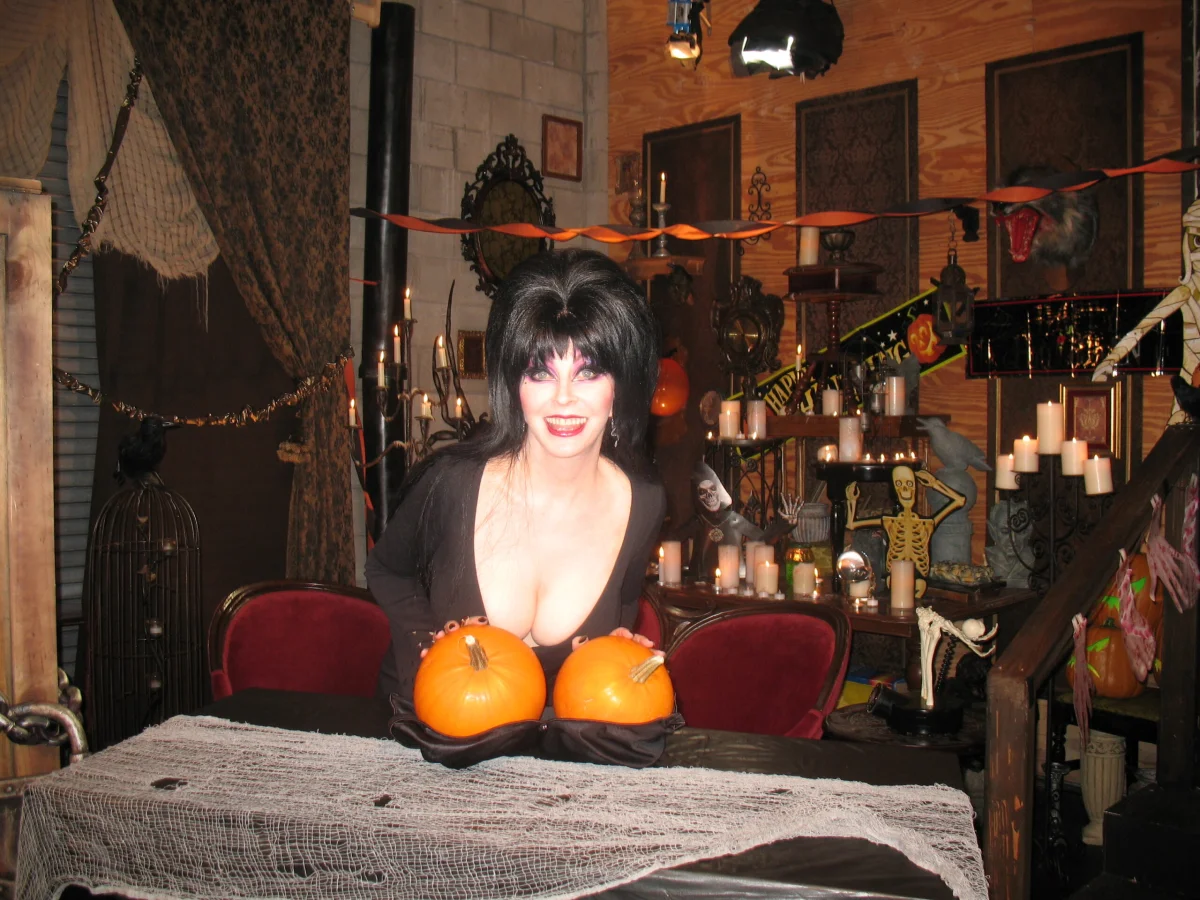
Elvira’s first costume and signature styling came together through collaboration. Peterson’s friend Robert Redding, who had played Hekate, one of the witches in Macbeth, sewed the first dress from polyester and fitted it on Peterson. He also chose and cut the wig, then devised the makeup, drawing on a book about kabuki theatre. The hair had another reference point: Ronnie Spector of The Ronettes, Redding’s favorite singer.
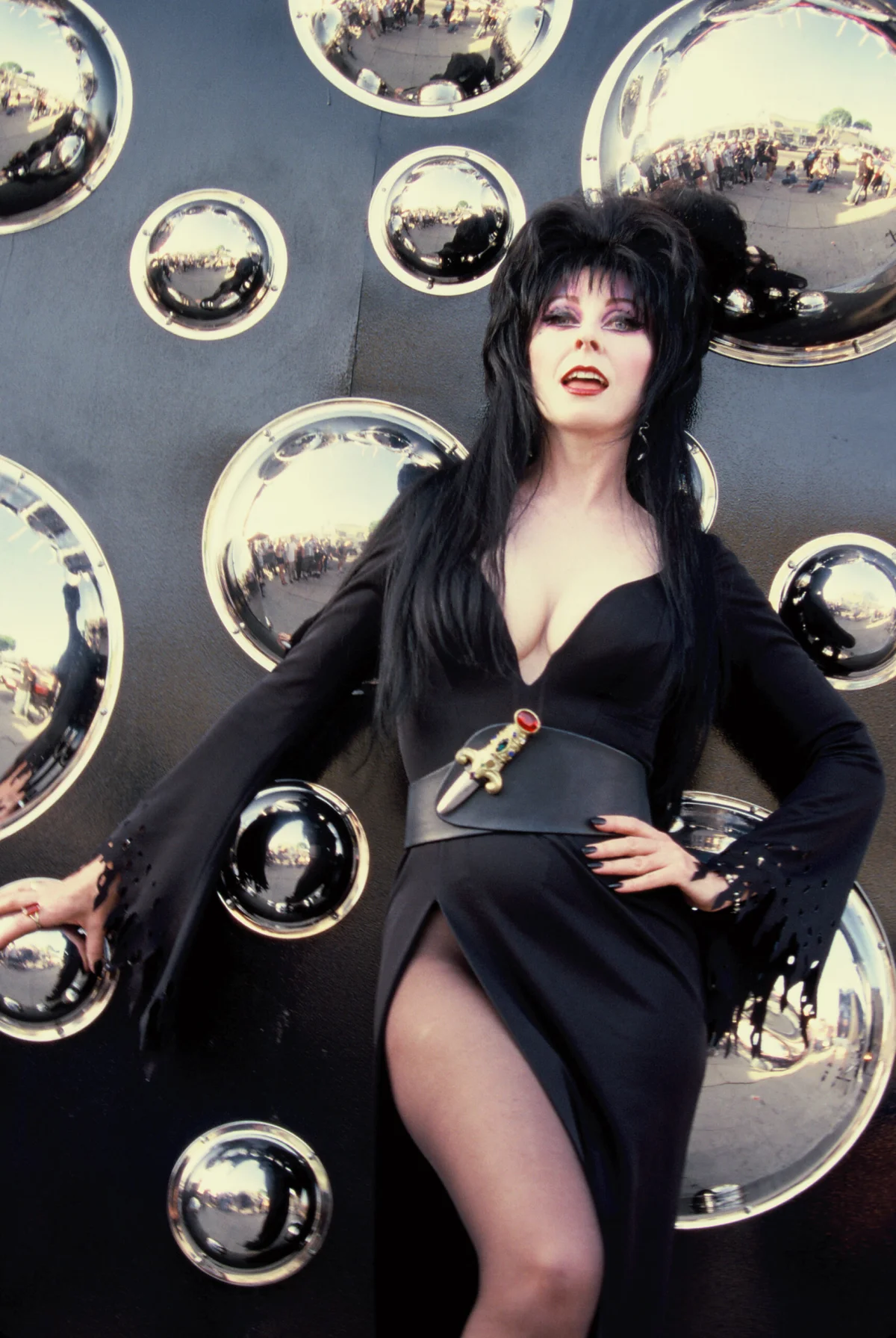
Those choices made Elvira’s appearance feel deliberately constructed rather than polished into conventional glamour. The black hair, pale face and dramatic eye makeup turned the character into a graphic silhouette, while the revealing dress made her impossible to overlook. The look’s theatricality was practical, too: Peterson needed products that could hold up under stage lights and heavy perspiration.
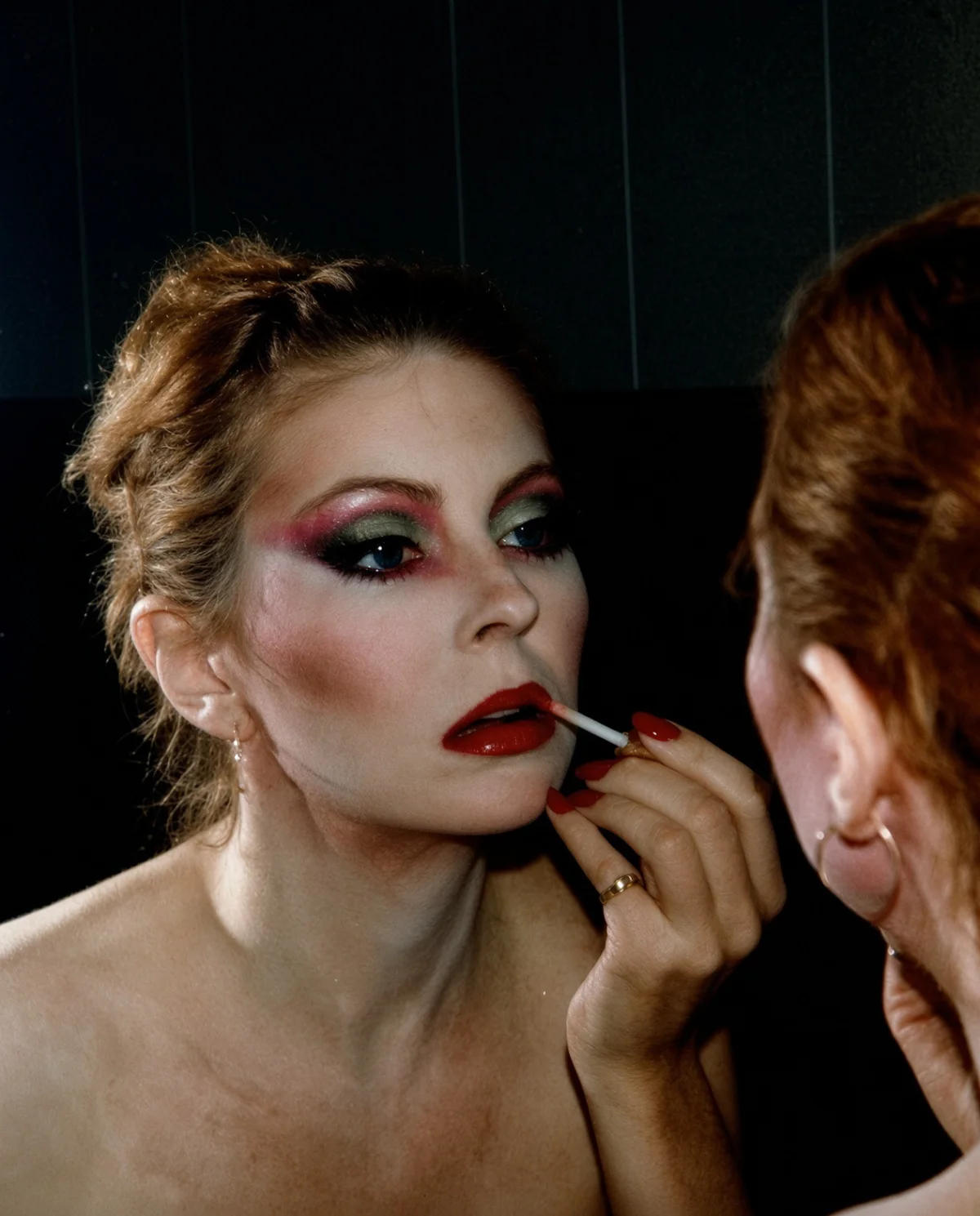
She no longer wears Elvira makeup and says she stopped more than five years ago. The theatrical products she once relied on are stored away, and maintaining them was a recurring challenge. With two wigs stacked on her head, sweat made eyeliner and white base makeup difficult to keep even. Cosmetics also kept disappearing from shelves: whenever she needed to replace a lipstick or nail polish, the product she had used was often discontinued, sending her back to search for a substitute.
Why Elvira’s glamour still reads as defiance
Peterson’s own account of Elvira’s influence centers on the freedom to combine qualities that popular culture often treated as incompatible. In the 1980s, she says, a sexy woman was expected to be an object rather than an intelligent or funny person. Elvira’s low-cut dresses didn’t prevent her from being witty, self-directed and unwilling to accept the limits placed on women.
Peterson connects that approach to Dolly Parton, whose unabashed presentation of her body also became part of her public identity. She describes Parton and Elvira as two sides of the same coin, a comparison fans sometimes express with a yin-yang symbol. For Peterson, the point isn’t that revealing clothes automatically mean empowerment. It’s that a woman can choose a highly stylized, overtly feminine image without letting other people decide what that image says about her intelligence or agency.
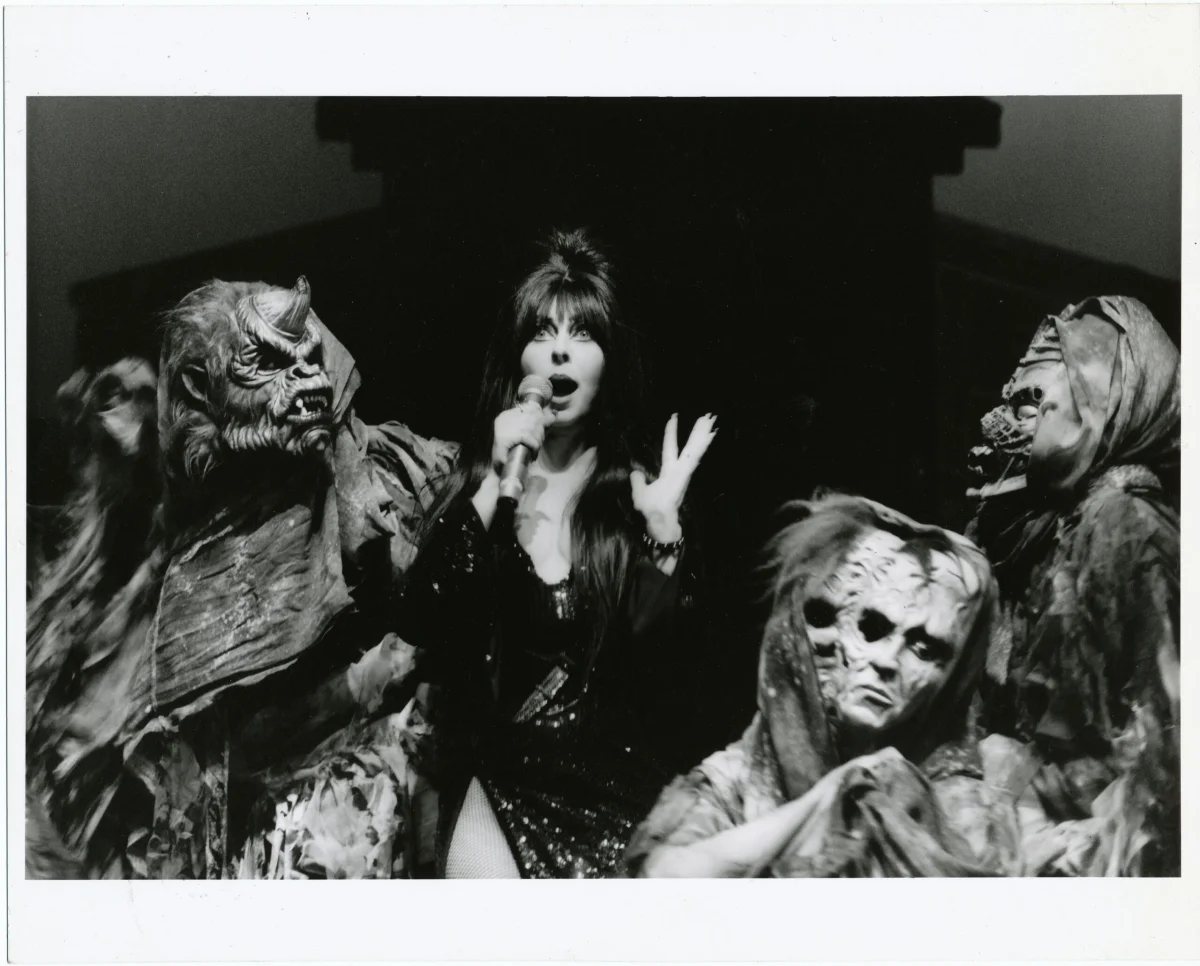
That idea is still central to how Peterson talks about the character. Elvira is visibly sexy, but she doesn’t apologize for it or accept the expectation that sex appeal must come at the expense of humor and intelligence. Peterson hopes that combination made a lasting impression on women who saw the character. It also gives the costume its particular force: the neckline and makeup are part of the performance, while the jokes and attitude keep Elvira in control of it.
Her parents supported the character, too. Peterson’s father wore a trucker hat announcing, “I’m Elvira’s father,” which she found embarrassing. He and her mother travelled to see her perform and were proud of her work. When people wondered what they thought of her revealing costume, Peterson joked that, after her years as a showgirl, they were happy she was wearing clothes at all.
Friendship, fans and the pleasure of making people laugh
Peterson’s friendship with Paul Reubens began sometime around 1974 or 1976 and lasted until his death. One of their favorite stories involved a late-night trip through New York in costume. They had been dressed as Elvira and Pee-wee for a presentation, but after their group’s limousine broke down, the other passengers were dropped off and the replacement car never arrived. Peterson and Reubens walked through the city looking for a cab; none stopped. She took off her heels and made the trek in pantyhose, reaching the hotel around 3 a.m.
Another night, Reubens and Peterson went to a club as themselves. Dwayne Johnson recognized Reubens and told him what a fan he was. When Reubens asked whether Johnson knew his date, Johnson didn’t; once he realized it was Peterson, he dropped to his knees and made an elaborate gesture of respect. Peterson remembers the encounter as strange and funny, a moment when both performers were recognized outside the characters most associated with them.
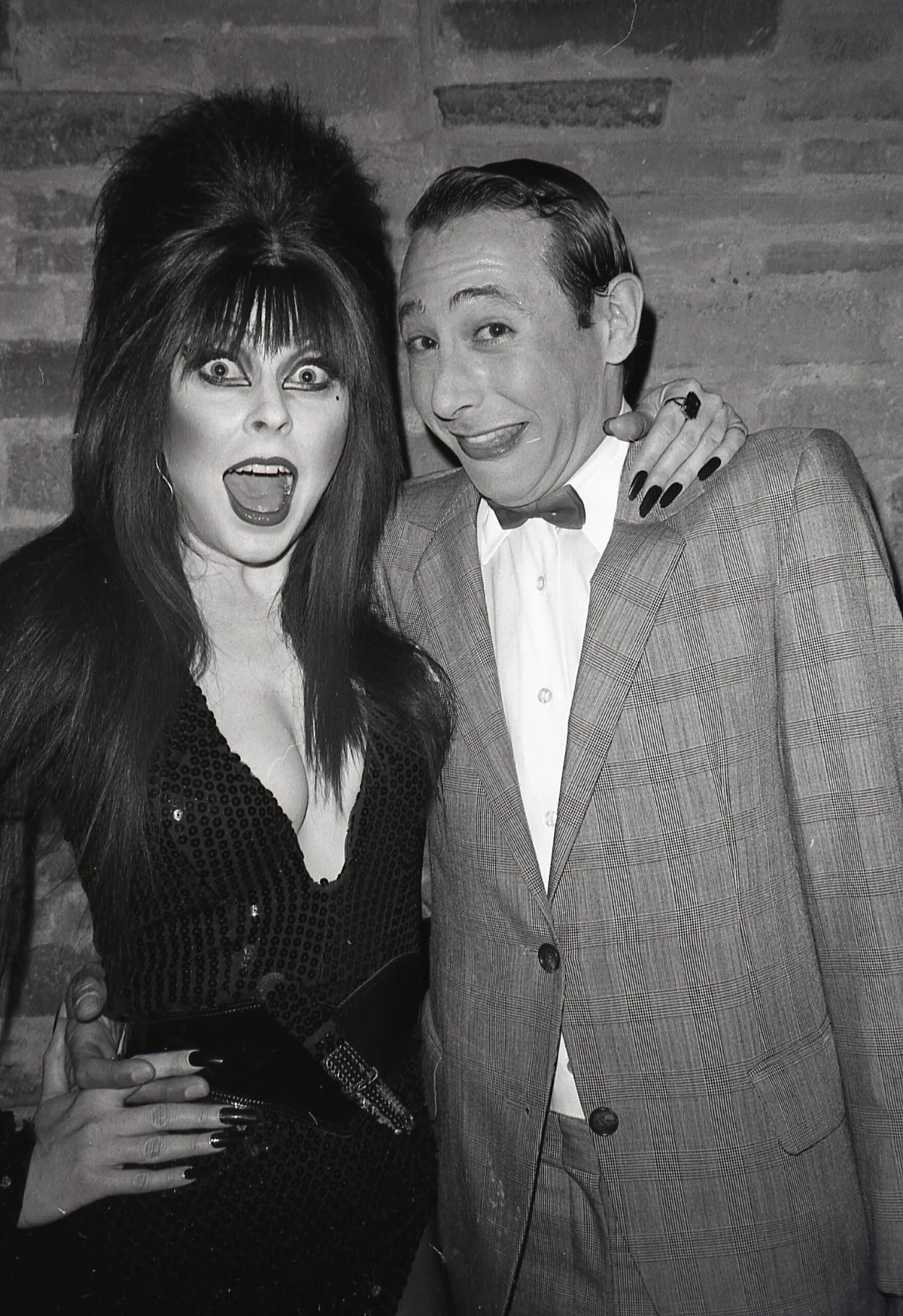
At conventions, Peterson sees the character’s audience spanning several generations. People who grew up watching Elvira now bring their own children, and some bring grandchildren and great-grandchildren. That reach seems to surprise her, but it fits the character’s blend of visual drama and approachable humor.
Making people laugh remains a practical expression of the warmth fans associate with her. Peterson says that even a brief smile can matter. She thinks of her small dog, who has a pink mohawk and resembles Gonk from her film: people smile when they see him on a walk. It’s a small encounter, but she believes those moments of shared happiness can affect how people feel.
From Elvira to a witch named Cassandra
Peterson found another natural fit in Pumpkinhead 2, where she played Cassandra, a witch. She liked the chance to portray a woman with powers who uses spells to help people. The role’s appeal also came from its framing of witches as strong women who are persecuted for that strength, a theme she felt connected with Elvira’s outsider status.

Although Peterson says her work still revolves around Elvira, she no longer performs the character. Playing Cassandra gave her a way to return to a related kind of theatrical persona without stepping back into the familiar role. Asked whether she has practiced spells herself, she recalled doing one intended to bring about a change in leadership. She said she was still waiting to see whether it would come to pass.
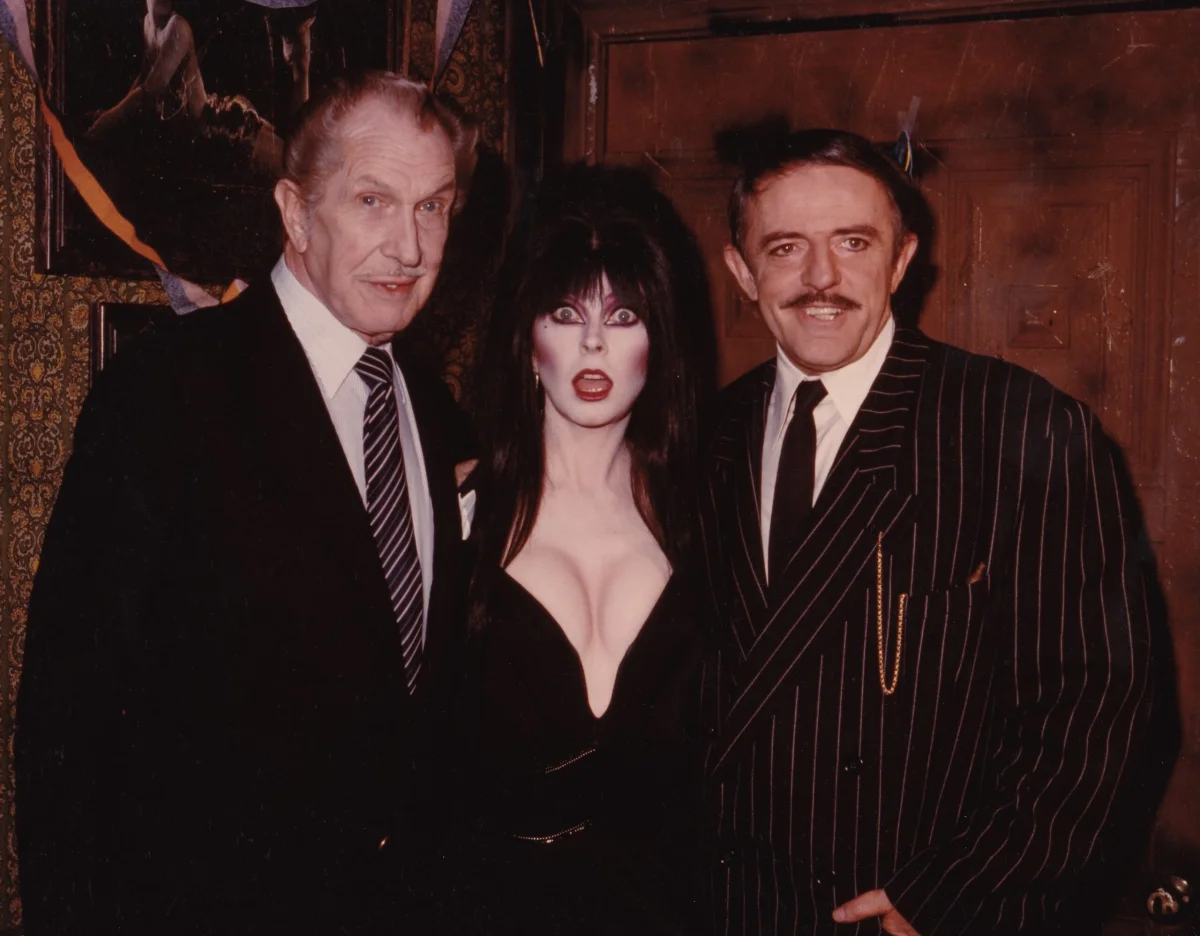
Peterson’s advice for living well is direct: stay with the work you truly love, and keep at it. If what you’re doing isn’t fun, she says, leave it and choose something else. The principle reflects the path behind Elvira herself: a character born from a job Peterson couldn’t have predicted would last, made memorable by persistence, visual nerve and the freedom to be more than one thing at once.