Fertility Support in Elite Sport: The Gaps Athletes Say Need Closing
New research points to gaps in fertility education and support for athletes, from confidential advice to practical help with parenthood and returning to competition.
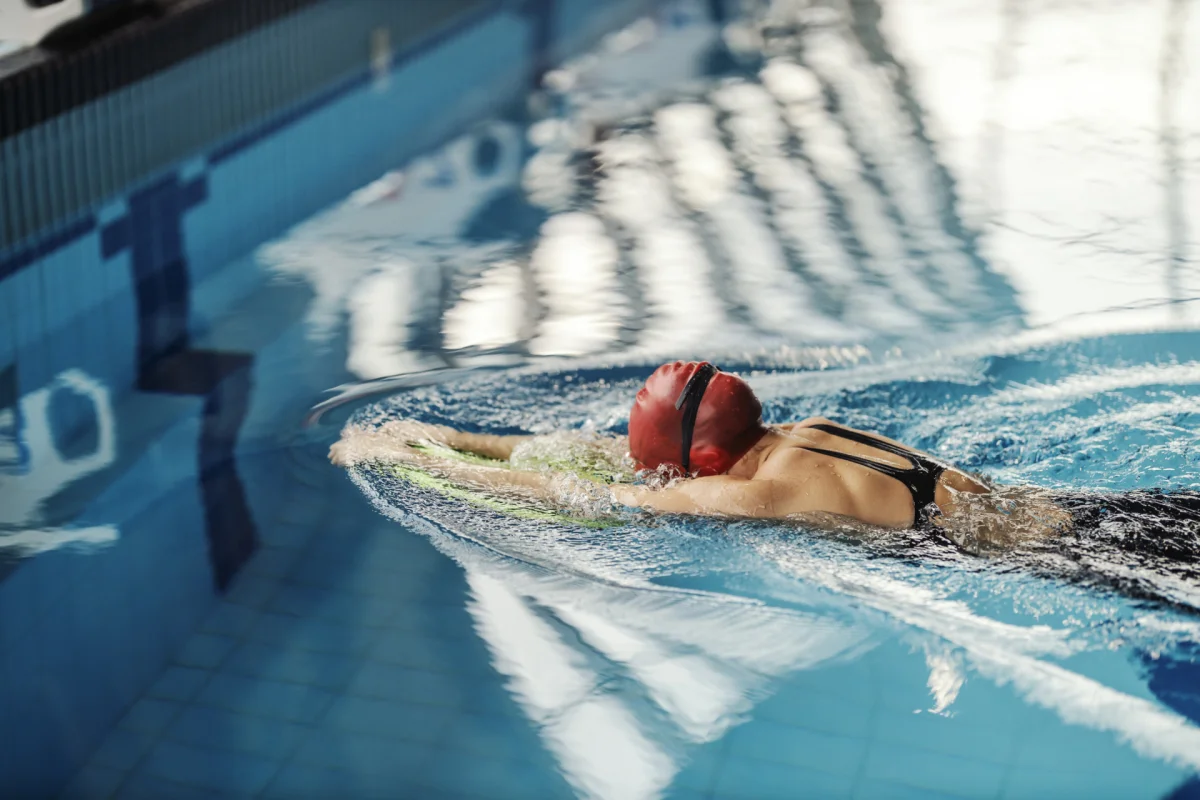
Elite sport has made more room for athletes who are mothers, but the years before parenthood remain harder to navigate. Research commissioned by the Fertility Futures Project points to gaps in fertility knowledge and support that can leave athletes weighing family plans against careers with little clarity about the consequences.
At Paris 2024, Team GB had more mothers competing at an Olympic Games than ever before, and seven of the nine won medals. The Olympic Village also provided a space for breastfeeding and a crèche, allowing athletes to travel with their children. Those steps offer visible examples of how competition can accommodate parenthood. The report suggests the support conversation needs to start earlier, when athletes are considering whether and when to have a family.
Two timelines to manage
For many sportswomen, the years of peak performance overlap with years when fertility may be a pressing consideration. Training and competition run in cycles, and athletes may be expected to focus on immediate results while making personal decisions whose timing can feel consequential. The report describes an environment where future sporting opportunities are uncertain, even as decisions about family life may feel time-sensitive.
British para-archer Jodie Grinham captures the tension in the report: “Both have deadlines. My body has a clock, and sport has a clock.” The pressure isn't simply a matter of fitting pregnancy around a competition calendar. Athletes may also be trying to understand what taking time away could mean for their progression and return.
Conversations often come too late
The report says athletes can have little access to fertility information and may not feel able to discuss family plans openly. While support for returning to elite sport after having a child has gained attention, less focus has gone to the years leading up to that decision. A former GB swimmer put the difficulty plainly: “I didn’t feel able to express that I wanted to start a family.”
That silence matters for health as well as planning. The report describes athletes with severely painful, irregular or absent periods, delayed diagnosis of endometriosis, and fertility difficulties discovered only after retirement. It also raises concern that relative energy deficiency in sport, known as REDs, may go unrecognised. Earlier, informed conversations could help athletes raise concerns and seek appropriate advice while they are still competing.
The report doesn't suggest one conversation or resource will suit every athlete. Sports differ, and personal circumstances do too. But making space to ask questions early, with access to confidential and impartial guidance, would give athletes more room to make informed choices without feeling that speaking up could define their commitment.
Uncertainty around selection and funding
Some athletes fear that telling a coach or organisation they hope to start a family could affect selection or funding, or prompt doubts about their career ambitions. The report says some women concealed plans or delayed sharing a pregnancy. These fears don't necessarily come from knowing a penalty will follow; the lack of clarity about what might happen is part of the problem.
Support also varies across sports. Clear expectations about pregnancy, parental leave and a return to training and competition could help reduce uncertainty. The report calls for protections for funding, rankings and selection eligibility, alongside practical arrangements for childcare, travel and partner support. Those details can shape whether a return is workable, as much as the athlete's training plan does.
Fertility literacy reaches beyond women’s sport
The research also points to a broader confidence gap. Among 5,300 UK adults surveyed, 44% said they felt comfortable discussing fertility. Three in four could not correctly identify the monthly chance of conception or accurately estimate IVF success rates. The findings make a case for clearer information in sport and beyond it.
Fertility education needs to include men, too. The report says male factors contribute to an estimated 40–50% of fertility difficulties, while male fertility remains poorly understood. Making information and support available across genders would give athletes a fuller picture when making decisions about family planning.
Parenthood can shift an athlete’s perspective
There are more visible maternal role models in sport, and the report says those examples can encourage athletes who are thinking about fertility and parenthood. Several athletes described becoming parents as improving their perspective or focus. They said time became more deliberate and sporting setbacks felt less consuming. These accounts complicate the assumption that having a child necessarily undermines performance.
For sports organisations, the practical test is whether athletes can access advice early, raise health concerns without fear, and understand what support is available if they become parents. The report's findings suggest that clearer information and consistent arrangements would make family planning less isolating. As more mothers compete at the highest level, the next measure of progress is whether athletes can discuss the years before parenthood with the same openness.