The Boulet Brothers on Dragula, Horror and the Pleasure of Fear
Dracmorda and Swanthula Boulet discuss Dragula’s tenth anniversary, drag’s kinship with horror and the films and performances keeping them hooked.
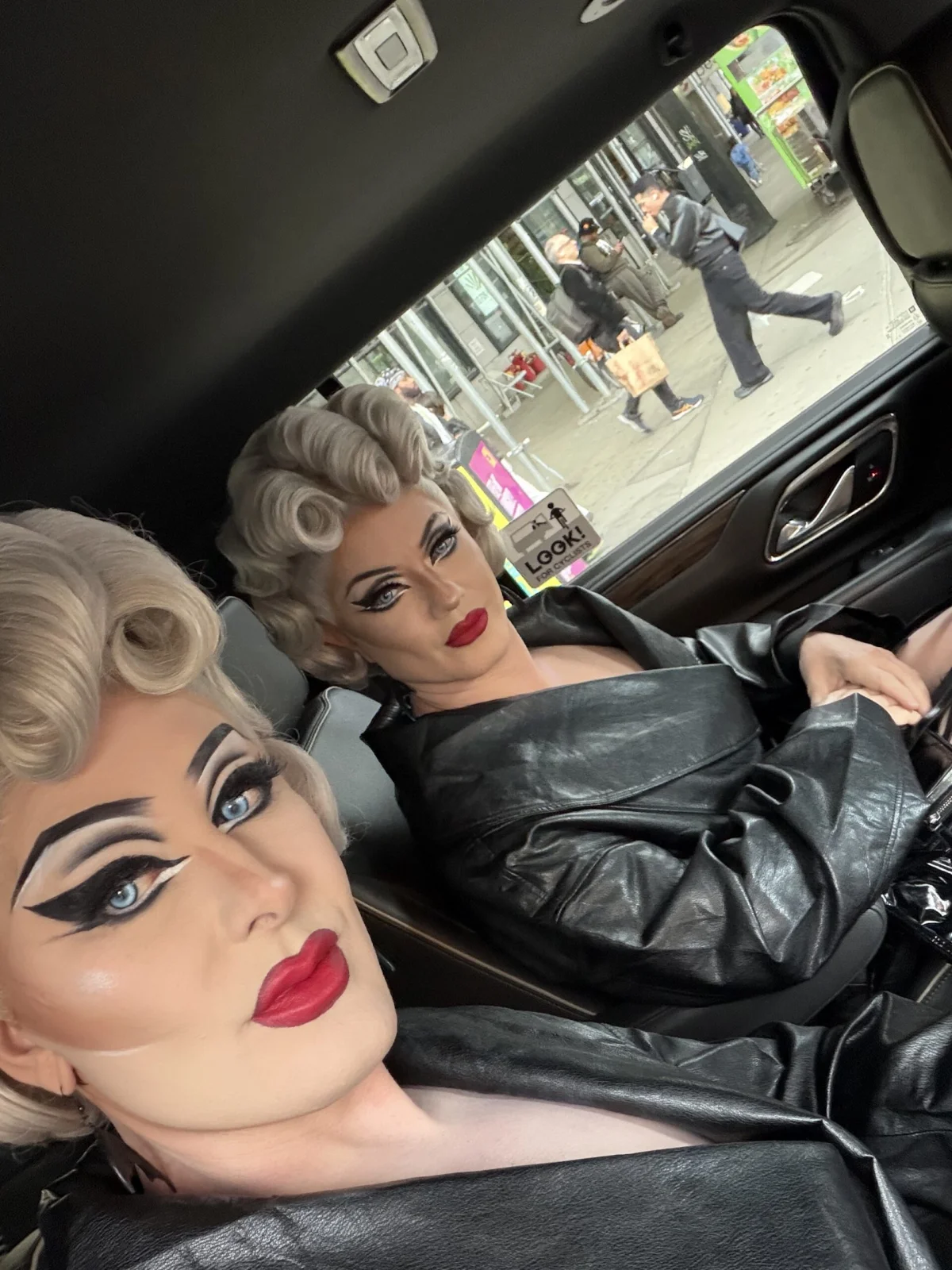
All photos courtesy of the Boulet Brothers.
Horror works best when the fear feels real and the danger doesn’t. That tension is part of the pleasure for Dracmorda and Swanthula Boulet, the drag artists behind The Boulet Brother’s Dragula, where monsters, performance and fright share the stage. As the series marks its tenth anniversary, the pair spoke about the childhood fascinations that shaped them, why horror can feel like a natural home for queer expression, and what they’ve been watching lately.
Learning to love the fright
Dracmorda’s first encounter with horror was the original black-and-white Dracula. At her grandparents’ house, she watched it alone in the living room after they had gone to bed. She was captivated. A set of Haunted Mansion story records became another early favorite, replayed long before she visited the Disneyland attraction. Horror, she says, felt like a happy place from the start.
Swanthula’s route began with Halloween. She was drawn to darkness, magic and fantasy, and spent childhood costume seasons as a vampire, werewolf, mummy, zombie or some other creature. In junior high, she worked in haunted houses. Around the same time, as adolescence brought change, she began getting into horror movies.
For both, fright is part of the appeal precisely because it can be felt in a controlled setting. A film, a book or a haunted house lets an audience approach fear on chosen terms. Dracmorda remembers inventing frightening versions of ordinary situations in her imagination: picturing the smell, the lighting, the weather, and asking what made a scene feel scary. That instinct for building atmosphere, she says, was like writing horror stories in her head before she knew what she was doing.
“Anybody that really loves horror has to be kind of a scaredy cat in a way,” Dracmorda says. Without a capacity for fear, there’s less of a charge in the experience. Swanthula agrees. Even after thousands of horror movies and plenty of visits to haunts, a film can still cast its spell. And then comes the release: laughter, often close behind the scream.
She sees a kinship between horror and comedy in their timing and momentum. Both depend on how a scene builds, when it changes direction and what an audience feels in the moment after the surprise. At a haunted house, Swanthula says, she may be laughing as much as jumping or shouting.
For Dracmorda, growing up with anxiety made fear a familiar subject long before it became creative material. Feeling constantly on alert led her to examine what was frightening and why. That experience now informs the show’s challenges, which ask contestants to confront things that scare them. The point, she says, is to face fear directly.
When the monster becomes the power
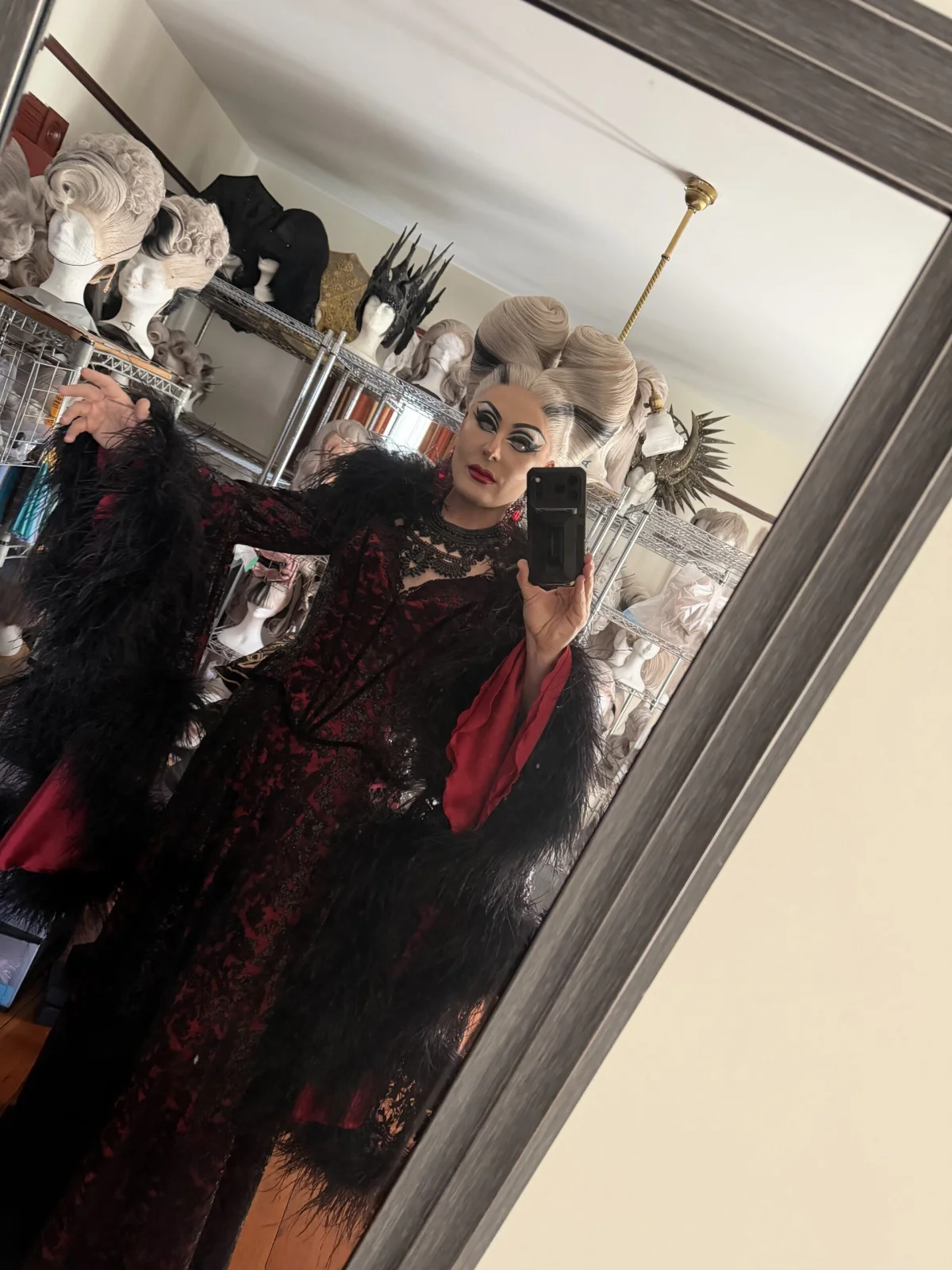
The link between drag and horror runs through transformation. Drag changes a performer’s shape, face and presence; monsters do something similar, revealing a hidden self or turning difference into force. Swanthula sees that shift as a point of recognition for queer people, who may understand the feeling of keeping part of themselves concealed. A drag monster can bring that darker side forward and make it a source of strength.
Dracmorda points to the outsiders at the center of familiar horror stories. Carrie is bullied before her powers give her a way to fight back. Frankenstein’s creature is hated and chased by the town. Norman Bates complicates ideas about identity through his relationship to his mother. Horror has long offered viewers figures who are feared, rejected or misunderstood—and room to imagine what happens when those figures claim their power.
“Being a monster is empowering,” Dracmorda says. For performers who feel too feminine or too masculine for the expectations attached to their assigned gender, taking on a monster can offer a vivid way to explore that tension. A character creates some distance, but it can also make honest expression possible. Dracmorda has watched contestants who seem quiet in the show’s offstage moments come alive when they perform. In character, she says, viewers can see them feeling fully present.
That creative freedom also shapes who gets to appear on Dragula. Dracmorda recalls a nightlife scene that included trans performers and drag kings, not just men in wigs. The show aims to reflect a broader range of people and forms of drag, including performers who might not fit a narrow idea of what drag looks like.
She’s careful about calling the series a safe space. The show has competition and drama, and queer communities are no more perfect than anyone else. Her aim is to make room for performers and viewers without the exclusions the host sees elsewhere: a place that feels safe from those barriers, even when the experience itself is intense.
Swanthula also notices the variety of people who come to meet-and-greets and tour dates. Many are straight men, some of whom say they introduced the series to their wives. Her read is that leading with horror lets the show connect through shared enjoyment of monsters, gore, effects makeup and fright. The series is queer, but its horror is an invitation to a wide audience.
For Dracmorda, the distinction is clear: they are horror hosts who happen to be in drag. She points to Rocky Horror [Picture Show] as a work that has reached people across audiences, including viewers who found a personal connection through it. She also cites Psycho as an enduring horror classic. In her view, framing the Boulets first as horror hosts makes room for people who might otherwise assume a drag-centered show isn’t for them.

A decade of building the next fright
Ten years in, the Boulets say they haven’t had much time to take stock. Dracmorda is more curious about the show’s place in the horror community than about its influence on drag, but admits that it’s hard to judge the larger picture while working inside it. Their attention has stayed on making the next project more interesting, more frightening or more extravagant.
Swanthula says the anniversary caught them by surprise. They’re focused on what comes next, so milestones tend to register when someone else points them out. She mentions the series’ seventh season and its multiple spinoffs as markers they only occasionally pause to consider. The anniversary offers a chance to look up from the work, even if their instinct is already to get back to it.
The new cast brings together artists from across the United States, as well as Mexico, Costa Rica, Brazil and Australia. Swanthula likes seeing how performers from different places interpret fear and horror. Those differences bring a range of visual references and ideas to the same set of challenges.
The contestants also move between gender expressions through their characters. Dracmorda says a performer might be more feminine one day, combine different qualities another day, or choose an entirely different approach. That fluidity fits the show’s larger invitation: follow the idea, change the silhouette and see what the character can become.

What’s on their horror watchlist
Their recent viewing has ranged from a movie that made them laugh as well as feel uneasy to science-fiction horror and an unusual live performance. Swanthula names Resident Evil as the last horror movie they watched. Dracmorda found its mix of comedy and fear surprising—and liked that combination.
On a flight, Swanthula watched Annihilation, a science-fiction horror film she counts among her favorite examples of the genre in recent years. She likes how far its ideas travel beyond what she initially expected. The film features an ensemble of women, including Natalie Portman.
Swanthula also recently saw Possession for the first time. She describes the body-horror film as bizarre and singular; the interviewer, Caroline Reilly, shares her enthusiasm for it.
Dracmorda’s recent New York experience was Paranormal Activity on stage. She recommends it as an unusual way to encounter horror: the performance made her feel as if she were inside a horror movie. She also points to horror comics as a format finding new life, with DC and Marvel putting out fresh horror lines that she finds worth reading.
Those choices reflect the genre’s range: a familiar franchise that can turn funny, a science-fiction story that keeps expanding, body horror with an unmistakable sensibility, and a live show that moves fright off the screen. For the Boulets, horror’s appeal comes from that ability to shift shape while keeping the audience close to the fear. A monster can be frightening, funny, tender or powerful—and the best performance leaves room for all of it.

The post The Boulet Brothers on the Fine Line Between Pleasure and Fear appeared first on Interview Magazine.