Magazine Turns Vintage Fashion Shopping Into a Bright, Playful Online World
Founders Coumba Samba and Sylvie Makower pair vivid vintage finds with essays, zine spirit and a wink at fashion’s self-tape rituals.
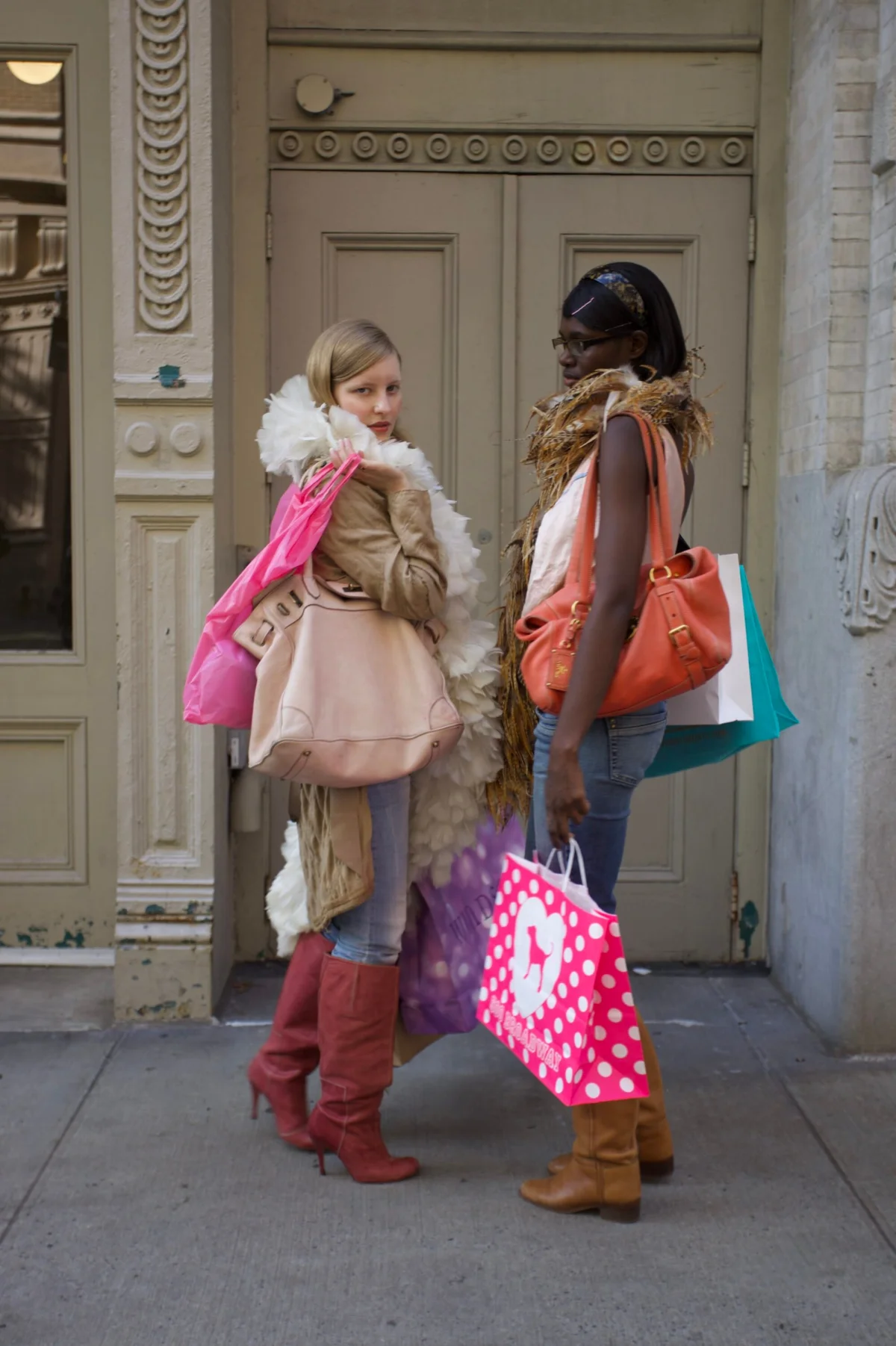
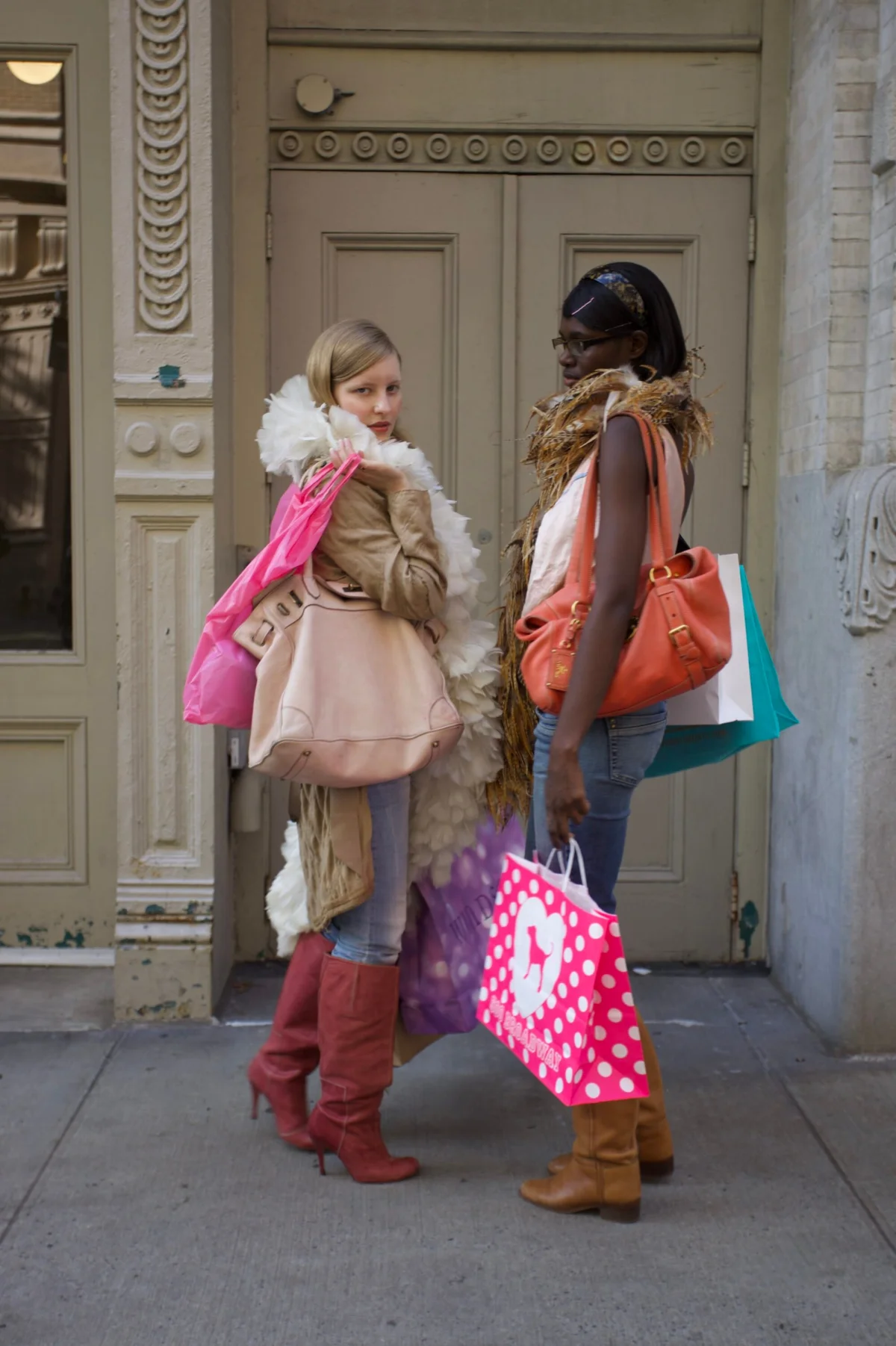
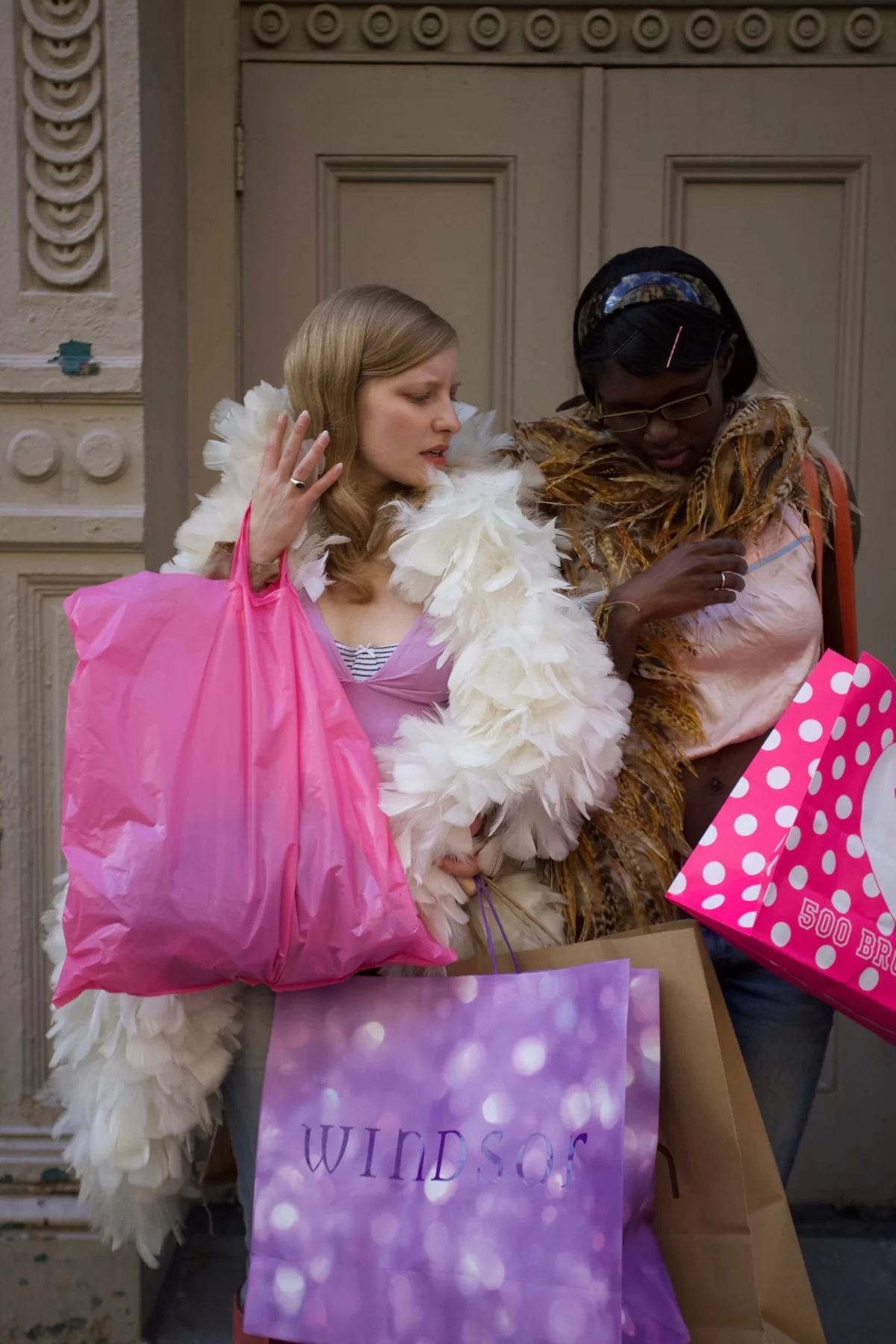
Magazine makes shopping feel like browsing a friend’s lively, highly personal corner of the internet. Founded by Coumba Samba and Sylvie Makower, the online shop pairs distinctive clothes with editorial features, giving each new release room to become a story as well as a selection of things to buy. Its bright palette, playful details and deliberately informal feel reflect the founders’ shared appetite for fashion and the pleasure of finding something unexpected.
The selection signals that outlook immediately: a lime-green 1940s showgirl dress sits in the same colorful world as a pink-and-white Betsey Johnson piece. Samba and Makower aren’t aiming for restrained, monochrome dressing. They describe Magazine as girly, abundant and built around exuberant color, with bubblegum pink, turquoise and tangerine among its defining shades. The result is a shop with a clear point of view: pieces should feel special, vivid and fun to wear.
A shared appetite becomes a shop
The idea took shape over breakfast Upstate, when Makower noticed Samba absorbed in Vinted on her phone. The moment captured something they already shared: both were devoted shoppers, with a particular interest in fashion and the thrill of the hunt. They began talking about building a place around that enthusiasm.
For Samba, the online format answered a real frustration. New York has vintage shops, she said, but their curation doesn’t always match what she wants to find. Shopping online gave her access to a wider range of pieces, and Magazine offered a way to shape that experience around the founders’ own taste. Their friendship stretches between New York and London, giving the project a transatlantic character that suits an online shop: it can feel intimate and physical, even while it exists on a screen.
That intimacy is part of the appeal. The website has an informal, blog-like quality, which Samba connects to growing up on Tumblr. Makower says the pair wanted an immediate, low-stakes kind of online publishing, without making every detail feel overly polished. The site’s appearance developed organically, through contributions from web designer Alec Mapes-Frances and Samba, with new ideas added as they took shape.
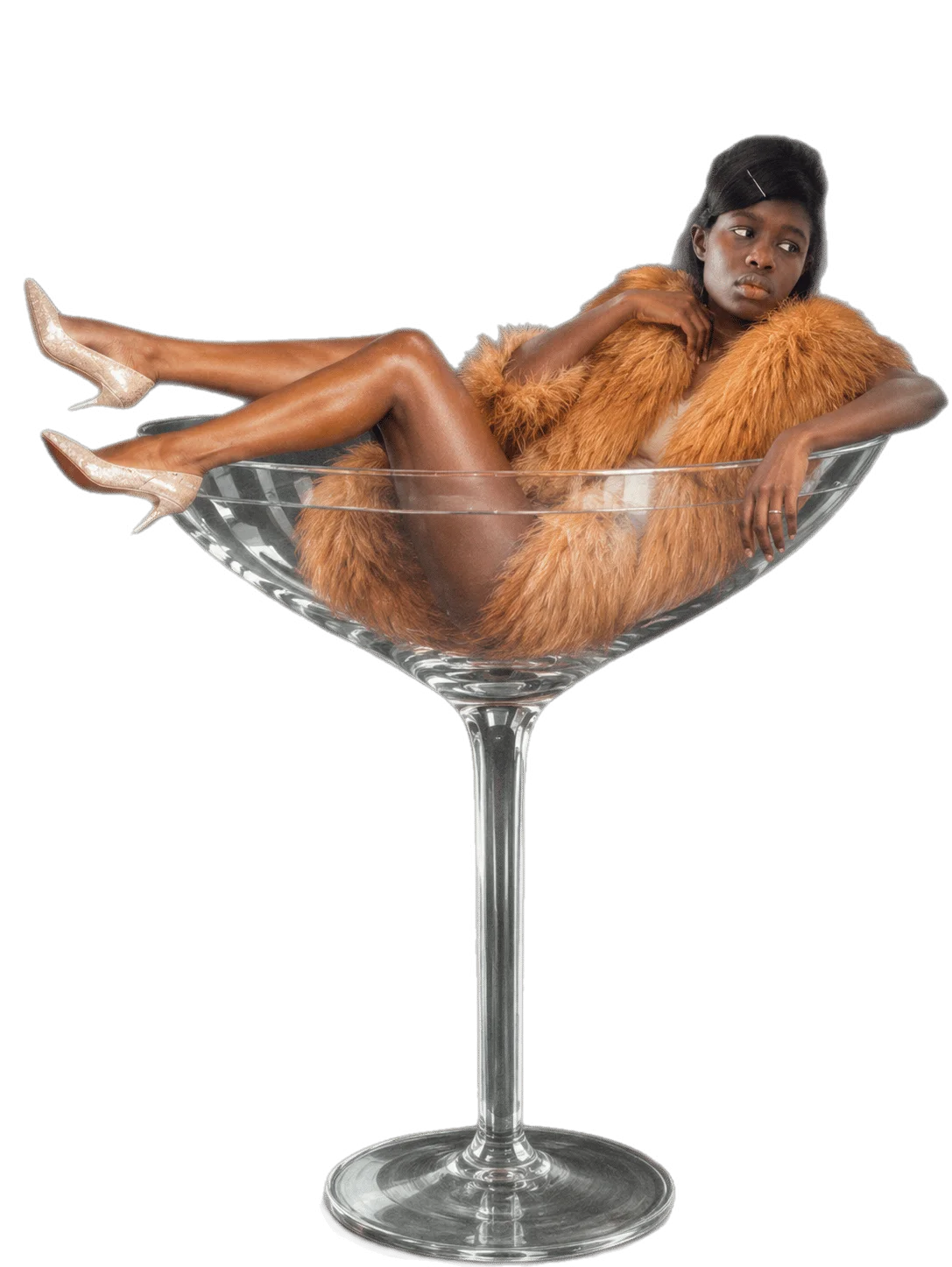
Some of those details point to the founders’ own interests. A small sticker of Samba sitting in a margarita glass links to years of her personal margarita reviews. The drink itself is a simple choice: she says she doesn’t really like alcohol, and started reviewing margaritas while looking for a classic cocktail to keep track of. Her preference is straightforward—no unusual additions or unnecessary twists. The site also includes Miss Chlo, an agony aunt who answers questions submitted by readers.
Editorial with the clothes in view
Magazine’s editorial features give each release a wider frame. The founders have published pieces ranging from essays about a pair of Fall 2011 Lanvin heels to a search for the perfect black mannequin. The writing can start with an object in the shop, but it doesn’t have to stay there. Makower describes the editorial section as a place to explore the stock and other subjects in more depth, and says it isn’t limited to the clothes for sale.
One feature by Fiona Alison Duncan, for example, takes the form of a pseudo-fictional essay about personal effects. That approach fits a project that sees fashion as a starting point for a larger mix of ideas, images and personal obsessions. Makower and Samba first imagined printing pictures of clothes, inspired by books showing counterfeit bags on Canal Street. The name Magazine followed from the shop’s resemblance to a fashion publication; the idea of making an actual magazine came soon after. Samba had also made zines while at university, so the editorial side connected with an interest she already had.
Shopping imagery gets its own joke, too. The product listings use GIFs of the founders that mimic the walking videos modelling agencies ask for. Makower calls the format humiliating and says the pair wanted to spoof it. She modelled as a teenager, and Samba still models, so the reference comes from their direct experience. The clips give the listings a self-aware edge: the clothes are presented with energy, while the familiar fashion ritual gets gently teased.
Style that leaves room for personality
The buying philosophy is personal rather than prescriptive. Makower says she is learning to shop for herself: if she loves something, she buys it. She wants Magazine to mix well-constructed designer pieces with unusual, more accessible finds. Samba sums up the selection as unique, special and bright. Both founders favour character over looking perfectly put together; Makower says she finds being dressed “too” well less appealing.
Their idea of an ideal shopping day is just as unfiltered. At London vintage fair Frock Me!, Samba spent five hours browsing with earbuds in and used up her shopping budget. Makower remembers receiving excited messages from her a few hours into the fair, then finding her racing around the event. The story captures the appetite behind the shop: focused, enthusiastic, and happy to follow a promising find.
Makower often imagines Magazine as a physical space, too. In her version, it would be pink, with her hoped-for dog running around, and work as a place where people could shop, gather and have tea. Samba pictures classic ’80s dance tracks playing as visitors walk in. Their advice for shopping divas is similarly direct: Samba says to take risks. Miss Chlo’s line offers a more personal styling prompt: “You don’t need to find yourself before getting dressed. Sometimes getting dressed is how you find yourself.” At Magazine, that idea runs through the clothes, the writing and the way the site invites readers to follow their own taste.