Sofia Testino and Eric Kroll Bring Vintage Clothes and Sculptural Heels to Tucson
Designer Sofia Testino and photographer Eric Kroll built a playful desert shoot around her heels, his archive and a shared instinct for unexpected beauty.
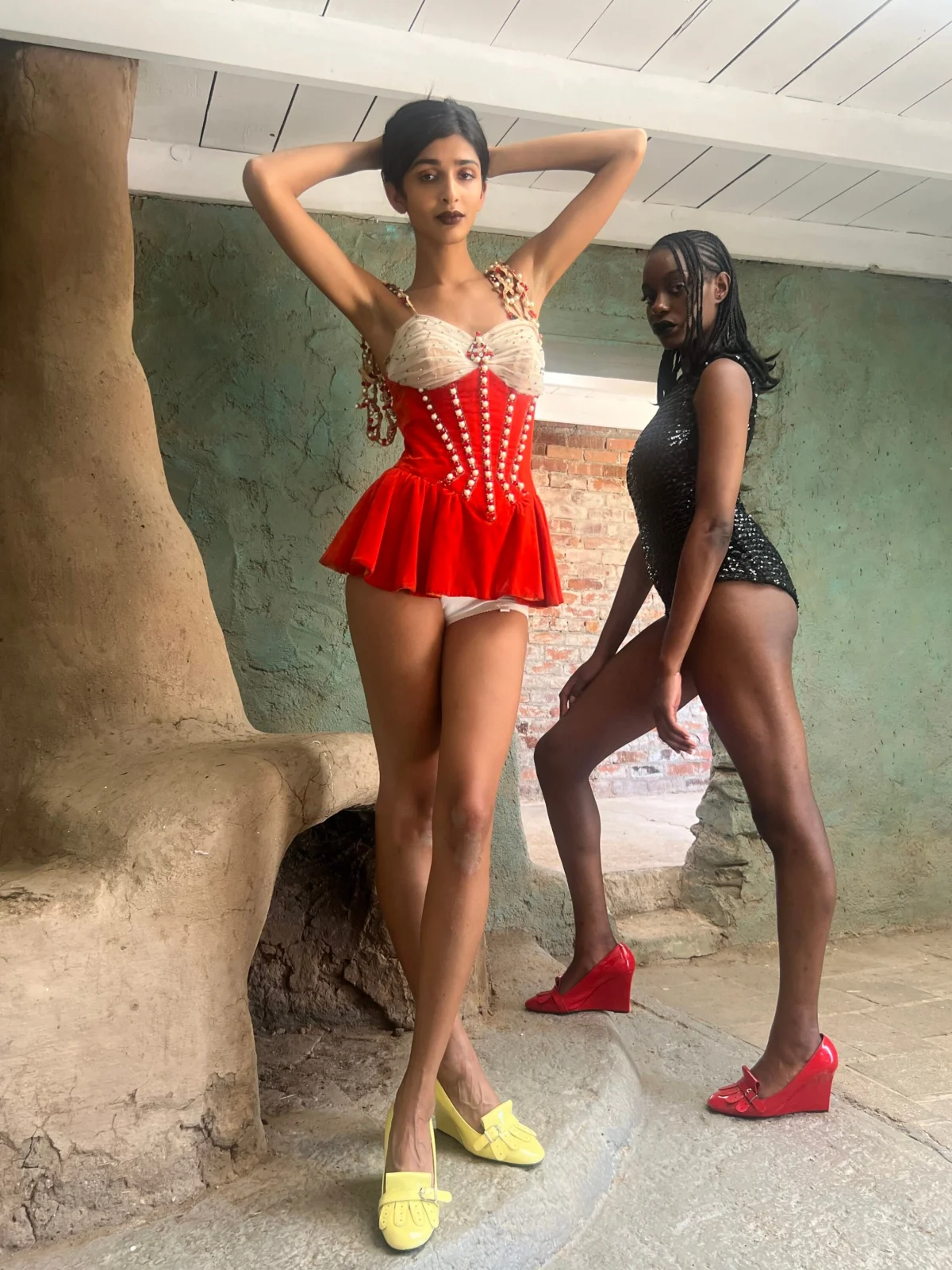
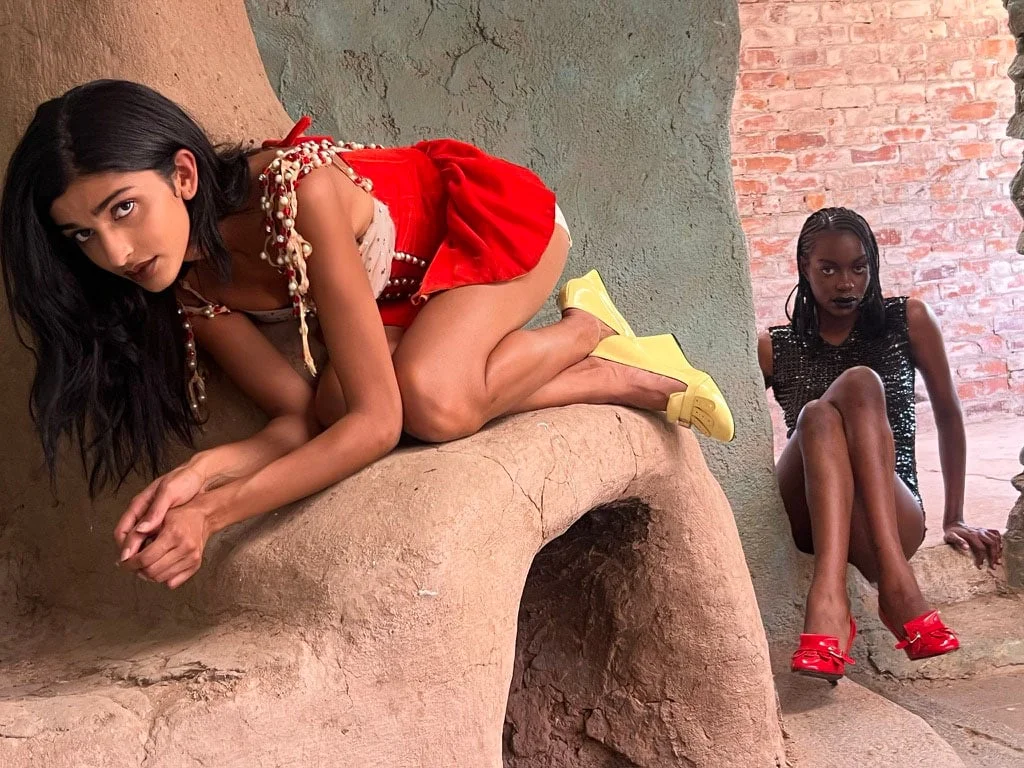
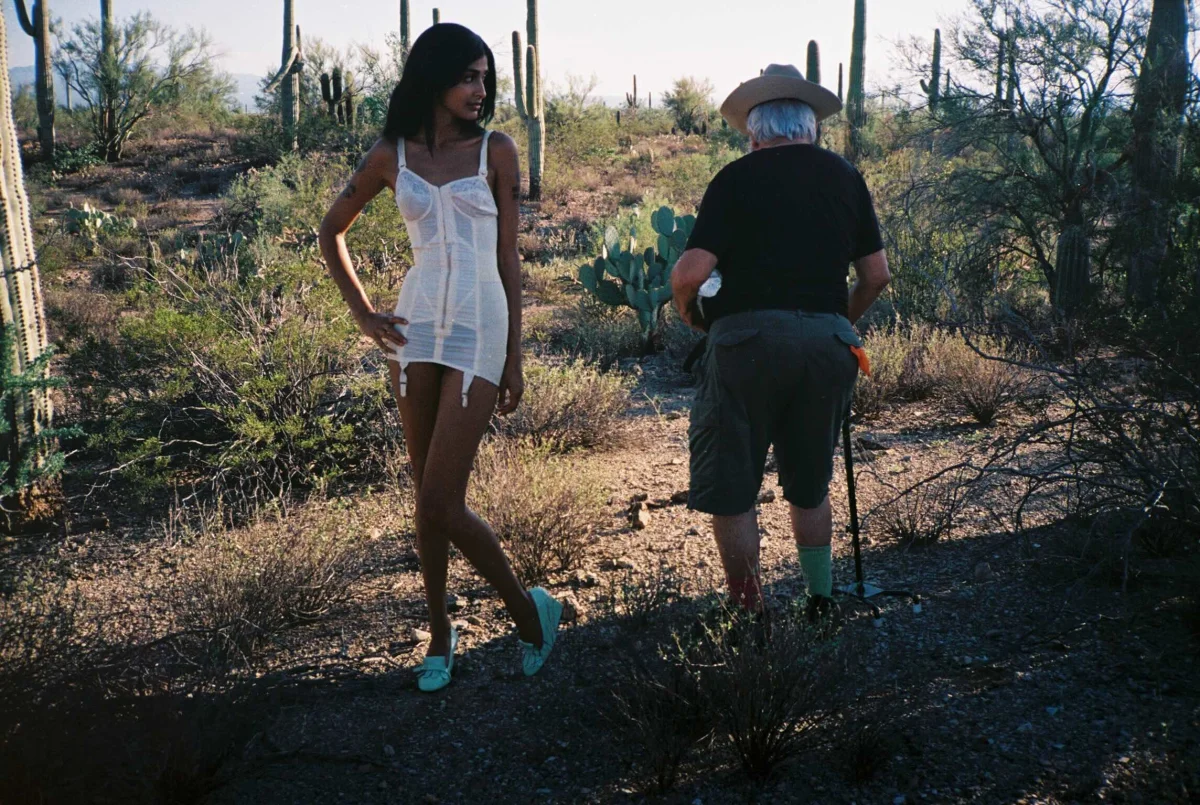
The strongest idea in Sofia Testino’s Tucson shoot was also its simplest: let her shoes meet Eric Kroll’s extraordinary clothing archive, then use the desert itself as part of the composition. The resulting images pair Testino’s sculptural heels with vintage circus costumes and Southwestern backdrops, bringing two distinct visual worlds into the same frame.
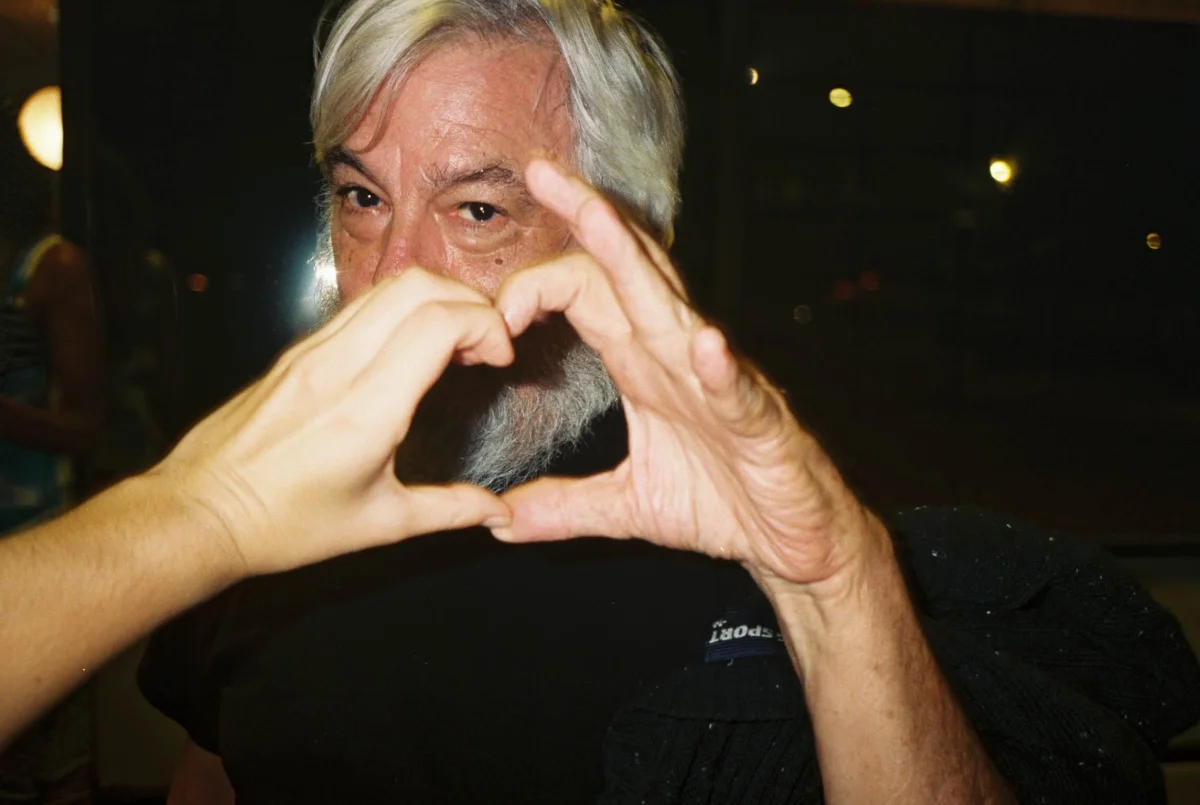
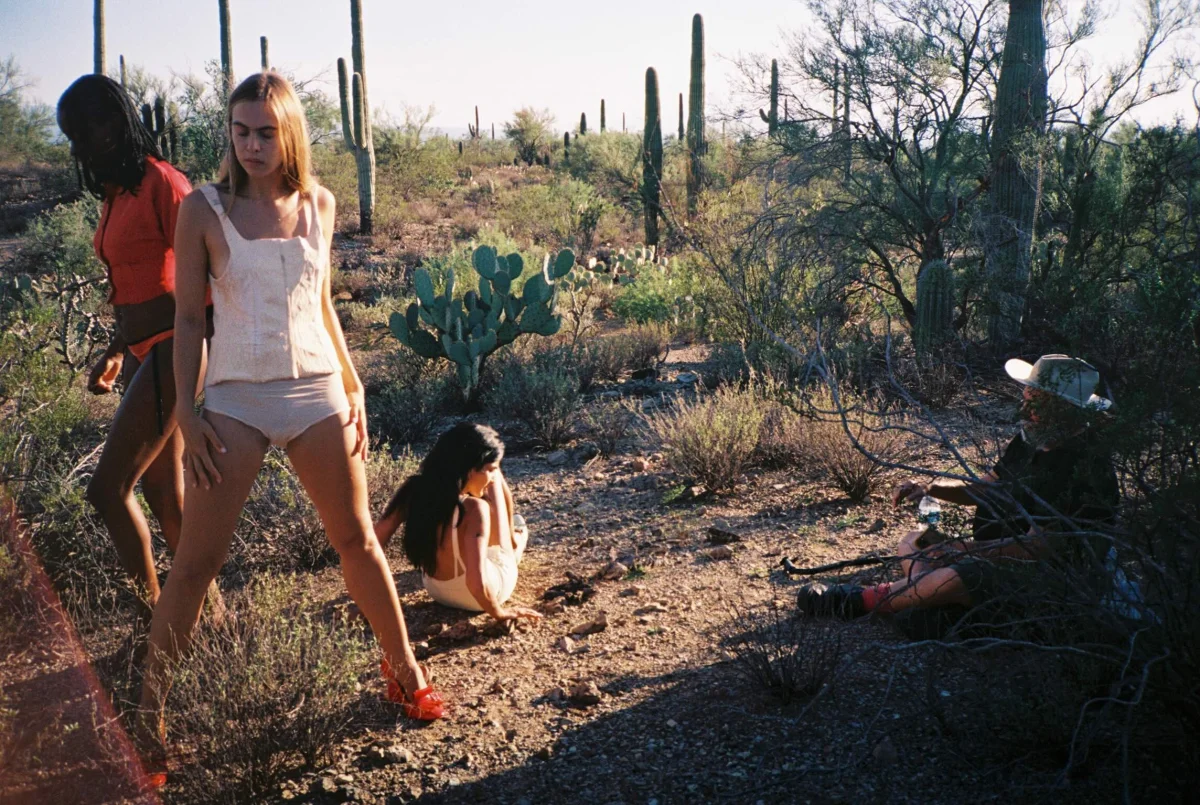
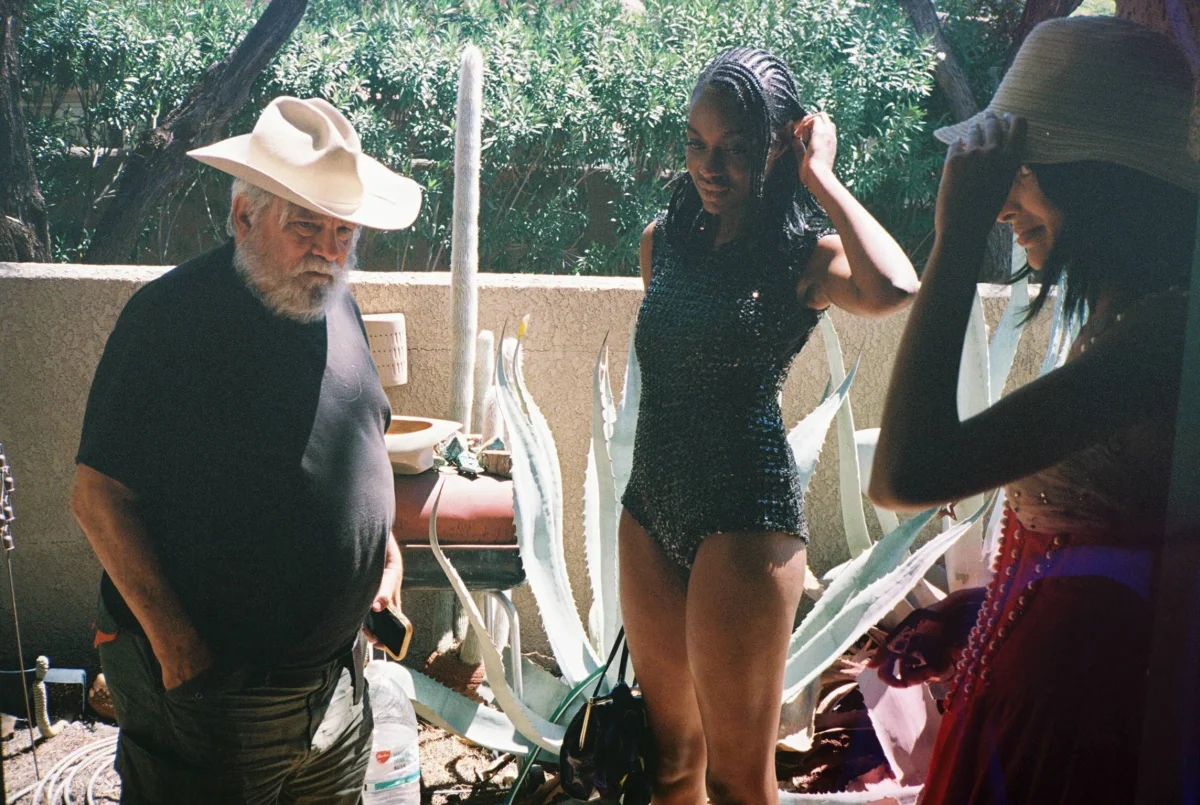
Testino, a New York based designer and recent Central Saint Martins graduate, travelled to Arizona with friends Riska, Ida and Temi during the week of her 25th birthday. Kroll, an 80 year old photographer based in Tucson, photographed the collection. His house gave the project an immediate sense of character: cowboy hats in the bathtub, circus outfits and Western clothes on racks, and walls crowded with images and objects he has collected over the years.
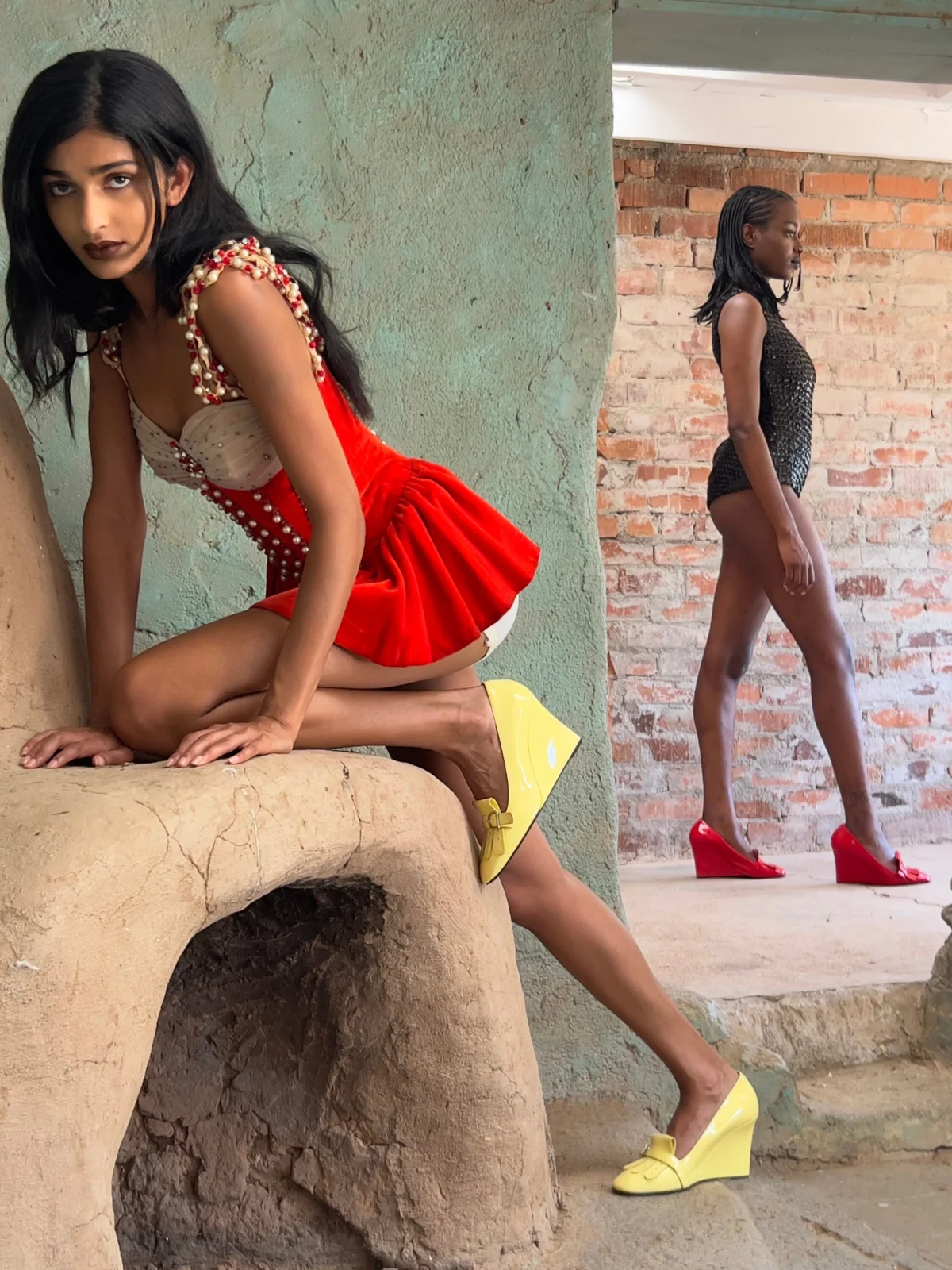
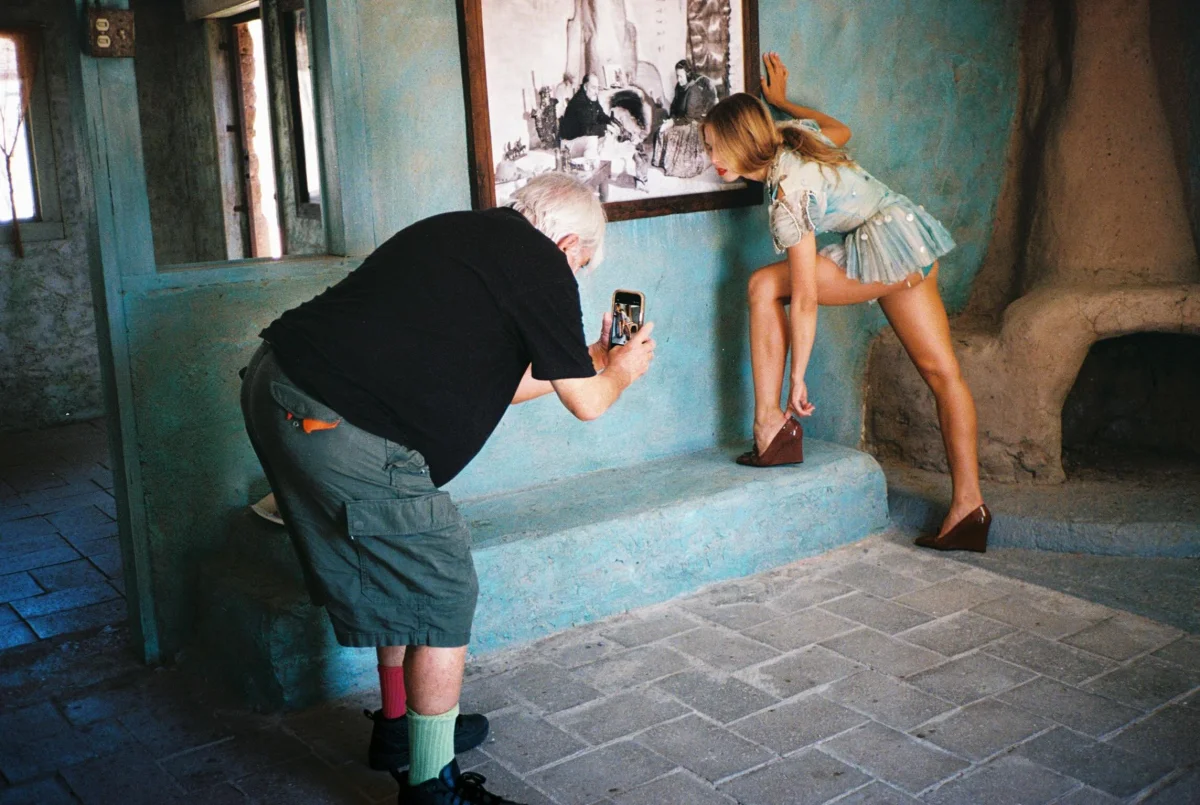
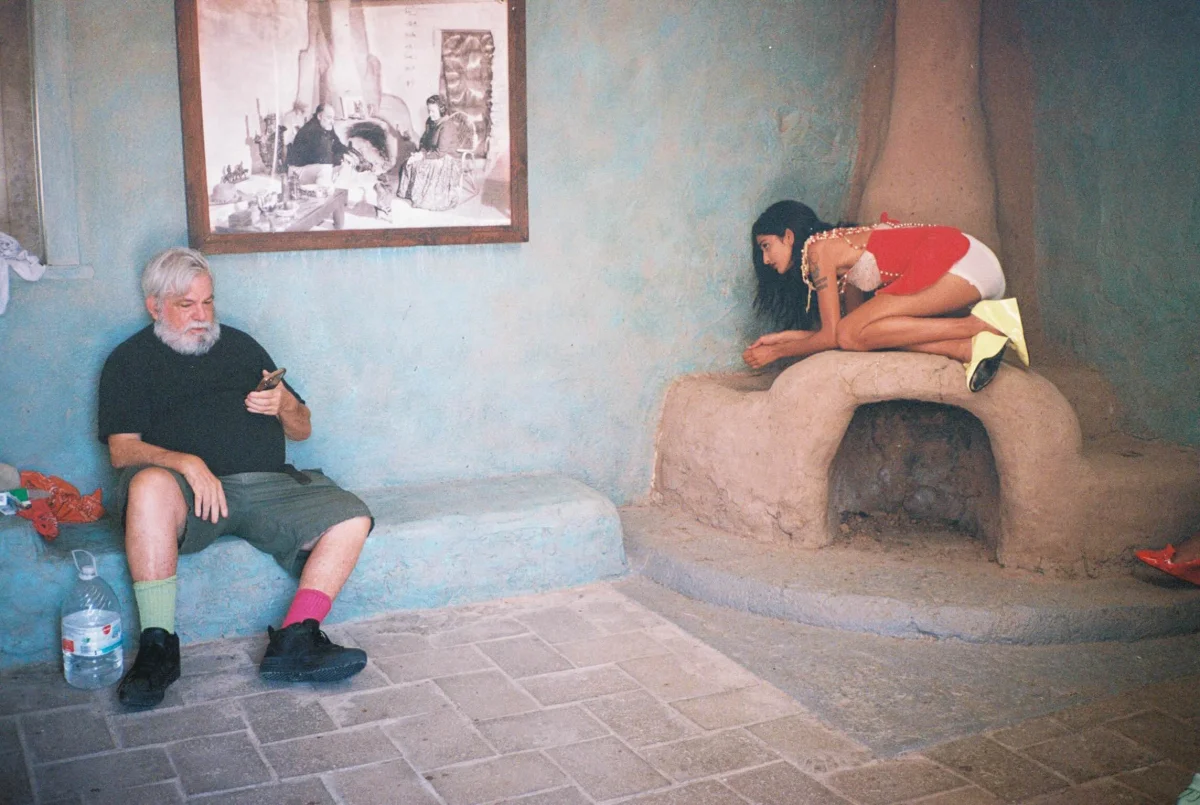
That setting wasn’t just colourful scenery. Kroll’s archive became a working wardrobe for the shoot, while Testino supplied the shoes. Her own design language already leans into unlikely combinations: pastel wedge brogues alongside nurses’ uniforms and sharply tailored concierge jackets. Kroll’s clothes added another layer of theatricality. The images, made around the home of Southwestern artist Ettore DeGrazia and against adobe walls, let the styling feel discovered rather than assembled in a studio.

A shared eye for composition
The collaboration works because their sensibilities overlap without becoming identical. Kroll is drawn to beauty in places and people others might overlook. He recalled spotting a waitress while photographers around him complained that their location lacked models; she went on to appear in several pages of one of his Taschen books. His approach starts with looking carefully, then trusting what catches his attention.
Testino sees that instinct in the way Kroll arranges people in a frame. Kroll traces his own feeling for space and design to his father, a textile designer who taught him about spatial relationships. That background helps explain why the clothes, bodies and surroundings feel connected in the photographs. The styling has eccentric details, but the images still have a clear visual structure.
The two first connected after Testino had messaged Kroll and received a terse refusal. They eventually met through a mutual friend, then began talking over FaceTime about clothes and ideas. Testino had admired Kroll’s archive for years; for her, visiting his home and leaving its clothing out of the shoot would have missed the point. The final arrangement let her shoes retain their identity while taking on the attitude of his costumes.



Letting the road become the backdrop
The shoot’s setting shaped its look as much as the wardrobe. Kroll usually works with an iPhone, while Testino wanted to photograph on 35mm. They had no seamless paper or studio walls to control the frame, and the desert heat made the long day demanding. Testino noticed that a Tucson road could read like a backdrop, turning an ordinary stretch of ground into a strong graphic line through the pictures.
Kroll was initially unsure of what Testino saw in the location. He later praised her decision: she had a clear idea of the images she wanted, and the road gave the photographs an unexpected visual anchor. The exchange hints at how the shoot was directed. Kroll brought experience and a highly personal archive; Testino held a precise vision for her collection. Each pushed back, and both shaped the final choices.
There was a practical detail Kroll kept returning to: show the heel. Drawing on advice from photographer Dian Hanson, he argued that a high heel needs to be seen clearly, including its arch and shape. A straight-on pose can flatten the shoe’s design, so the angle matters. Testino recalled him repeatedly checking whether the heel was visible. It’s a small instruction with a direct payoff: the shoe stays legible even when the surrounding clothes and scenery are busy.
Camp, tension and tenderness
The pictures also draw on the tension both artists find compelling: the friction between restraint and freedom, and between polished femininity and something more knowing. Kroll’s taste for fetish, esoteric imagery and camp might suggest a hard-edged sensibility, but Testino describes him as thoughtful and generous with the people he photographs. She says the apparent eccentricity of his home gives way to a serious commitment to his work.
Testino’s own designs carry a related duality. Their playful colours and unusual references can appear sweet at first, but the proportions and uniform details bring a firmer edge. In the shoot, the clothes don’t simply dress the shoes; they create a character around them. Kroll’s circus pieces add theatricality, while the desert road and adobe setting keep the images grounded in Tucson.
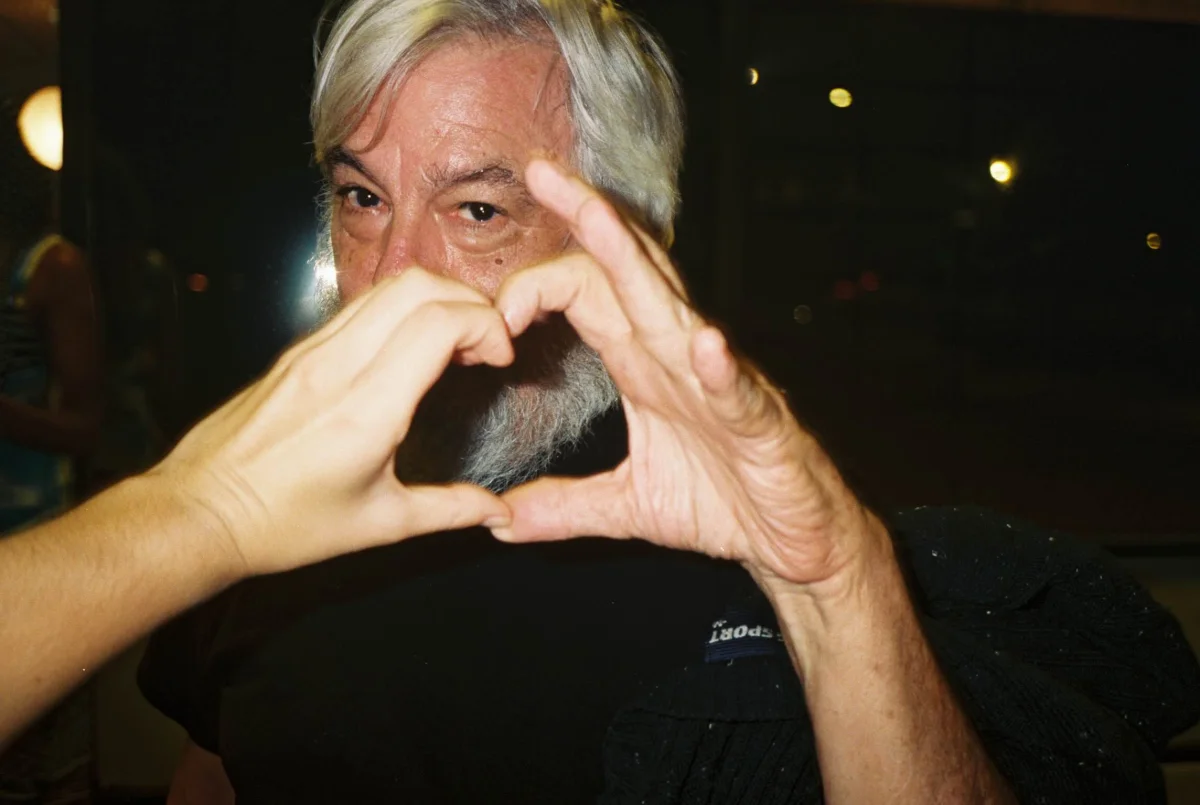
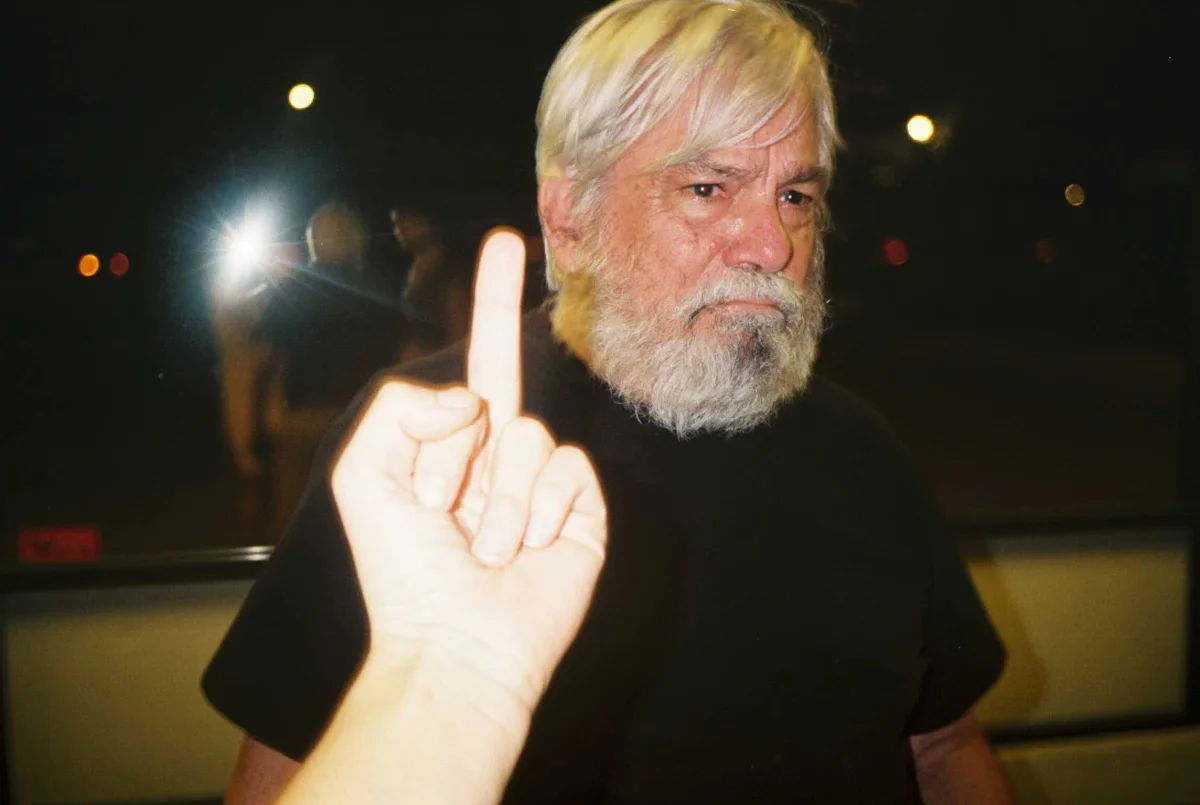
Kroll appeared in some of the photographs, with Testino joking that he liked his physique. The teasing continued through their conversation, where she called his gruff manner an act and recalled that he arranged a Japanese restaurant dinner for her birthday with her friends. Beneath the banter is a genuine respect: Testino described the trip as an inspiration and valued the chance to work with an artist whose ideas are so fully present in his surroundings.
The day ended with both photographers’ instincts in the frame: Kroll’s attention to the heel and placement, and Testino’s ability to see a road as a backdrop. Their images make a case for styling through contrast—keep the product visible, give it a world to inhabit, and let the location contribute its own lines and colour.