The Preppy Bob: A Polished, Versatile Haircut to Try This Season
With a jaw-skimming shape and clean ends, the preppy bob puts a polished spin on the classic cut. Stylists share how to tailor and style it.

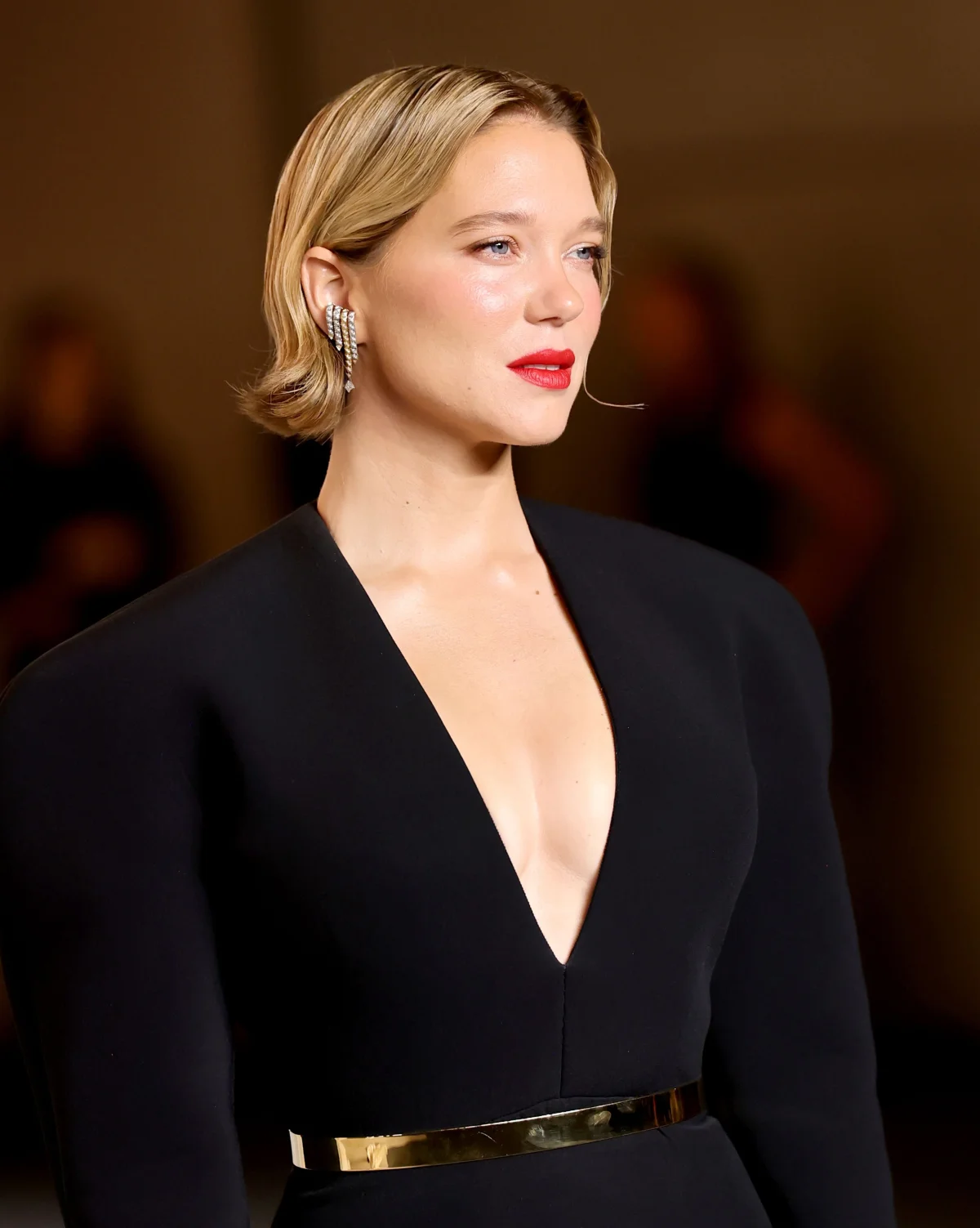
The preppy bob gives the classic short cut a more polished finish: think a clean outline, softly shaped ends and a length that skims the jaw without feeling severe. Seen on Léa Seydoux, Natalie Portman and Alexa Chung, it draws on collegiate style while keeping the shape current. Its appeal is in the balance: tidy and considered, with enough softness to avoid looking rigid.
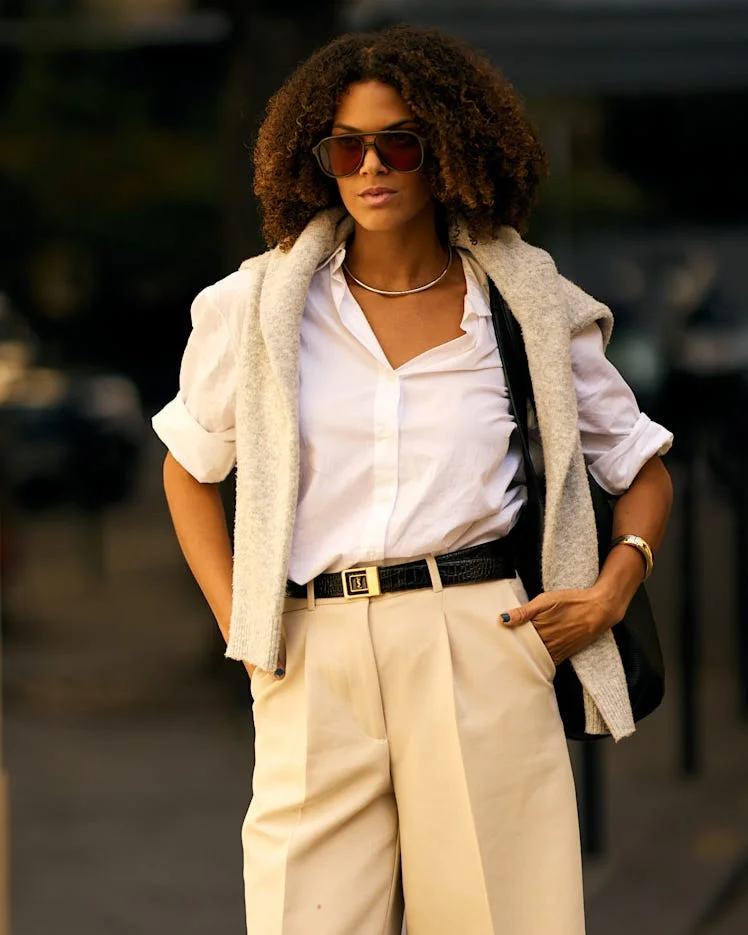
For anyone weighing a bob but wary of a very short crop or choppy texture, this is a useful middle ground. The haircut’s shape does most of the work, so it can look finished with relatively little styling. The key is a precise cut that suits your hair’s density and natural movement.
The shape behind the trend
Hairstylist and Hershesons CEO Luke Hersheson describes the look as an easy take on a classic jaw-length cut, with soft ends and a clean shape that gives hair a polished finish. The silhouette sits between the chin and the nape, with neatly defined edges rather than the deliberately irregular finish associated with more textured bob styles.
That length makes the cut adaptable. It leaves room to move the parting or change the finish, while keeping the neck visible and the outline sharp. The result reads as composed but not overly formal: a good fit for people who want a recognisable bob shape with a little more structure.
The preppy reference is less about a literal uniform and more about the impression of neatness. A center part and smooth ends underline that quality, while a touch of natural texture can loosen the look. It’s a trend with a clear point of view, but the finish doesn’t need to be identical on everyone.
What to discuss at the salon
Precision matters because the cut relies on its outline to look intentional. Hersheson says the shape, rather than elaborate styling, should make the impact. Bring reference photos that reflect both the length you want and your own hair type; an image that matches your texture and density will give your stylist a more practical starting point than a photo with a very different finish.
Talk through where the hemline should sit, how much softness you want at the ends and whether your hair needs internal shaping. Small changes in length and weight can alter how the bob falls, so the aim is a clean silhouette that works with your hair’s natural behavior. Regular trims can help preserve the defined edge as the cut grows out.
Style it smooth or let texture show
Stylist Talia Hurley of Blue Tit London suggests using a round brush for a glossy, classic finish. If you prefer a less polished result, a texturising spray can bring out natural movement and give the cut a more relaxed edge. Both approaches suit the shape; the choice comes down to how crisp or casual you want it to feel.
For a simple everyday finish, Hersheson recommends a middle part to bring out the bob’s clean lines, plus a pea-size amount of Almost Everything Cream to smooth the hair without making it look greasy. Start with a small amount and add only if needed. The idea is to keep the surface neat while letting the cut retain some ease; too much product or repeated styling can make a naturally simple shape feel overworked.
There’s also flexibility in the parting and finish. A center part emphasizes symmetry and the clean outline, while a softer, textured finish shifts the mood without changing the cut. If you’re deciding between the two, consider how you usually wear your hair: the best version is the one that fits your routine as well as your preferred look.

Tailor the cut to your hair
Thick hair: Ask about subtle internal layers to reduce weight and help the hair move. The goal is to keep the outer line neat while preventing the shape from feeling too heavy.
Fine hair: A blunt finish can make the ends appear denser and support the bob’s crisp outline. Keep the cut’s shape in focus, and choose light styling products so the finish stays airy.
Textured hair: Work with your curls or waves rather than pressing them into a uniform finish. A shape that allows natural movement can keep the bob versatile while preserving definition.

The preppy bob’s staying power may come from its clear shape and adaptable finish. Ask for a length and weight that work with your hair, then let the parting and styling decide whether the result feels sleek or relaxed.