Chronic Stress: Signs in Your Skin, Hair and Daily Habits
Experts explain how persistent stress can affect sleep, mood, skin and hair, and share practical ways to make more room for recovery.
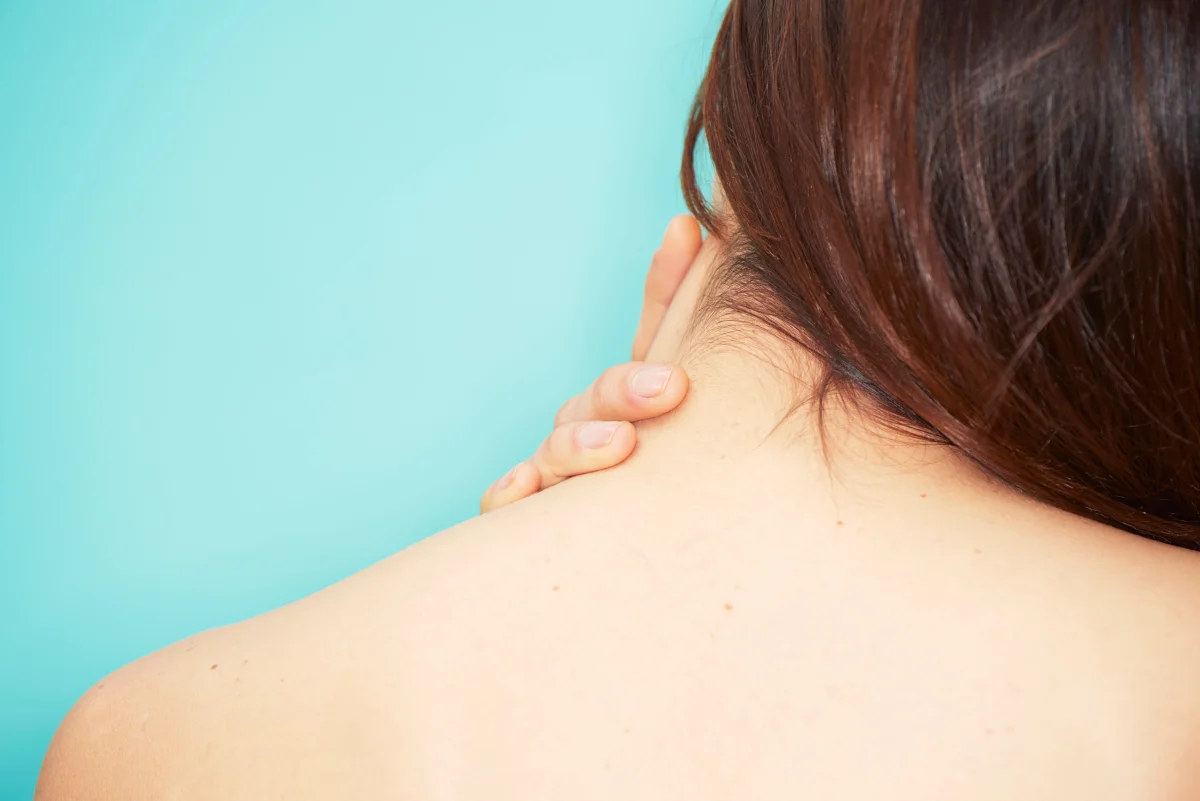
The telling feature of chronic stress isn’t how dramatic a difficult day feels; it’s whether your body gets a chance to recover afterward. When pressure keeps returning over weeks, months or longer, experts say its effects can reach sleep, mood, daily habits and appearance. The practical question is how to spot the pattern and reduce its load.
When stress stops switching off
There’s no clinical definition or diagnosis for chronic stress, says Karinn A. Glover, MD, MPH, an attending psychiatrist at Montefiore Einstein Psychiatry Associates. She describes it as circumstances that leave someone feeling anxious, irritable, fearful or constantly on edge, whether or not those feelings are fully conscious. The experience may be steady or intermittent; it can persist for four to six weeks, or stretch across decades.
Stress itself serves a purpose. “It’s an ancient survival system designed simply to switch on, solve a problem, and then switch off,” says Dr. Michael J. Hall, MD, MSc, founder and medical director of Hall Longevity Clinic and author of Infinite Youth: Solving the Aging Equation. The strain builds when that response stays active without enough recovery. Hall points to constant digital connection as one source of low-level pressure that can keep people feeling as though they’re in a prolonged emergency.
That distinction also separates acute stress from a chronic pattern. A deadline, public talk, exam or demanding workout can be a temporary challenge; in Hall’s view, the body’s recovery afterward is part of the process. Glover’s examples of everyday stress include commuting and caring for an infant. If such demands pile up repeatedly, with no meaningful pause, they may become much harder to shake. The deciding factor is not simply the size of a stressor, but whether the person returns to baseline.
The strain can come from more than one place
Work, finances, caregiving, relationship tensions and worries about health are familiar sources of prolonged pressure. Hall also urges people to notice less obvious contributors: missed meals, poor sleep and other physical demands can add to the overall burden. He calls this combined load the “Aging Funnel” framework, arguing that people may focus on emotional stress while overlooking what else is wearing them down.
Glover points to difficult circumstances such as seeing a loved one or community member suffer, living somewhere that feels unsafe, facing health challenges or working in a highly tense environment. These situations can leave a person feeling powerless or watchful. That context matters: stress isn’t always something an individual can resolve with a better routine. Still, identifying the pressures within reach can clarify where a change might help.
What the pattern can look like
Stress can affect the mind and body together. Glover lists insomnia, low mood, cynicism, fatigue, headaches and chronic pain among possible experiences. Changes in eating may also occur, including repetitive food choices, increased snacking or a marked drop in appetite. Hall describes possible signs such as waking during the night, tension headaches, jaw clenching or teeth grinding, digestive discomfort, irritability, low libido and difficulty concentrating.
Some cues show up in posture and small habits: shoulders held high, a tense neck, a clenched jaw or a tendency to fidget. A person may notice hair twirling or pulling that leaves strands damaged. Weight may shift in either direction, and appetite can change. Glover also notes that digestive issues, including irritable bowel syndrome (IBS) and acid reflux, illustrate how emotional strain and physical experience can intersect.
For readers focused on beauty, changes in skin and hair may be another part of the picture. Hall says stress can coincide with dullness, dryness, fine lines, slower skin healing, breakouts and flares of conditions such as acne, eczema, psoriasis and rosacea. He also connects disrupted sleep with under-eye puffiness and dark circles. These are possibilities, not a way to diagnose the cause of a change: skin and hair concerns can have many explanations.
Hair shedding may appear after the stressful period itself. Hall says some women notice increased shedding two to three months later, and describes a possible connection between stress and premature graying as an emerging area of research. Brittle nails can also be a cue to take stock of overall strain. A serum or styling product can address a surface concern, but it can’t replace rest or resolve the pressures behind a persistent pattern.
Build recovery into the day
Glover recommends starting with observation: look back at recent difficult days and note the people, conversations and activities that made them harder. She specifically suggests including phone scrolling in that review, and asking how often you check news and other updates. The aim isn’t to ignore the world; it’s to notice whether constant exposure is adding pressure you can reduce.
When possible, shift the setting. Glover suggests spending time outdoors, connecting with loved ones, eating nourishing food and moving your body. A bike ride, a walk along the beach or time in a park can offer a change of pace, provided the outdoor setting feels safe. Exercise needn’t be punishing: Hall recommends daily movement while cautioning that an intense workout on very little sleep can add to the load.
Hall’s practical suggestions also focus on sleep and routines. Keep bedtimes and wake times consistent, make the bedroom cool and dark, and limit screen use in the final hour before bed. He recommends getting morning sunlight within 30 minutes of waking, and trying slow breathing with a longer exhale than inhale. He also suggests protein at each meal to support steadier blood sugar, while going easy on late caffeine and alcohol.
Connection and boundaries matter, too. Make time for people you love, and set periods when work messages and phone alerts can wait. Therapy, coaching or mindfulness practice may help people change how they respond to pressure. Hall suggests looking at heart rate variability, sleep data and cortisol patterns to track stress, though any measurement is only one source of information. Persistent low mood or anxiety, chest pain, or sleep problems that continue for more than a few weeks are reasons he says to see a physician.
Make the goal recovery, not a stress-free life
Neither expert sees stress as something most people can eliminate. Glover’s emphasis is on limiting exposure where possible and reducing its effects. That may mean setting boundaries with people around you, creating a bedtime Do Not Disturb routine, protecting time for movement, connecting with supportive loved ones or joining a community. A regular wind-down routine and time for personal reflection can help mark a transition out of the day’s demands.
Hall frames the work in two parts: reduce the sources of strain, including overlooked physical demands, and build the capacity to handle what remains through sleep, nourishment, movement, recovery and connection. The aim isn’t perfection or an empty calendar. It’s a routine that gives the body a credible chance to come down from high alert. As Glover puts it, movement and pleasure deserve a place alongside work and caring for others. Start by noticing which pressures repeat, then protect one practical window for recovery.