REM Sleep: What It Does and the Habits That Help Protect It
REM sleep supports memory, focus and mood. Sleep specialist W. Christopher Winter explains why a steady schedule matters more than tracker scores.

REM sleep takes up roughly a quarter of the night, and its longest stretches tend to arrive near morning. That timing gives a practical reason to protect a full night’s rest: an early alarm can cut into REM more than it cuts into deep sleep. Sleep specialist Dr. W. Christopher Winter says the most useful way to support REM is to protect the conditions for sleep, rather than trying to force a particular sleep stage.
REM and deep sleep do different jobs
Winter describes three stages across the night: light sleep, deep sleep and dream sleep, also known as rapid eye movement (REM) sleep. Though deep and REM sleep are often grouped together, he characterizes them as nearly opposite states. In deep sleep, the body and brain are quiet. During REM, the brain becomes highly active while most muscles are temporarily paralyzed, which helps prevent people from physically acting out dreams.
These stages cycle several times during the night, in periods of about 90 minutes. Deep sleep is more concentrated earlier on; REM periods grow longer toward morning. The first REM stretch may last around 10 minutes, while later ones can approach an hour. Winter estimates that light sleep accounts for about half the night, with deep and dream sleep making up roughly equal shares of the rest. In his account, REM therefore represents about a quarter of total sleep.
Winter traces the discovery of REM sleep to researcher Eugene Aserinsky, who identified it while working with an early brain-wave machine at the University of Chicago. Sleep science has advanced since then, but a key point remains: stage timing matters, and a shortened night can disproportionately reduce the later REM periods.
Dream recall isn’t a reliable scorecard
Most people move in and out of REM without being aware of it, Winter says. Someone who sleeps for a normal amount of time is likely to experience REM several times, even if they don’t remember a dream. Waking during a vivid dream can make it easier to recall; many people wake naturally from REM in the morning. But an alarm or checking a phone can quickly erase a dream from memory.
Not remembering dreams, then, doesn’t establish that REM is missing. Winter says alcohol, certain medications and sleep disorders such as sleep apnea can disrupt REM. He notes that sleep apnea may fragment this stage, with possible effects on memory, cognition, pain and mental clarity. Snoring or waking up gasping are reasons to ask a clinician about sleep apnea.
Why REM matters in daily life
Winter links REM with concentration, focus and memory. A shortage may not make someone unable to get through the day, but it can show up in small lapses: misplacing keys, struggling to stay motivated or finding that a minor workout injury feels more bothersome. He also points to mood as part of the picture, including the possibility of more depressive thoughts.
For athletes, he says, REM can affect the fine margins involved in performance: a clean pass or a ball that goes out of reach. His analogy for sleep is a balanced diet. Different stages serve different purposes, so the aim is enough well-rounded sleep rather than maximizing one stage in isolation.
Winter also describes links between poor or inconsistent sleep and cardiovascular function, mood, hormones, blood sugar, weight and inflammation. He cites a study that followed more than 95,000 people for about nine years. The study reported that people with more REM had lower risk across 83 conditions, including heart failure, dementia and Parkinson’s disease. Winter stresses that this was an association, not evidence that more REM prevents disease. Sleep stages were estimated from a wrist-worn device used for one week, which also limits how precisely the results can describe an individual’s sleep.
His practical reading of the findings is to prioritize total sleep. He says the lowest risks in the study were among people sleeping six to eight hours, while the highest were seen among those sleeping under five hours. Wearables can help reveal patterns and estimate sleep duration, but Winter cautions that their REM-stage readings are difficult to measure accurately. Treat the stage breakdown as an estimate, not a verdict.
Build a steady routine, and notice how you feel
Winter recommends keeping a consistent wake-up time, including on weekends. Get bright light in the morning and dim lighting in the evening; avoid alcohol close to bedtime because it can disrupt sleep. These habits support the conditions for sleep, though he says there’s no device or biohack that can directly make REM happen.
Function is a more useful everyday gauge than a tracker’s exact REM number: Can you focus? Is your mood steady? Are your keys where you expect them to be? If sleep is fragmented, patterns become inconsistent, or dreaming suddenly increases, Winter suggests discussing it with a sleep specialist. For chronic insomnia, he identifies cognitive behavioral therapy for insomnia (CBT-I) as the first-line treatment. He also advises people who snore or wake gasping to seek assessment for sleep apnea.
When REM brings disruptions
REM is an essential part of sleep, but some experiences associated with it can be unsettling. Nightmares mostly occur during REM. Sleep paralysis happens when the temporary muscle paralysis of REM lingers briefly as someone wakes; Winter describes it as frightening but usually harmless. REM sleep behavior disorder involves physically acting out dreams because the usual muscle paralysis isn’t working. He recommends telling a doctor about that experience.
Wind-down picks
These products appeared alongside the source’s sleep routine suggestions. Their inclusion isn’t evidence that they improve REM sleep.
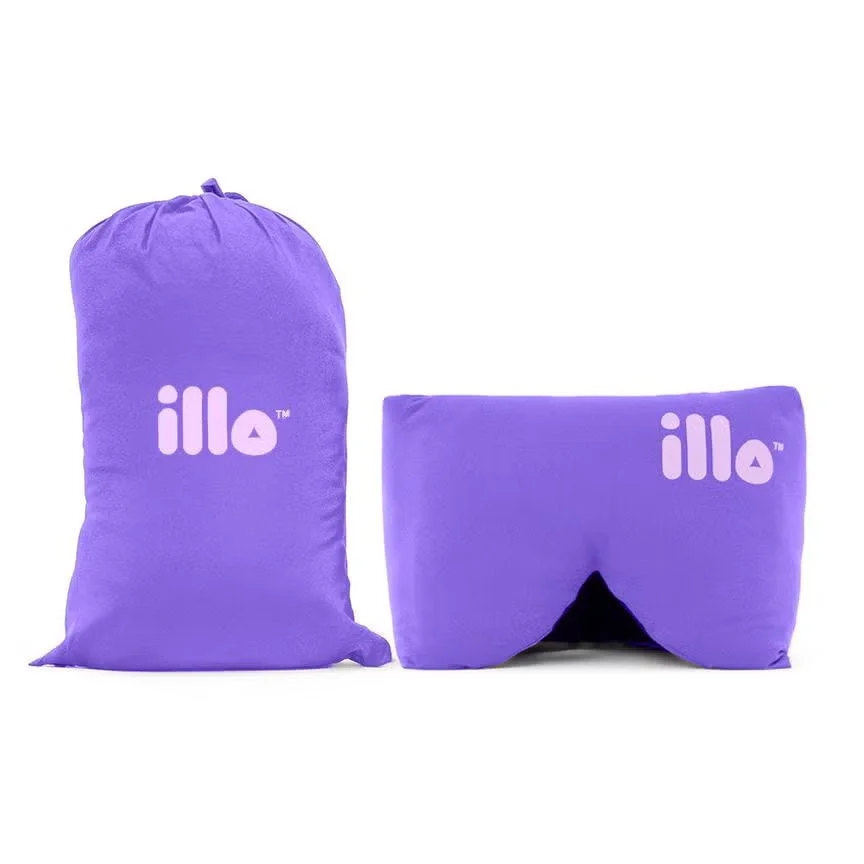
Illo Wearable Sleep Companion
Natrol Ultra Sleep 3-in-1 Gummies, 5mg Melatonin, GABA & Botanicals
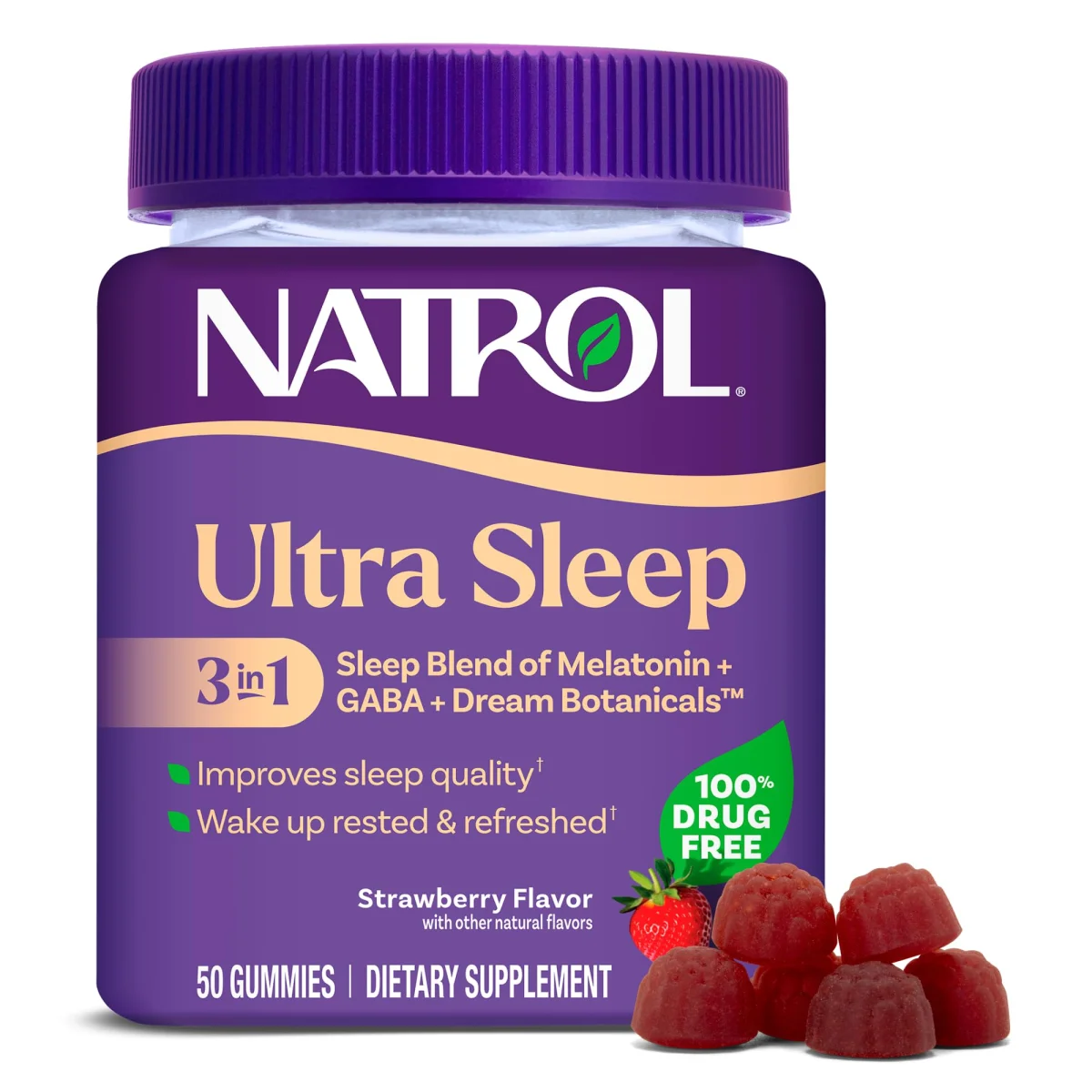 Listed at $10, reduced from $16 on Amazon; also listed for $10 at Walmart and $12 at Target.
Bearaby Overhead Hug ™ weighted pillow
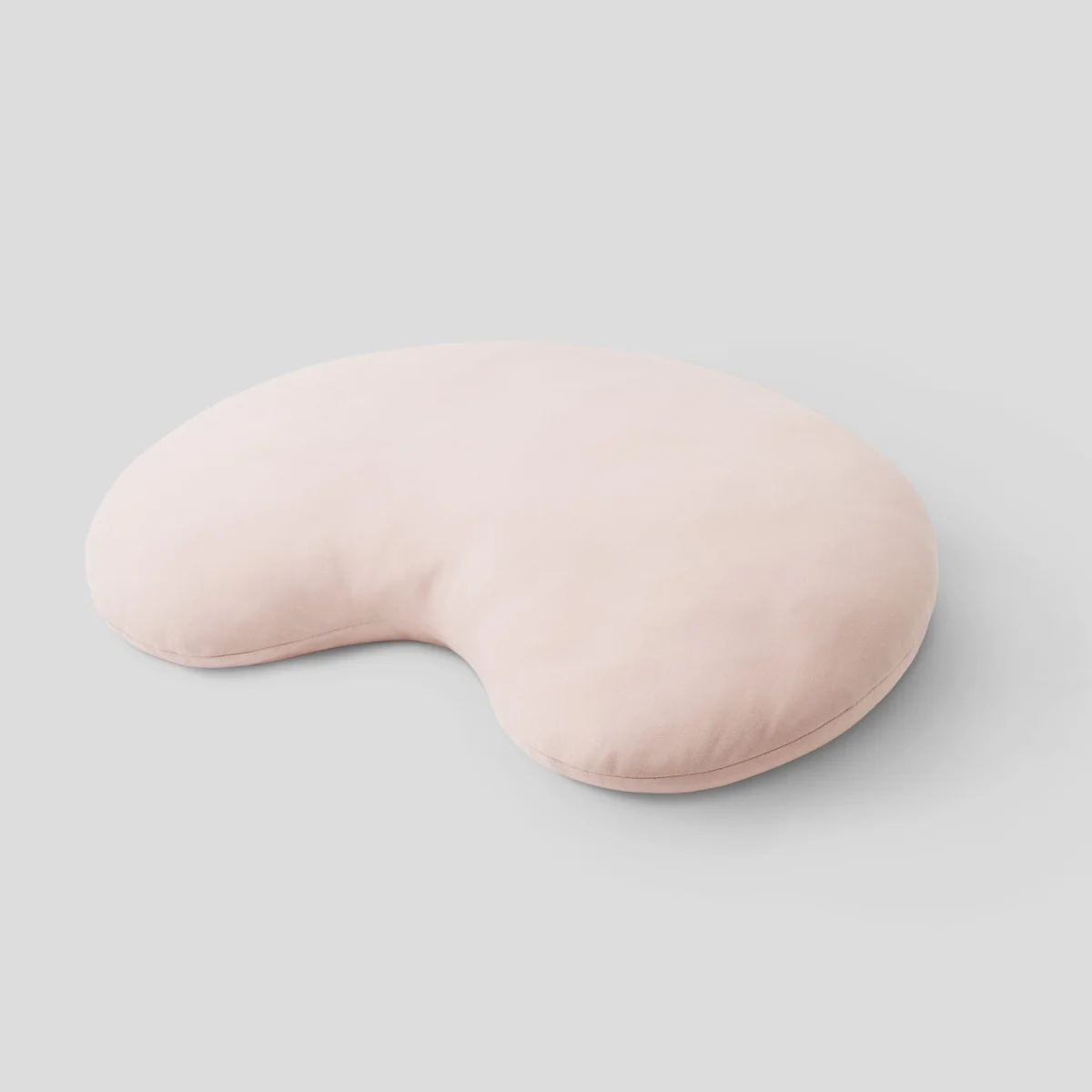 Listed at $139 from Bearaby.
BonWellness BonPatch SLEEP
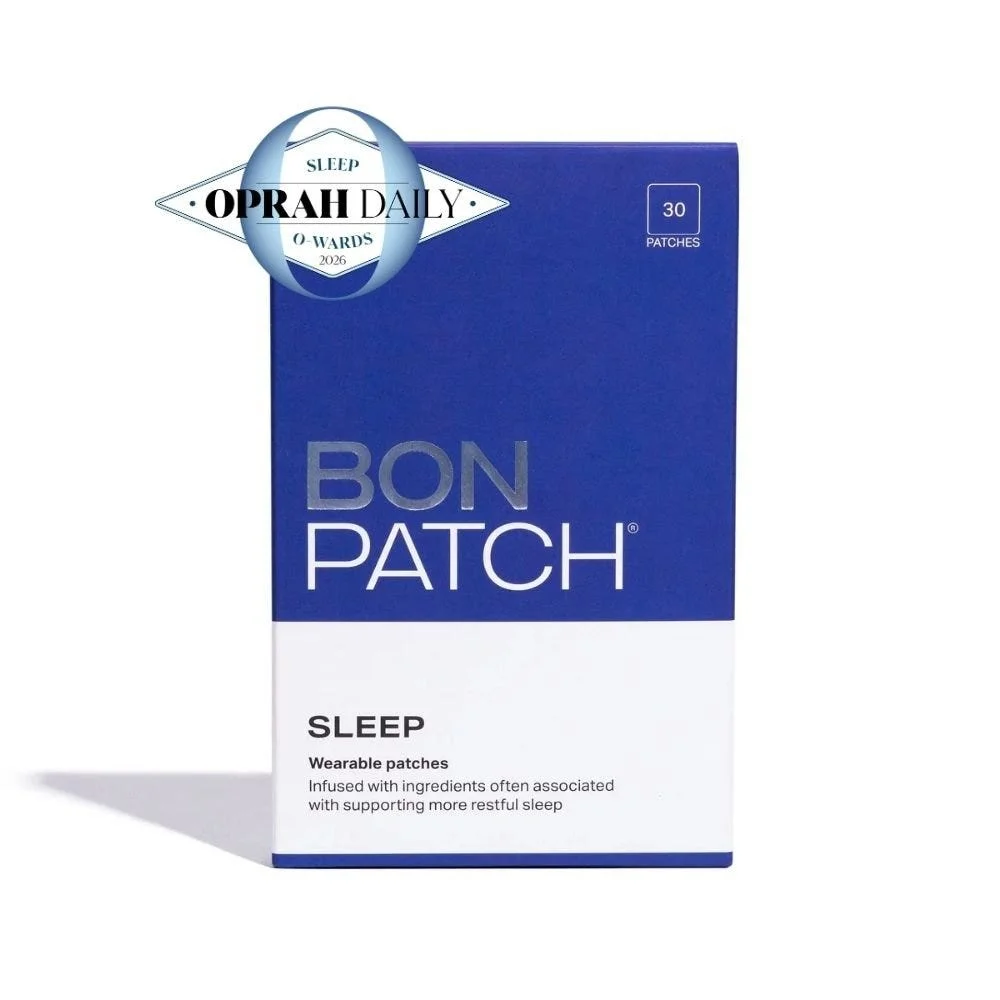 Listed at $8 from bonwellness.com.
Helight Helight Sleep light
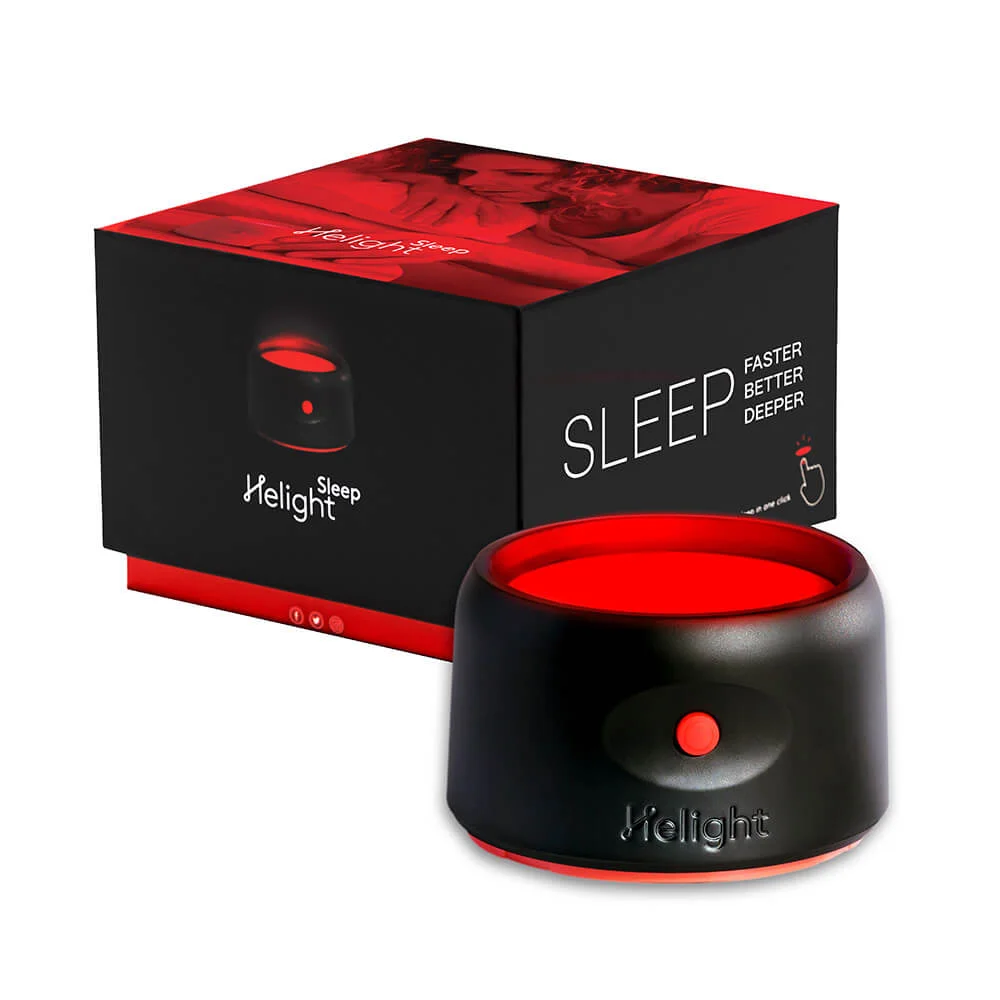 Listed at $139 from helight.com.
Cool Jams Cooling Pajama Separates
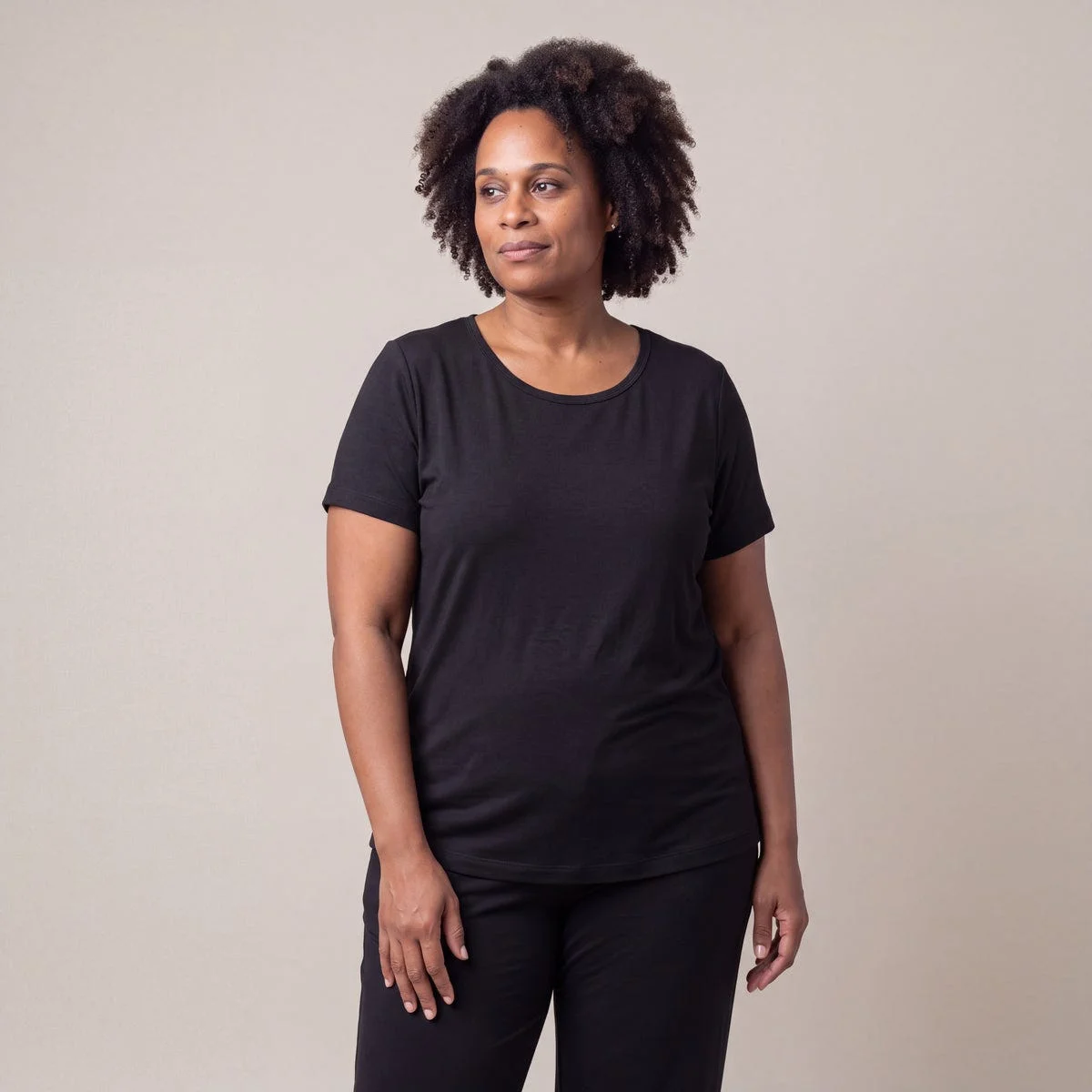 Listed at $138 from cool-jams.com.
The clearest takeaway is simple: keep a steady schedule and give yourself enough time asleep. REM tends to follow when total sleep is protected.