LED Face Masks: Wavelength, Dose and Fit Matter More Than Bulb Count
A practical guide to LED mask specs, from wavelength and light dose to fit and device-specific research, with five options and their listed prices.

When comparing LED masks, the most useful numbers are the ones that explain what light reaches the skin, how evenly it gets there and how much a session delivers. A long list of colors or a high bulb count can look impressive, but neither tells the whole story. The details to check are wavelength, intensity, total dose, coverage and research on the specific device.
Rachelle Reed, PhD, MS, ACSM-EP, head of scientific research and science communication at Therabody, says wavelengths are measured in nanometers (nm). Different wavelengths reach different depths and are associated with different potential effects. Her advice is to match a device’s wavelengths to the concern you want to address, then look for clinical research conducted on that device itself. General research on LED light doesn’t establish that every mask delivers the same exposure.
What the wavelength numbers tell you
These ranges describe common LED categories and the effects attributed to them in the source:
- Blue (450–495 nm): Acts nearer the skin’s surface and is associated with reducing acne-causing bacteria, regulating excess oil production and calming irritation.
- Green (495–570 nm): Is used with the aim of reducing visible redness, evening tone and diminishing the appearance of hyperpigmentation.
- Yellow or amber (570–590 nm): Is associated with soothing irritation and boosting circulation.
- Orange (590–620 nm): Is associated with calming redness and reducing puffiness.
- Red (620–700 nm): Reaches deeper than blue light and is used to support collagen production, with the aim of softening the appearance of fine lines and wrinkles.
- Near-infrared and deep near-infrared (700–1000+ nm): Are associated with collagen and elastin production, smoother-looking texture and cellular repair.
Those broad ranges are a starting point, not a guarantee of performance. A device’s exact output matters: a mask described as using red light may not deliver the same wavelength as the device used in a particular study. Ellis Tattersall, innovation manager at CurrentBody, points to 633 nm as a wavelength studied in relation to lines and wrinkles. He says the industry tolerance for LED bulbs can be around plus or minus 10 nm, which can leave a gap between a stated wavelength and the output of individual bulbs.
CurrentBody says its Veritace process tests each LED before it is installed and tests each finished mask afterward. The practical takeaway is to look for information about how a brand verifies its device’s output, alongside the wavelength printed on the packaging.
Intensity and dose complete the picture
Two other specifications help describe a session. Power density, measured in milliwatts per square centimeter (mW/cm2), indicates light intensity over an area. Fluence, measured in joules per square centimeter (J/cm2), describes the total light dose delivered during treatment. Intensity and treatment time work together to determine that dose, so a device with a higher output may be designed to deliver its intended exposure in less time.
More wavelengths don’t automatically mean better results, Reed says. A focused device with relevant wavelengths and evidence on its own design may make more sense than a model with a longer color list and little product-specific research. That distinction matters when brands make broad claims about what LED therapy can do: ask what the actual device has been tested for, and whether the study matches the wavelength and treatment setup being sold.
Coverage depends on placement and design
LED count is useful context, but it needs to be read alongside how those lights are arranged. Karen Chien, Therabody’s in-house esthetician, notes that the area being treated affects how many LEDs are needed. A neck device covers less surface than a full-face mask, for example. Placement, distance from skin, intensity and delivered dose all affect how consistently light reaches the treatment area.
Reed uses Therabody’s TheraFace Mask and TheraFace Mask Glo to illustrate the point. The former has more LEDs and can deliver the same clinically validated light in a shorter session; the latter has fewer LEDs and a slightly longer treatment time. The comparison suggests that designs can reach a similar dose through different combinations of bulb count and session length.
Material alone doesn’t settle the question of fit or performance, Chien says. A silicone mask may sit close to the face, while a structured hard-shell design can hold the LEDs at a consistent distance. Either approach depends on the full construction and its ability to distribute light evenly. When comparing masks, check how the device sits and whether its design appears to cover the areas you intend to treat.
Five devices, with listed wavelengths and prices
The product specifications below show why it helps to compare exact wavelengths instead of relying on color names alone. The listed figures and prices are those provided in the source.
- Therabody TheraFace Mask — $650: The product listing gives three wavelengths: red (633 nm), red plus infrared (830 nm) and blue (415 nm).
- CurrentBody LED Red Light Therapy Face Mask: Series 3 — $570: Its six listed wavelengths are red (633 nm), near-infrared (830 nm), deep near-infrared (1072 nm), blue (415 nm), green (532 nm) and yellow (590 nm). CurrentBody says the mask works with its app-based MyDose technology, which calculates a dose for each wavelength and session based on the selected treatment and combination.
- Ora Method LED Gua Sha — $299: The listing gives two wavelengths: red (630–633 nm) and infrared (830 nm).
- Wavytalk Sculpt Time — $399: Its four listed wavelengths are blue (415 nm and 465 nm), yellow (590 nm) and red (630 nm).
- INIA GLOW 4D Wireless Red Light Therapy Mask — $247: The listing names blue (470 nm), amber (590 nm), red (630 nm) and near-infrared (850 nm and 940 nm).
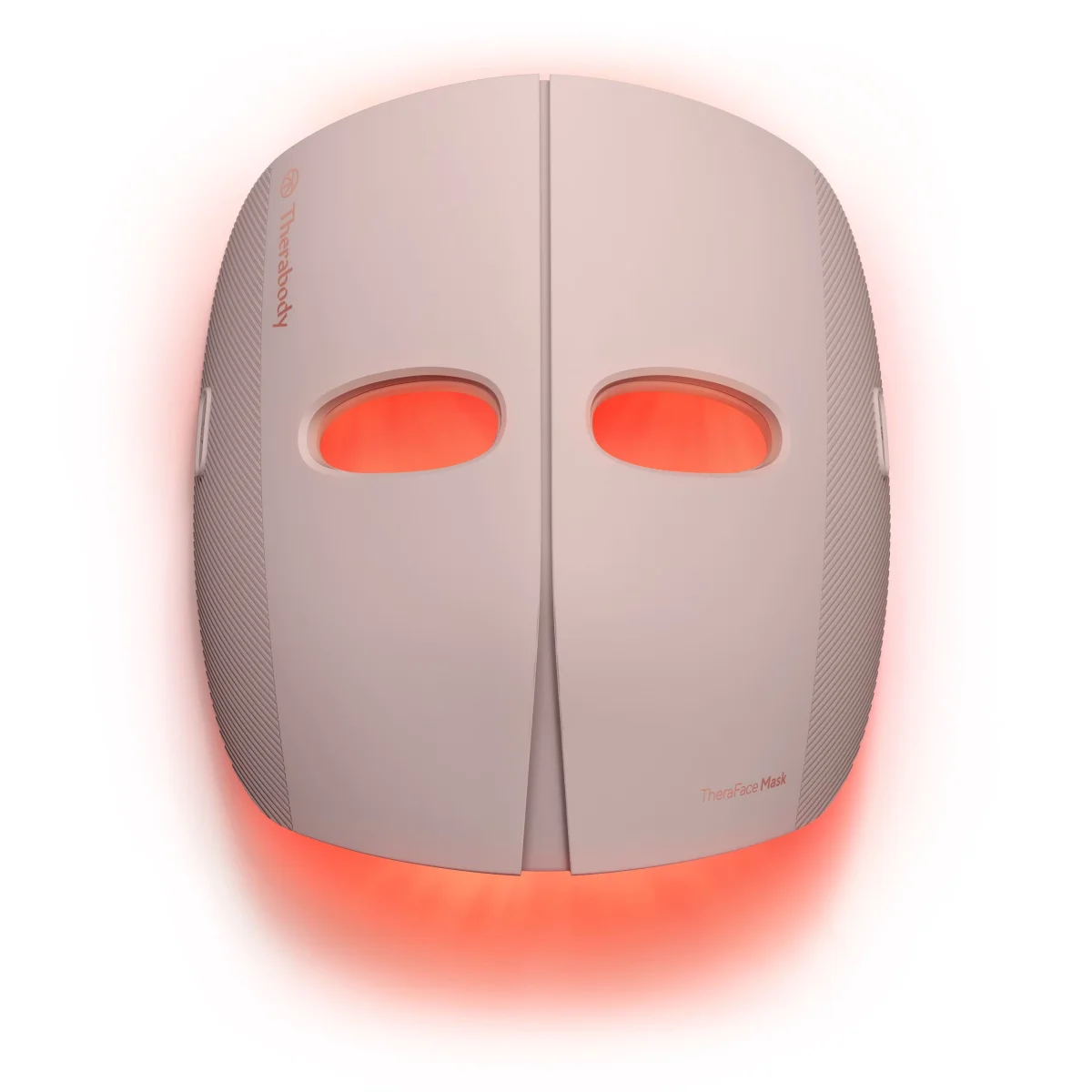
| Number of wavelengths | 3 |
| Wavelengths | red (633nm), red+infrared (830nm), blue (415nm) |
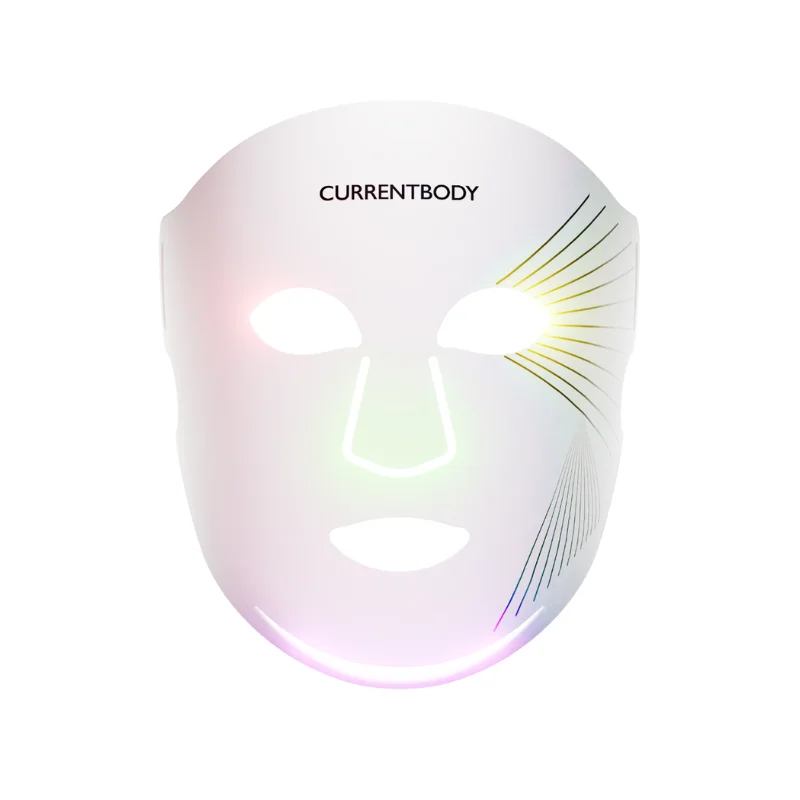
| Number of wavelengths | 6 |
| Wavelengths | red (633nm), near-infrared (830nm), deep near-infrared (1072nm), blue (415nm), green (532nm), and yellow (590nm) |
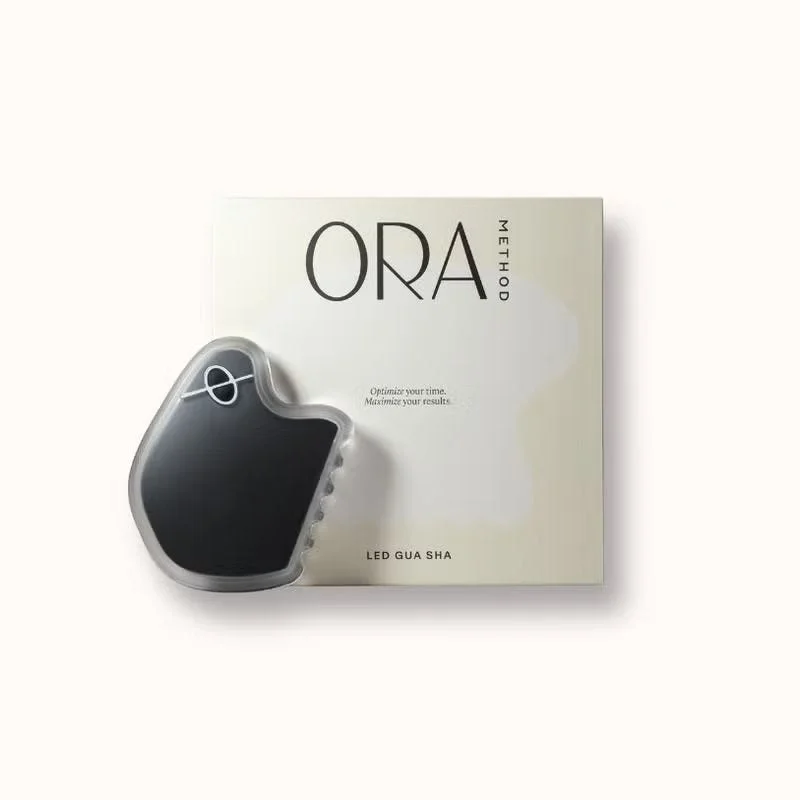
| Number of wavelengths | 2 |
| Wavelengths | red (630–633nm), infrared (830nm) |
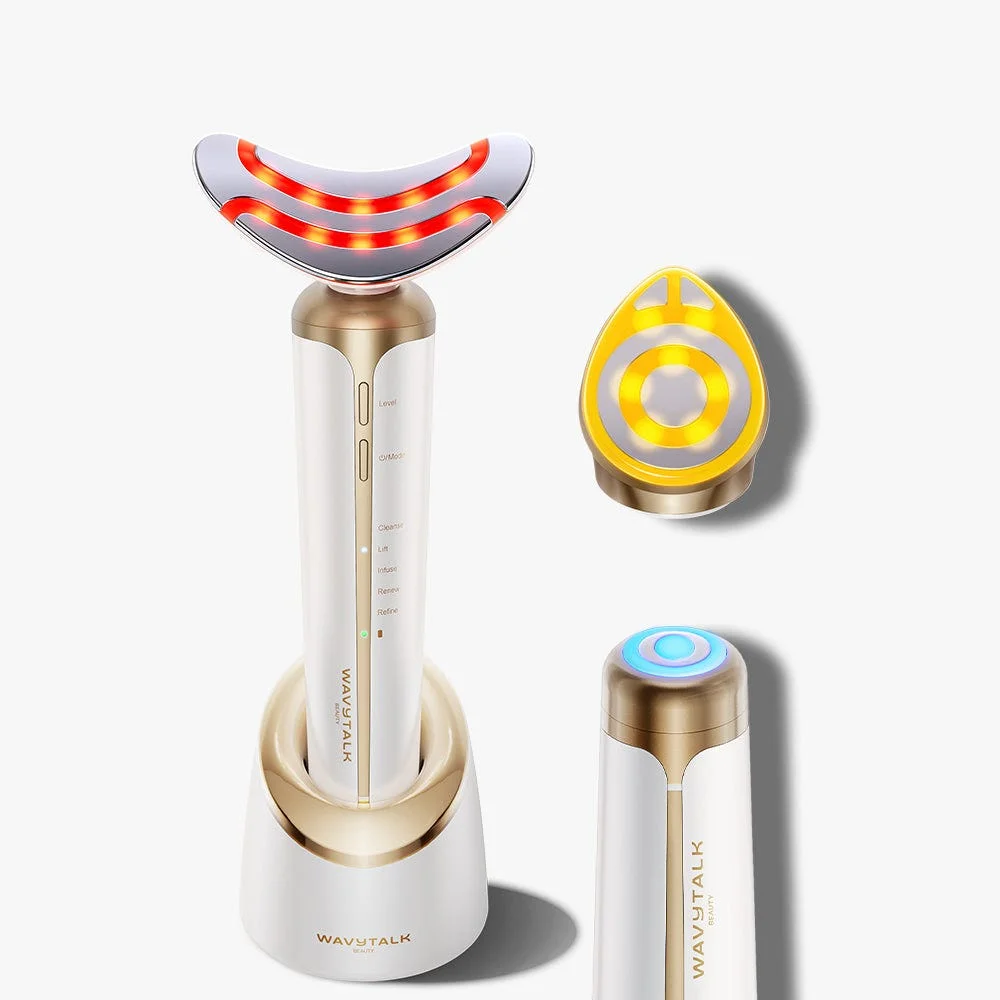
| Number of wavelengths | 4 |
| Wavelengths | Blue (415 nm, 465 nm), yellow (590nm), red (630nm) |
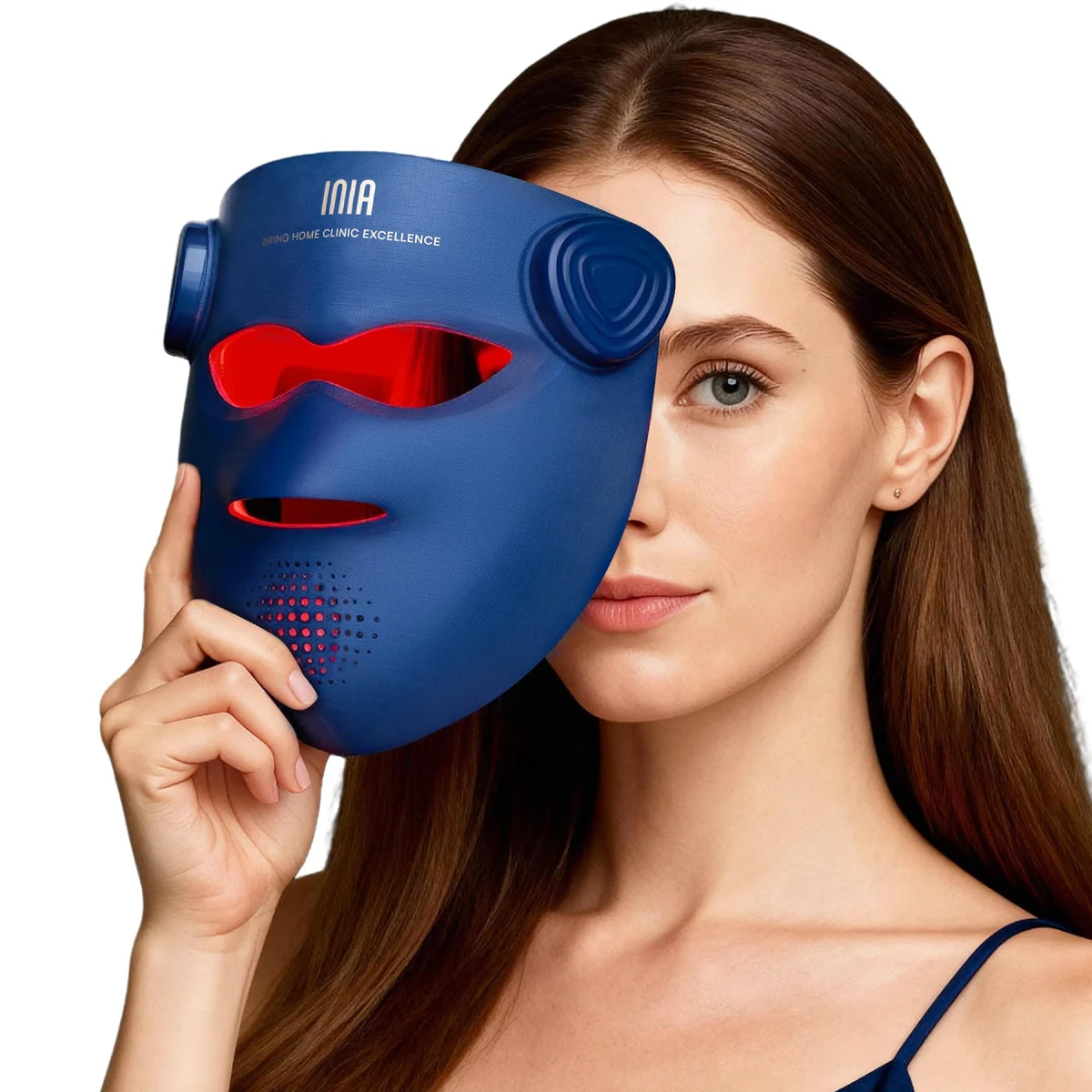
| Number of wavelengths | 4 |
| Wavelengths | blue (470nm), amber (590nm), red (630), near infrared(850nm+940nm) |
For a considered shortlist, start with the wavelength that matches your priority, then check the device’s reported intensity and dose, how it fits the treatment area and whether the evidence applies to that model. Those details give a more useful picture of a session than the number of colors on the box.