Hemorrhoid Care Gets a More Thoughtful Makeover, From Ingredients to On-the-Go Formats
The familiar active ingredients remain, while clearer packaging, portable formats and more open education are changing how people approach hemorrhoid care.

Hemorrhoid care is getting a refresh in how it looks, feels and fits into daily life. The active ingredients in many familiar treatments have stayed much the same, but newer packaging, clearer instructions and more varied formats are making the category easier to navigate. Brands including Norms, Megababe and Bummed are also bringing more conversation and education to a subject many people have been reluctant to discuss.
That shift matters because the problem is common, while the options can feel confusing. The newer approach treats comfort and usability as part of care: a cream or wipe is more likely to be useful if people understand what it does and can reach for it when symptoms arise.
What hemorrhoids are and what can bring on symptoms
Hemorrhoids are veins in the rectum and anal canal that have become dilated and engorged. Dr. Wendi LeBrett, a double-board-certified gastroenterologist and internal medicine doctor, founding partner and medical advisor for Norms, explains that internal and external hemorrhoids differ in their location relative to the dentate line and in the nerves that supply them. Internal hemorrhoids may bleed without causing much sensation. External hemorrhoids can be felt and may cause itching, irritation or pain.
Several everyday patterns can contribute to a flare-up. Dr. Carmen Fong, MD, FACS, FASCRS, chief medical officer for Bummed and a double-board-certified colorectal surgeon, names prolonged time on the toilet, straining, constipation or diarrhea, and extended sitting or standing. Long bicycle rides, plane journeys and car trips can also be risk factors for symptomatic hemorrhoids.
LeBrett explains that pressure in the pelvis or anal canal can reduce vascular flow and cause blood vessels to dilate. Age is another factor: connective tissue that anchors hemorrhoids can weaken over time. Cirrhosis may also affect blood return from the anorectal region.
Pregnancy and the postpartum period are common contexts for symptoms. LeBrett cites research estimating that as many as 86 percent of women experience hemorrhoids during pregnancy. A growing uterus can increase pelvic pressure; pregnancy-related constipation, which studies estimate affects around 40 percent of women, can add straining. Hormonal changes and pressure on the rectum can contribute to constipation.
Care starts with habits, then depends on symptoms
Estimates of symptomatic hemorrhoids range from 5 percent to 50 percent, a wide spread that Fong connects to people not reporting symptoms or seeking care. She uses the shorthand “50 percent by the age of 50,” while estimating 25 percent by 25 and 35 percent by 35, based on what she sees in practice. LeBrett says hemorrhoids affect about one in four adults worldwide, with reports suggesting that half of adults over 50 have experienced them.
Both experts put conservative care first. LeBrett recommends a fiber-rich diet, enough fluids, and measures that help keep bowel movements soft and easy to pass. Guidelines recommend 25–30 grams of fiber a day; most Americans do not meet that goal. Psyllium supplements, a stool softener or an over-the-counter laxative may also be options when appropriate. A Squatty Potty stool elevates the legs and can help straighten the rectum during a bowel movement.
Fong also suggests drinking water, staying active, increasing fiber and reducing time spent sitting or straining. For active symptoms, a topical ointment may address itching, bleeding and swelling. If that’s not enough, colorectal surgeons can consider procedures ranging from banding, injection and infrared coagulation (IRC) to laser treatment, transanal hemorrhoidal dearterialization (THD) or excision. Fong says most people don’t need excision. LeBrett adds one practical bathroom adjustment: put away electronics to avoid lingering on the toilet.
Rectal bleeding or pain that doesn’t improve should be evaluated by a doctor rather than treated indefinitely at home. That guidance is part of the more useful education now appearing alongside product choices.
The formula is familiar; the experience is changing
LeBrett says the core ingredients remain largely consistent because they work. Protectants, lidocaine for pain and itching, phenylephrine to temporarily reduce swelling, and witch hazel have decades of safety data behind them and are regulated by the FDA. Fiber, hydration and bathroom habits remain central, too.
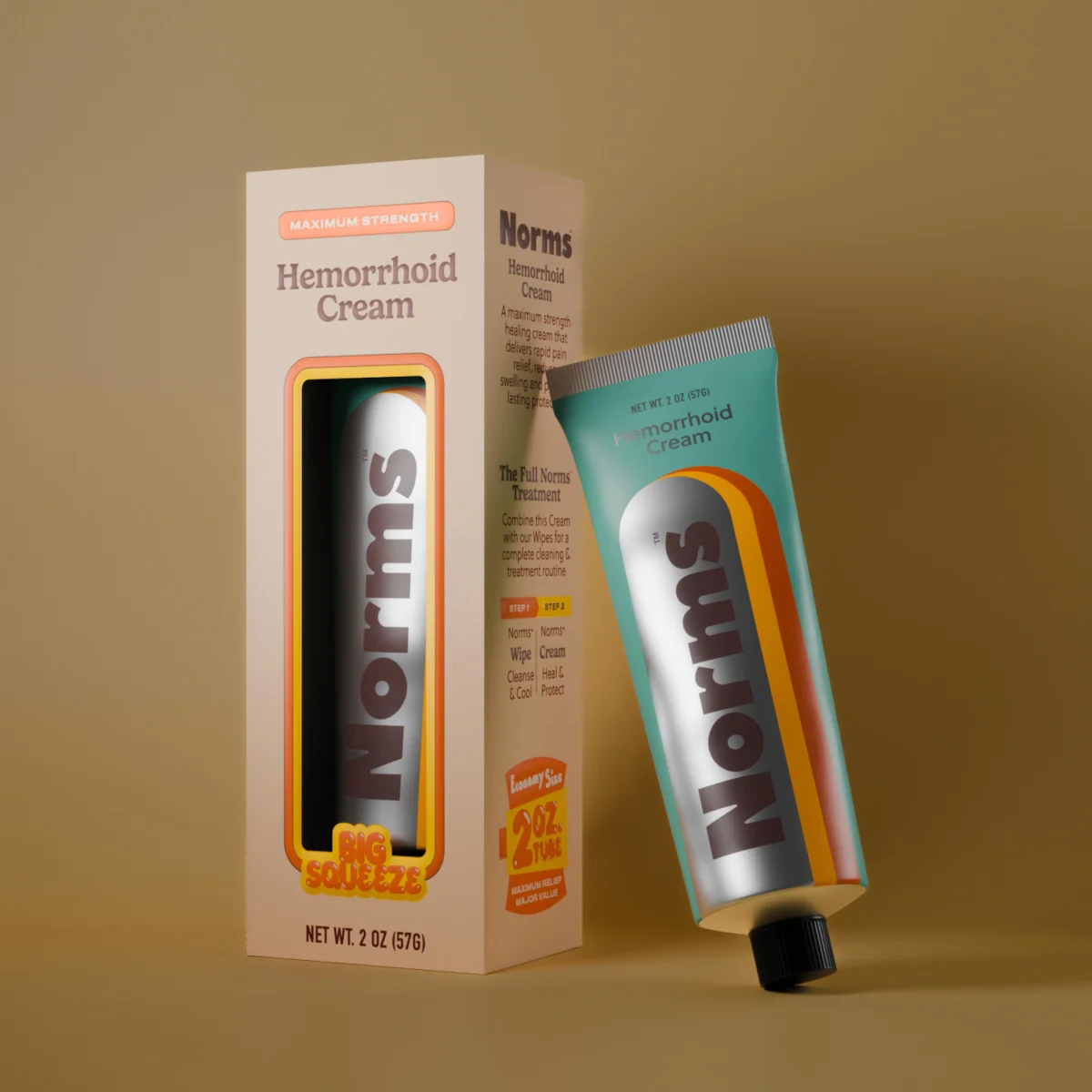
The change is more visible on the shelf. LeBrett recalls rows of similar yellow boxes that offered little help choosing a product or understanding how to use it. Newer packaging tends to use clearer names and plain directions, giving shoppers a better sense of what each option is for.
Formats have expanded beyond creams. Wipes and sprays suit people who prefer not to apply an ointment, while portable products can travel to work or on a trip. Norms recently introduced Squeezies, single-use sachets designed to go in a bag. LeBrett’s point is practical: symptoms don’t wait for someone to get home, and a format that’s easy to carry may be easier to use when needed.
Fong describes a broader shift in procedural care, too. Complete excision of all three hemorrhoidal columns has been a standard surgical option for advanced symptoms, but she notes that it can involve substantial pain and scarring. She says practitioners now have a better understanding of hemorrhoid anatomy, physiology and the pelvic floor, alongside less invasive procedures and topical compounds that aim to address the underlying issue.
New brands bring different routes into the category
Norms focuses on familiar, FDA-regulated ingredients presented with clearer product guidance. LeBrett says traditional treatments often left people without a roadmap for what to use and when. In her view, the category has also offered limited formats and has historically been designed with men in mind, despite the need for care during pregnancy and postpartum. Norms products are available in doctors’ offices as well as through other channels, which can give patients a way to leave with a product after an appointment.
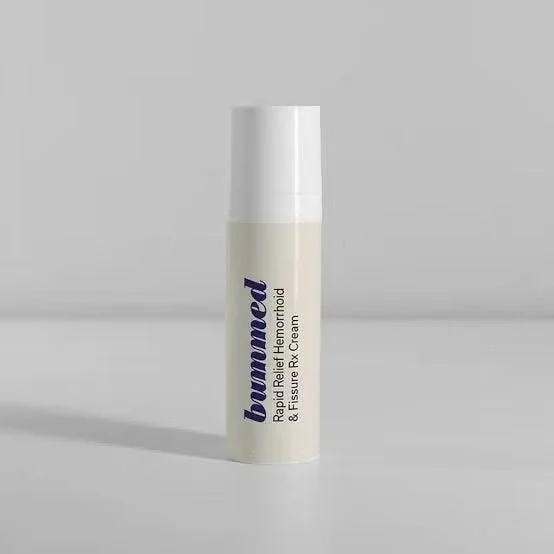
Bummed takes a prescription-based approach. Co-founder and CEO Jennifer Dwork says the brand offers compounded creams that were traditionally available through specialists, with access through medical providers on its site when they consider a treatment appropriate. Its formulations include prescription ingredients such as diltiazem, which Dwork says is clinically proven to heal up to 91 percent of fissures. Some formulas combine lidocaine and bupivacaine for pain relief, hydrocortisone to reduce swelling and irritation, and metronidazole to treat infection. Other formulations use nitroglycerin or nifedipine, depending on symptoms and medical history.
These prescription products differ from over-the-counter creams, which Dwork describes as offering symptom relief without healing the underlying issue. The distinction makes professional assessment and product directions especially relevant. The right route depends on the symptoms and a medical provider’s judgment.
Why butt care is getting more attention
LeBrett sees people asking about ingredients with the same curiosity they bring to skincare. She compares perianal skin with the thin, sensitive skin under the eyes or around the lips, and says people are extending personal care beyond the face. Fong puts the appeal simply: pain can make daily life miserable, so it makes sense that self-care now includes this part of the body.
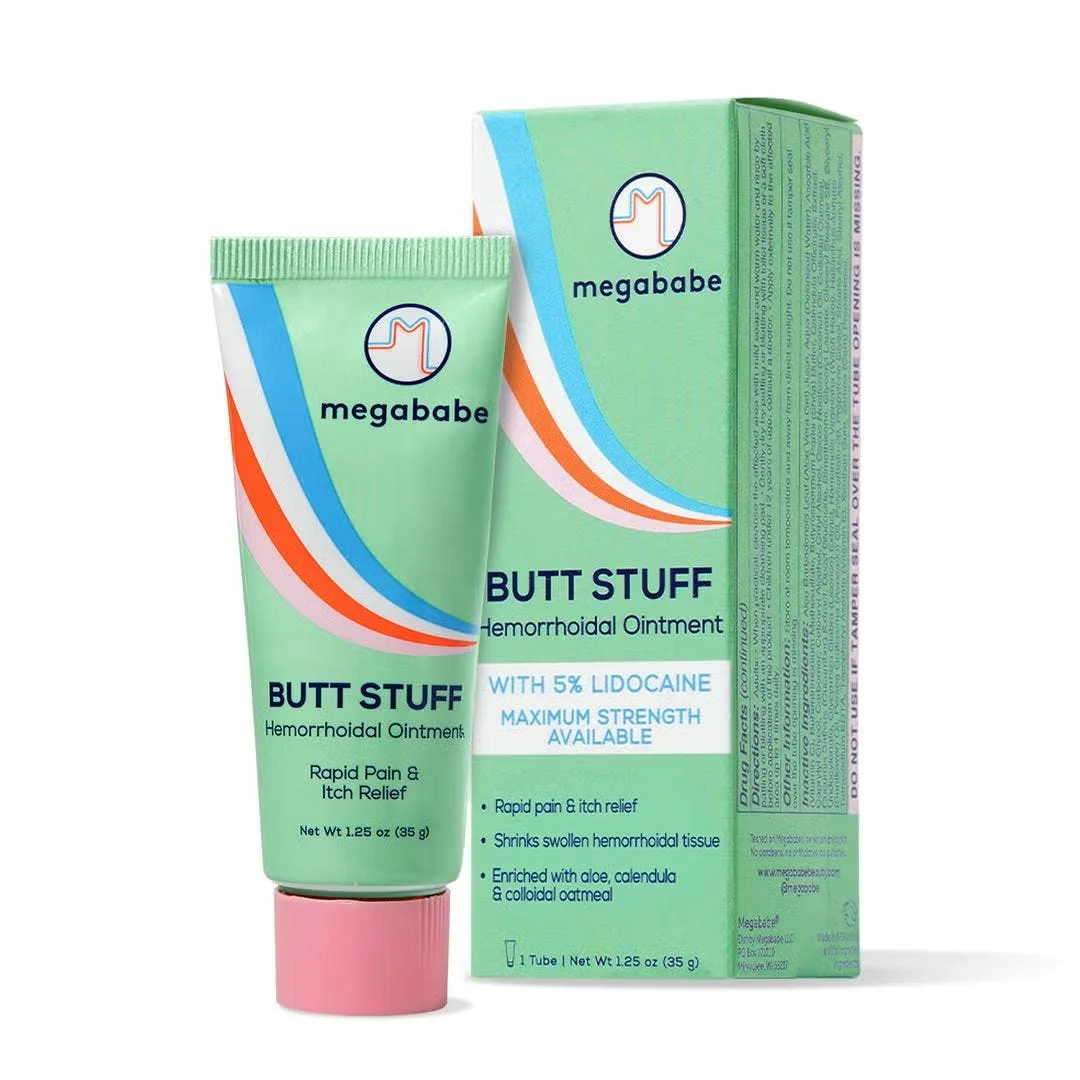
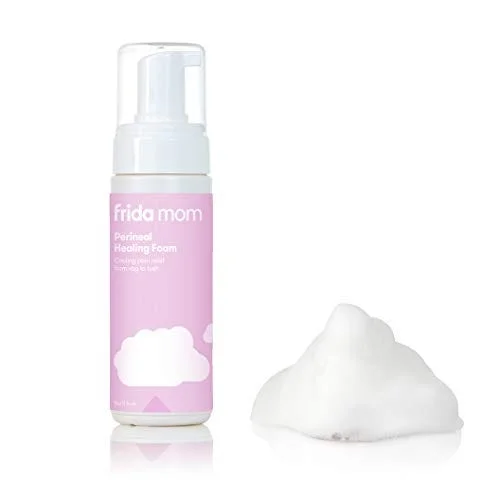
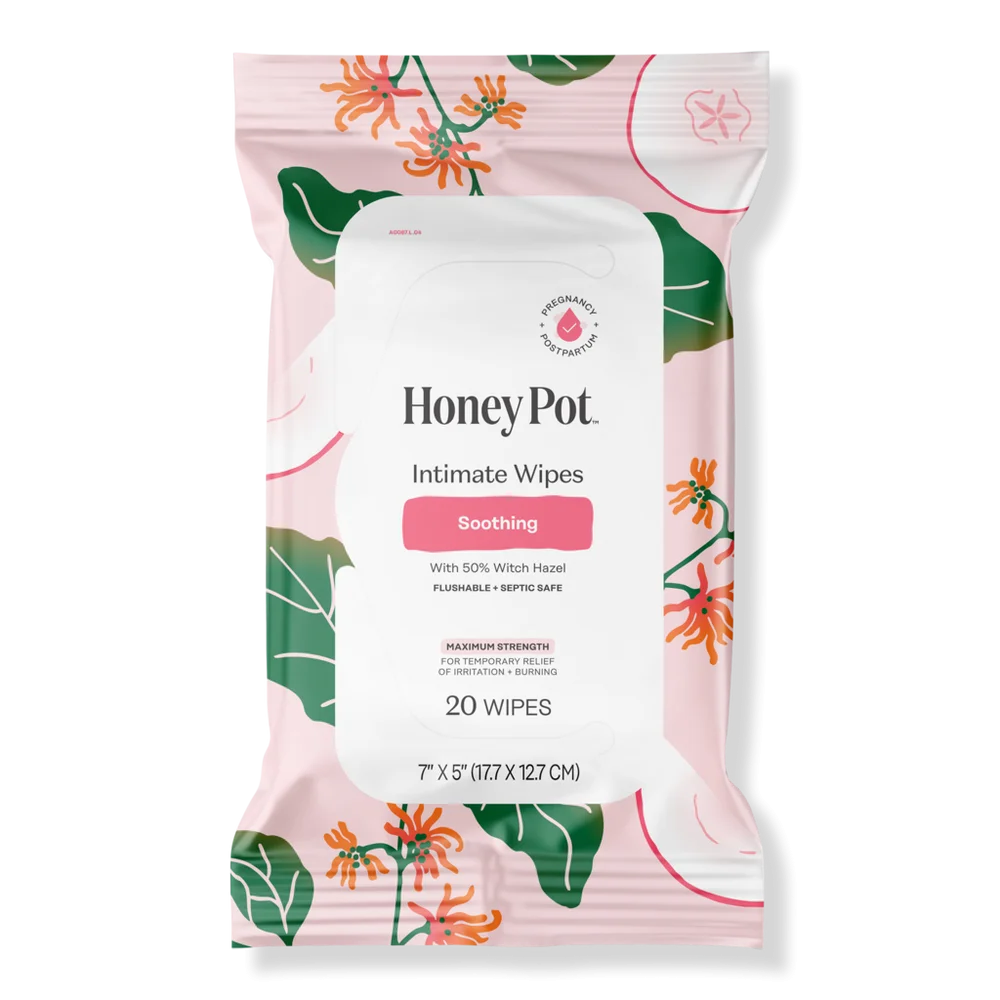
The products featured here show how that new attention translates to the shelf. Norms Big Squeeze Hemorrhoid Cream, 5% Lidocaine, is listed at $30, reduced from $60. Bummed Rapid Relief Prescription Hemorrhoid & Anal Fissure Cream is listed at $65, reduced from $114. Megababe Hemorrhoidal Ointment, Max Strength Rapid 5% Lidocaine, is $28; Frida Mom Perineal Medicated Witch Hazel Healing Foam is $12; and Honey Pot Soothing Intimate Wipes are $10. Prices and availability can vary by retailer.
The category’s refresh is less about new active ingredients than about making care easier to understand, carry and discuss. With clearer labels, more formats and accessible education, shoppers have more ways to find an option that suits their needs—and a clearer signal about when symptoms call for medical attention.