Hair Mask vs. Conditioner: How to Tell What Dry or Damaged Hair Needs
Tangles may call for richer conditioner; rough ends and breakage can point to a mask. Two stylists share cues for choosing and applying each.
The difference between a hair mask and a better conditioner comes down to what your hair is telling you after wash day. Conditioner is the regular step for slip and moisture; a mask is a more intensive option when ends stay rough, tangles persist, or color and heat styling have left hair prone to breakage. Picking the right one can be simpler than adding both to an already crowded shower shelf.
Franck Izquierdo, co-founder of IGK Hair Care, and celebrity stylist Garren, co-founder of R+Co and R+Co BLEU, say to assess how hair feels when it’s clean, dry, and styled. Their advice starts with the basics of the routine: cleansing gently, using products suited to your hair, and noticing whether conditioner can release tangles.
Read the signs after wash day
If hair is generally healthy but feels dry or knots up each time you wash it, Izquierdo suggests trying a conditioner with more moisture. He recommends IGK Legendary Hydrating Conditioner as an everyday option. If the ends still feel rough after conditioning, or you’re seeing breakage associated with color or heat styling, he says to add a treatment rather than simply applying more conditioner.
Garren suggests checking the full wash-and-style routine before making a change. Pairing a shampoo and conditioner designed for your hair type can help you get a clearer read on what your strands need. He compares mixing products from different lines to “scrambled eggs,” and recommends starting with a shampoo-and-conditioner combination that suits your hair.
Then look at the ends once hair is dry and styled. If they appear frayed or separated, or still look and feel dry, Garren says it may be time to consider a mask or professional treatment. That distinction is useful: a temporary feeling of dryness after washing may call for a more moisturizing conditioner, while persistent roughness and visible wear suggest a richer step could be worth trying.
Technique matters as much as the product
How you shampoo affects how your hair feels afterward. Garren advises putting shampoo in your palm and working it through the hair to cleanse the scalp, letting the residue clean the mid-lengths and ends. Rinse thoroughly before conditioning so shampoo is fully removed.
Keep the movement gentle. Garren likens washing hair to cleaning a cashmere sweater: rough handling can disturb the fibers and leave them feeling fuzzy. Vigorous rubbing between the hands isn’t needed for a proper shampoo routine, he says. A gentler approach also makes it easier to notice the hair’s condition rather than adding friction to the wash itself.
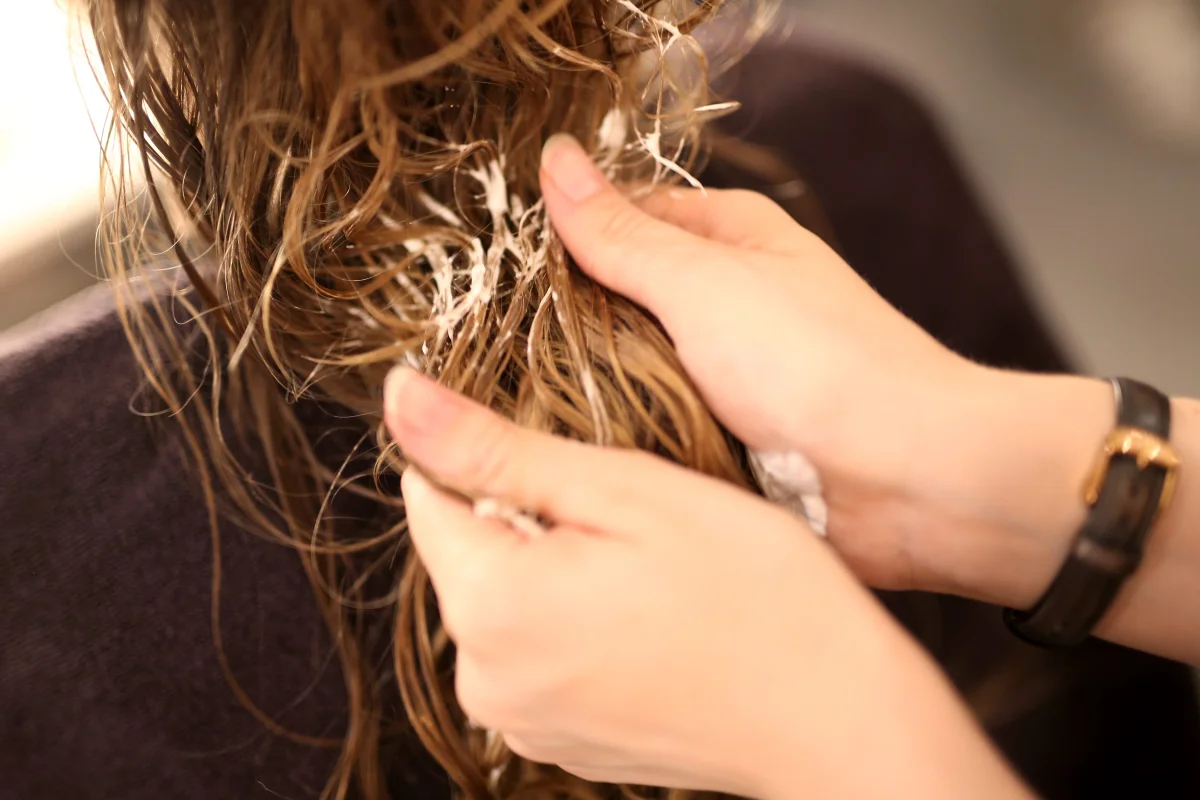
For conditioner, Garren recommends emulsifying the product and working it through the hair with your fingers, as if they were a comb. Pay attention to how easily your fingers move. If conditioner isn’t releasing tangles and your fingers keep catching, he says that’s a cue to try a full mask treatment. In other words, the rinse-out step offers a practical test: if the product can’t provide enough slip for detangling, a more intensive formula may fit the routine better.
When processed hair needs extra attention
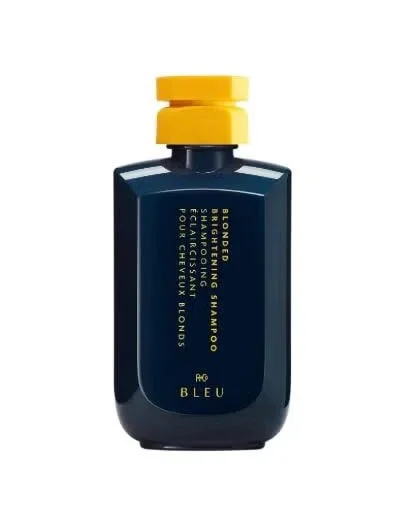
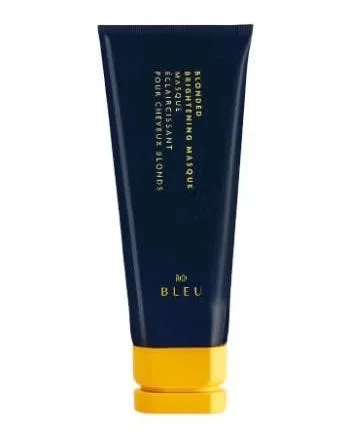
Hair that has been bleached or chemically treated is more prone to dryness and damage, so Garren says masks can be a frequent part of its care. In the R+Co BLEU range, Blonded Brightening Shampoo is paired with a masque rather than conditioner. His reasoning is that bleached or highlighted hair needs extra nourishment at the ends.
For an overnight option, Garren recommends R+Co Bleu Sleep Mask Night Repair Serum on damp, towel-blotted hair. People with long hair can twist it into a scrunchie before bed, then let it down in the morning. He says the routine leaves hair conditioned and treated, with waves. It offers another way to fit care into a schedule, though it doesn’t replace choosing a wash-day conditioner that helps detangle.
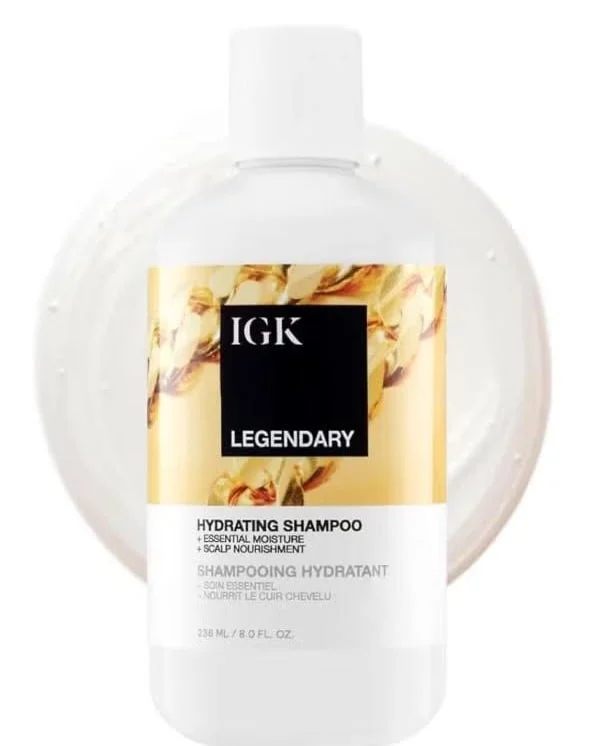
Products mentioned in the routine include hair products for styling, hair masks for fine hair, and straightening treatments. For a more moisturizing wash-day pairing, Izquierdo names IGK Legendary Hydrating Conditioner; the product listings below also include IGK Legendary Hydrating Shampoo.
For highlighted or bleached hair, the R+Co BLEU Blonded Brightening Shampoo and BLONDED Brightening Masque are the pairing Garren discusses. The R+Co Bleu Sleep Masque Night Repair Serum is his overnight suggestion. The list also includes IGK Antisocial Midnight Silk Mask. Prices and retailer links appear with each product.
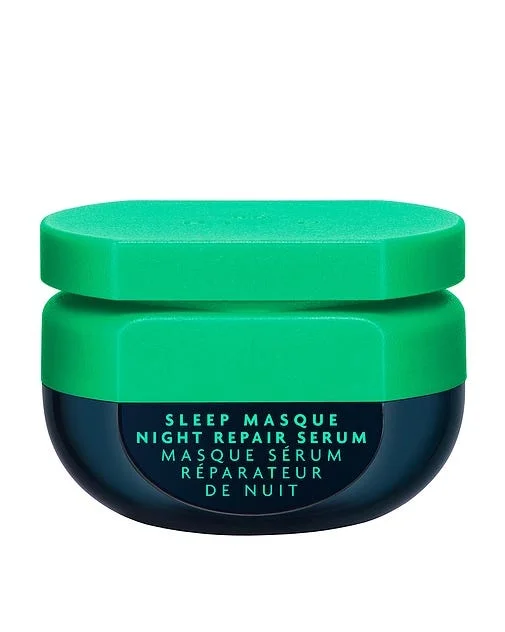
R+Co Bleu Bleu Sleep Masque Night Repair Serum
$120 at Amazon · $120 at Revolve · $120 at Saks Fifth Avenue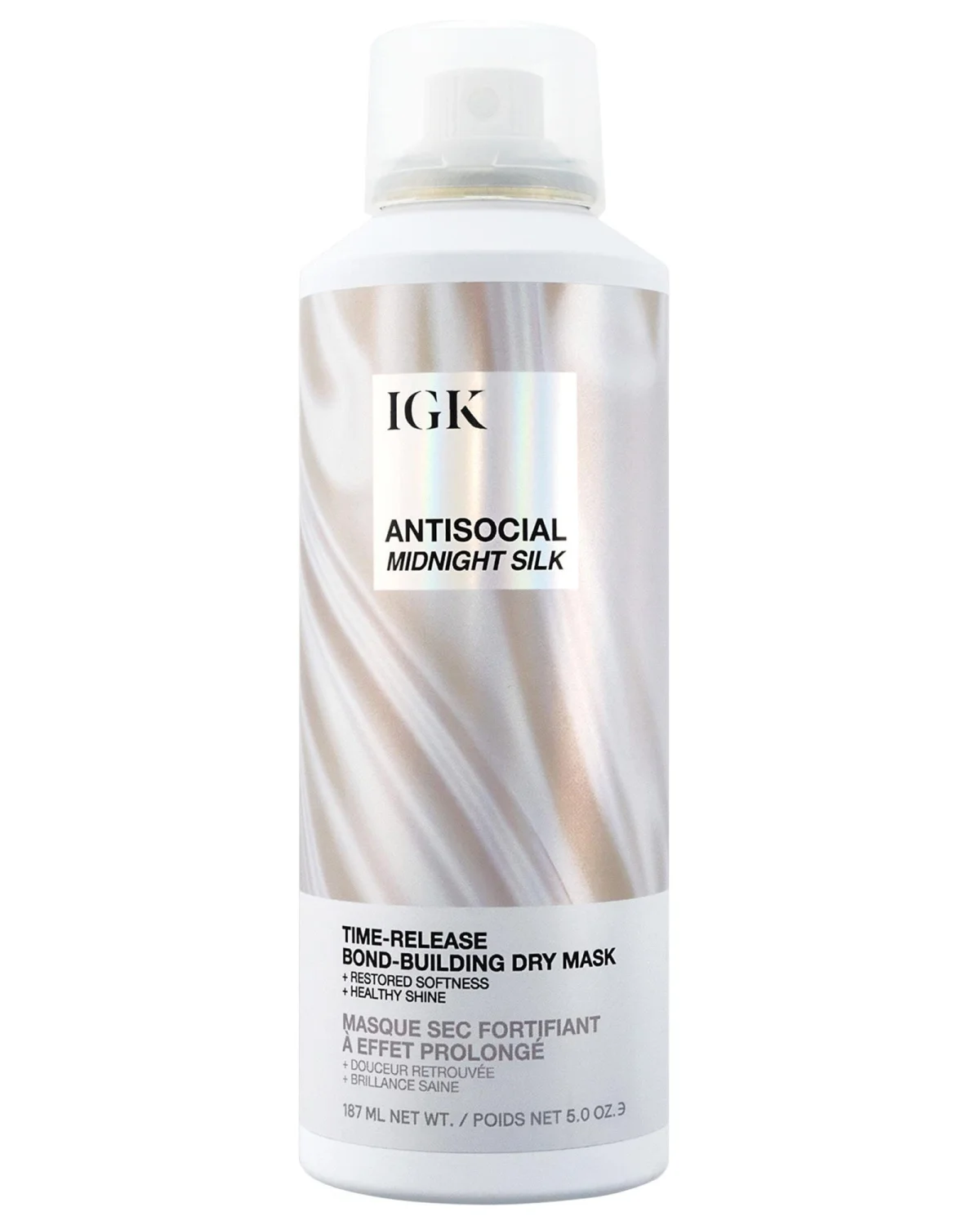
The useful takeaway is to let the hair’s response guide the choice: start with a conditioner that helps with dryness and detangling, then consider a mask when rough, separated ends or persistent snags remain. Whatever the product, gentle washing and careful application give it a better chance to do its job.