The Soft Cat Eye Is Taking Over: Try a Diffused Brown Wing
Make the classic cat eye softer with brown liner, subtle shadow and a lifted shape tailored to your eye.
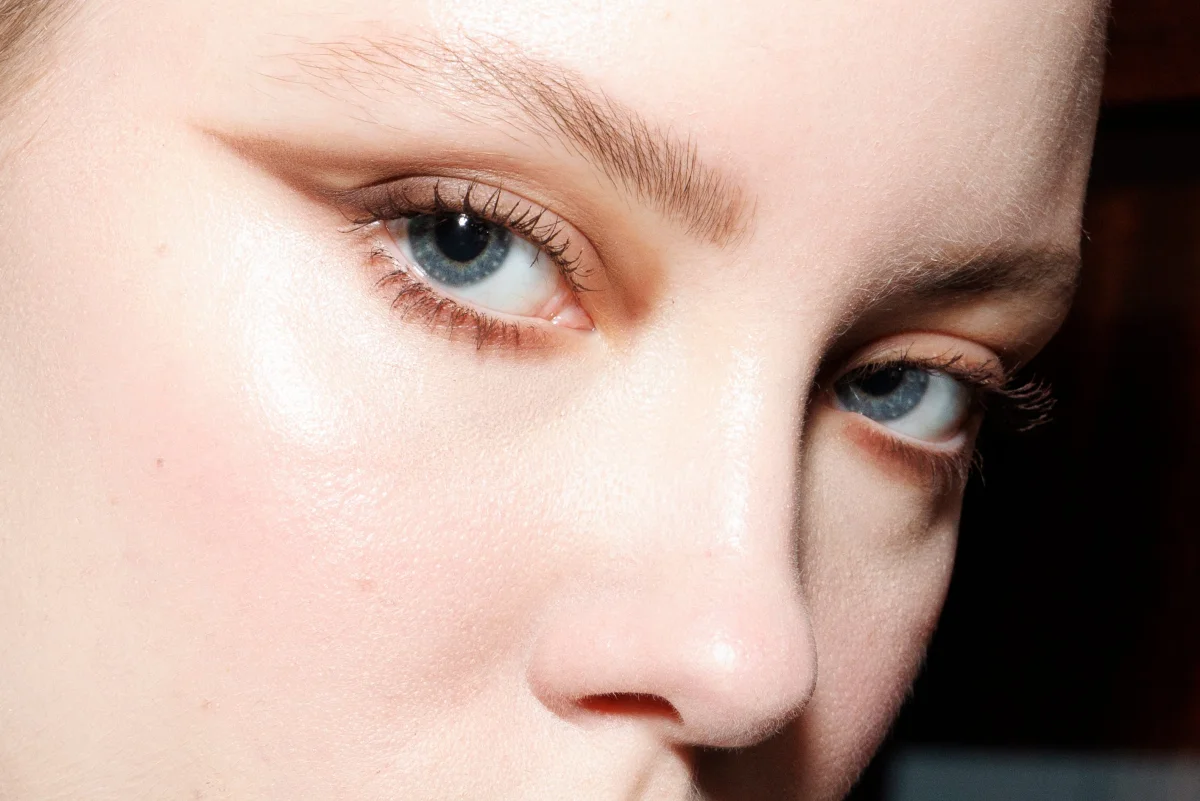
The cat eye is keeping its lift, but losing its hard edge. The emerging take on the classic favors blurred brown liner, subtle shadow and a shape built around the wearer’s eye. It still elongates the outer corner; it just doesn’t announce itself with a crisp black line.
Celebrity makeup artist Melissa Hurkman, whose clients include the Kardashians and Cindy Crawford, describes the shift as a move away from sharp, structured wings. “The shape is still elongated and lifted, but the edges are more diffused,” she says, so the eye looks defined without a heavy outline.
That change makes the cat eye feel more flexible. A precise flick can be striking, but it asks for a clean line and a clear shape. A softened version keeps the familiar outward sweep while letting liner or shadow blend into the lash line. The result reads as lived-in and modern, with less emphasis on drawing a visibly separate wing.
From classic wing to ghost wing
Hurkman sees the next iteration combining a smudged cat eye with what’s being called a ghost wing: a taupe-toned, diffused approach that suggests lift through placement and shading. The defining detail is almost an absence of detail. Instead of tracing a graphic point, the makeup creates shape and dimension, with the edges kept soft.
Soft brown liner is central to that effect. Hurkman likes it in place of traditional black because it can still define and elongate the eye while blending into the lashes. A smoky chocolate shade gives the outer corner structure without making the line the main event. Taupe shadow offers an even quieter route, especially when applied with a small brush and blended until the outline is difficult to pick out.
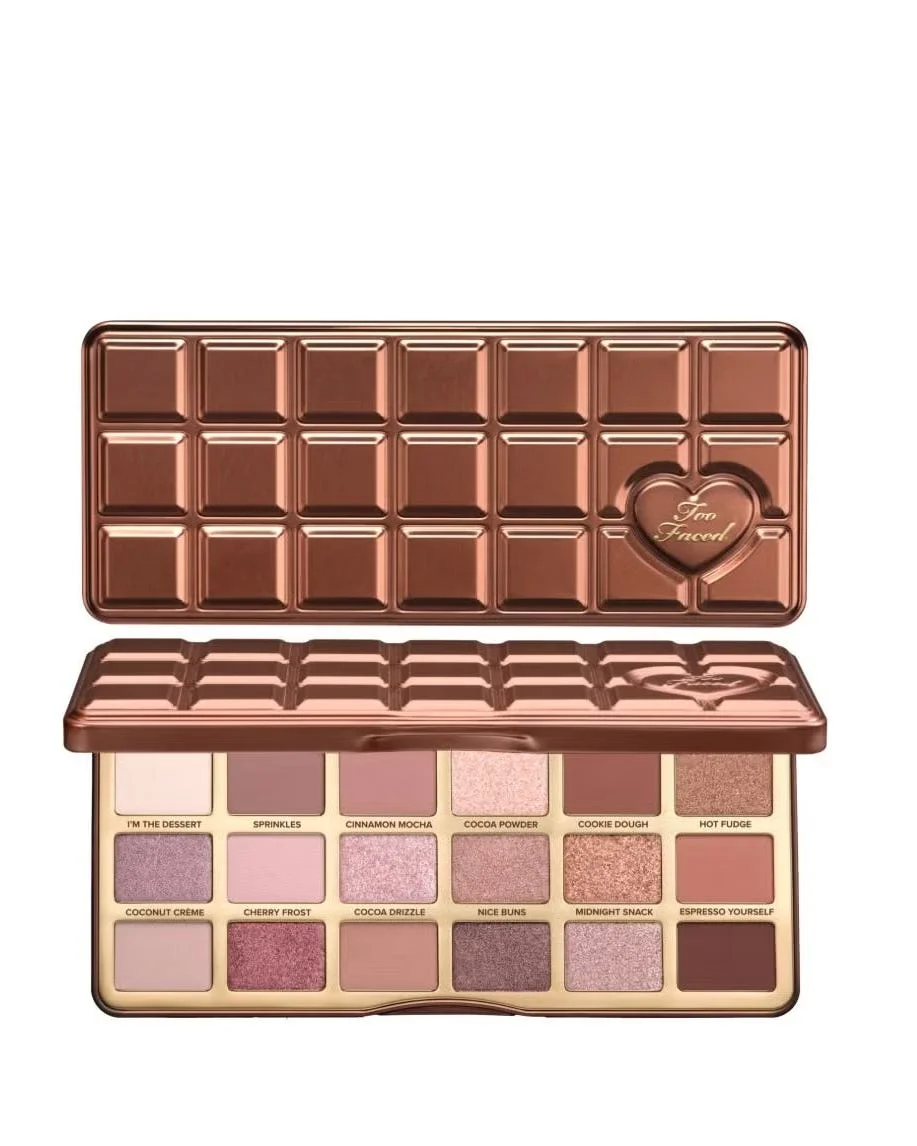
Too Faced’s head of global makeup, Elyse Reneau, sees room for both a smudged, lived-in shape and a small, restrained wing. She says the broader change is a move away from one template for every eye. The goal is to adapt the placement to individual features, whether that means a softly diffused chocolate brown, a barely visible flick or shadow concentrated in a particular area.
That perspective matters for hooded eyes, too. Reneau’s advice is to create a flattering version for the eye in front of you, rather than trying to copy someone else’s wing. A shape that looks lifted on one person may need different placement on another; the source of the effect is strategic definition, not a fixed angle or size.
Build the shape at the outer corner
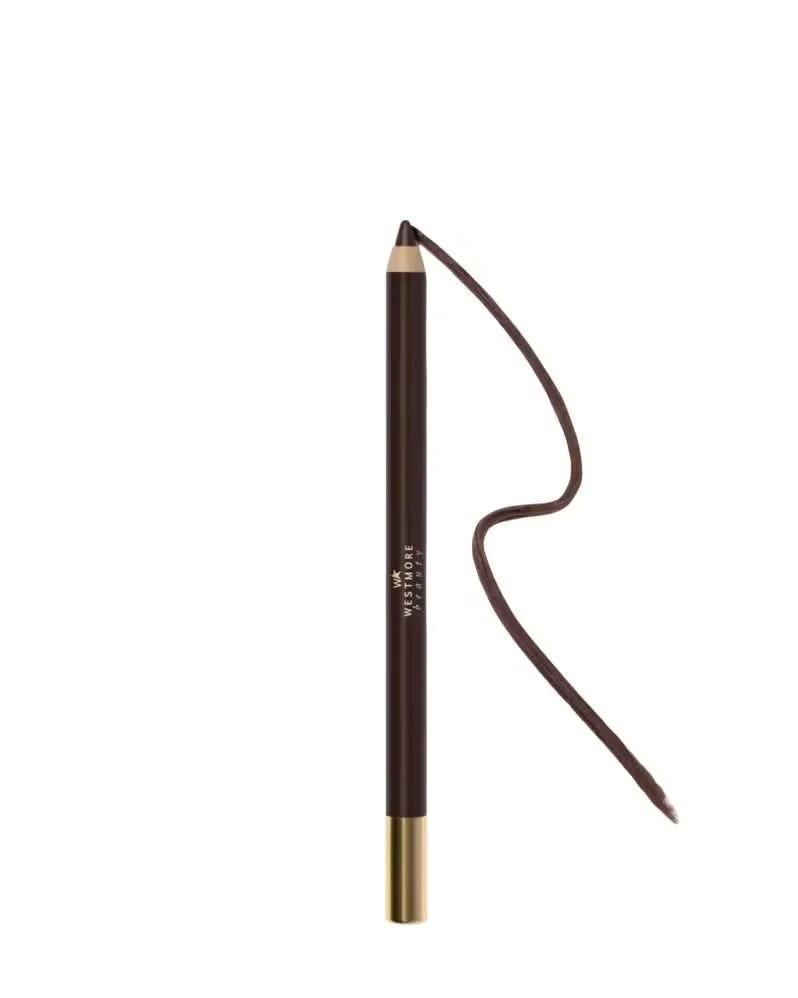
Hurkman’s method starts with Westmore Beauty’s Lasting Effects Soft Glide Eyeliner in Rich Brown. Apply it close to the upper lash line, concentrating most of the product on the outer third. Then use a small angled brush to diffuse the color outward and slightly upward. That short sweep creates the impression of elongation while keeping the edge soft.
Keep the inner corner nearly bare and let the definition gather toward the outside. Hurkman’s useful test is whether the liner appears to grow naturally from the lashes. If it reads as a separate, sharply drawn wing, blend the edge further or reduce the product. The aim is a suggestion of direction, not a bold outline.
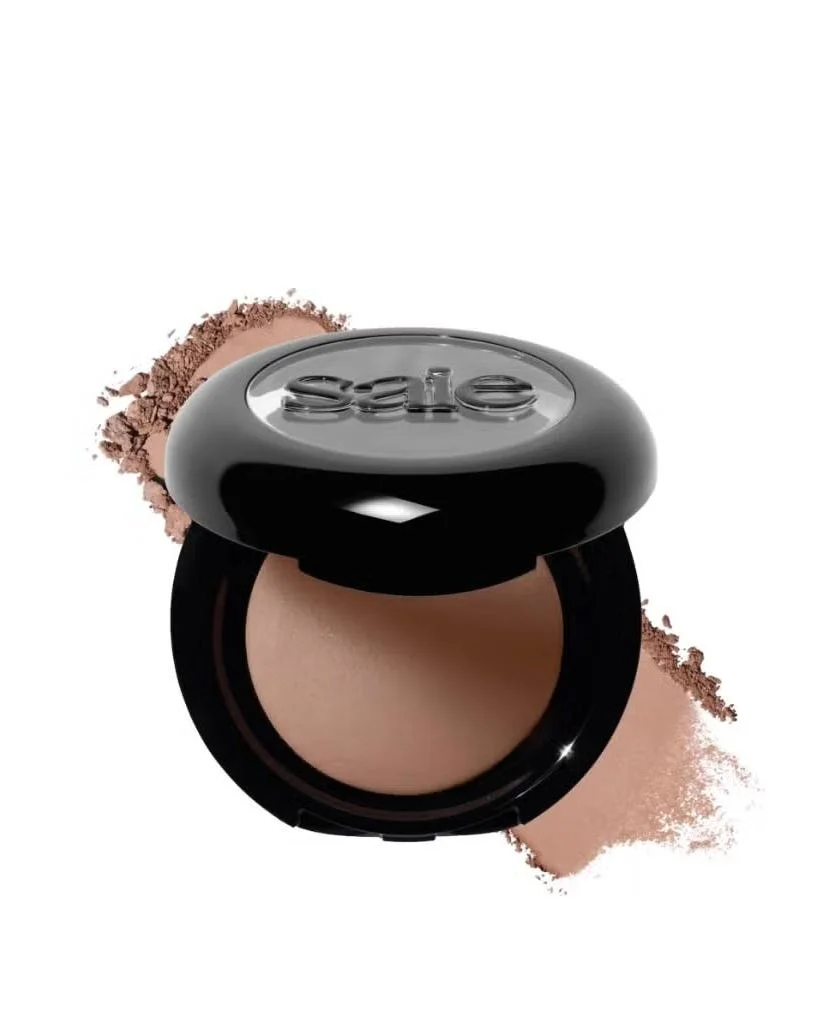
For a subtler ghost wing, replace the pencil with matte taupe or soft brown eye shadow and a tiny angled brush. Use the same outward, upward placement, then soften the edges until the shadow supplies shape without an obvious line. This gives the look a little more room to adjust: add definition gradually at the outer corner, and keep the rest of the lid quiet.
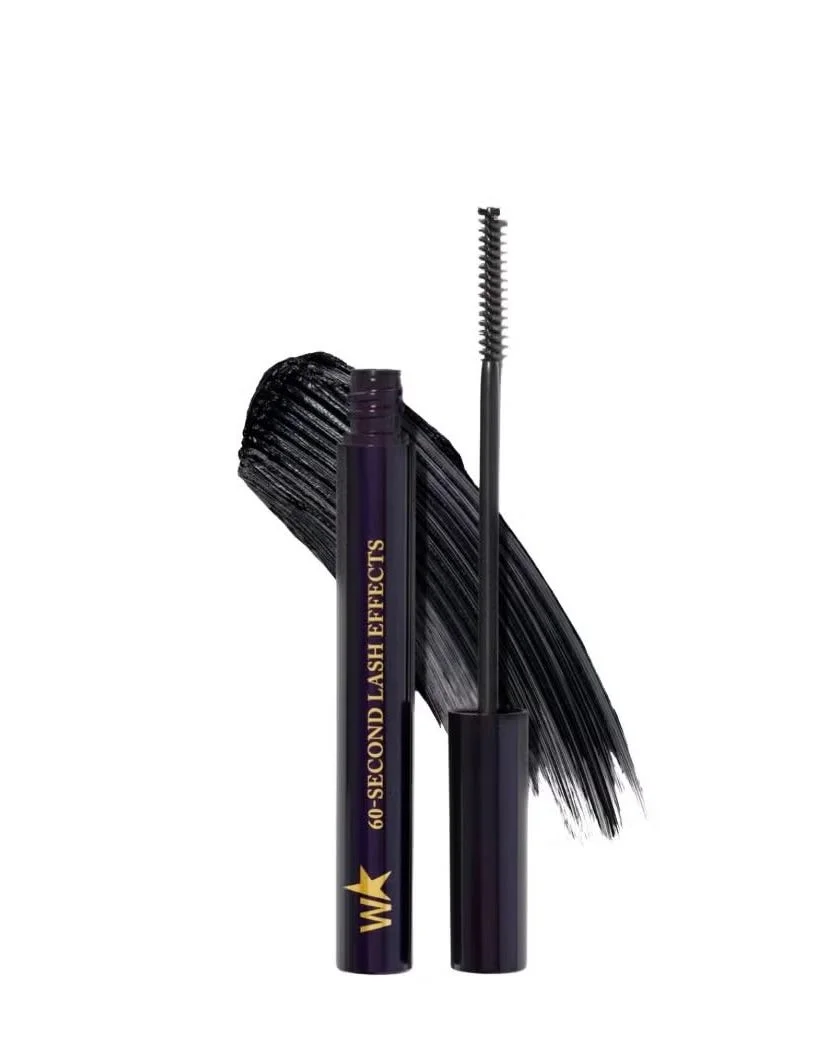
Finish with Westmore Beauty’s 60-Second Lash Effects Mascara, focusing on lifting and separating the lashes, especially at the outer corners. Paired with diffused liner or shadow, that placement reinforces the elongated effect without asking the wing to do all the work.
The wearable takeaway is simple: keep the lift, soften the perimeter and choose the placement that suits your own eye. A brown pencil is the more defined option; matte shadow makes the shape quieter. Either way, the modern cat eye depends on a blended outer corner rather than a perfectly sharp flick.