8 Nose Hair Trimmers for Men: Editor-Tested Picks for Precision, Travel and Easy Cleanup
From a vacuum-equipped Panasonic to a compact Wahl, these eight picks cover close trimming, multi-use attachments and travel-friendly grooming.
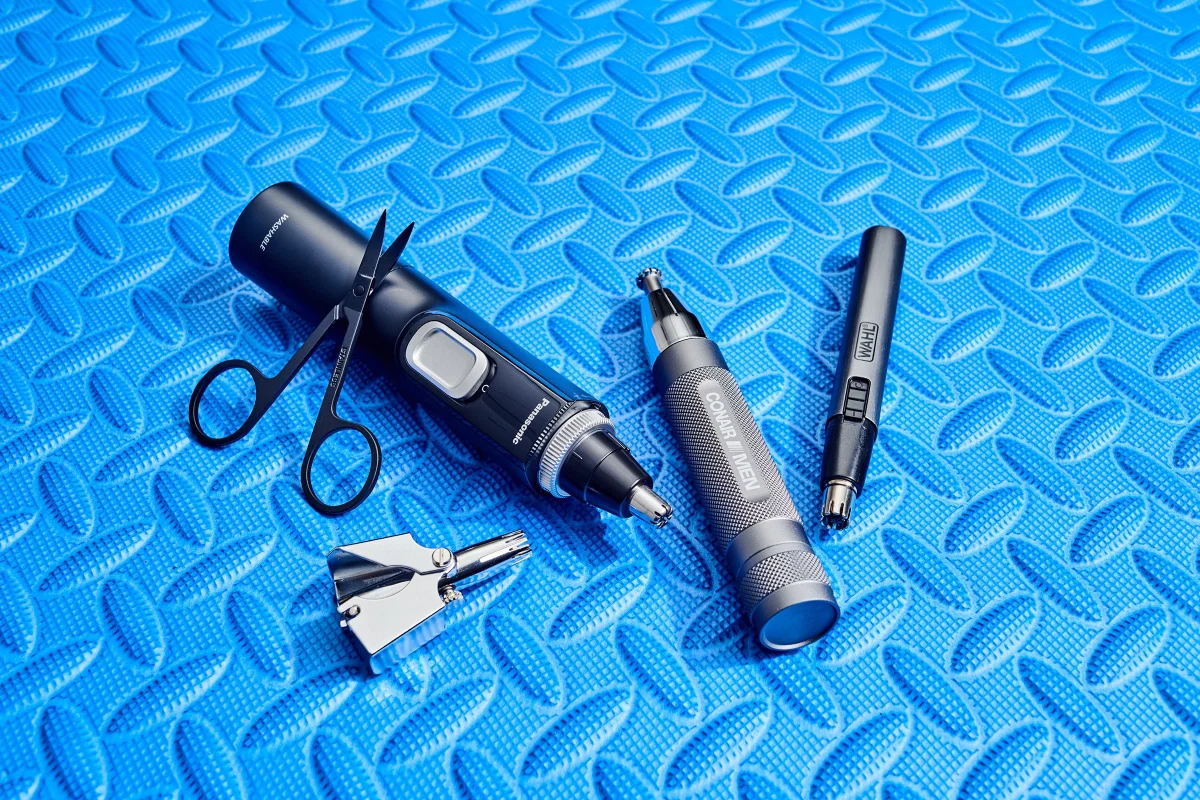
The best nose hair trimmer leaves the hairs that do their filtering and tidies the visible ones with minimal fuss. That balance is the point: nasal hair catches dust and debris, so trimming stray ends is more practical than removing everything. A guarded rotary head, a steady grip and enough power to avoid repeated passes can make this small grooming job noticeably easier.
There’s no need to spend a lot to get a useful tool. Some models add a vacuum, rechargeable power or heads for ears and eyebrows; others keep the design simple and travel-ready. These eight options were assessed for cutting precision, comfort, handling, value and durability, with testers also tracking pulling, irritation and how well each held up over time.
Eight picks for different grooming routines
Panasonic Ear and Nose Hair Trimmer: best for quick cleanup
Panasonic’s trimmer is the premium pick for anyone who wants a capable nose tool with a few thoughtful extras. Its dual-edge blade clears hair quickly, and the built-in vacuum collects clippings as you work. That can mean less cleanup around the sink, a welcome perk for a task that’s easy to put off when it leaves a mess.
The body feels hefty for a small appliance, but testers found it comfortable to hold and easy to control. It also works on ear and eyebrow hairs. Wet/dry capability makes rinsing straightforward, though the reviewer found trimming easier on dry hair and preferred using it at the sink. The vacuum chamber needs emptying about every four months with regular use.
In testing, the Panasonic moved through thick, long hairs more quickly than less powerful options, including the Zorami trimmer. After six months, it was still cutting as effectively as it had out of the box. Battery life dipped slightly over that stretch, but the change wasn’t large enough to alter the reviewer’s routine. Choose it if speed, a secure grip and built-in clipping collection matter more than a compact shape.
Manscaped The Weed Whacker 2.0: best rechargeable pick
The Weed Whacker 2.0 pairs a compact form with a 7,000 rpm motor. In the source roundup, only the Panasonic offered more power. A hypoallergenic stainless steel cone surrounds the cutting area, and the tester reported a smooth trim without the tugging or irritation they had experienced with some tools. Its angled tip also helps reach around the inner contours of the nostrils.
This is the rechargeable choice for someone who grooms regularly and doesn’t want to keep replacing batteries. A full charge provides up to 45 minutes of trimming, the longest runtime among the picks described; Panasonic’s rechargeable option provides 40 minutes per charge. The tester also found it particularly quiet, which makes a fast grooming session feel less abrupt.
After two months of use, the trimmer still cut as closely as it did during the first test, and its runtime held up through multiple charges. If you want an everyday tool with a rechargeable battery and a carefully shaped tip, this one is a strong fit. Its steady cutting performance is the main draw; the long runtime is a useful bonus.
Zorami: best budget starter
At less than $14, Zorami’s trimmer makes a straightforward case for keeping the budget modest. It has a 6,500 RPM motor, waterproof construction and a removable top that can be rinsed under water. A protective cap snaps on after use, so the head is covered when the trimmer travels or sits in a drawer.
The test found it effective, though slower and less close-cutting than the Manscaped and Philips Norelco models. Those with thicker hair may need to trim more often or spend extra time on each pass. For lighter growth, the cutting ability is respectable for the price, and the simple rinse-and-cap routine is easy to maintain.
There are tradeoffs. The build lacks some of the extras found on pricier devices, and the reviewer had questions about long-term durability. After a month, they noticed a small decline in cutting ability and some minor pulling, though neither felt dramatic. This is a sensible first trimmer or an occasional-use option if you don’t need a close finish or advanced features.
Philips Norelco: best for multiple grooming tasks
Philips Norelco’s model is the most versatile pick for small facial grooming jobs. Its dual-sided steel blade trims nose hair efficiently, while protective tube technology is designed to help limit cuts and irritation. The nose attachment was the standout in testing: it cut quickly without tugging, snagging or nicking the inside of the nostril.
The kit includes attachments for the nose, ears and eyebrows, combs with multiple lengths, and a sideburn attachment. These can help with small detail work, but the reviewer found them less straightforward and less efficient than the dedicated nose head. A storage pouch helps keep the small pieces together, especially when they’re packed in a travel kit. The trimmer uses a replaceable lithium battery, which the reviewer considered convenient for travel despite preferring rechargeable devices in general.
After four months, its trimming performance remained consistent. The extra attachments can expand what the tool does, but they didn’t cut as closely as the main blade when used on other areas. If you want a nose trimmer that can also handle a few facial touch-ups, this is a capable all-rounder; for body grooming, the reviewer recommends a dedicated body groomer.
Conair: best for reaching the inner edge
Conair’s distinctive mushroom-shaped cutting head is its defining feature. The lip at the tip lets the tester guide the tool along the inner edge of the nostril, reaching hairs that a conventional rotary head may miss. Among the options tested, it delivered the closest trim. Whether that shape suits you will depend on how your hair grows and how often you groom; some users will prefer the familiar feel of a standard rotary head.
A textured grip gives the slim body a more controlled feel, and its size makes it easy to pack. The kit includes three beard and body attachments, though testers found these less effective than the nose head. The main attachment is what makes this model worth considering.
After more than five months, the reviewer still liked the close finish, although the motor had become slightly louder. Pick it if precise access around the nostril’s inner edge is your priority. If you’d rather have a conventional shape or want especially useful extra attachments, another model may suit your routine better.
Wahl Micro Groomsman: best for packing light
About the size of a Sharpie, Wahl’s Micro Groomsman is a natural choice for a travel kit or quick touch-ups away from home. Its rotary head handles nose and ear hair, while a detailer blade can tidy facial hair, necklines and sideburns. The streamlined design is simple to use, and testers found it had enough power to work as an everyday tool for people with less thick growth.
The Micro Groomsman isn’t waterproof. To clean it, remove the stainless steel rotary head and rinse that piece under water. Its small footprint is a real advantage for packing, but battery life takes more planning. The reviewer initially got about two months of regular use from a fresh battery; after continued testing, that had fallen to around six weeks. Carrying a spare battery is a practical move if you rely on it while traveling.
Choose this one when size and easy packing matter most. It can handle regular use, but people with thicker hair or a preference for longer battery life may want a more powerful or rechargeable option.
Shears 3.0: best for individual stray hairs
Electric trimmers are convenient for routine tidying, but a small pair of scissors can help with a hair that needs a precise touch-up. The Shears 3.0 stood out to the tester for sharpness and durability. They’re small enough for a travel kit and can trim a few visible strays without running a powered device.
The scissors are part of a waterproof stainless steel travel kit that also includes a fingernail clipper, toenail clipper, nail file and slant-tip tweezers. Although the shears can also trim nails, the reviewer advises against using the same pair for both tasks. They’re sharp, so work slowly in front of a mirror and cut only the visible hairs you mean to tidy. The tester considers them best for occasional, precise work rather than removing all nose hair.
After six months, the shears still cut cleanly, with minimal wear and no rust. If you travel often or want a manual backup for a few stray hairs, they’re a useful addition. They call for a steadier hand than a guarded electric trimmer, so deliberate use matters.
Royal Nose Hair Trimmer: best manual option
Royal’s trimmer works without batteries or a charging cable. Squeezing the handles rotates its blades, while indented grips help keep the device in position. The enclosed blades are designed to stay away from the skin, limiting the chance of a nick during use. This makes it an appealing option for anyone who doesn’t want a motor’s sound or another device to recharge.
Manual operation takes more effort, and the cut isn’t quite as precise as an electric trimmer’s. The tester occasionally felt the device pull a hair when it wasn’t operated carefully; with patience, that happened less often. Cleaning is also a little less convenient: the top must come off, though the tool is water-resistant and can be rinsed under a faucet.
It may be less suited to frequent grooming, but it can be useful for travel or as a backup when a battery dies or a charge runs out. Choose it for a quiet, power-free option and accept a slower, more hands-on trim.
What to look for in a nose hair trimmer
Start with the cutting head. Rotary heads look like small capped cylinders and are common on nose trimmers because their guarded shape suits the area. Testers generally found rotary designs effective for a close trim. Slide cutters move back and forth like traditional clippers, giving more control over a straight line and making them useful for sideburns or a neckline. Some tools include both styles, so consider whether you’ll use the second head beyond the nose.
Next, think about power. Battery-operated models take up little space because they don’t need a charging base or cable, but replacement batteries add an ongoing cost. Rechargeable tools avoid that routine, provided you have an outlet and remember to charge them. For a device that’s used briefly, a very long runtime may matter less than a dependable charge; the roundup recommends at least 30 minutes of runtime to avoid frequent recharging.
Comfort and control deserve as much attention as motor speed. A shape that sits securely in your hand can make precise movements easier, while a guarded blade can help reduce snagging and nicks. Wet/dry construction makes rinsing simpler, but testers found dry hair easier to cut. If cleanup is a concern, the Panasonic’s built-in vacuum collects clippings as you go. For travel, a cap, pouch or compact body can help keep the tool and its small parts organized.
Extra attachments are useful if you’ll use them, but they aren’t automatically a reason to buy a multifunction tool. Several models in this group include heads for ears, eyebrows, sideburns, beard detail or body hair, with mixed results. Keep the nose attachment dedicated to the nose; the source advises against moving it to other areas, even after washing. Follow the tool’s intended uses and use separate heads where provided.
How testers assessed the picks
The roundup’s testing looked at trimming precision, comfort, handling, value and durability, alongside recurring issues such as pulling, irritation and inconsistent results. The editors considered past favorites and newer options, then tried or revisited more than 20 tools. Each trimmer in the final shortlist was tested for at least three weeks, while several also received longer follow-up use. Those extended checks revealed the small changes that can be easy to miss in a first session: battery life fading, motors growing louder or cutting performance slipping.
That experience also informs how to use a guarded rotary head. Place it just inside the nostril, switch it on, then rotate it gently to catch visible hairs. Keep the tool shallow; pushing it farther in isn’t needed to tidy the opening. Move to the other nostril when the sound of cutting dies away. If extra-long hairs need shortening, a slide cutter can take them down before a rotary head refines the visible edge. Use care around the nose and follow the manufacturer’s instructions.
The aim is a neat edge, not a hair-free nostril. Trim when strands become visible and leave the less visible hairs in place. For a quick routine, pick a model whose grip, cleaning method and power source you’ll be happy to use regularly. Panasonic prioritizes speed and cleanup, Manscaped offers long rechargeable runtime, and Zorami keeps the entry price below $14. The right choice is the one that makes a light, controlled trim easy to repeat.
More grooming guides
Best Beard Trimmers | Pubic Hair Trimmers | Eyebrow Trimmers | Best At-Home Laser Hair Removal | Best Back Shavers | Best Head Shavers | Best Hair Removal Creams | Best Razors | Best Disposable Razors | Best Electric Razors | Best Straight Razors | Best Safety Razors | Best Back Shavers | Best Hair Clippers
Additional reporting by Garrett Munce and John Thompson
Sean Zucker is the Grooming and Reviews Editor at Men's Health. He has more than half a decade of experience covering health, wellness and lifestyle. Christian is the Style and Reviews Director at Men's Health and Women’s Health, overseeing shopping and style coverage for both brands.