9 SPF Moisturizers for Men That Pair Daily Hydration With Sun Protection
These nine SPF moisturizers suit different skin types and routines, from affordable daily formulas to mineral options for longer days outdoors.
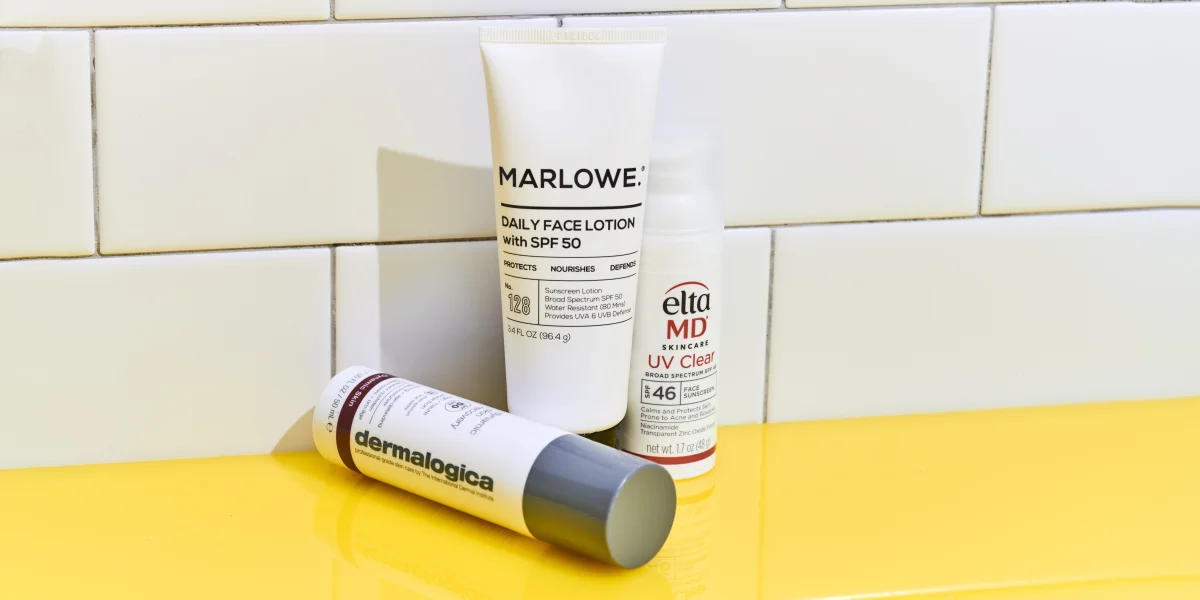
An SPF moisturizer can make everyday sun protection easier to fit into a routine: one morning step provides hydration alongside UV filters. The tradeoff is that many formulas are designed for ordinary, incidental exposure, not hours outdoors. Choosing well means matching the product to your skin and your plans, then applying it generously and reapplying when you’re in the sun.
What SPF moisturizer can—and can’t—do
These dual-purpose formulas are primarily moisturizers with added sun protection. They can work for daily errands, a walk to the car, coffee outside or time near a window. For a beach day, hike or other extended exposure, dermatologist Dr. Alexander Witkowski, MD, PhD, generally recommends dedicated broad-spectrum sunscreen. Some SPF moisturizers can hold up in more demanding conditions, but they’re the exception.
Many moisturizers with SPF offer less durable, less water-resistant coverage than standalone sunscreen. That makes the label and your plans matter: look for broad-spectrum protection against both UVA and UVB rays, and reapply every two or three hours while in the sun. Witkowski suggests at least SPF 30 for daily use and SPF 50 or higher for extended exposure. SPF 30 blocks roughly 97 percent of rays, while SPF 50 filters around 98 percent; SPF 60 filters about 98.5 percent, and SPF 70 reaches about 99 percent.
Mineral and chemical filters each have their place. The best fit depends on the formula’s feel and how it works with your skin and routine. Hydrating ingredients matter, too: an SPF product should leave skin comfortable rather than asking you to choose between moisture and protection.
Nine formulas for different routines
These picks stand out for distinct reasons: a fast-absorbing daily cream, options for acne-prone or sensitive skin, budget-friendly choices and a mineral formula tested during longer outdoor activity. The original testing process considered feel, wear time, residue, sun protection and hydration. More than 50 products were assessed over a year, with dermatologist input on ingredients, skin types, tones and lifestyles.
No. 128: a cushioned daily cream for several skin types
No. 128 pairs aloe vera and shea butter in an oil-free, non-comedogenic formula that the reviewer found comfortable on dry skin. It also suited oily skin, where a light layer of hydration can feel more balanced, and sensitive skin, thanks to its fragrance-free formula. Vitamin A is included, and the cream absorbs quickly without leaving a visible cast.
The texture is thick, so a small amount goes a long way across the face. That makes it easy to overapply and may help a container last weeks or months, depending on use. The packaging is made with at least 50 percent recycled plastic. The reviewer also describes it as a useful option for acne-prone skin because it’s non-comedogenic.
EltaMD UV Clear: a smooth finish with niacinamide
Dermatologist Dr. Brendan Camp, MD, has recommended EltaMD UV Clear for nearly a decade, particularly for patients prone to redness or acne. The broad-spectrum formula combines zinc oxide with octinoxate for UV protection, plus niacinamide to support hydration and help balance oil. Camp and the reviewer both point to its comfortable feel; it spreads over beard hair and dries without a white cast, including on darker skin tones.
An acne-focused option with adapalene
For acne-prone skin, an oil-free formula with adapalene offers a different approach. Adapalene is a retinoid, and this product combines it with daily hydration and sun protection while helping absorb excess oil. It feels lightweight and absorbs within seconds, so the finish is less likely to look shiny.
The formula is fragrance-free, though it has a slight chemical scent that may bother people looking for a completely scentless product. At $12, it’s one of the list’s lower-priced picks. Witkowski says its oleosome technology allows the formula to use a low concentration of sunscreen filters while still providing hydration, and he regularly recommends it to male patients with acne.
CeraVe AM: accessible, fragrance-free hydration
CeraVe AM costs under $15, making it a notable budget choice. Witkowski recommends it to patients and uses it himself. Zinc oxide provides broad-spectrum protection; hyaluronic acid helps retain moisture, niacinamide helps soothe irritation, and ceramides support the skin barrier.
The lightweight formula is free of fragrance, oil and parabens, and is described as suitable for dry, sensitive, oily and acne-prone skin. Witkowski also notes its recommendation by the Skin Cancer Foundation, a nonprofit focused on public education about skin cancer, sun protection and research.
A gentle-feeling choice with prebiotics
Dermatologist Dr. Shira Wieder, MD, recommends this non-comedogenic moisturizer for its niacinamide and prebiotics, which help support the skin barrier. Though it uses chemical sunscreen filters, the formula also includes thermal water and is fragrance-free. It’s lightweight, sinks in quickly and, in the reviewer’s experience, didn’t trigger a reaction on sensitive skin.
That blend makes it a considered pick for people who find many SPF moisturizers too heavy or irritating. Wieder also points to its pore-friendly formula. As with any new product, individual reactions can vary, but the reviewer found this one especially comfortable.
A weightless SPF 45 with hyaluronic acid
Dr. Estee Williams, MD, recommends this SPF 45 moisturizer for its hyaluronic acid and substantial sun protection. It’s designed to hydrate without feeling pore-clogging, including on oily skin, and the reviewer describes the application as weightless, with a plump-looking finish.
There’s a caveat for sensitive skin, especially around the eyes: the reviewer experienced a couple of brief episodes of redness. That reaction was short-lived, but it’s useful context for anyone whose eye area tends to be reactive.
Dermalogica Dynamic Skin Recovery: a richer, higher-priced pick
Dermalogica Dynamic Skin Recovery centers on squalane, an emollient that resembles natural skin oils and helps support the skin barrier. The reviewer noticed improved hydration and smoothness with regular use, without a greasy residue. Its formula also includes polypeptides and white tea extract, ingredients positioned to support a firmer-looking appearance and provide antioxidant protection.
Witkowski keeps it in his medicine cabinet and says cosmetic dermatologists have made it a popular choice. At nearly $80, it’s among the most expensive options here, so it may make more sense for someone already comfortable spending more on moisturizer than for a first SPF purchase.
A more approachable formula with pro-retinol
For a lower-cost route, Witkowski recommends this SPF to people starting to build a skincare routine. It costs more than $60 less than Dermalogica Dynamic Skin Recovery and combines pro-retinol with hyaluronic acid. The reviewer found its silky texture easy to spread through facial hair, where thicker SPF creams can catch, and says it absorbs within seconds.
The formula is free of phthalates and silicones and is described as suitable for sensitive skin. Its blend of hydration and sun protection makes the texture especially relevant for anyone who wears a beard or wants a quick morning application.
Atwater: a mineral option for longer outdoor days
Witkowski used Atwater’s mineral sunscreen on a long-distance bike ride and considers it a rare SPF moisturizer suited to extended sun exposure. Zinc oxide and titanium dioxide provide mineral protection, while vitamin C, green tea and pomegranate extract round out the formula. It absorbs quickly and is fragrance-free.
The reviewer tested it on midday hikes and reports that it stayed put through 80 minutes of sweat without smudging or stinging the eyes. It also dried without a white cast or greasy finish. The 1.7-ounce tube is small for its price, but its travel-friendly size and performance have made it a sunny-trip staple for the reviewer.
Choosing a formula that fits
Start with broad-spectrum protection, then narrow the options by texture and skin needs. Oil-free, non-comedogenic formulas may appeal to oily or acne-prone skin; fragrance-free choices can be a sensible starting point for sensitive skin. Ingredients such as hyaluronic acid, ceramides, niacinamide and squalane bring different kinds of moisture and barrier support. No single ingredient list suits everyone, so a comfortable finish you’ll use consistently matters.
SPF moisturizers are convenient, but convenience only helps if the product gets applied properly. Use enough to cover exposed skin, follow the reapplication guidance, and choose dedicated sunscreen for long stretches outdoors unless a particular formula is clearly suited to that use. For everyday routines, the strongest pick is the one that feels good on your skin and makes daily protection easier to keep up.