10 Best Moisturizers for Men: Lightweight Gels, Barrier Creams and SPF Picks
From Neutrogena Hydro Boost to Rael’s $14 barrier cream, these editor-tested picks cover dry, oily and sensitive skin.
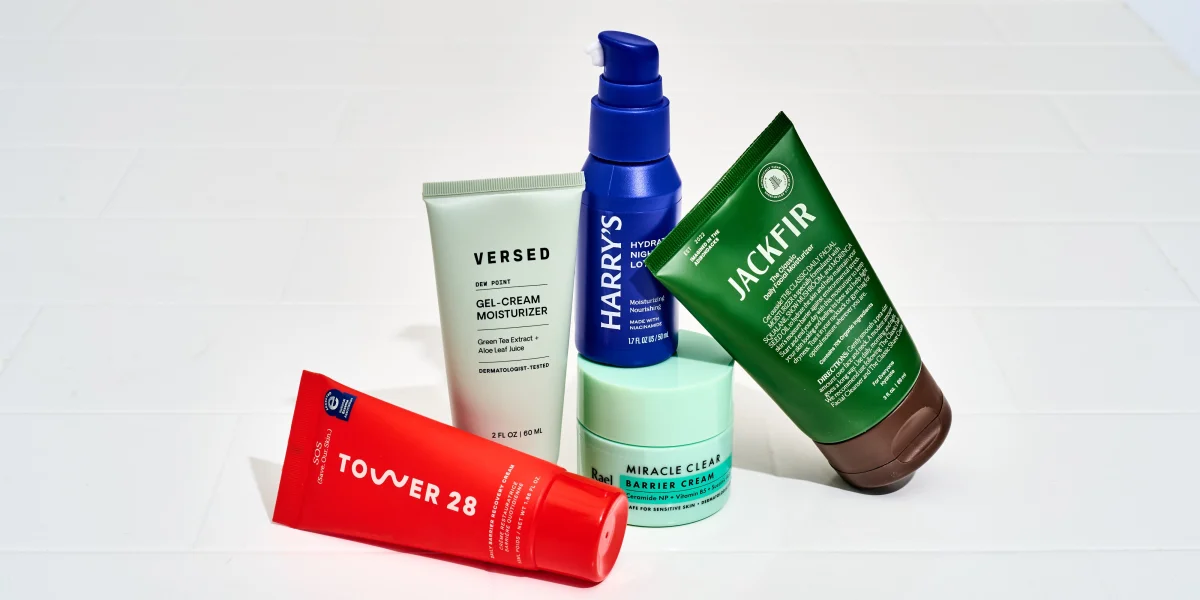
The best moisturizer is the one that fits your skin and feels good enough to use every day. That matters more than choosing the richest cream or the longest ingredient list: a formula that feels greasy on oily skin, or too light on dry skin, is likely to stay on the shelf. These ten picks span quick-absorbing gels, richer barrier-supporting creams, a night lotion and an SPF option, with textures and ingredients to suit different routines.
Moisturizer is the final step that holds hydration in place after cleansing and any thinner products, such as serums. In the morning, sunscreen follows it; at night, moisturizer can finish the routine. Dermatologists recommend using it twice daily, including for oily skin. The practical goal is a comfortable, balanced feel, not a heavy coating.
Ten moisturizers, matched to different needs
Neutrogena Hydro Boost Face Moisturizer: a light gel for lasting hydration
For anyone who wants hydration without a creamy or greasy finish, Neutrogena Hydro Boost Face Moisturizer is the standout. Dermatologist Dr. Alex Zeitany, M.D. has used it since 2015 and recommends it to patients looking for substantial moisture in a light formula. Its key ingredient, hyaluronic acid, is a humectant: it draws in water and helps skin retain moisture.
The watery gel spreads easily, feels cool on application and sinks in quickly without leaving shine or residue. In testing, skin stayed comfortable and hydrated for hours, even after applying the gel before heading out in hot weather. Follow with sunscreen in the morning. At just over $25, it offers a lighter alternative for people who find richer creams too much.
La Roche-Posay: gentle hydration for sensitive skin
La Roche-Posay’s moisturizer combines prebiotic thermal water, ceramides, niacinamide and glycerin. Dermatologist Dr. Jeremy Brauer, M.D. recommends the formula for its gentle approach and says its richer texture can suit men’s skin. The fragrance-free formula is also a useful option for anyone who prefers skincare without added scent.
Although the texture is thick, testing found it comfortable for both daytime and nighttime use, with less of a heavy feel than some creams aimed at sensitive skin. It delivers ample hydration while still feeling relatively light once applied. The tester also noticed rough or red-looking patches felt smoother after a few days. That’s an individual experience, but the combination of ceramides and glycerin makes this a considered pick for a routine focused on comfort and moisture.
Marlowe No. 128: moisturizer and sun protection in one
Marlowe No. 128 combines facial hydration with SPF, making it a convenient choice for mornings when you want fewer steps. Its non-comedogenic formula is designed not to clog pores, and the packaging is made with at least 50 percent recycled material. The source doesn’t specify the SPF number, so check the product packaging for that detail when choosing sun protection.
Aloe, green tea and shea butter give the formula its moisturizing profile. In testing, it absorbed quickly and left skin feeling smooth, refreshed and balanced without a greasy finish. At $20, it’s a relatively accessible way to pair daily hydration with sun protection. The tube lasted more than a month with daily use, according to the tester. For anyone who likes a single morning product to cover two routine steps, the balance of feel and practicality is the appeal.
Kiehl’s Ultra Facial Cream: a versatile everyday option
Kiehl’s Ultra Facial Cream is a long-standing favorite for a reason: it feels creamy without wearing like a heavy layer. Christian Gollayan, Style and Reviews Director, has used it for nearly a decade and often packs it for travel. He says it hydrates without causing breakouts or clogging his pores, and has worked for him across a range of climates.
Testing points to the same balance. The cream looks richer than some options here, but feels lightweight when spread over the face. It provides enough moisture for cold weather, when dry air can leave skin feeling tight, without the greasy or overly occlusive finish associated with some heavier creams. It’s suitable for different skin types and conditions, though people with especially oily skin may prefer to start with a small amount. This is the pick for anyone who wants one dependable cream for everyday use and trips away.
Baxter of California Oil Free Moisturizer: a matte finish for oily skin
Designed with oily or acne-prone skin in mind, Baxter of California Oil Free Moisturizer is lightweight, oil-free and quick to absorb. Vitamin E, aloe vera and glycerin help maintain moisture and support a comfortable feel, while the matte finish makes it an easy daytime choice for anyone who dislikes shine.
Testing found that the formula disappeared quickly without leaving an oily film or lingering residue, even on sensitive skin. Chamomile and camellia extract, described in the source as essentially green tea, were noted for helping reduce the appearance of redness. The formula is fragrance-free, too, so it can sit alongside cologne or other scented grooming products without competing aromas. If your main moisturizer frustration is a slick finish, this is one of the more targeted options on the list.
Harry’s Night Lotion: overnight moisture for under $10
Harry’s Night Lotion brings together glycerin and jojoba for overnight hydration, alongside niacinamide to support skin texture and comfort. Night creams are typically richer than daytime moisturizers, but this lotion offers a more straightforward way to add moisture before bed without needing a large amount.
The bottle holds 1.7 ounces, yet the tester found that one or two small dabs covered the face, helping it last longer than its size suggests. At under $10 a bottle, it’s the lowest-priced option mentioned in the source. One caveat: the formula contains a subtle fragrance, which may not suit people who are particularly sensitive to scented products. If fragrance doesn’t bother your skin, the small dose and low price make this a practical nighttime pick.
Tower 28: a fragrance-free cream for easily irritated skin
Tower 28’s cream is made for sensitive skin that’s prone to visible redness. Hyaluronic acid helps draw in moisture, ceramides support the skin barrier, and lysine is included to support skin comfort. The formula is fragrance-free and non-comedogenic, which may appeal to people who prefer to avoid added scent or worry about heavier creams feeling pore-clogging.
The tester, who has tried several moisturizers aimed at redness, found this one easy to use and unusually accessible at under $25. The 1.86-ounce container is small, but the cream is thick enough that a little goes a long way; the tester expected one tube to last months. Its weight doesn’t translate into a greasy or cakey feel, according to the notes. That makes it a useful middle ground for people seeking a richer texture without a heavy finish.
Rael: an affordable cream focused on the moisture barrier
Rael’s cream is a K-beauty option built around barrier support, at $14. Ceramide NP helps reinforce the skin’s moisture barrier, while vitamin B5, also known as panthenol, hydrates and soothes dry or irritated-feeling skin. Succinic acid rounds out the formula. The overall pitch is simple: a creamy texture and a set of ingredients aimed at keeping moisture in and supporting comfortable skin.
The tester compared barrier support to protective gear: it helps limit the effects of everyday external stress on skin. In practice, the cream absorbed quickly and left skin feeling smooth and healthy, with a clearer-looking complexion. The source doesn’t give a precise skin type for this pick, but its emphasis on ceramides and panthenol makes it a strong option for anyone whose routine centers on dryness or a compromised-feeling barrier. At $14, it also sits among the less expensive choices on the list.
Jackfir: an organic-focused formula with a natural scent
Jackfir is aimed at people who favor a more natural or environmentally minded formula. Its ingredients include squalane, aloe, mushroom, niacinamide and vitamin C. The lightweight moisturizer is made with at least 70 percent organic ingredients and is EWG Verified, according to the source. It’s a reminder that effective moisturizers can draw on both lab-made and naturally derived ingredients; choosing between them is a matter of preference, not a requirement for good hydration.
In testing, the cream absorbed quickly without feeling greasy and helped calm post-shave discomfort. Its earthy scent was described as relaxing and didn’t irritate the tester, whose skin can be sensitive to fragrance. A portion of sales goes toward planting trees. The formula costs more than some options here, but the tester found a small amount sufficient for the whole face and estimated that twice-daily use would make a tube last close to three months, longer with a beard. If scent-free skincare is a priority, note that this formula does have a scent.
Versed Dew Point Gel Moisturizer: a cooling choice for warm weather
When temperatures rise, a thick cream can feel uncomfortable, especially on skin that tends toward oiliness. Versed Dew Point Gel Moisturizer offers a lighter alternative, with aloe vera and green tea in a silky, fast-absorbing gel. Those ingredients are often used in products designed to soothe skin after time outdoors; sunscreen remains the essential step for sun protection.
The tester, who experiences visible redness after extended sun exposure, began using the gel during summer and found it cooling and comfortable. It absorbed in seconds and became a warm-weather staple. At under $15, it’s an affordable option for anyone who wants a light moisturizer that won’t leave a tacky or greasy finish on hot days.
How to choose a texture and build a routine
Start by noticing how your skin feels and looks through the day, particularly across the T-zone: the forehead and center of the face. That area can give you a useful sense of whether your skin tends to feel oily, dry or somewhere between. If your face gets shiny quickly or you dislike a rich finish, a gel or oil-free moisturizer may feel better. If dry patches are the main concern, a cream may provide the more comfortable texture. Sensitive skin may favor fragrance-free formulas.
Dermatologist Dr. Joshua Zeichner, M.D. describes three broad ingredient groups common in moisturizers: humectants, emollients and occlusives. Humectants such as glycerin and hyaluronic acid draw in and retain water. Emollients help soften skin. Occlusives help reduce moisture loss by forming a protective layer. A product can combine these functions, so the best fit depends on both its formula and how it feels on your face.
Apply products from thinnest to thickest. After cleansing, use serums or other lightweight products first, then moisturizer to help hold hydration in. In the morning, apply sunscreen afterward; at night, moisturizer can be your final step. Gels often suit people who want a quick-drying, less tacky feel, while creams can be more comfortable on dry areas. The source also recommends looking for multitasking ingredients: dermatologist Dr. Sarah Stierman, M.D. points to niacinamide, hyaluronic acid and ceramides for their roles in supporting comfortable, hydrated skin.
Consistency matters more than a complicated routine. A moisturizer doesn’t have to be labeled natural or organic to work well, and oily skin still benefits from hydration. If your current formula feels sticky, shiny or too rich, try a different texture; the right one should fit easily into your morning and evening routine. For product-specific testing and editorial background, read about the review process.
The products here reflect more than a year of repeated evaluation by a grooming editor with normal-to-dry, sensitive and acne-prone skin, alongside input from other editors and writers. The assessment considered ingredients, texture, consistency and longer-term wear, with extra attention to recommendations for oily skin and dermatologist feedback on the choices. The editor also writes a regular column on new grooming releases. Together, those perspectives make the list useful as a starting point: choose by texture and routine first, then narrow by the ingredients and price that suit you.
For more targeted options, explore moisturizers for oily skin, moisturizers for sensitive skin, sunscreens, moisturizers for combination skin, moisturizers for dry skin, body lotions, night creams, foot creams, eye creams, body washes for dry skin, bar soaps, natural soaps, biodegradable soaps, face washes, moisturizing body washes, deodorants, sunscreen for workouts, skincare brands and SPF moisturizers.
For grooming-editor testing and related coverage, see skincare routines, face serums and shaving creams and gels.