7 LED Face Masks for Men: Red, Blue and Cooling Treatments Compared
From Shark Beauty CryoGlow’s cooling modes to CurrentBody’s flexible fit, these seven masks pair different light settings with distinct routines.
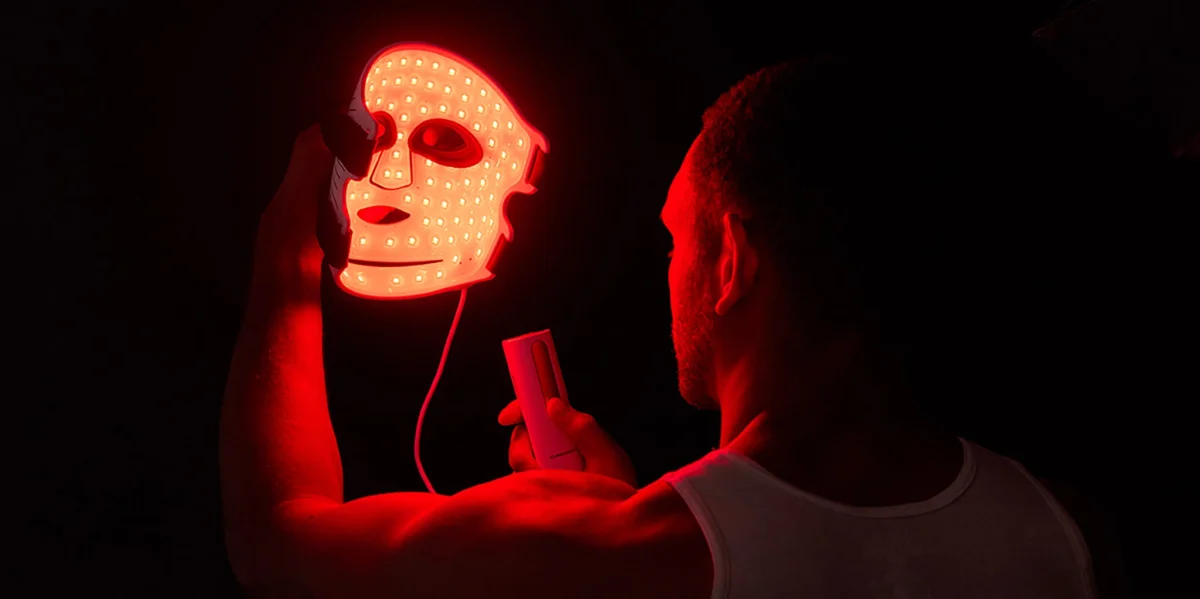
LED face masks vary most in the details that shape whether you’ll keep using one: treatment time, fit, controls and the kind of light therapy on offer. The Shark Beauty CryoGlow stands out for combining red, blue and infrared light with under-eye cooling, while other picks focus on a short daily session, a vibrating massage or a flexible silicone fit. The right choice depends on which features suit your routine and what you want the device to address.
Dermatologist Dr. Hannah Kopelman, MD, explains that these masks use specific wavelengths of light to prompt changes in the skin. Red light is associated with collagen stimulation and firmer-looking skin; blue light targets acne-causing bacteria, while infrared is included in some devices alongside those wavelengths. Masks may also aim to calm inflammation or help regulate oil production. Their settings and claimed uses differ, so it pays to compare the modes rather than assume every mask does the same job.
Dermatologist Dr. Brian Toy, MD, cautions that device quality varies across a crowded market. To assess the options, the testers consulted dermatologists and tried masks for at least a month, considering effectiveness, comfort and ease of use. That longer window matters: these devices don’t always produce an immediate visible change, and regular use is part of the routine.
Shark Beauty CryoGlow: Best for multiple modes
The CryoGlow is the most versatile pick in this lineup, with four treatments built around different needs. Better Aging pairs red and infrared light. Skin Clearing combines blue, red and infrared. Skin Sustain cycles through all three wavelengths in a shorter session, while Under-Eye Revive uses cooling inspired by cryotherapy to target puffiness and tightness around the eyes.
The cooling function can also run alongside the light treatments, with three increasing chill levels. Most sessions take four to eight minutes; Under-Eye Revive can run for up to 15 minutes, though the tester found five minutes sufficient. Dr. Peterson Pierre, MD, FAAD, likes the range of light options and the cooling feature, which he says adds to the device’s appeal.
After months of use, the tester reported smoother, clearer-looking skin and less redness with Better Aging and Skin Clearing. The most immediate difference was around the eyes: a few minutes in Under-Eye Revive helped the tester look more rested after a short night. The light felt manageable to someone sensitive to bright light, and the mask fit well enough to move around during treatment.
There are trade-offs. A wired handheld controller makes it easy to select a mode without an app, but holding it limits multitasking; putting it in a pocket can change the setting by accident. The mask is also bulkier than the Dr. Dennis Gross option. Still, the source describes CryoGlow as the least expensive full-face mask on the list, making the extra modes a compelling part of its value. It received a 2025 Men’s Health Grooming Award.
Dr. Dennis Gross Face Mask: Best for quick sessions
For a pared-back routine, Dr. Dennis Gross’s mask completes its treatment in three minutes a day. Kopelman has recommended it to patients for years, citing its red and blue light options and consistent results. The tester found it comparable to CryoGlow for blemishes and visible signs of aging, but it costs more than $100 extra and doesn’t add features such as under-eye cooling.
Its solid, contoured shell is rigid rather than moldable. That may be a benefit if a flexible mask feels unstable: testers found this one sturdy, slim and comfortable without the heavy feel they associated with the TheraFace Mask. Its fit worked particularly well for the tester, who noted that a less typical face shape may find the fixed design less accommodating.
The mask is wireless during treatment and charges through USB-C, a practical detail for travel. Its hard shape, however, takes up more room in a bag than a flexible device. For someone who prioritizes a short session, secure structure and straightforward daily use, those compromises may be reasonable.
TheraFace Mask: Best for massage as well as light
This hard-shell mask combines red, blue and infrared light with vibration. The massage function is designed to ease facial tension and encourage circulation around the eyes, brows and scalp. There are three- and nine-minute programs; testers preferred the longer session.
The device is heavier and bulkier than the Dr. Dennis Gross mask, but its additional massage feature gives it a different feel in use. Senior Gear and Commerce Editor Ryan Brower said his skin felt softer and his pores looked smaller after the first session. With continued use, he noticed a more even-looking tone and skin that appeared firmer, smoother and less puffy.
Brower found the vibrating massage relaxing, though at times it felt ticklish or chilly. The mask sits near the ears, so its sound can become distracting, particularly if you’re trying to do something else during treatment. Controls are simple to navigate, including the massage settings. This one makes sense for a user who wants vibration to be part of the experience and can accommodate a heavier fit.
Luminator: Best for the eye area
Lumin is the most focused option here: its design targets the skin around the eyes, including puffiness, dark circles and wrinkles. The tester saw a brighter, more alert-looking eye area after daily use for about a week, and a smoother appearance after a couple of weeks. She noted that she naturally has darker circles and doesn’t have under-eye wrinkles, so her experience speaks to brightness and texture rather than a change in lines.
Soft silicone padding helps the mask sit comfortably, and the adjustable design is intended to fit a range of face shapes. A three-minute session and automatic timer keep the routine simple. The unusual, eye-only shape won’t replace a full-face mask for someone looking for broader coverage, but it keeps the treatment directed at a specific area.
FAQ 202: Best for a flexible, lightweight feel
The FAQ mask is exceptionally thin and flexible, with a feel closer to a sheet mask than a rigid gadget. Testers found it light and comfortable throughout its 15-minute session; they reported no heat or noticeable sensation and could read while wearing it. It stayed in place when they looked down at a book or phone.
There’s a setup catch: the app is needed to make the controls easy to use. The mask itself has a single button, and testers found it difficult to remember what that button did or how to switch the device off without the app. Once paired, they could choose a treatment in the app and get started.
The included cleaning spray is a useful part of the kit. Testers cleaned and dried the mask after use, then stored it in its pouch. One raised a question about the split at the bridge of the nose, which allows the mask to flex but may leave some uncertainty about coverage in that spot. The concern didn’t put the tester off continuing to use it. This mask suits someone who values flexibility and doesn’t mind app-based controls.
Qure Pro LED Mask: Best for a three-minute routine
Women’s Health fitness contributor Nicolette Accardi used the Qure Pro LED Mask for a month and said it made a noticeable difference to the look of her skin. She had dealt with oiliness and frequent breakouts, and reported less sebum after regular use of the pink light setting. She also used the red setting with the aim of addressing fine lines.
Each treatment lasts three minutes and shuts off automatically, so there’s no need to track the time. At $380, Qure isn’t inexpensive, but the source places it among the few effective masks under $400, alongside CryoGlow. That combination of a short session and automatic shutoff makes it an easy fit for a low-maintenance routine, provided the price works for you.
CurrentBody: Best for a moldable fit
CurrentBody’s silicone mask flexes around the face, an advantage if rigid shells feel bulky or a smaller flexible mask doesn’t cover comfortably. Tighten the straps well: the tester found that a loose fit could make it slip during treatment. When secured, the mask felt gentle on the skin. One tester used it a few days after eye surgery and said it didn’t bother her eyes.
Charging is the main inconvenience. A full charge can take up to six hours, the longest time on this list by several hours. For someone who tends to wait until a device is nearly out of power, that delay can interrupt regular use. Charging ahead of time makes the flexible fit easier to enjoy without that routine snag.
What to check before choosing a mask
Start with the light settings and the treatment focus you want. Devices with multiple wavelengths can cover more than one concern, while a dedicated eye mask narrows its attention to that area. A wider range of settings can offer more flexibility, but it may also mean extra controls or a longer setup. Consider whether you want a simple timed session or the option to switch between modes.
Fit has a direct effect on comfort and convenience. Rigid shells feel structured and can be quick to put on, but they may suit some face shapes better than others and take up more storage space. Flexible silicone designs can adapt to different contours, though straps need adjusting to keep the mask in place. Think about whether you’ll sit still or read and move around during a session; the mask’s balance, controls and visibility can shape that experience.
Check the time commitment, too. Sessions in this selection range from three to 15 minutes, while the broader category includes some treatments lasting as long as 25 minutes. Shorter doesn’t automatically mean better: use a device according to its directions, since some masks aren’t intended for daily use. Regularity matters, but the schedule should follow the product’s instructions and fit your routine.
Kopelman recommends choosing a mask that is FDA-cleared, which indicates it meets basic safety standards for consumer use. FDA-cleared and FDA-approved are different terms; the source notes that no LED masks on the market have FDA approval. It also distinguishes both from “FDA-registered” or “FDA-listed,” terms that indicate a manufacturer has notified the agency but don’t mean the device underwent a review or evaluation. Check the specific product’s status and instructions as part of your comparison.
Using and caring for an LED mask
Clean the mask after every use. Oil, residue and bacteria can collect on the surface and transfer back to your skin, potentially contributing to irritation or breakouts. Follow the manufacturer’s cleaning directions, then let the device dry before storing it. The cleaning spray and pouch supplied with the FAQ mask make that routine especially straightforward.
Kopelman advises starting with freshly cleansed, dry skin. Apply serums and moisturizer after the treatment, since a layer of product beforehand may interfere with light reaching the skin. She suggests a hydrating serum such as hyaluronic acid or a peptide-rich cream after a session.
Toy advises avoiding products that may react to light, including retinol and vitamin C serums, before treatment. Dr. Chacon also recommends skipping reflective products such as heavy oils and sunscreen while wearing the device, since they can scatter light. Follow the mask’s directions if they offer more specific guidance about product use.
Finally, consider your comfort with light close to the eyes. One tester with a history of migraines noted that prolonged exposure can be a trigger; others found their chosen masks comfortable enough to read or move around in. A shorter session, a less intense-feeling device or an eye-area design may suit some routines better. The strongest pick is the mask whose light modes, fit and schedule you can use consistently.