Inside Crystal Lake’s Practical Effects: Jason Voorhees, Prosthetics and On-Set Gore
FX artist Dave Presto breaks down Jason’s hours-long transformation, single-use prosthetics and the practical effects behind Crystal Lake’s most grisly scenes.
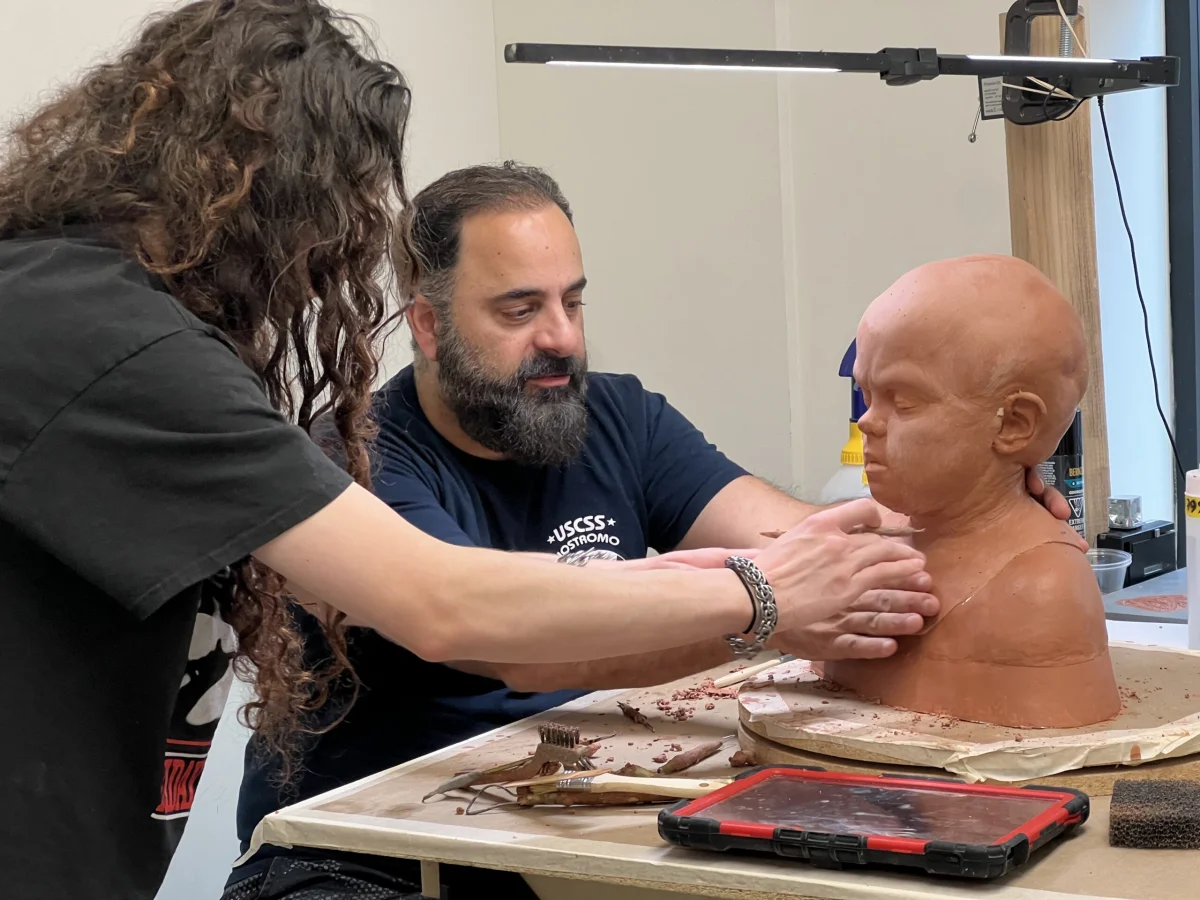
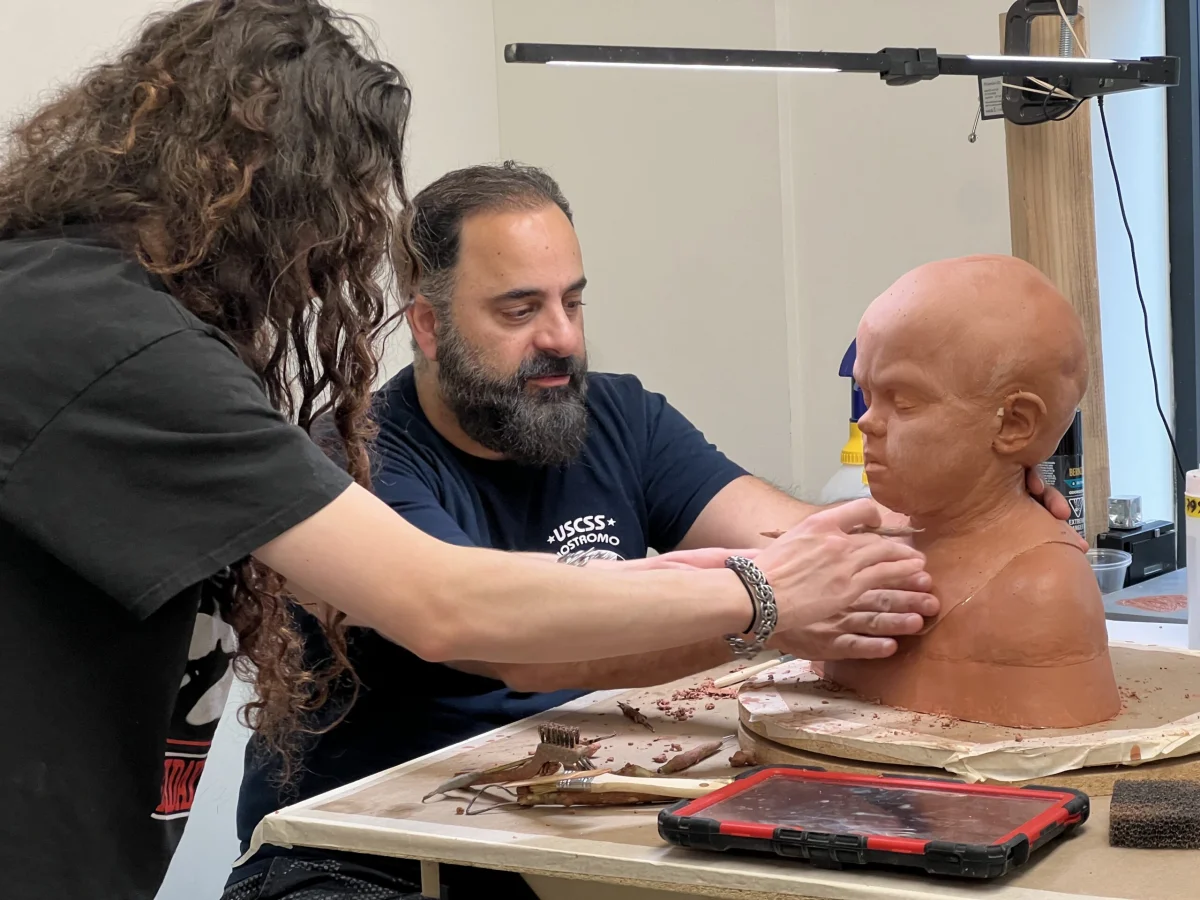
The most convincing horror effects often depend on details viewers barely notice: a prosthetic edge thin enough to disappear against skin, blood that moves naturally, or a familiar face left visible inside a gruesome scene. For Crystal Lake, the Friday the 13th prequel series starring Linda Cardellini as Pamela, special effects makeup artist Dave Presto helped turn Callum Vinson into a young Jason Voorhees—and built the practical effects around several other brutal set pieces. The series has been renewed for a second season, giving Presto’s work more room to grow.

A childhood fascination, built into a craft
Presto traces his interest in effects makeup to watching the behind-the-scenes documentary The Making of Thriller when he was 10. Rick Baker’s creature designs caught his attention, alongside the work of Dick Smith, known for The Exorcist and Amadeus, and Rob Bottin, whose credits include The Thing. Presto studied their techniques over the years, from Smith’s foam latex appliances to Bottin’s mechanical puppetry.
Training with Smith’s Professional Make-up Course helped turn that early experimentation into a more considered approach to prosthetic design. For Presto, anatomy and construction matter as much as the spectacle: the effect has to make sense on the actor’s body and hold up when the scene moves.
Why believable blood needs more than red
Color is only one part of convincing blood. Presto says his team combines red with yellow, blue and green to build a more lifelike shade, then pays close attention to texture. Real blood tends to slide across skin; fake blood can bead on the surface, especially on silicone. Adding ingredients that reduce surface tension helps the mixture sit and move more naturally.

That attention to behavior carries through the prosthetics. A silicone, gelatin or foam latex appliance can take weeks to sculpt, mold and paint, but the delicate edges that let it blend into an actor’s skin are usually damaged during removal. Presto says that means a fresh set of duplicate pieces is needed for every day of filming. The finished look may appear seamless on screen; behind the scenes, it takes repeated workshop labor to recreate it.
Hours in the chair, then a fast change of scene
Jason’s transformation took about two and a half hours for the younger version and four and a half for the adult. Both designs used multiple appliances across the face, head, neck and part of the back. The team generally began early, before the rest of the set was active.

Several other effects called for their own engineering. When Valarie is struck in the face with a meat tenderizer, her jaw appears to hang by a thread. Presto pitched the idea to Brad [Caleb Kane], who liked its gruesome impact; the shop then had to work out how to make the moment play on screen.
For the tree-branch scene, nicknamed “Tree Beard,” the crew built a dummy head and torso to take a hit from a prop branch made to feel as heavy and hard as the real thing. The head was designed to split along the mouth and fall back, leaving the eyes directed toward the lens. Blood then burst out to reveal the effect. The stunt performer struck the dummy roughly 15 times, and its underskull was shattered by the end.

Willow’s bear-trap sequence required two fake legs: one to activate the trap and another designed to show the injury and bleed on camera. A separate ankle appliance let the actress appear to pull away her own skin as she struggled free. For Willow’s skinned body, Presto wanted to preserve her face so viewers could recognize her immediately. Bryan Blair led that effect, with the body positioned upside down.
The details that reward a closer look
Asked to choose a favorite, Presto names three: young Jason, adult Jason and Valarie’s meat-tenderizer scene. One smaller detail he hopes viewers catch is Jason’s teeth. They aren’t shown often, but the young and adult versions both have them.

Presto’s favorite horror film is John Carpenter’s The Thing, which he considers the best practical effects work to date. His own material experiments can be more kitchen than workshop: unflavored household gelatin mixed with used coffee grounds, cornstarch and a little liquid glycerin. The grounds add a rough, organic texture, while glycerin keeps the mixture flexible as the actor moves. He says the combination can suggest decaying flesh, burn scars or rotting tissue.

Subtle aging is harder to sell than a visibly monstrous transformation, Presto says. Heavy appliances can use sculpted depth and shadow; making a young actor look decades older asks for restraint. Fake sweat, tears and saliva also risk reading as artificial under high-definition sensors, particularly when an actor moves. For aging effects, delicate layers of alcohol-activated translucent paint can imitate the fine color patterns beneath the skin. The measure of success is whether the detail still feels human when the face shifts.

Presto’s approach to Crystal Lake pairs elaborate gore with practical choices that make each image legible: a face left recognizable, eyes aimed toward the lens, blood that behaves like liquid. Those decisions are the difference between an effect that simply looks gruesome and one that holds attention after the shock.
The post How This FX Artist Gave Jason Voorhees His Killer Makeover appeared first on Interview Magazine.