Sol Turns Vintage Finds Into Playful, Upcycled Kidswear
Designer Elise Born blends secondhand pieces, handmade details and pop culture into expressive kidswear, sold through Instagram and monthly East London pop-ups.
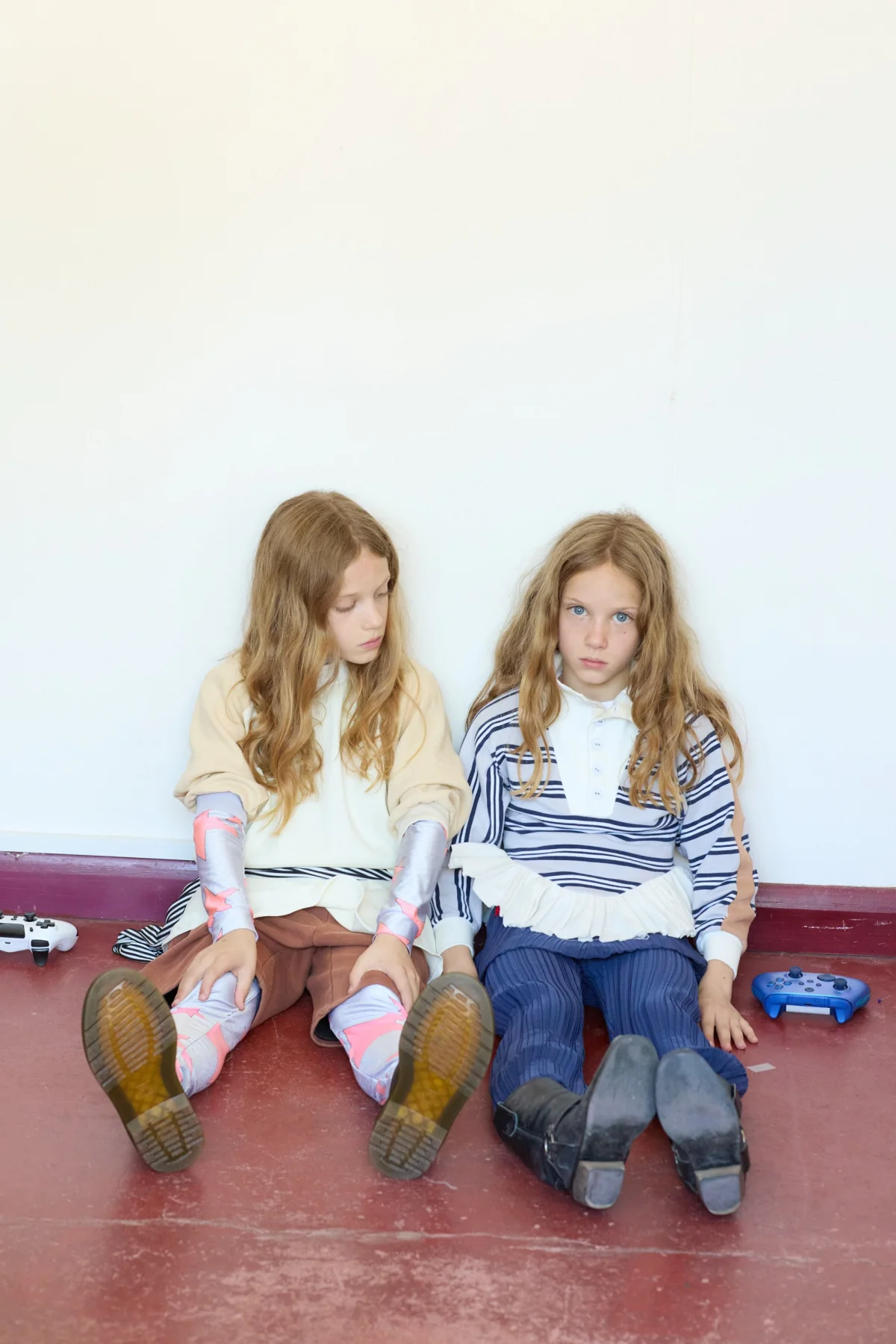
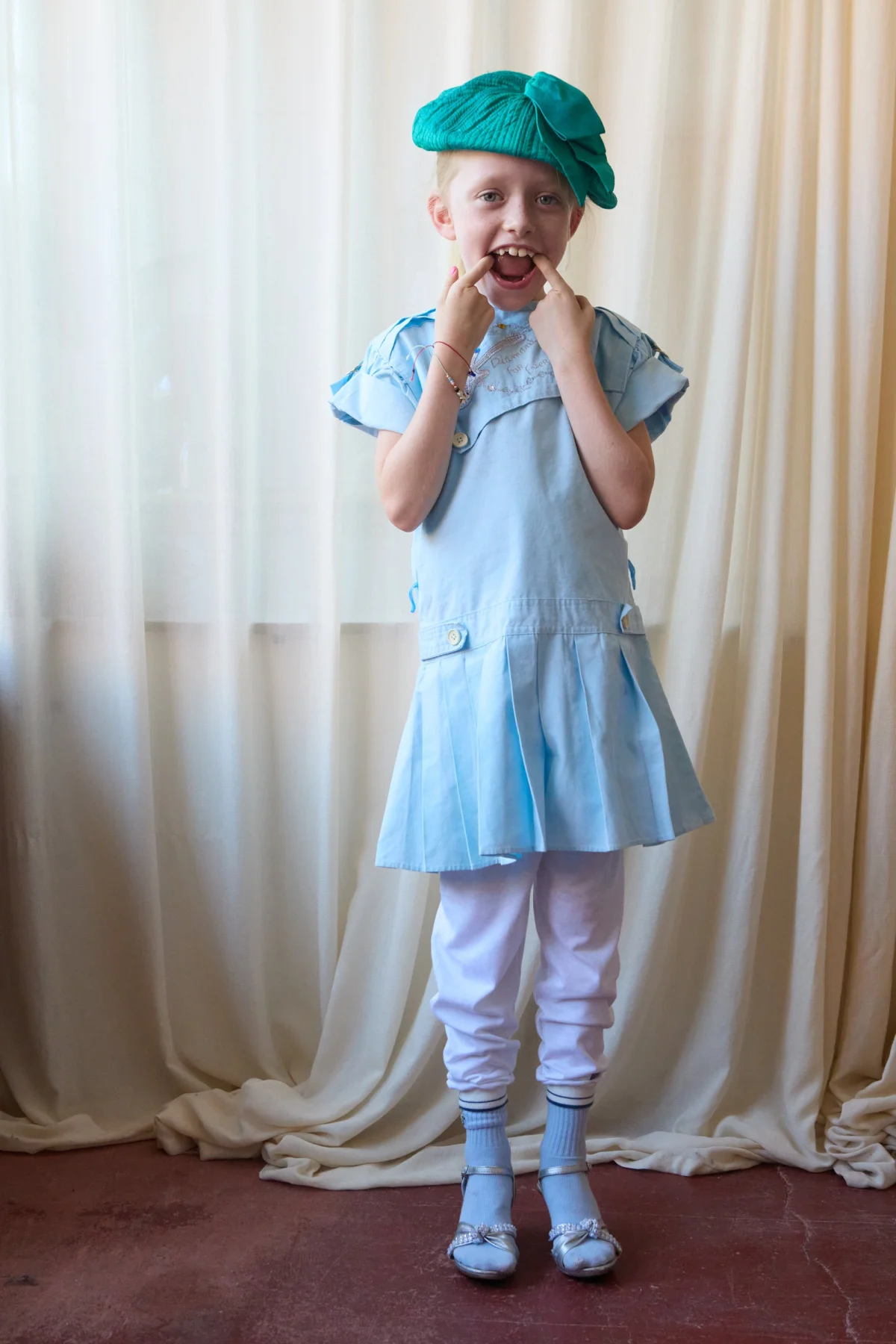
Sol’s appeal starts with a rare proposition in kidswear: clothes can feel playful and personal without copying adult fashion or defaulting to familiar cartoon dresses. Designer Elise Born builds each piece from vintage finds and handmade details, giving pre-loved fabric a new life while making room for children to dress with imagination.
Born’s eye for clothes began early. At 16, she was already altering prom dresses and hunting eBay for secondhand Phoebe Philo. One green, ruched Chloé runway dress with a deep neckline lodged in her mind; her own finds included cowboy boots, underwear worn as outerwear and Gucci belts she suspects were fake. That curiosity now feeds Sol, the kidswear label she started late last year.
A wardrobe built from old and handmade
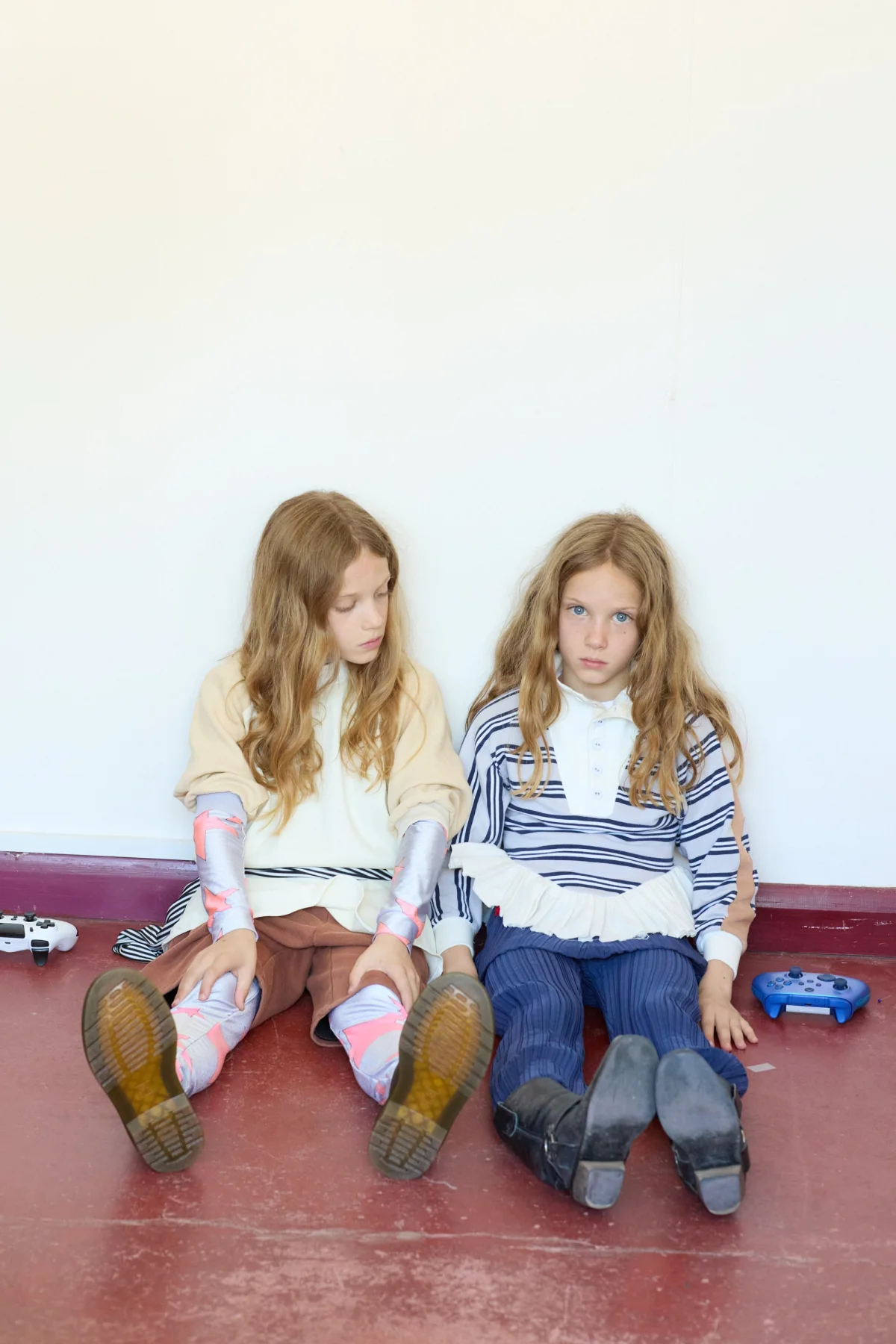
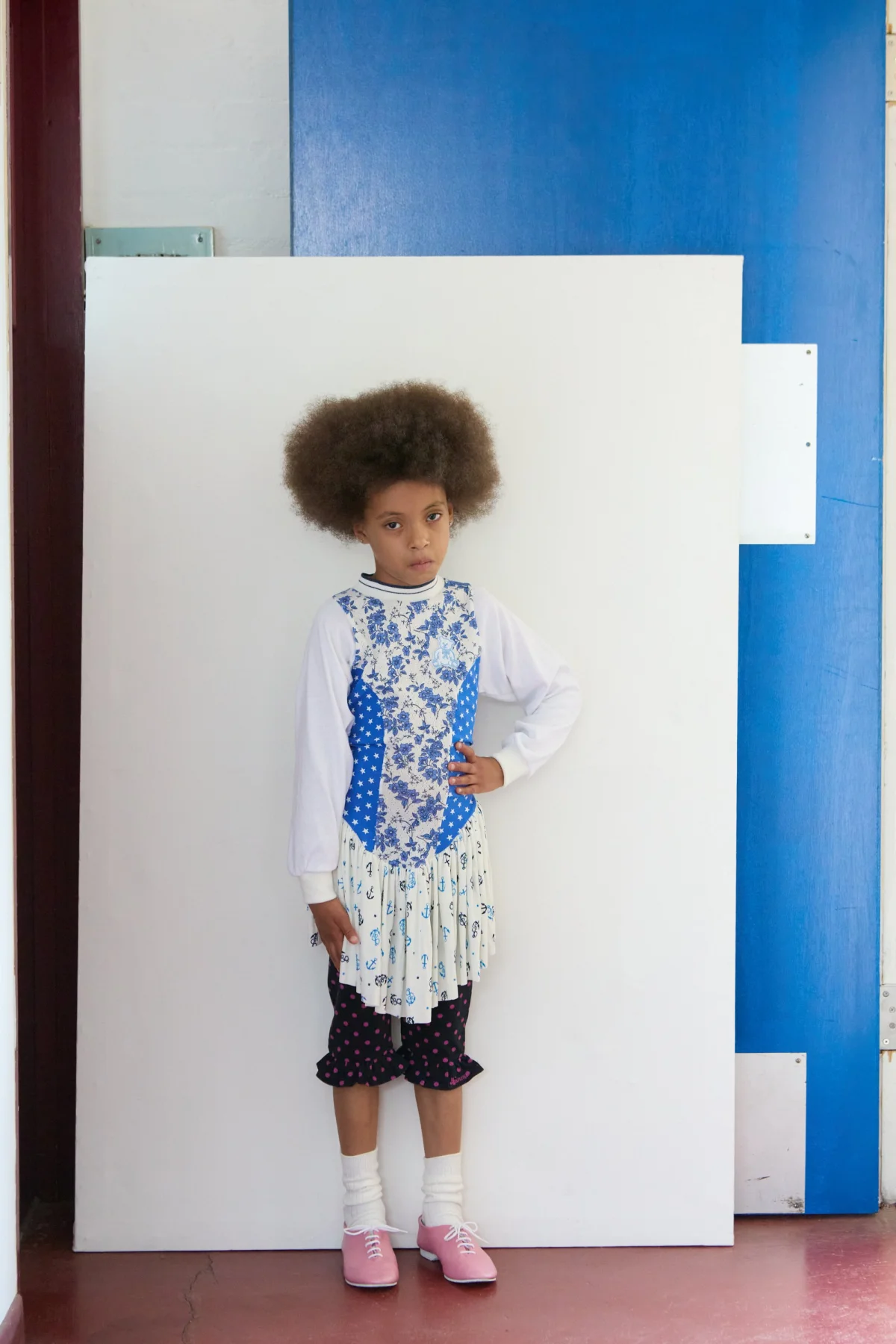
Sol draws on the shapes and spirit of the 1980s, ’90s and 2000s. Born mixes secondhand pieces sourced through eBay, Vinted and flea markets with her own work: small frilled dresses, tailored trousers and tiny crewneck tops sit alongside garments dyed, recollared or finished with contrasting trims and hand-sewn prints. A special vintage line is the exception to the upcycling approach; elsewhere, she gives existing clothes new character wherever she can.
Her preference for used clothes is partly aesthetic and partly about materials and environmental impact. “I very rarely care for brand-new clothes or new things in general,” she says. The mix is deliberately broad: high-end references meet pop culture and craft, without forcing the pieces into a polished, matching set. Sol looks like Born’s personal style translated into a miniature wardrobe.
The idea began with her seven-year-old daughter. Born’s first design for her was a navy-blue dress, with a new piece following roughly every six months. Becoming a parent, she says, narrowed her attention to the small rituals of preparing for a child, including building a wardrobe. That instinct connected with her own childhood in Birkerød, outside Copenhagen, where hand-me-downs from her older sister and cousins were a normal part of getting dressed. She wore clothes that began too large and eventually became too small.
Small-scale retail, a distinct point of view
Sol first appeared for sale on Instagram. After an in-person sale in December, Born began sharing her East London studio and retail space with designer Jake Burt of Jake’s, whose work is known for cutting apart and reworking hoodies. The brands share customers, and Burt encouraged Born to try a monthly in-person sale. That rhythm suits a label built around one-off materials and a hands-on process. As Born sees it, a business doesn’t need to grow in scale to make its work worthwhile.
Born’s grandmother helped shape that process. She sewed small floral dresses for the family and taught Born to use a sewing machine. That early experience sits alongside Born’s interest in making secondhand clothes feel considered: an old piece might come together with new Nike trainers or ballet flats finished with bows. After studying design, she moved to London in 2013, drawn to the range of ways to work in fashion. Copenhagen had a strong fashion scene, she says, but it could feel enclosed at the time.
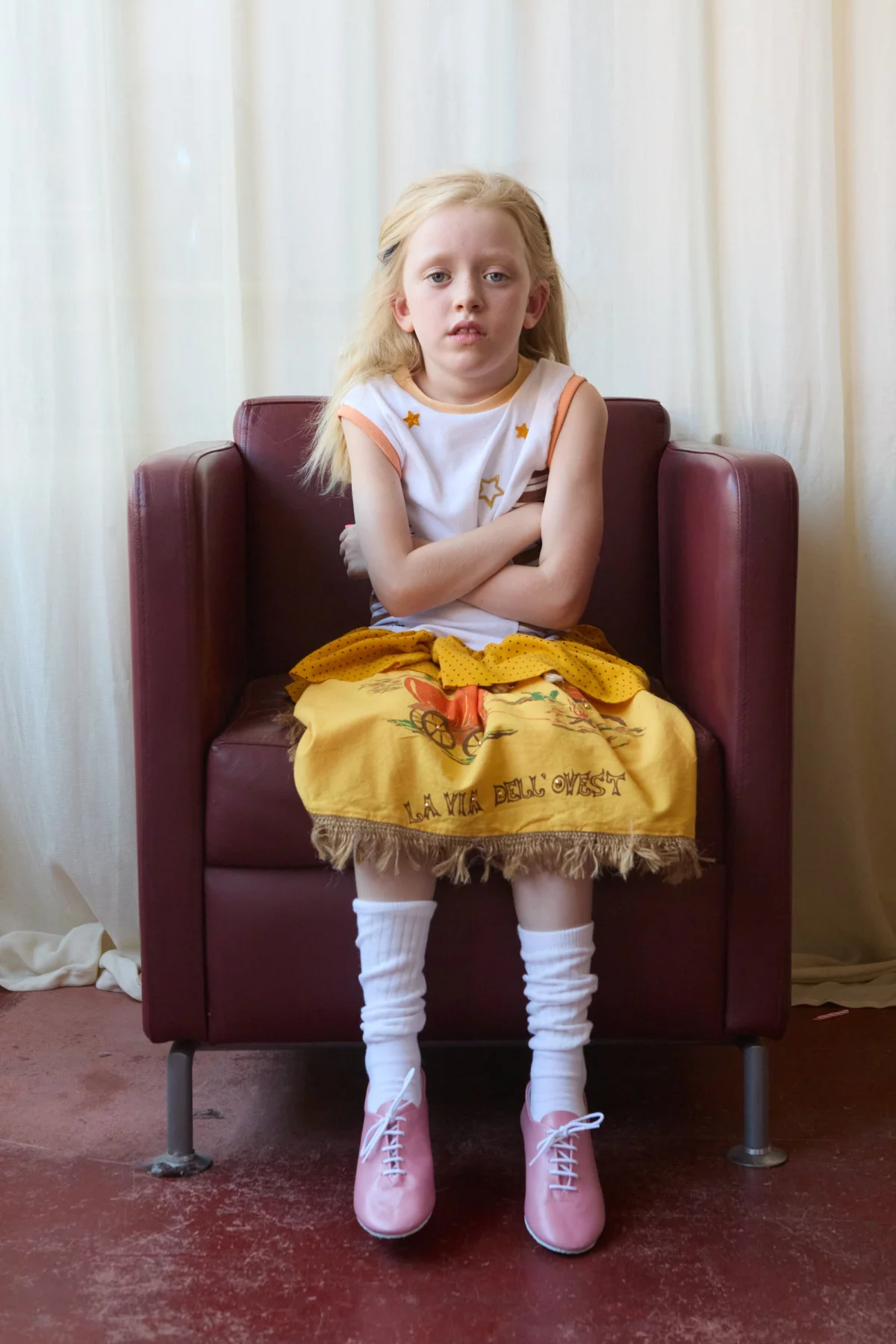
In the studio, toddlers’ clothes stand out against red flooring. One pink dress has stitched bears and dyed sleeves; crewnecks feature characters from The Simpsons and Bugs Bunny. Striped bloomers are cut from old bedding. A T-shirt reading “New York City Ballerina” in pink and silver glitter is the sort Born says she’d wear herself if it came in her size. Baskets at her workstation hold appliqués of teddies, deer and kittens, gathered from people reluctant to part with their old things.
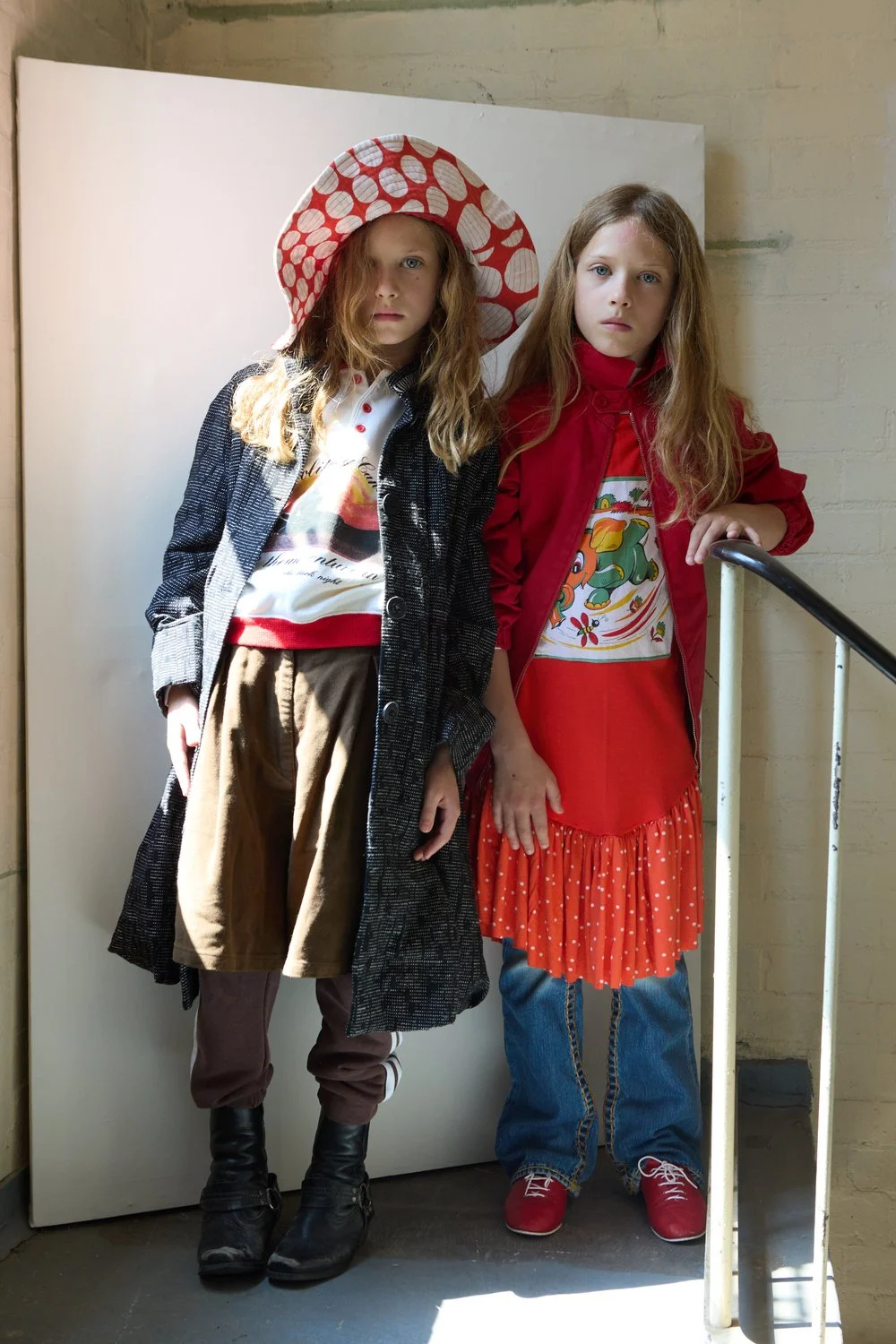
Sol currently sells through Instagram drops and a monthly pop-up. The clothes use grown-up references, but Born is careful to keep their point of view childlike rather than making children look like miniature adults. She describes the result as a blend of Danish sensibility and American pop culture. The label has caught the attention of British Vogue’s Naomi Smart and photographer Brianna Capozzi; Adwoa Aboah commissioned a custom look for her daughter to wear to a wedding, and Simone Rocha follows Sol online. Customers from Korea and Japan have also begun finding the brand.
Clothes children can make their own
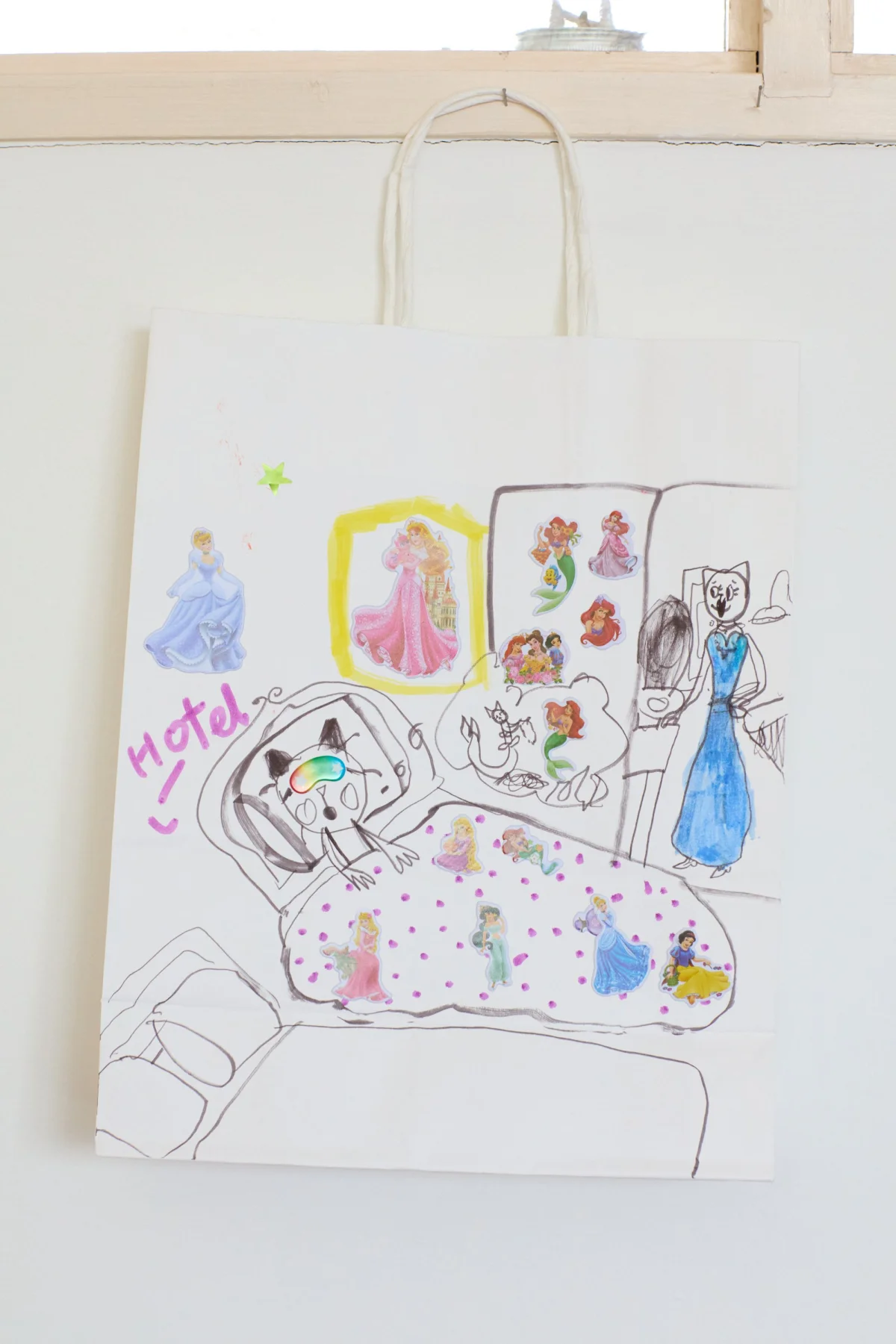
Born wants to offer parents a choice beyond familiar character dresses and fast-fashion copies. Her daughter is part of Sol’s identity: she created its tagline, “Best Clothes Ever,” and drew the designs for its shopping bags. The label’s tone is intentionally playful and a little naïve, while its styling reflects the references Born loves. For her, introducing children to different ways of wearing clothes can give them more room to develop their own tastes.
The larger idea is to value pieces that can be worn and handed down, even if that means buying fewer things and paying a little more for each. Sol’s upcycled fabrics, altered details and small-scale retail all follow that instinct. Born is making clothes rooted in her own memories, but the takeaway belongs to the children who wear them: getting dressed can be a way to experiment, play and express a point of view.
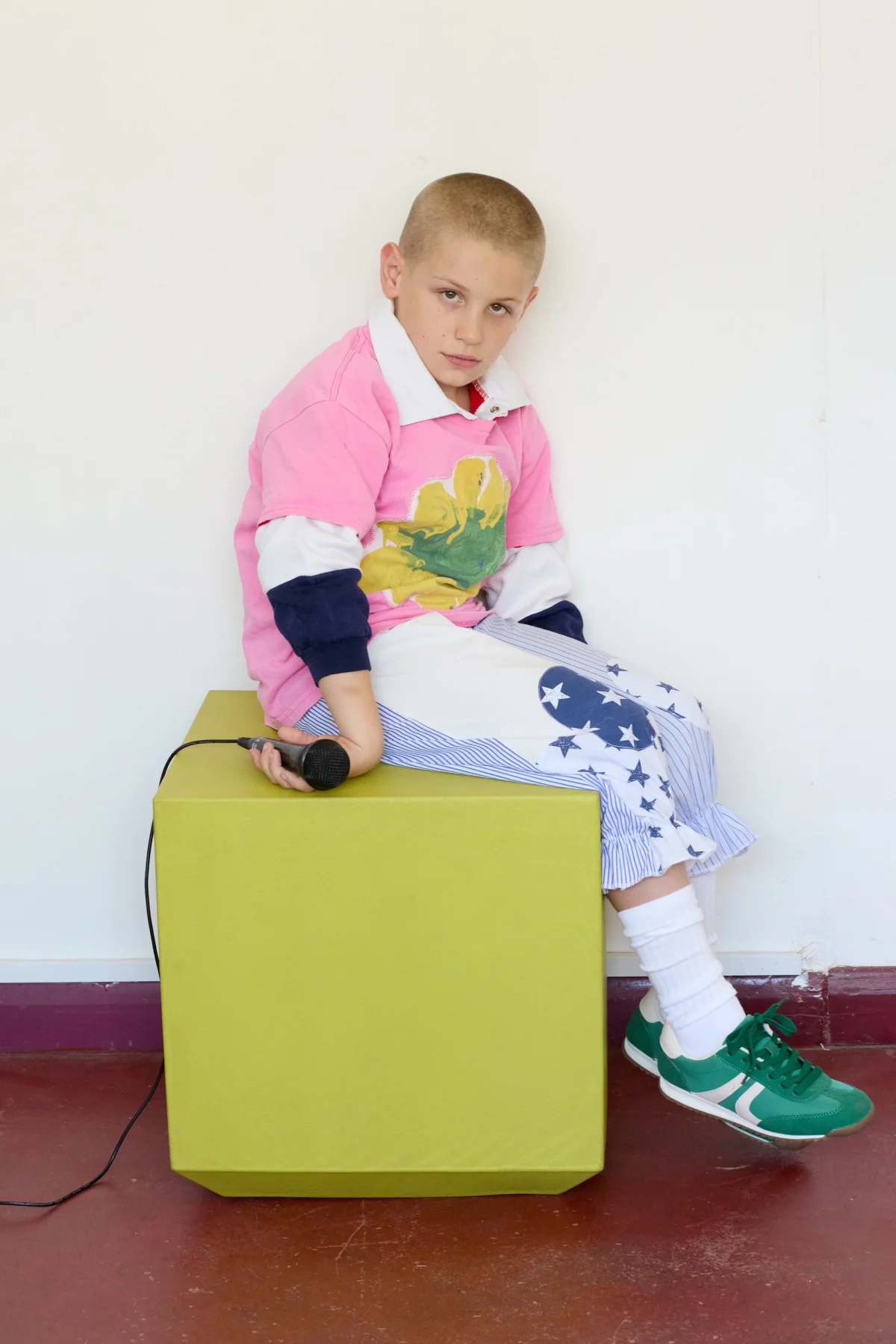
Models VINNIE & IRIS at SOUTH COAST KIDZ, EDEN at KIDS LONDON MANAGEMENT, UMA, AUGUST, YVES
Set Design HARRY STAYT
Styling Assistant QIANLING DU
Casting Director EMMA MATELL at DRIVE REPRESENTS
Casting Associate OLIWIA JANCEROWICZ
Production THE MORRISON GROUP
Production Assistant LOUIS MORRIS
Location SOL KIDS STUDIO, VYNER STREET
This story appears in i-D 377 “The Mother Issue,” available now at select retailers and online.
Written by ENI SUBAIR
Photography COCO WU
Styling GARY MOORE
All clothing worn throughout by SOL.