Protective Styles for Natural Hair: Braids, Twists, Locs and Care Tips
From knotless braids to Bantu knots, protective styles can limit daily handling. Learn how to choose a look and care for the hair underneath.

Protective styling works best when the style looks good and the hair underneath stays comfortable and cared for. Braids, twists, locs, Bantu knots, wigs and weaves can all keep natural hair tucked away, reducing daily handling and friction. But a style that pulls, feels too heavy or stays in too long can undermine that purpose.
Curly and coily strands can be more prone to damage because scalp oils have a harder time traveling along their length, says New York cosmetologist and curl specialist Cataanda James. Limiting manipulation can reduce friction and breakage, helping hair retain length, adds professional braider Kia Harper. The right choice depends on the look you want, how much upkeep you can manage and how your scalp responds.
There’s a wide definition of protective styling: styles that shelter natural hair from regular handling and environmental stress. Alongside the familiar braids and twists, the category includes crochet styles, sew-ins, wigs and even a tucked bun, says Binghamton hairstylist Rashuna Durham. These are the main options, and the details that make each one distinct.
Braids: versatile, with plenty of ways to personalize
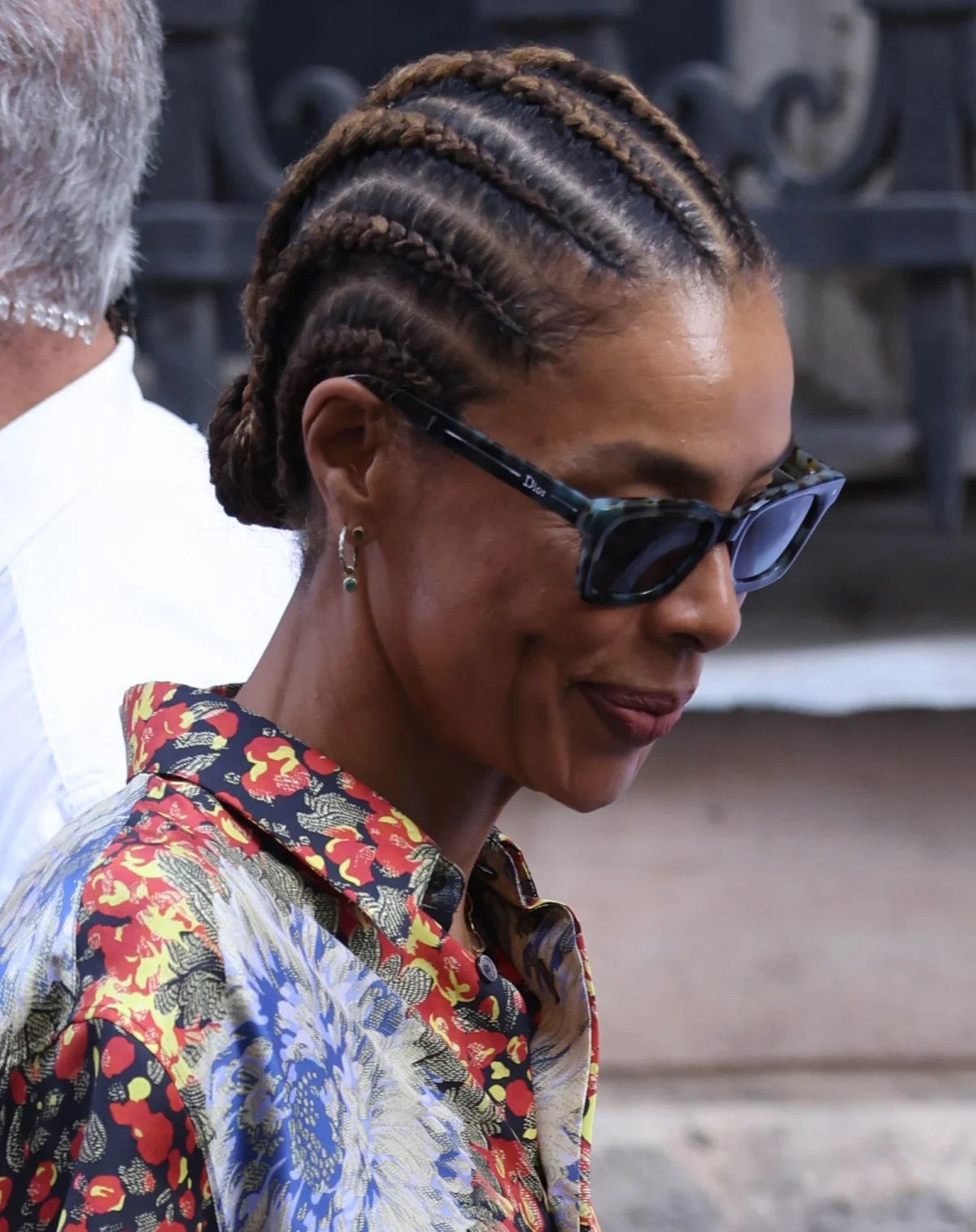
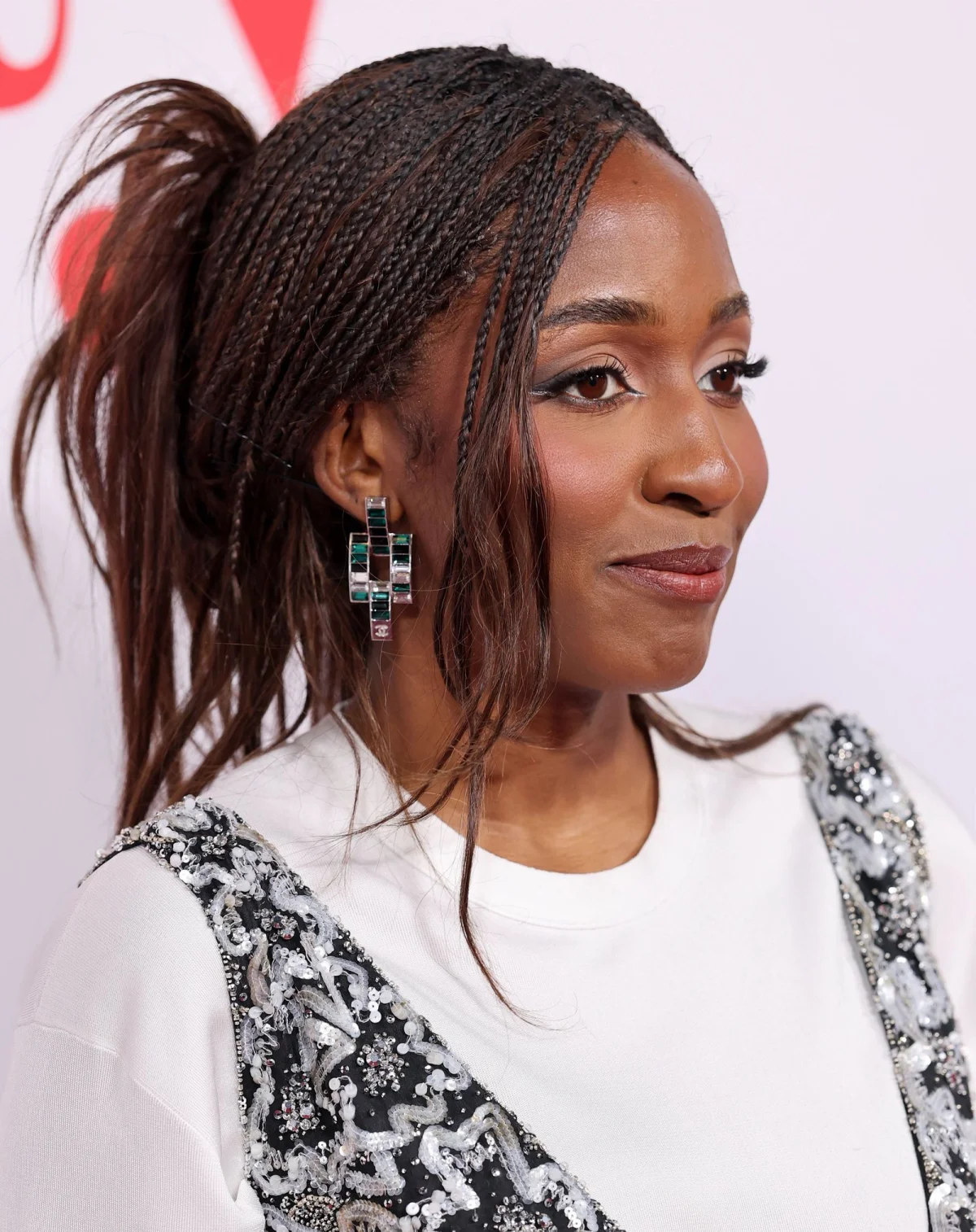
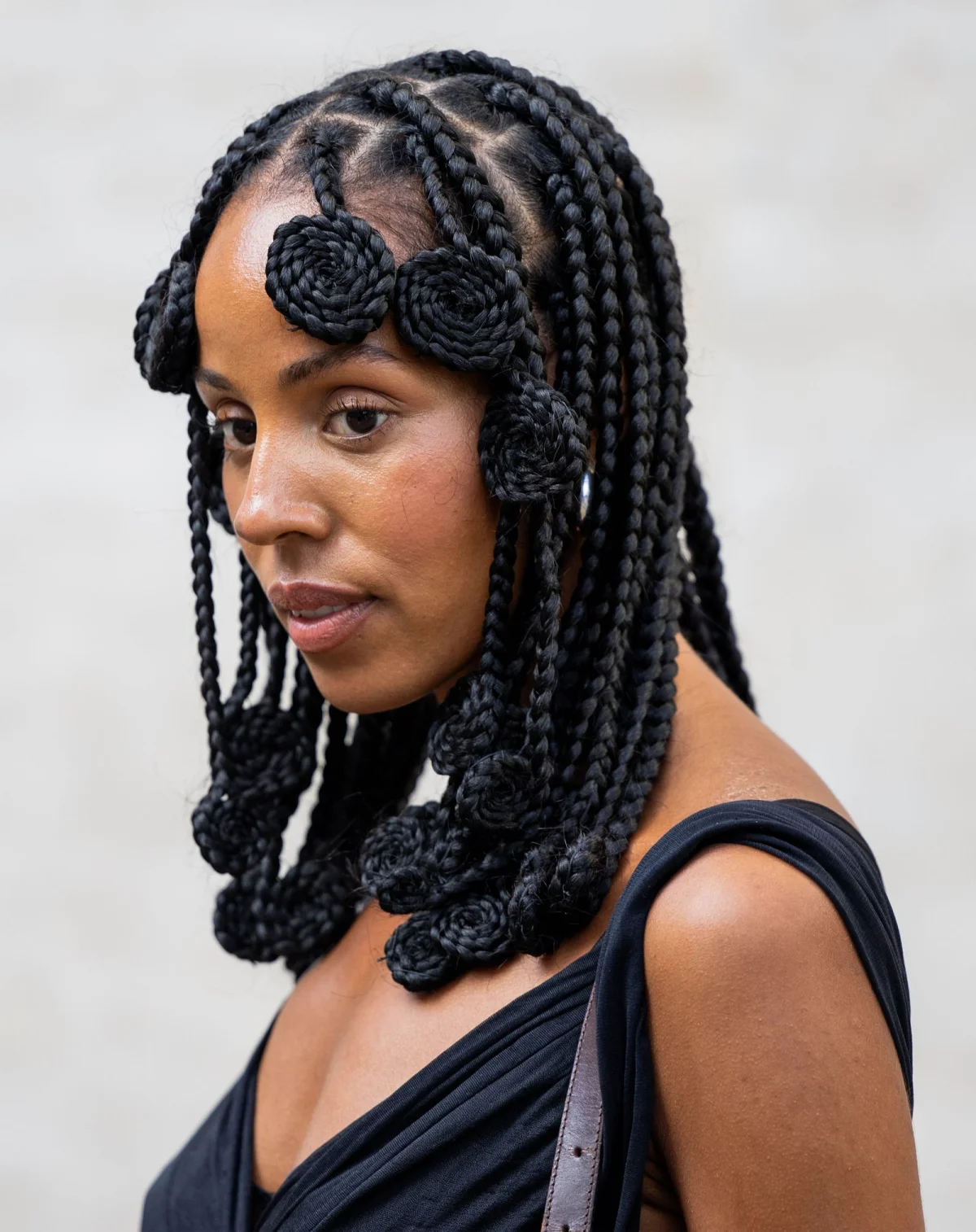
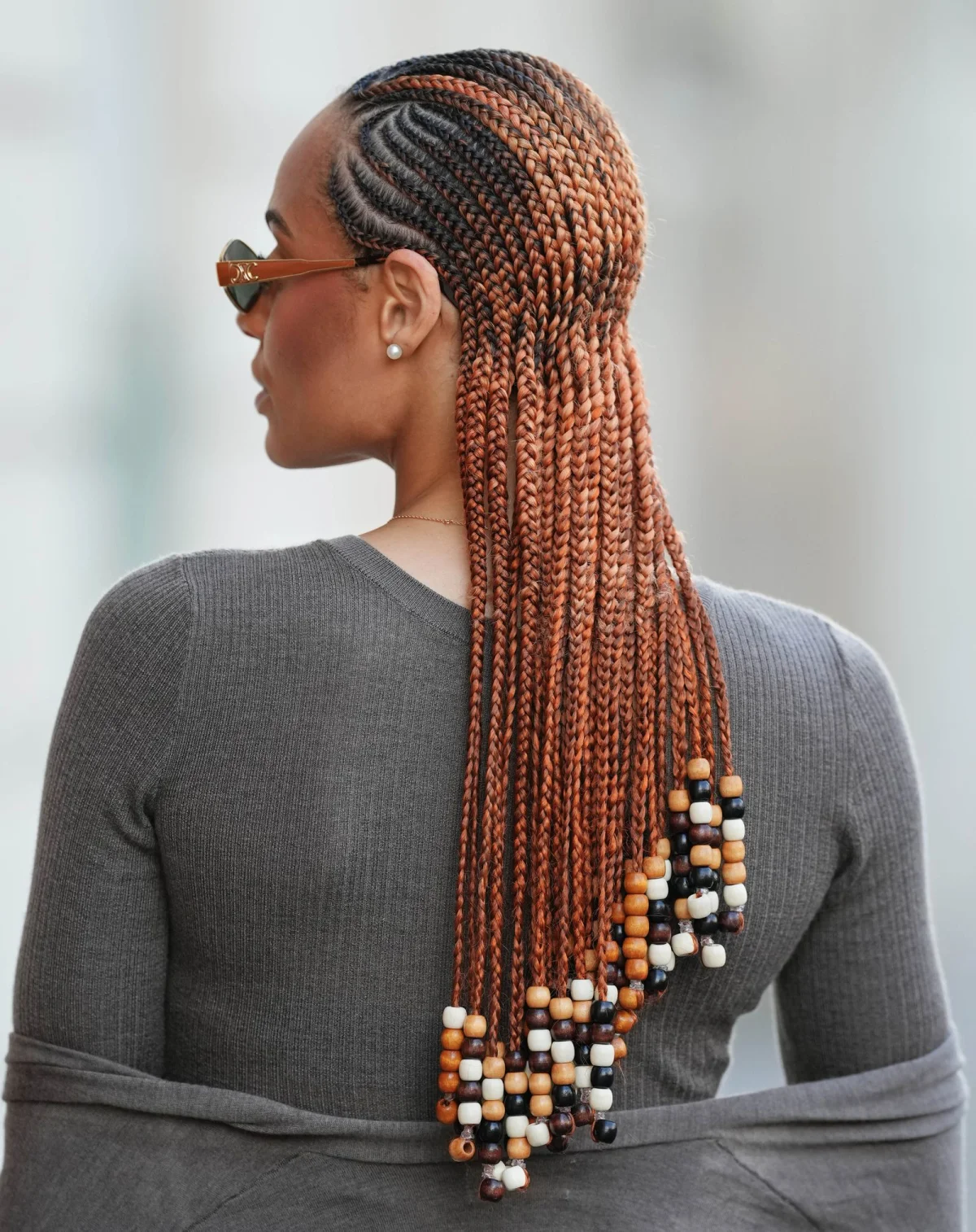
Braids use three or more sections of hair woven over and around one another, James explains. Their appeal is range: one installation can be worn loose, then rearranged into a bun, ponytail or updo. Many styles can last well over a month, and added hair offers options for extra length and fullness.
Cornrows lie close to the scalp, often in straight rows. Fulani-inspired looks typically pair cornrows at the front with loose plaits down the back. Box braids include knotless variations, among them goddess and boho braids. In knotless braids, added hair is fed into the plait gradually instead of being knotted at its base. When installed properly, the technique can feel lighter and more flexible, Durham says.
For a change of shape, braids can be pinned into an updo or gathered into a ponytail. Beads and other accessories offer another way to adjust the finish. The practical point is to choose a size, weight and installation that feel comfortable from the start; long wear is useful only if the style stays comfortable.
Twists: a two-look option
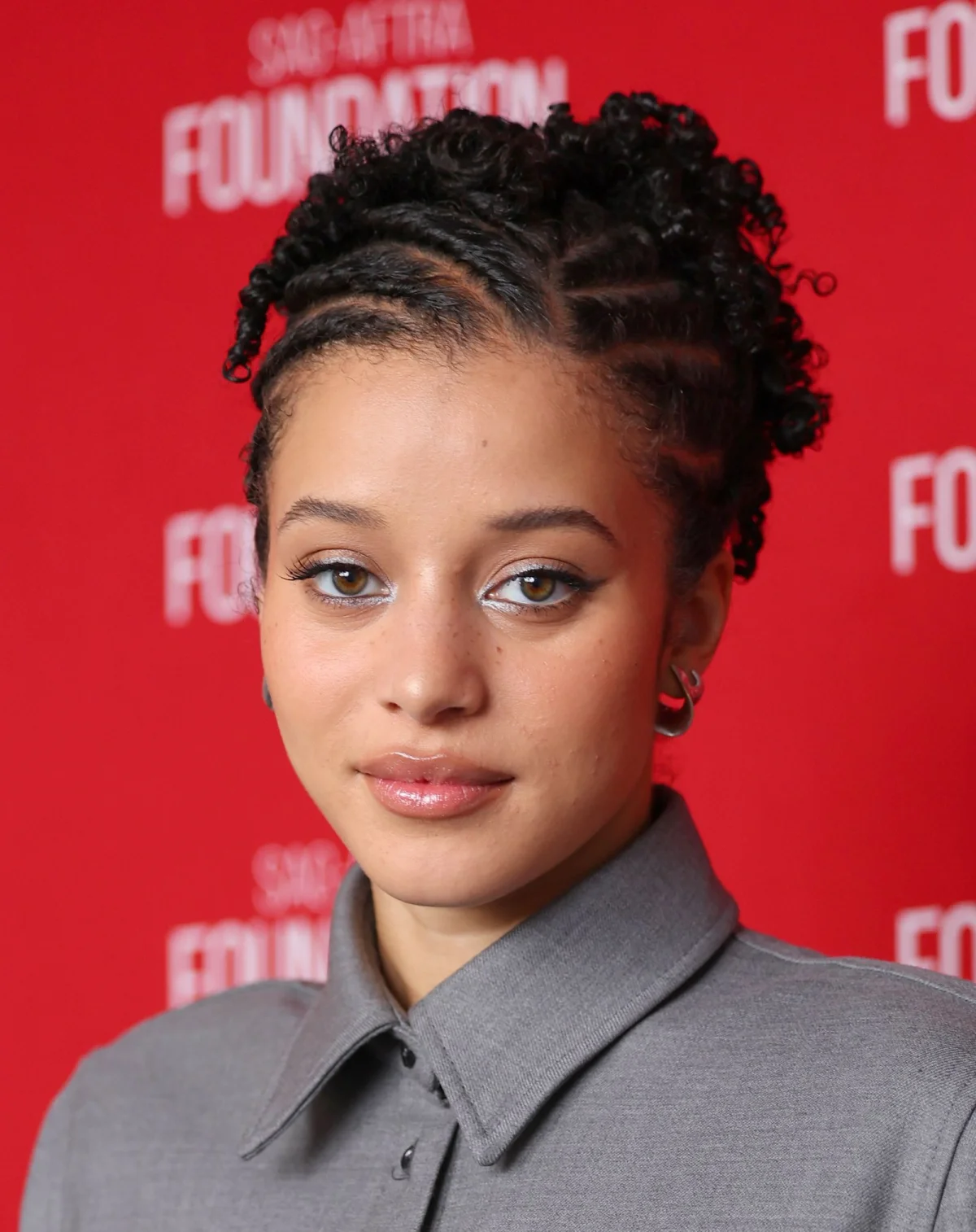
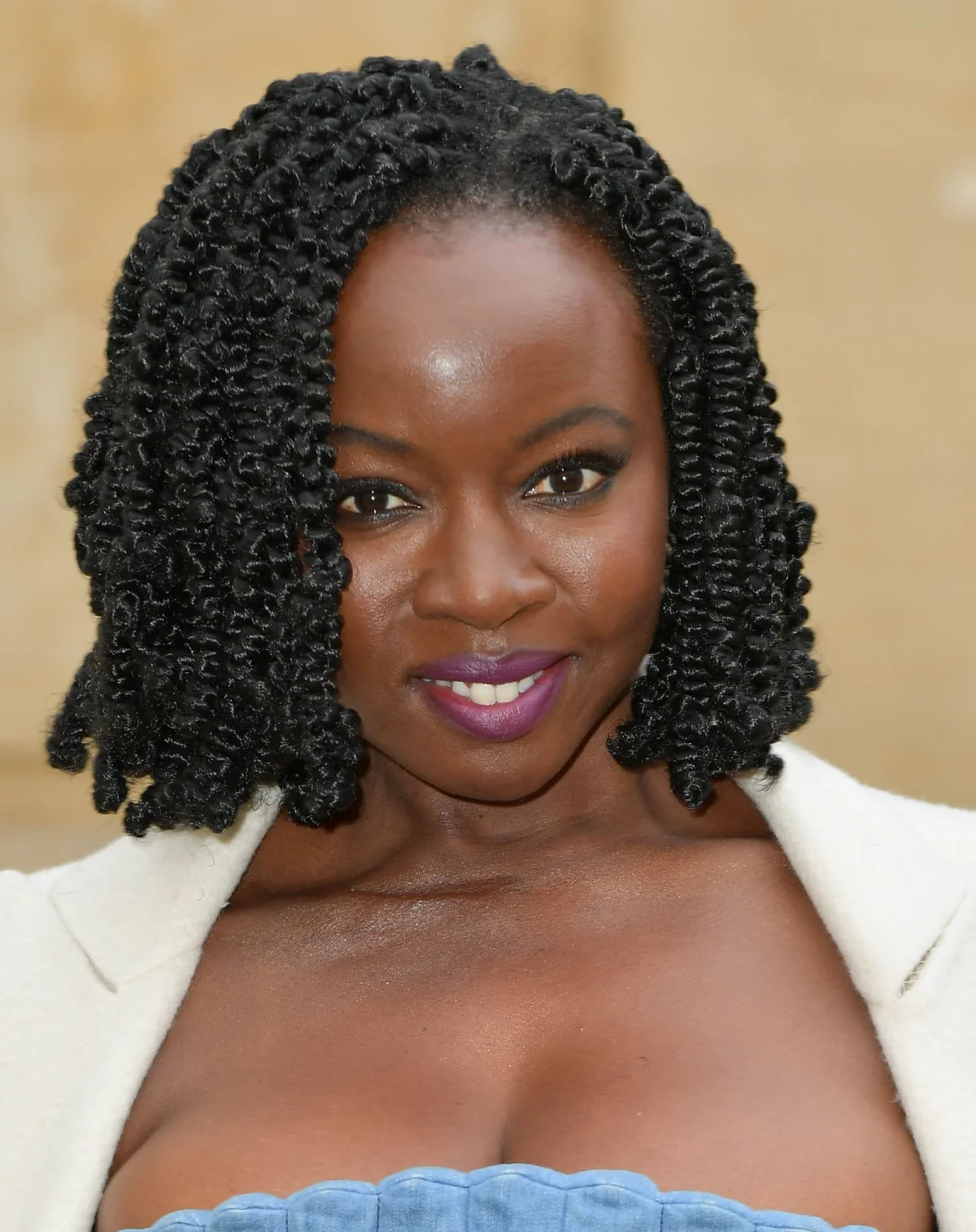
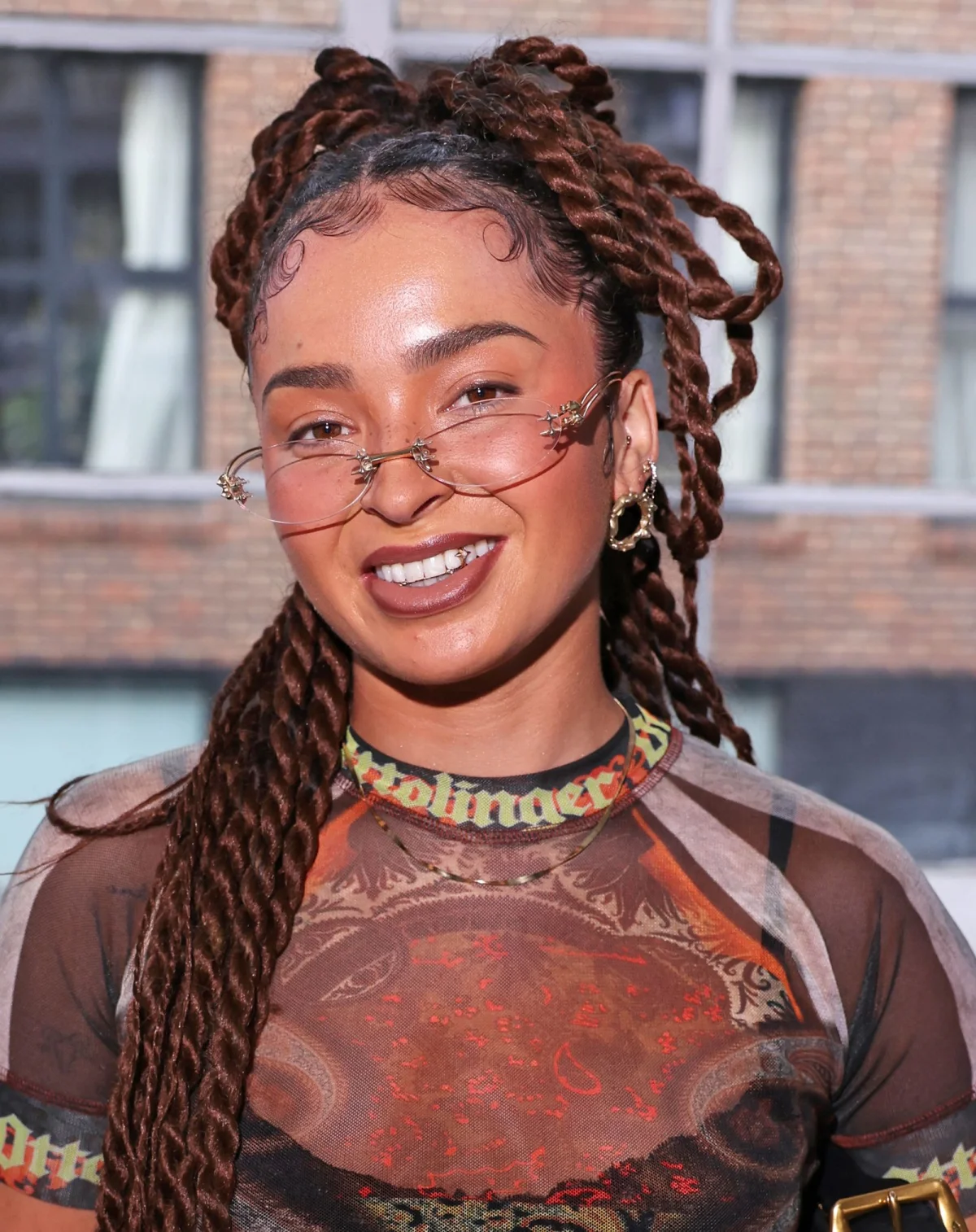
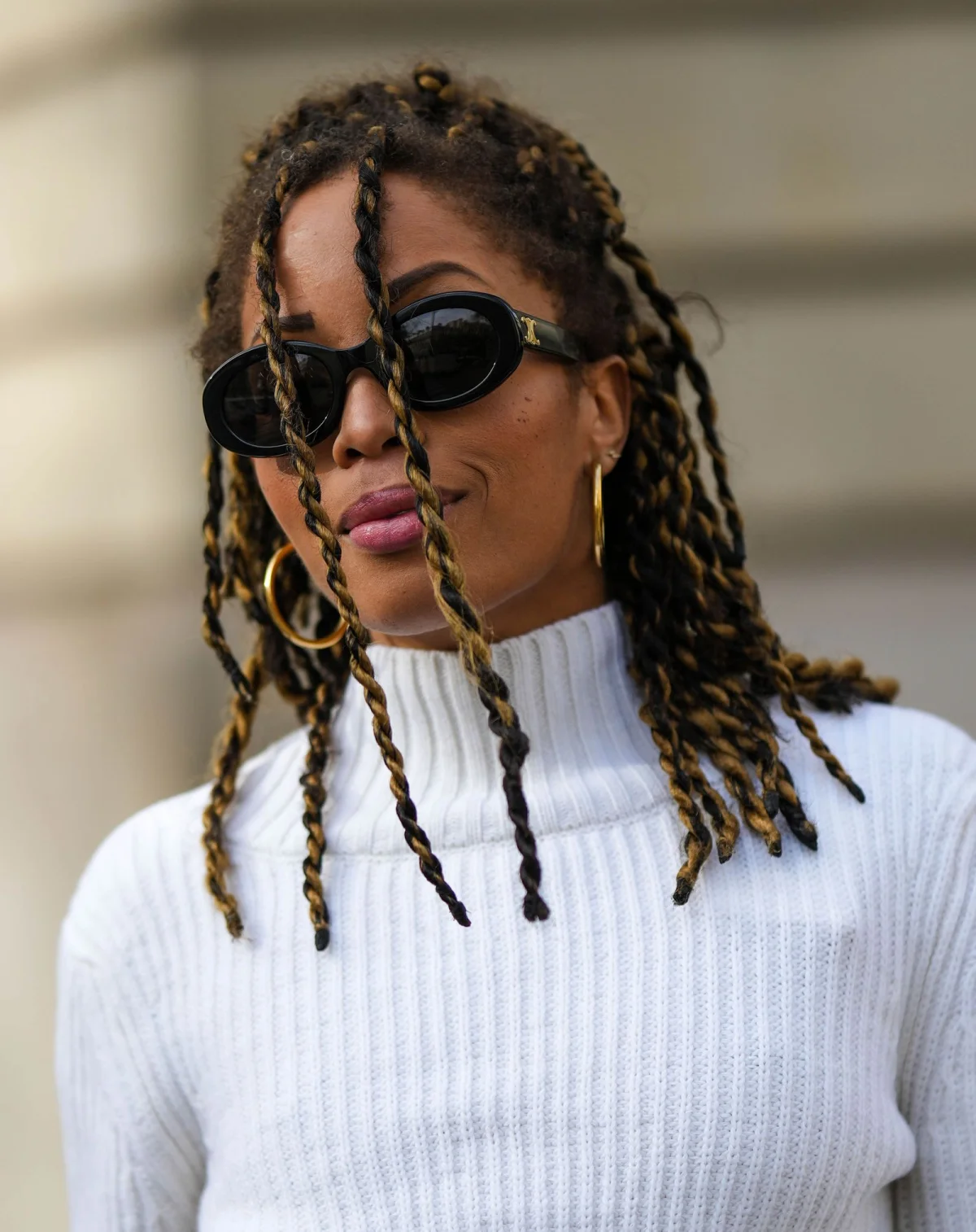
Twists wrap two sections of hair around each other. They can be worn with or without added hair, and their softly defined shape makes them a versatile alternative to braids, says Ohio hairstylist Ladosha Wright. Classic two-strand twists are also relatively easy to create at home. Wear them as they are, then unravel them later for a twist-out: Dallas hairstylist Mateo Kirkpatrick calls it a two-in-one style.
Flat twists sit close to the scalp, much like cornrows, while mini twists are made with very small sections. Popular extension styles include Senegalese, passion and Marley twists, Wright says. The choice comes down to the desired scale and finish, plus whether you want to work with your own hair or add extensions.
Locs: a longer-term commitment
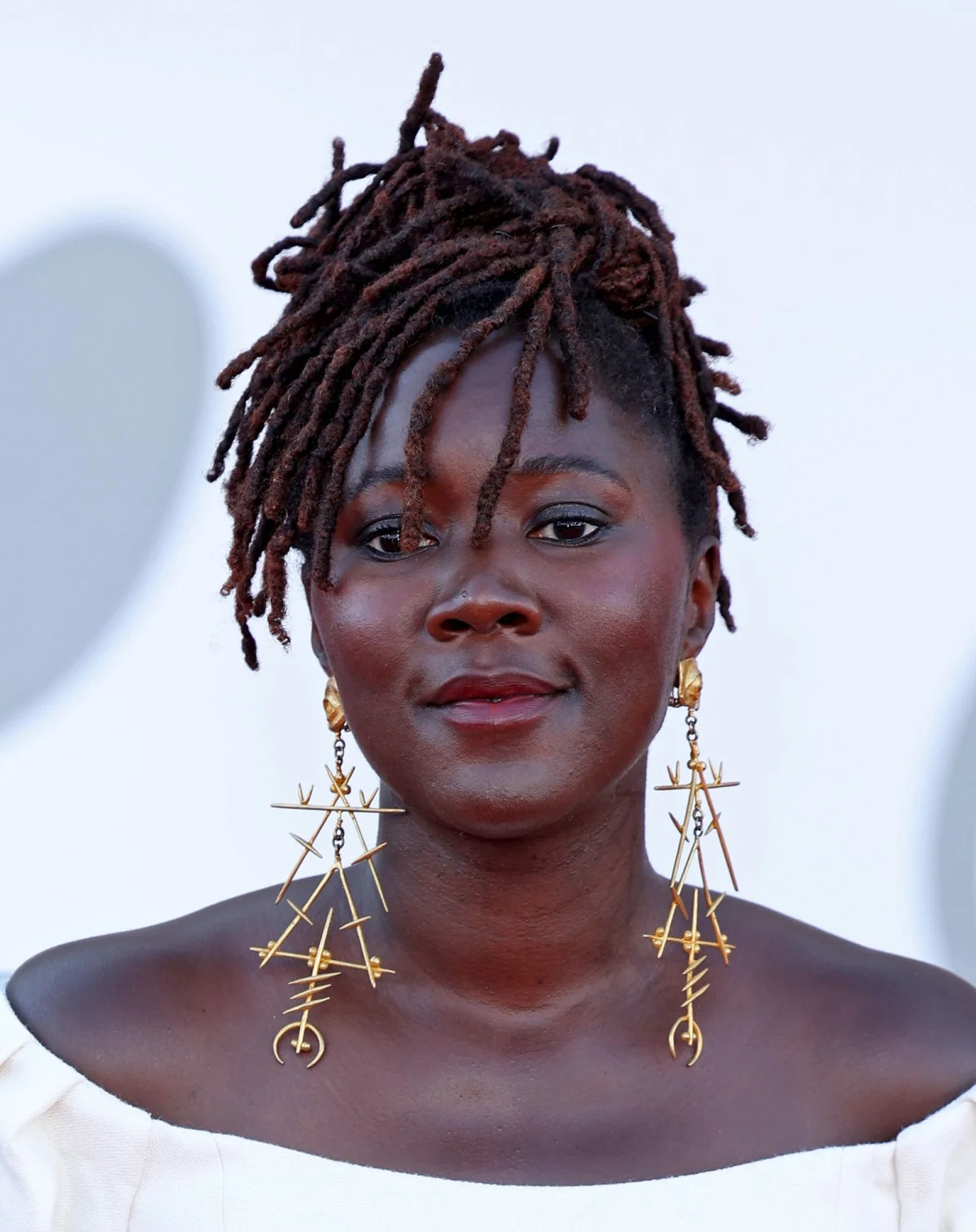
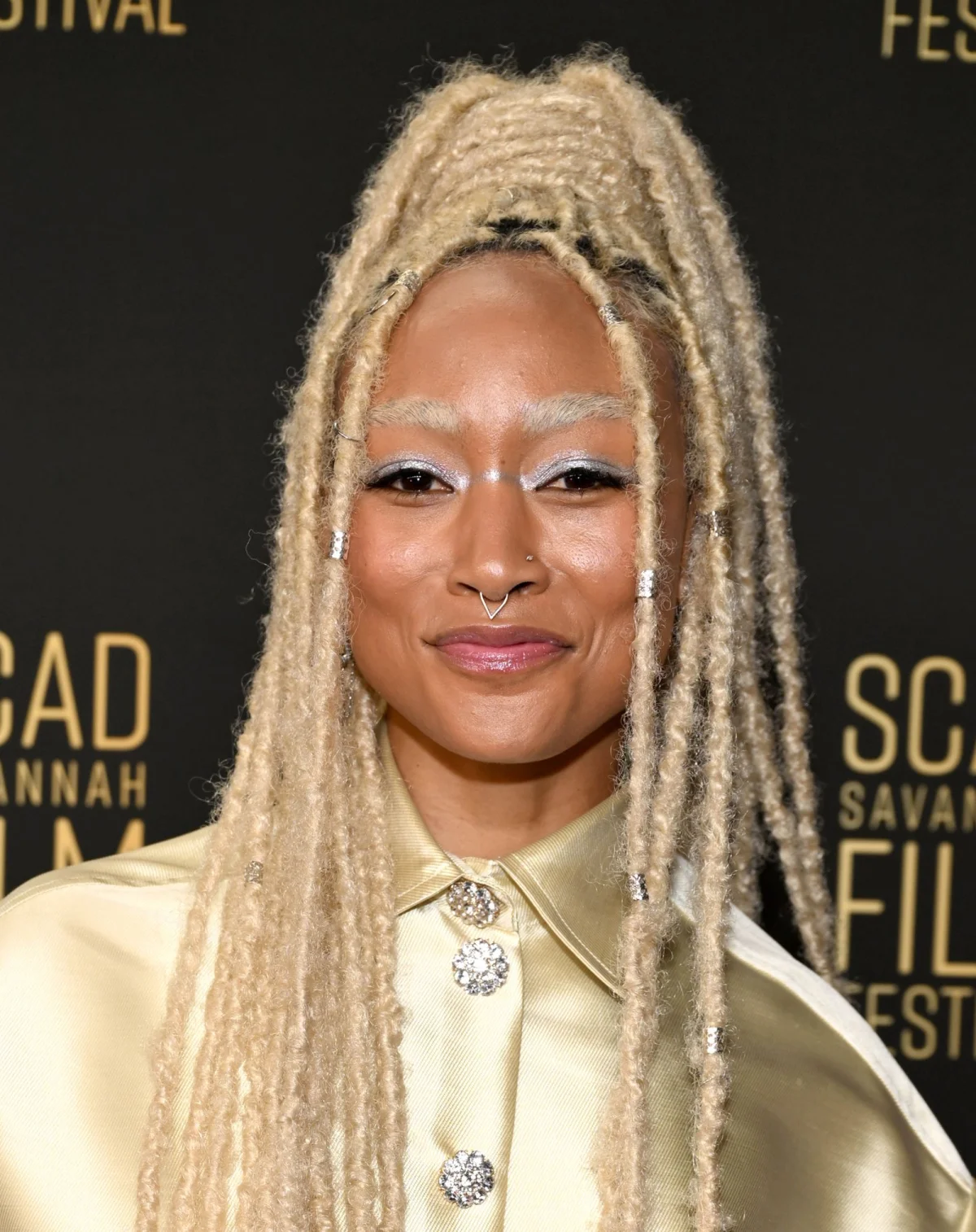
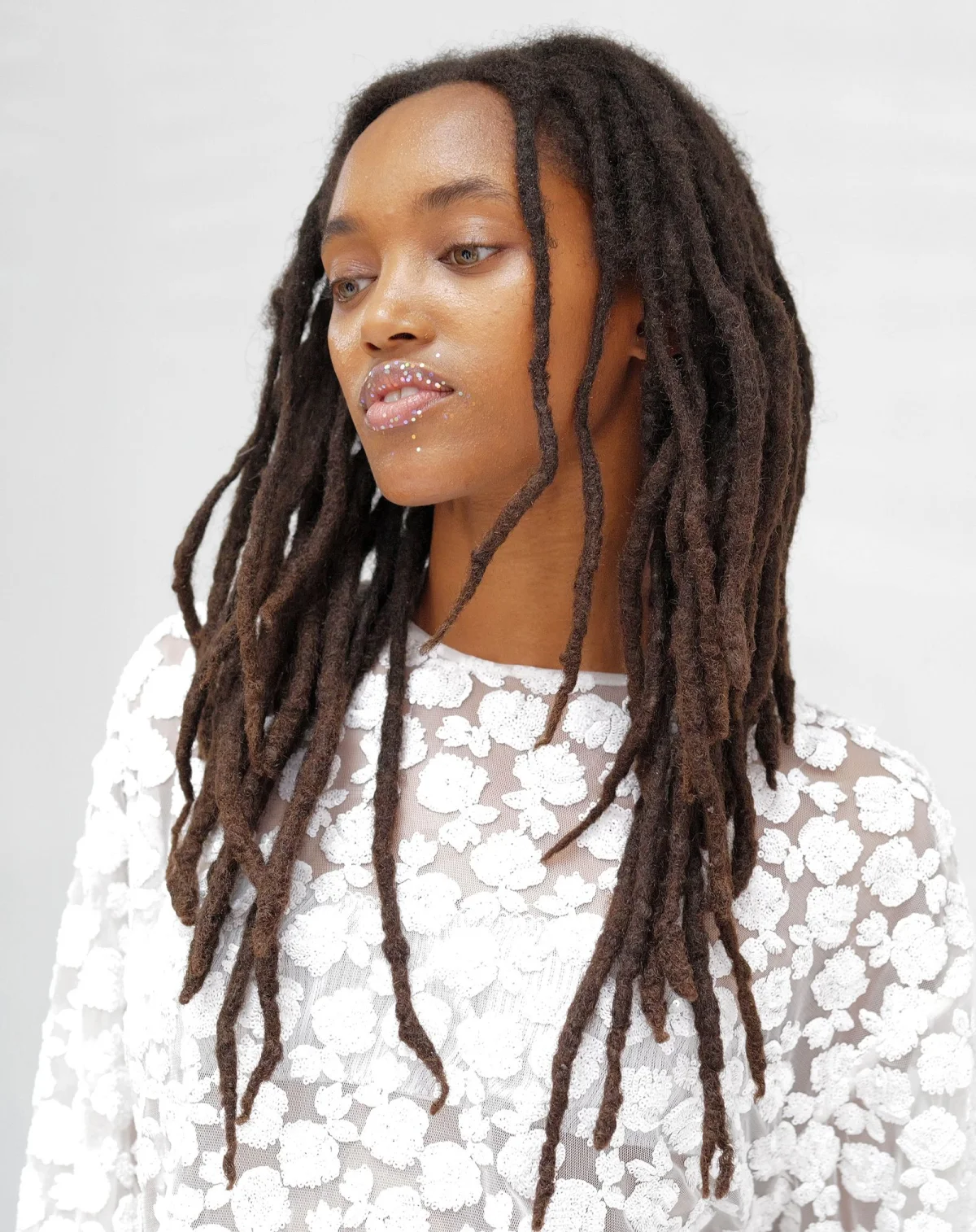
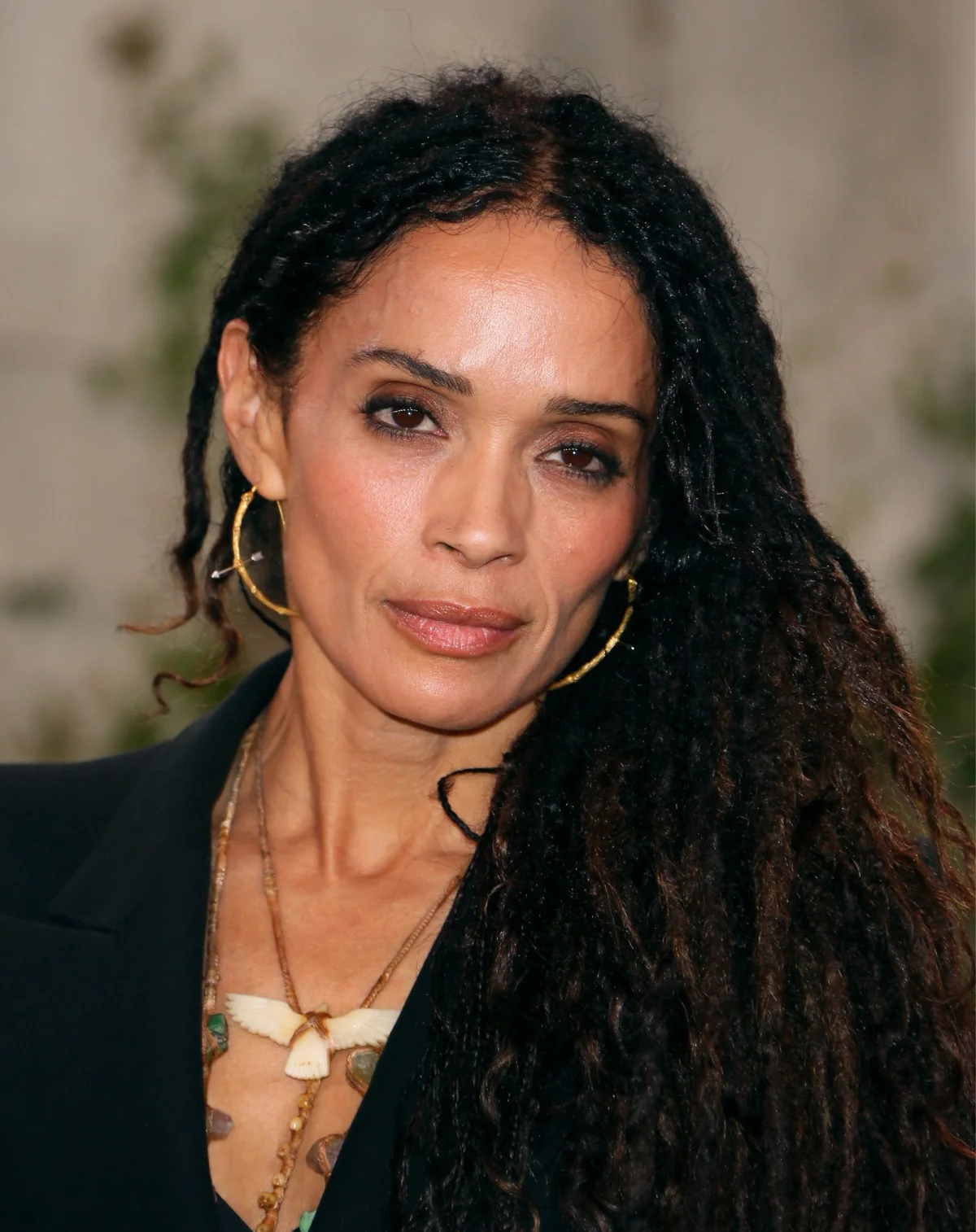
Locs form as sections of hair intentionally intertwine over time, Durham explains. One way to begin is with comb coils: a loctician sections clean, gelled hair according to its density and the client’s preferred parting, then coils each section with a tapered barber comb. Wright describes setting the style under a hooded dryer for 30–45 minutes, adding spritz during the final 15–20 minutes. Hair should be completely dry before the process is finished.
Other starting points include twisting the hair and leaving it to develop semi free-form, or letting it loc on its own through free-form styling. With naturally coily hair, the hair continues to loc as it grows. Wicks, Sisterlocks and microlocs are among the established options. Since removing locs can take considerably more time and effort than taking down most protective styles, faux and soft locs offer a temporary way to try a similar look.
Bantu knots and wrapped styles
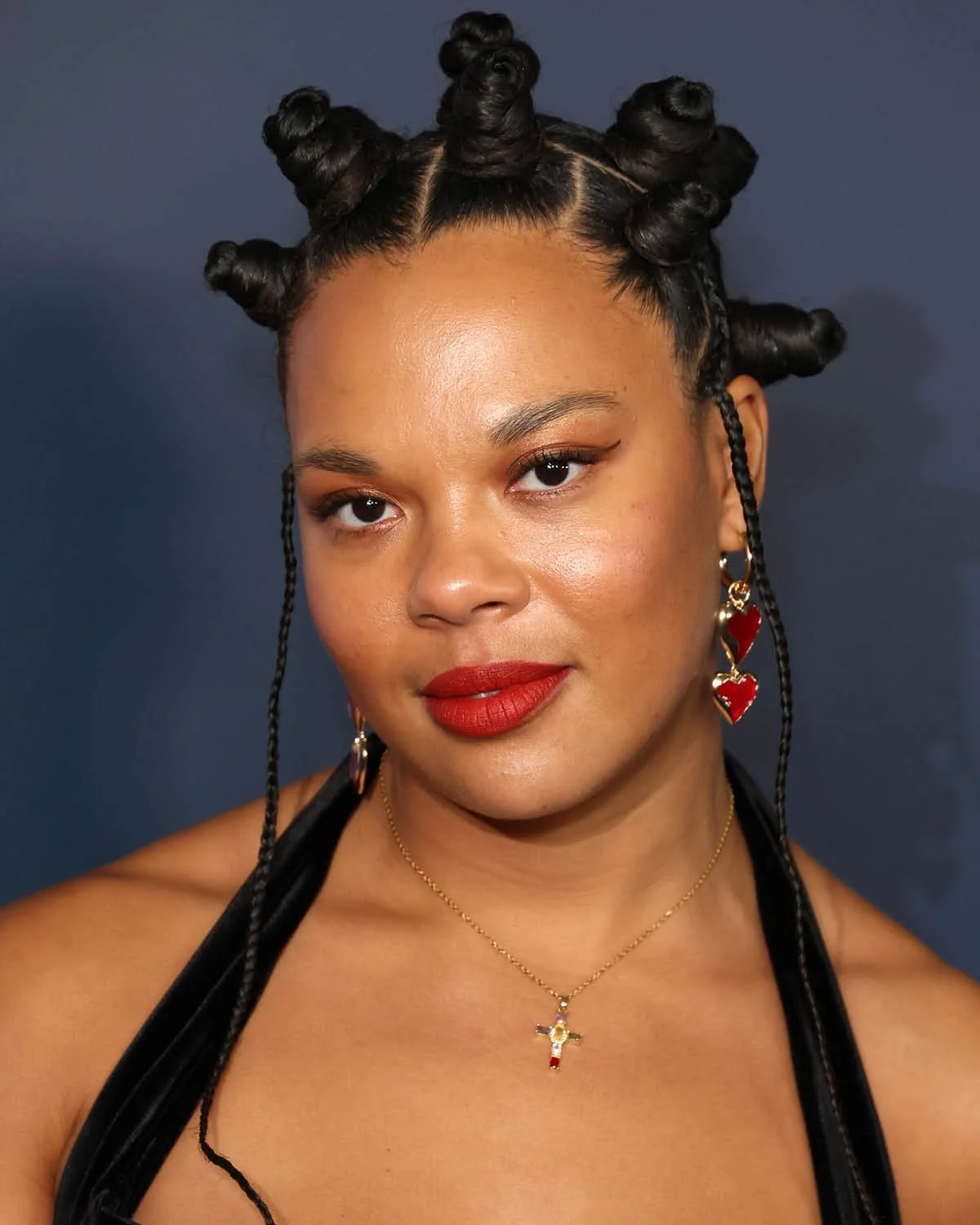
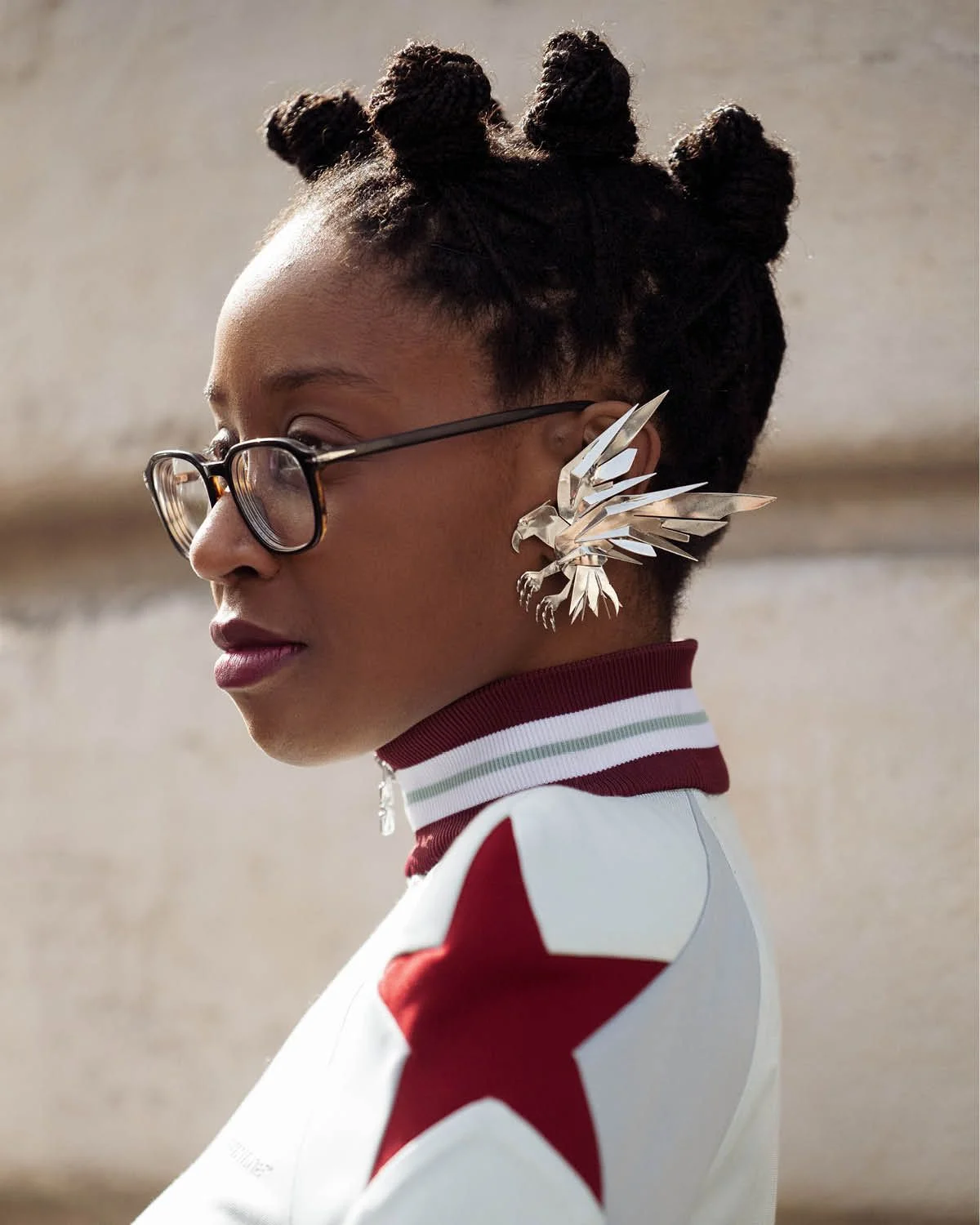
Named for the Bantu people of Sub-Saharan Africa, Bantu knots are made by sectioning the hair, twisting or braiding each section, then winding it into a small bun. The knots can be small, medium or large and can be created with natural hair or extensions. Keep the wrap snug enough to hold, without winding it too tightly.
The finished knots make a distinctive look on their own; unravel them and the hair has defined texture. Hairstylist Monae Everett has described them as a way to create heatless waves or preserve curls overnight. A tucked bun is another low-fuss option for keeping hair contained.
Weaves and wigs: consider access to the hair underneath
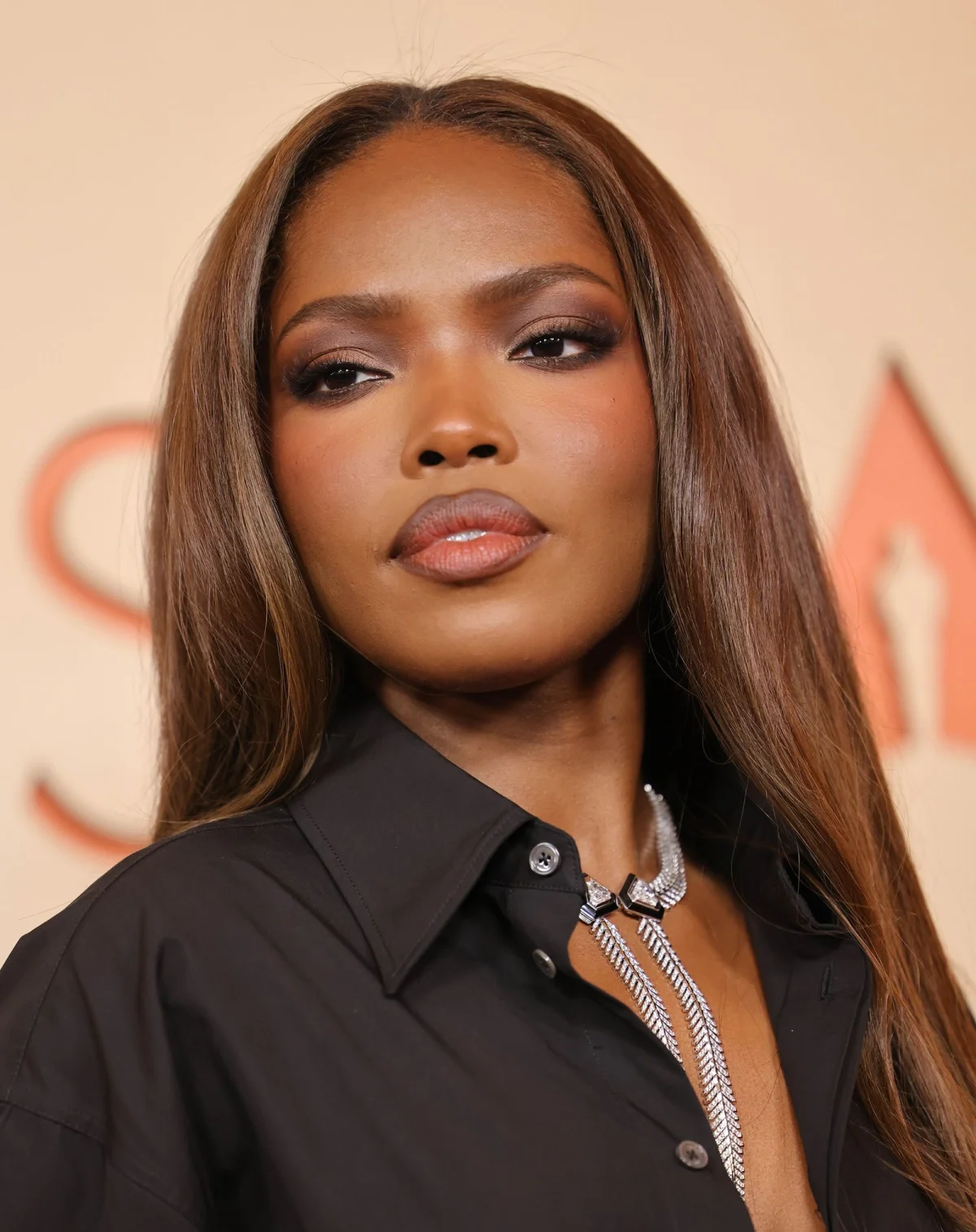

A weave attaches extension hair to natural hair in different ways, James says. For a sew-in, a stylist cornrows the natural hair, then sews the extensions into the braids. James considers this a protective way to add length and fullness because the natural hair is tucked beneath the weave and less exposed.
Wigs, including half wigs and partial styles, can also cover natural hair. James advises removing full wigs daily or periodically, saying that wearing one continuously can block air and nutrients from reaching the scalp and follicles. For longer-term wear, she favors a sew-in over keeping a full wig on without breaks.
Comfort, cleansing and takedown matter
Protective styles aren’t the right fit for everyone at every moment. If hair is fragile or damaged, dermatologist Jeanine Downie, MD, advises prioritizing hair care before installing a style. She also recommends care around styles that may pull at the hair, and says people with scalp conditions or sensitive skin should consider how an installation might affect them. Some synthetic hair can irritate skin; human hair may be a better option for people who are sensitive to synthetic materials.
Tension, heavy extensions, product buildup and rough takedown are the main drawbacks experts flag. A style shouldn’t hurt during installation. Downie says small red or white bumps at the base of braids, or even dull pain, can signal that the style is too tight. If it feels painful or places a heavy pull on the scalp, speak up with the stylist rather than waiting for the discomfort to pass.
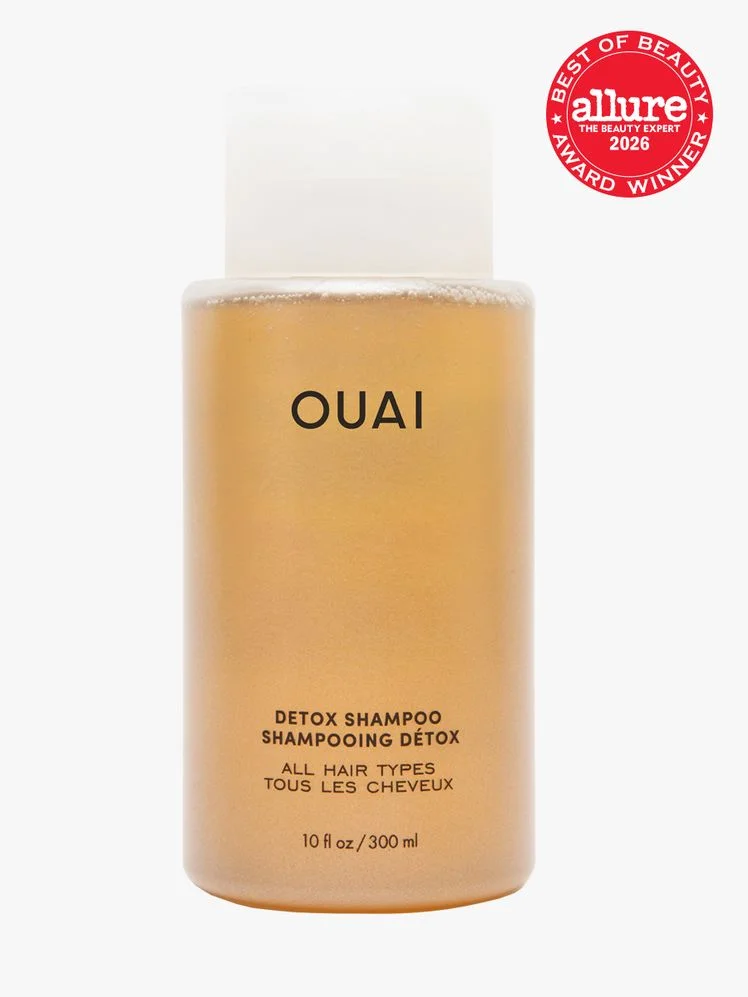
Keeping the scalp clean matters while hair is tucked away. Downie recommends washing and conditioning frequently, ideally once a week, and using a detoxifying shampoo. Ouai Clarifying Detox Shampoo, priced at $34 at Amazon, Shop and Ulta Beauty, is described as using apple-cider vinegar and chelating agents to remove impurities.
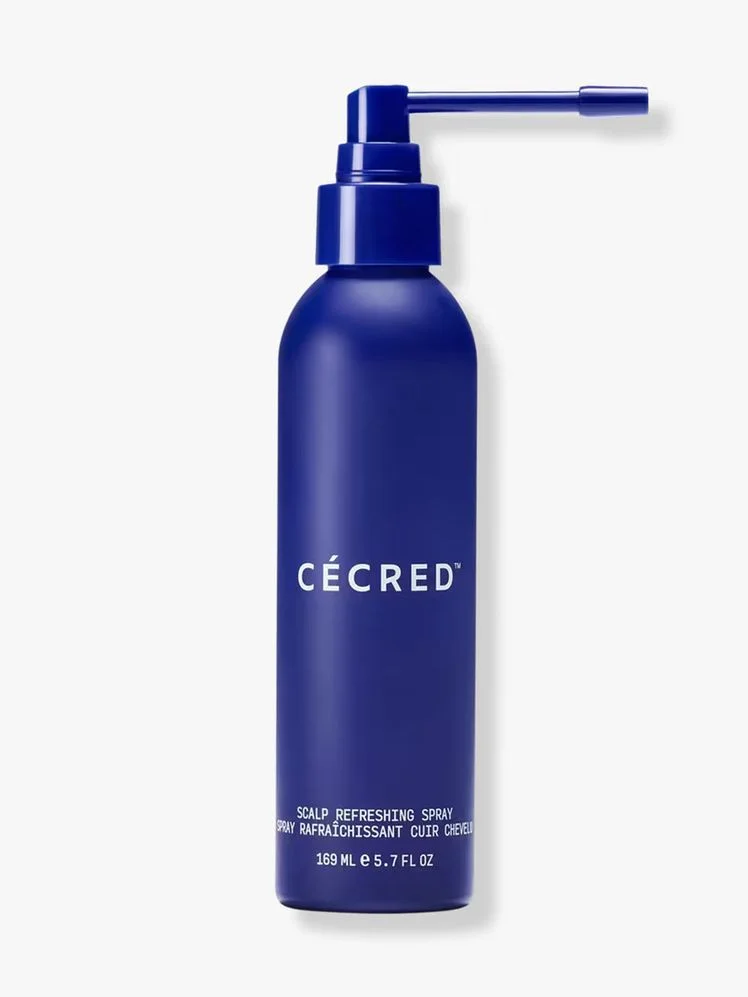
Washing around braids and twists can be manageable when the scalp is accessible, but not everyone can cleanse without disturbing the style. In that case, James suggests scalp or braid sprays made for protective styles. Cécred Scalp Refresher Spray, priced at $38 at Shop and Ulta Beauty, uses ferments to dissolve buildup. Its slim nozzle is designed to reach between braids without disturbing the style.
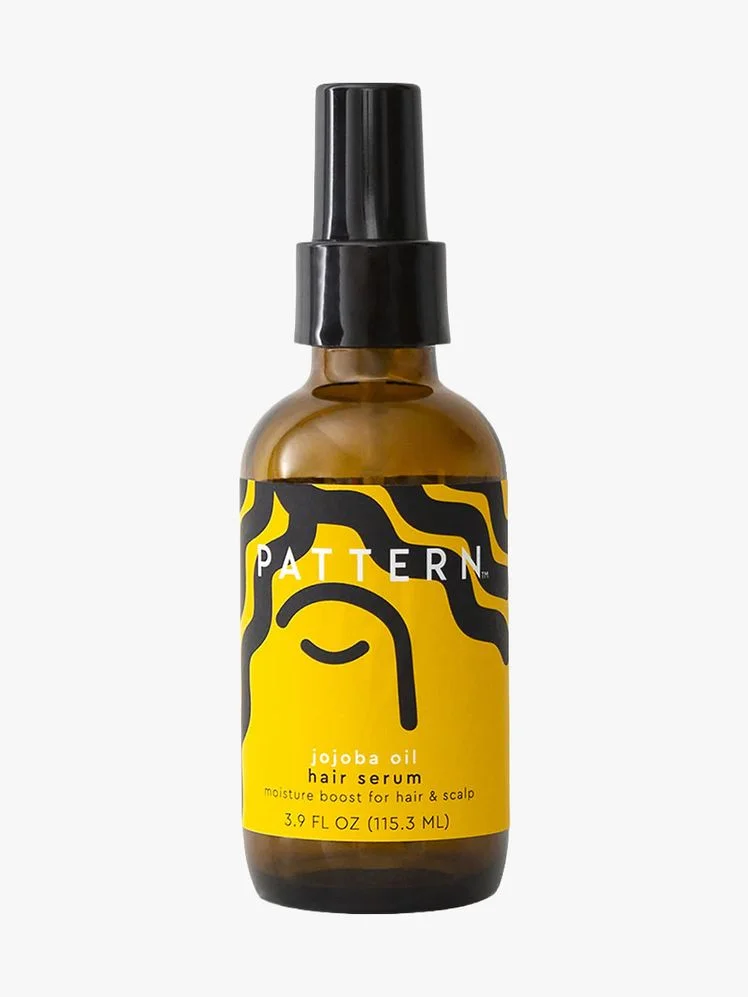
After washing, Downie suggests choosing lightweight, fragrance-free, more soluble oils over heavy, occlusive waxes. Pattern Jojoba Hair & Scalp Oil Blend features jojoba; the source lists the product at $29 at Amazon, Shop and Ulta Beauty.
Finally, plan the takedown as carefully as the installation. Ask your stylist for guidance if you’re unsure how to remove a style, and give your natural hair a break between appointments, Harper advises. A protective look should make everyday styling easier while it’s in; its real measure is how comfortably you can care for the hair underneath.