Elemis Dynamic Resurfacing Facial Pads Review: What Editors Noticed
Elemis pairs lactic acid with enzymes in these $69 pads. Editors report smoother, brighter-looking skin, with results and comfort varying by routine.
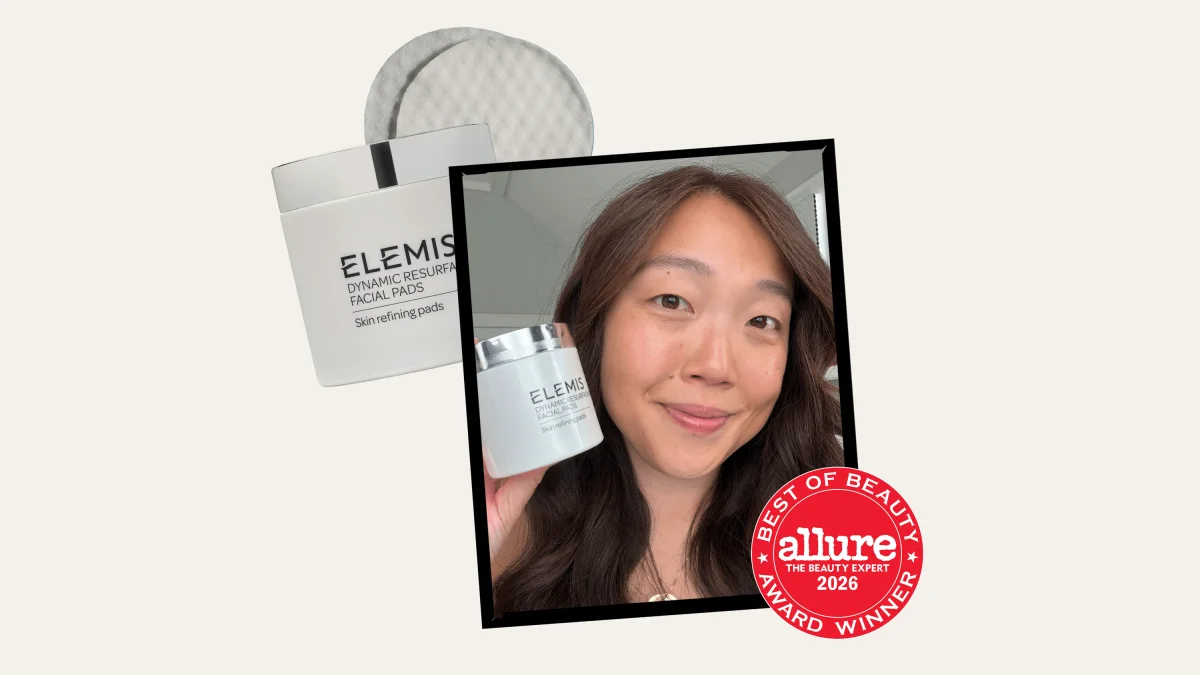
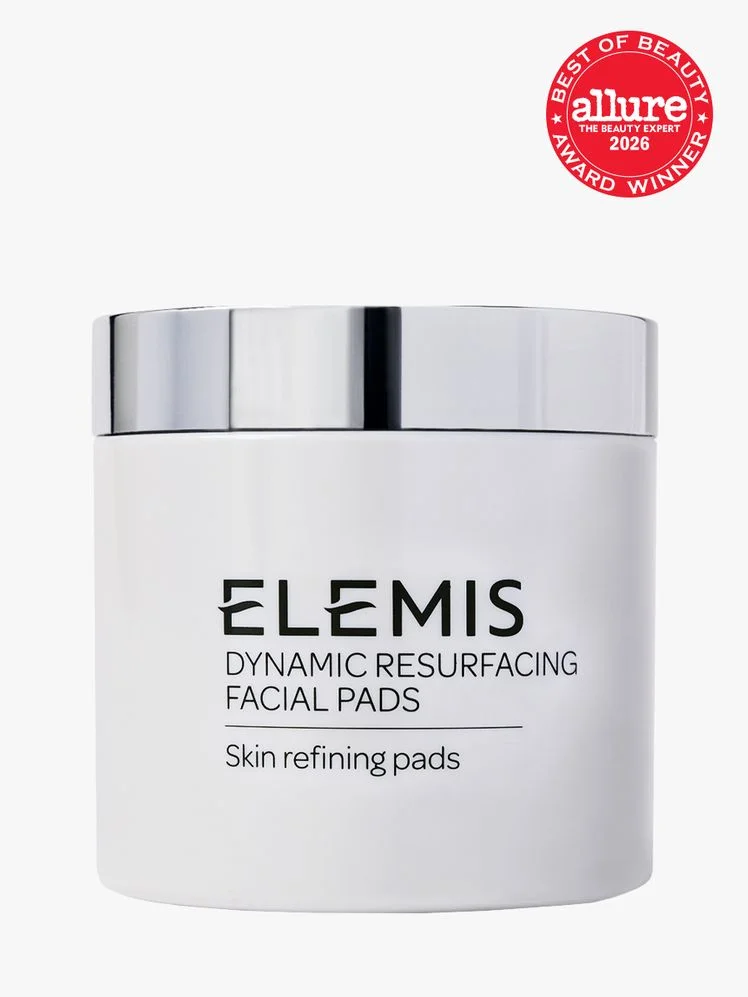
Elemis Dynamic Resurfacing Facial Pads take a familiar format and give it a more layered formula: lactic acid works alongside three exfoliating enzymes, while humectants and emollients help keep the experience from feeling too stripping. The $69, 60-count tub earned a 2026 Allure Best of Beauty Award, and several editors found their skin felt smoother or looked brighter after use. Their accounts also show why frequency matters: sensitive skin may do better with a few applications a week than with the twice-daily schedule Elemis recommends.
My own test came with a specific question. My skin is dry and sensitive, with lingering melasma, and I already use prescription tretinoin, which can make me cautious about adding more exfoliation. I wanted a simple way to smooth rough-feeling skin on mornings after I’d skipped my retinoid. The pads were easy to fit into that routine, but I kept expectations measured, especially for dark spots.
What’s in the formula
The formula combines lactic acid, an alpha hydroxy acid, with Elemis’s patented tri-enzyme technology: papain, protease, and subtilisin. The combination matters because the ingredients exfoliate in different ways. “In an exfoliant, these enzymes break down the proteins that hold dead skin cells together, allowing them to shed more easily,” says Farhaad Riyaz, MD, a board-certified dermatologist based in Plymouth, Michigan. Lactic acid uses acidity to loosen those bonds.
Using both approaches may support exfoliation without relying on a high concentration of either ingredient, Riyaz explains. Chang Son, MD, a board-certified dermatologist based in New Jersey, says lactic acid’s molecules are larger than glycolic acid’s, so they don’t penetrate as quickly or deeply. That gradual action can make it a more comfortable AHA choice for some sensitive skin types. Lactic acid is also a humectant, says Dawn Queen, MD, a board-certified dermatologist in New York City, meaning it can help support hydration as it exfoliates.
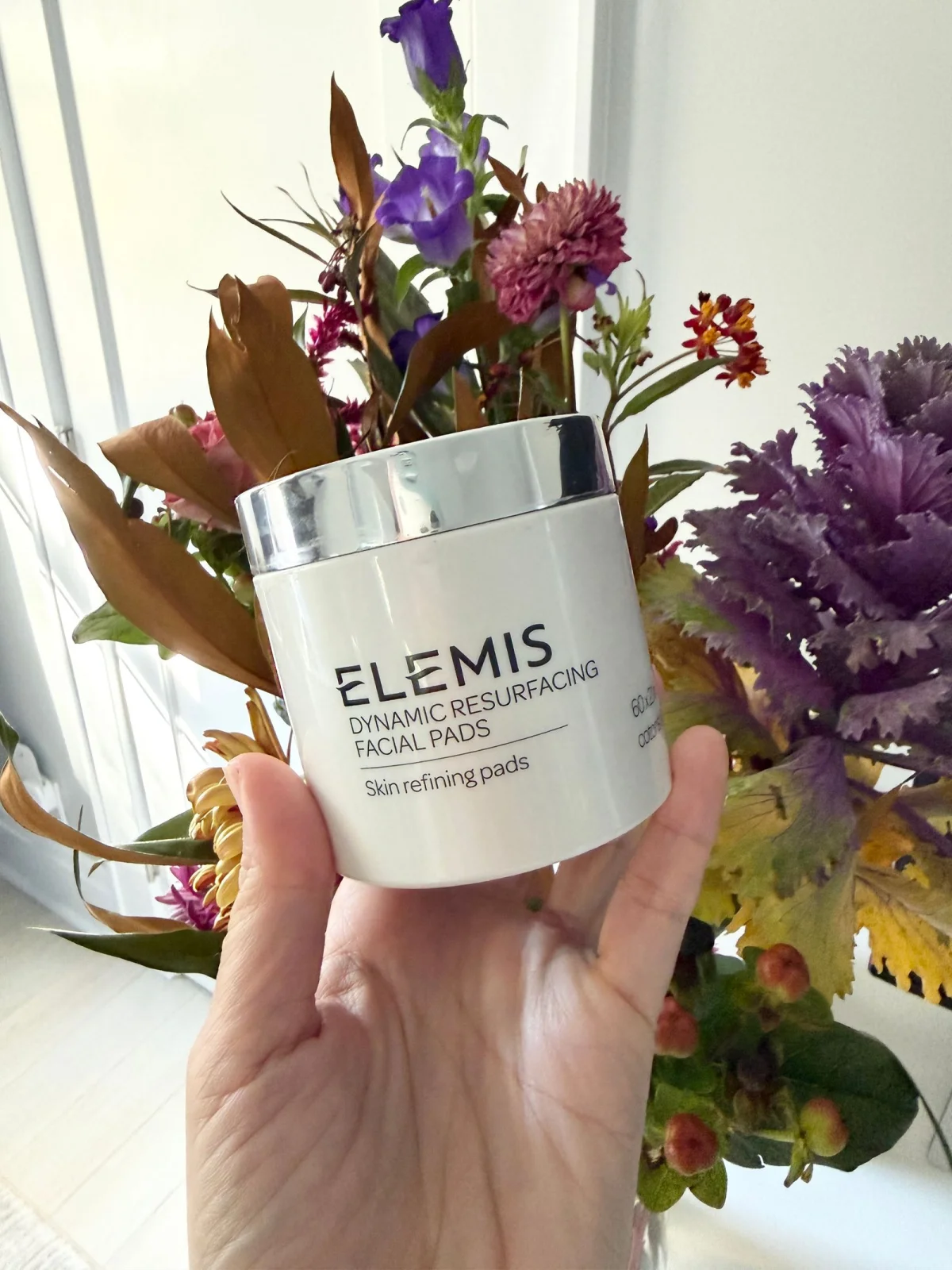
Other ingredients add to that moisturizing profile. Glycerin, betaine, butylene glycol, and methyl gluceth-20 help retain water, Riyaz says. Shea butter and the fatty alcohols behenyl alcohol and stearyl alcohol soften skin and help limit moisture loss. Those fatty alcohols aren’t the same as drying alcohols such as ethanol. The formula also contains Lactococcus ferment lysate, a postbiotic that may support skin renewal and the skin barrier. Queen calls it a supporting ingredient; research into its benefits is still emerging.
There’s added fragrance, too. My own sensitive skin didn’t react to it, but anyone who tends to find scented products irritating may want to take that into account, particularly alongside exfoliating ingredients.
Texture, application, and routine
Each pad has a textured side and a smooth side, so the formula’s chemical exfoliation comes with a little physical exfoliation. The pre-soaked format makes dosing straightforward: Queen says one pad is designed to cover the full face. That convenience doesn’t call for firm pressure, though. Too much rubbing can add irritation to the exfoliating action, so gentle swipes—or a light patting motion—are enough.
I used a pad on clean skin in the morning, then followed with a moisturizing sunscreen and, usually, a skin tint. Because I use tretinoin at night, keeping the pads in my morning routine gave me a way to add them without using them in the same session. The format asks little of you: no separate cotton round, no guessing how much product to pour, and no rinse step.
Elemis recommends using the pads morning and night; at that pace, the 60-count tub is intended to last about a month. But the combination of enzymes and an AHA can raise the chance of dryness and irritation, Queen says. I started with one pad a day, and people with reactive skin may prefer beginning a few times a week. If your routine already includes tretinoin or other exfoliating products, consider the total amount of exfoliation your skin is getting rather than adding the pads automatically.
I noticed a little redness just after application. It faded within minutes, and my skin felt comfortable afterward instead of tight or stripped. That experience wasn’t mine alone: Allure commerce editor Madison San Miguel, who has dry to very dry skin, said the pads felt “surprisingly soothing and hydrating.” She used them twice a week and saw a glow the following mornings.

What changed after three weeks
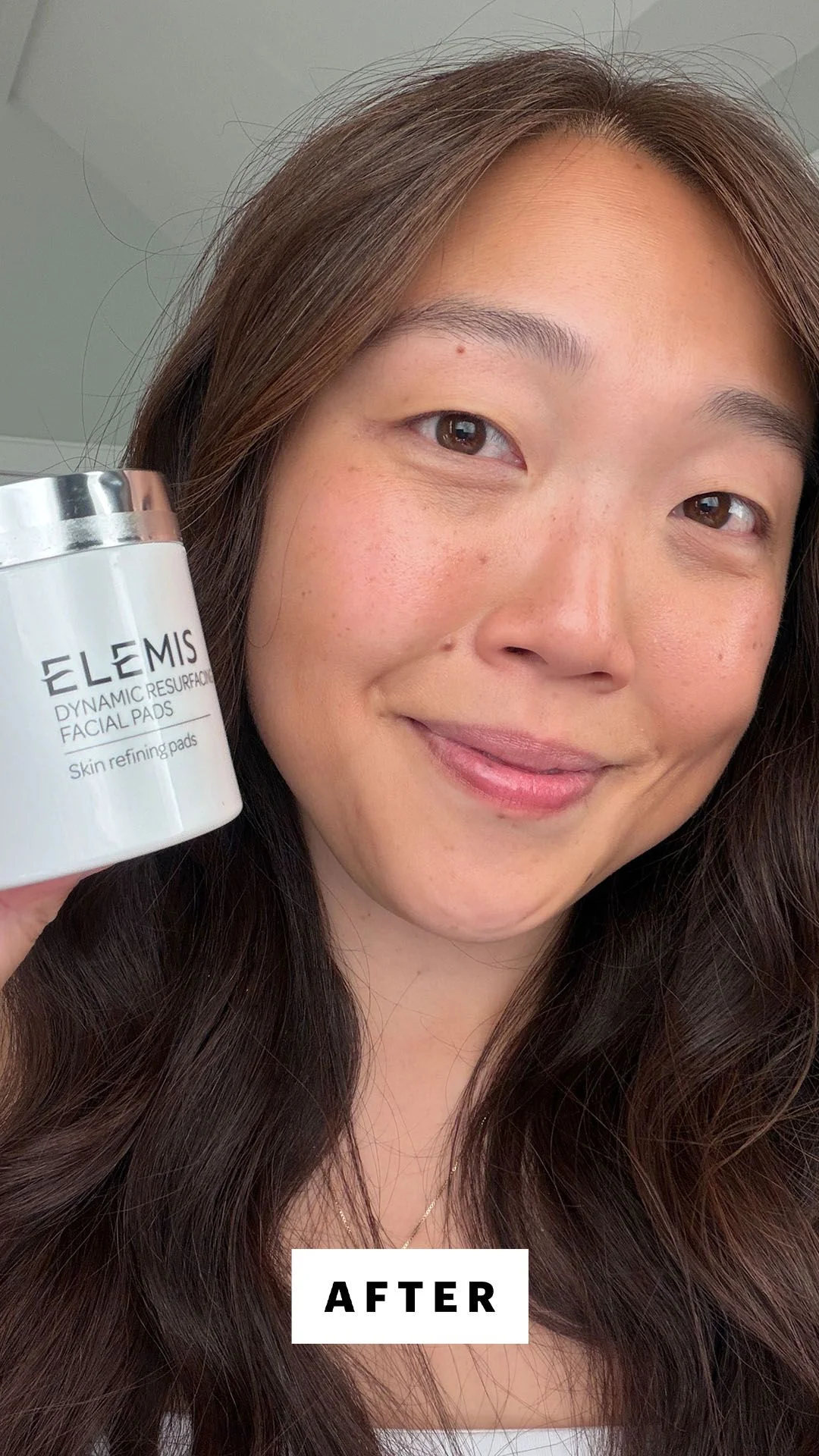
After three weeks, my skin felt smoother, and its overall tone looked slightly more even. I can’t tell how much of that change came from the pads and how much from my prescription retinoid. My melasma hasn’t budged so far, and I wouldn’t expect exfoliation alone to resolve it. Queen says regular exfoliation can help fade some more superficial discoloration, such as marks left after breakouts or sun exposure. Melasma is more complex: pigment can sit at different depths, and multiple factors contribute to it.
I’m keeping tretinoin in my routine, but I can see myself reaching for the pads when my skin looks dull or feels rough. Elemis says the formula can help improve the skin’s natural turnover over 28 days; I’m interested to see whether the modest changes I noticed become clearer with continued use. For now, smoother texture is a satisfying result, even without a visible shift in dark spots.
How other editors found them
Editor experiences varied with skin type, frequency, and what they wanted from an exfoliant. Alessandra Foresto, Allure managing editor, said she’d struggled to find an exfoliating toner that made a noticeable difference to the hyperpigmentation left after eczema breakouts. After a month with the Elemis pads, her facialist commented that her dark spots looked better. Foresto said they didn’t sting, smell strongly, or leave her face feeling dry.
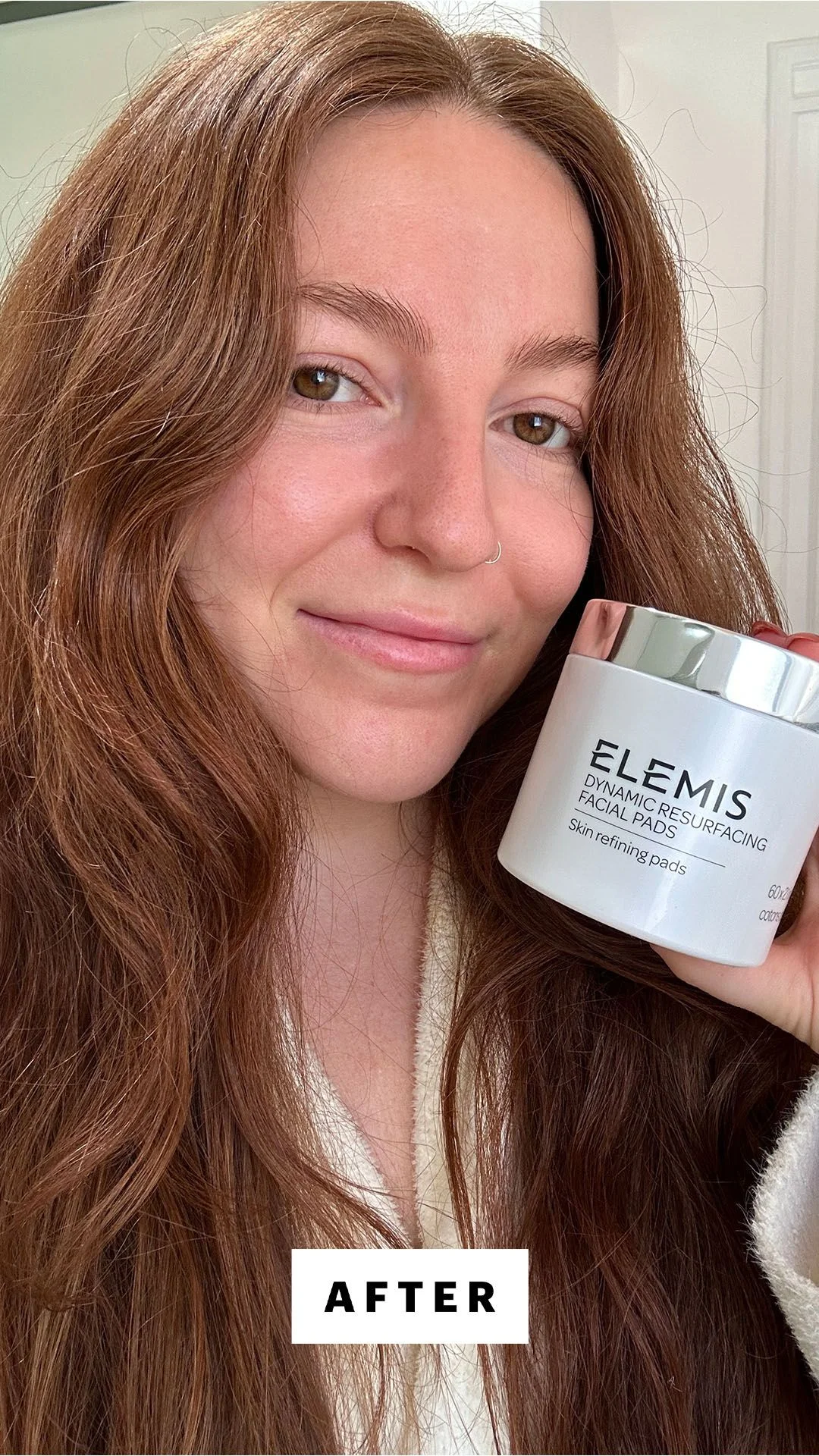
Senior staff writer Elizabeth Gulino has combination skin and uses the pads for dullness and uneven texture. Her skin felt softer and smoother right after application, though she sometimes noticed tightness and about 15 minutes of redness. Moisturizer or a hydrating serum helped with the tight feeling, and the redness usually faded within an hour. After seeing creators use exfoliating pads before makeup, Gulino began using these on weekends to prep her skin.
Commerce editor Sarah Han uses a pad across her T-zone when she wants to address dullness and uneven texture. She says her combination skin feels softer and looks brighter with use, and finds the format an easy way to exfoliate.
San Miguel’s dry to very dry skin often feels tight or burns after exfoliating pads, but she said this formula felt comfortable, even when she used it on consecutive days. Glycerin and shea butter may help explain that more hydrating feel. She settled on twice-weekly evening use and liked how her skin looked the next morning.
The common thread is a noticeable feel or finish—softer texture, a brighter look, or a glow—rather than one uniform result. These pads offer an easy, pre-measured way to add exfoliation, but their mix of acids, enzymes, and textured fabric still calls for a light touch and a frequency that suits your skin.
Dermatologists quoted
- Dawn Queen, MD, board-certified dermatologist at Park Ave Derm in New York City
- Farhaad Riyaz, MD, board-certified dermatologist based in Plymouth, Michigan
- Chang Son, MD, board-certified dermatologist based in New Jersey