Best Lightweight Chemical Sunscreens for Everyday Wear
Christa Joanna Lee706 views
Discover top chemical sunscreens with lightweight textures and wearable finishes, including La Roche-Posay’s SPF 50 formula featuring BEMT.
Chemical sunscreen has shed much of its old reputation: the best formulas now feel light enough for daily use, which matters because an SPF you’ll actually wear is the one that can protect your skin consistently. The category also offers plenty of finishes, from fluid lotions to serums and makeup primers.
Dermatologist Pearl Rimtepathip, MD, of Atlanta, explains the basic distinction: chemical sunscreens use organic UV filters that absorb UV radiation and convert it to heat, which is then released from the skin. Mineral formulas sit on the skin’s surface. Chemical options often feel lighter and blend without the white cast some mineral sunscreens leave behind. That’s a real practical advantage, though it doesn’t make one type universally better. As Rimtepathip puts it, the best sunscreen is the one you’ll apply most often.
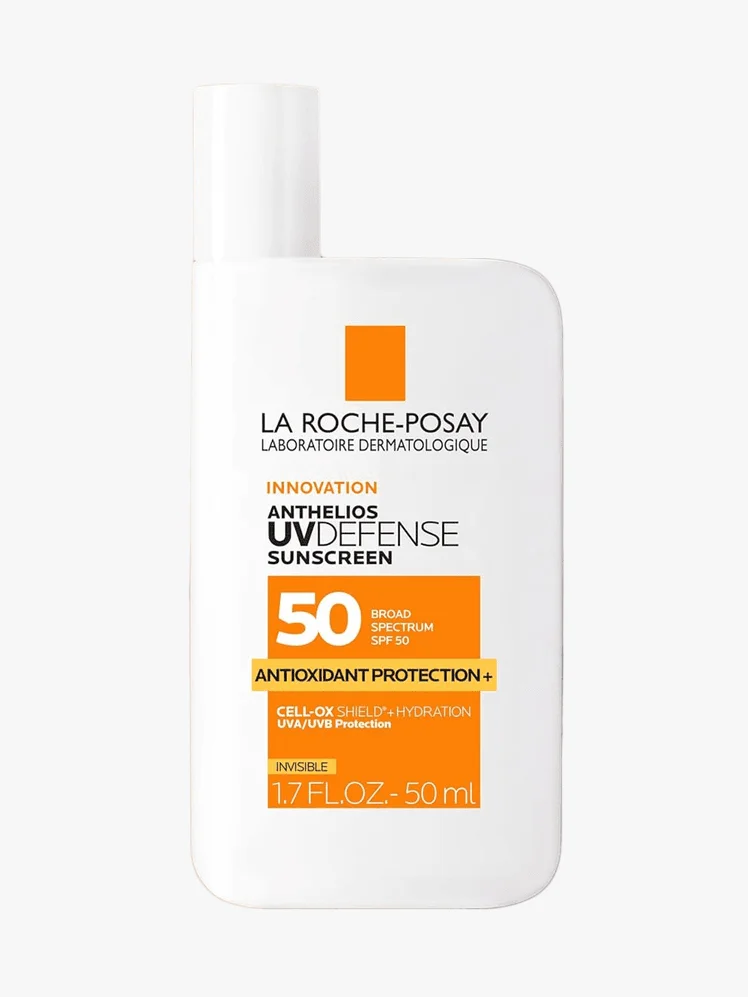
Best Overall: La Roche-Posay Anthelios UVDefense SPF 50 Sunscreen with BEMT
The standout here is the filter: La Roche-Posay’s formula is among the first sunscreens to use 2% bemotrizinol (BEMT), the first newly FDA-approved sunscreen filter in more than 20 years. BEMT provides photostable UVA and UVB protection, meaning it doesn’t break down with sun exposure. The formula also includes the brand’s antioxidant Cell-Ox Shield technology, plus glycerin, butylene glycol, and dimethicone to help skin feel hydrated and smooth.
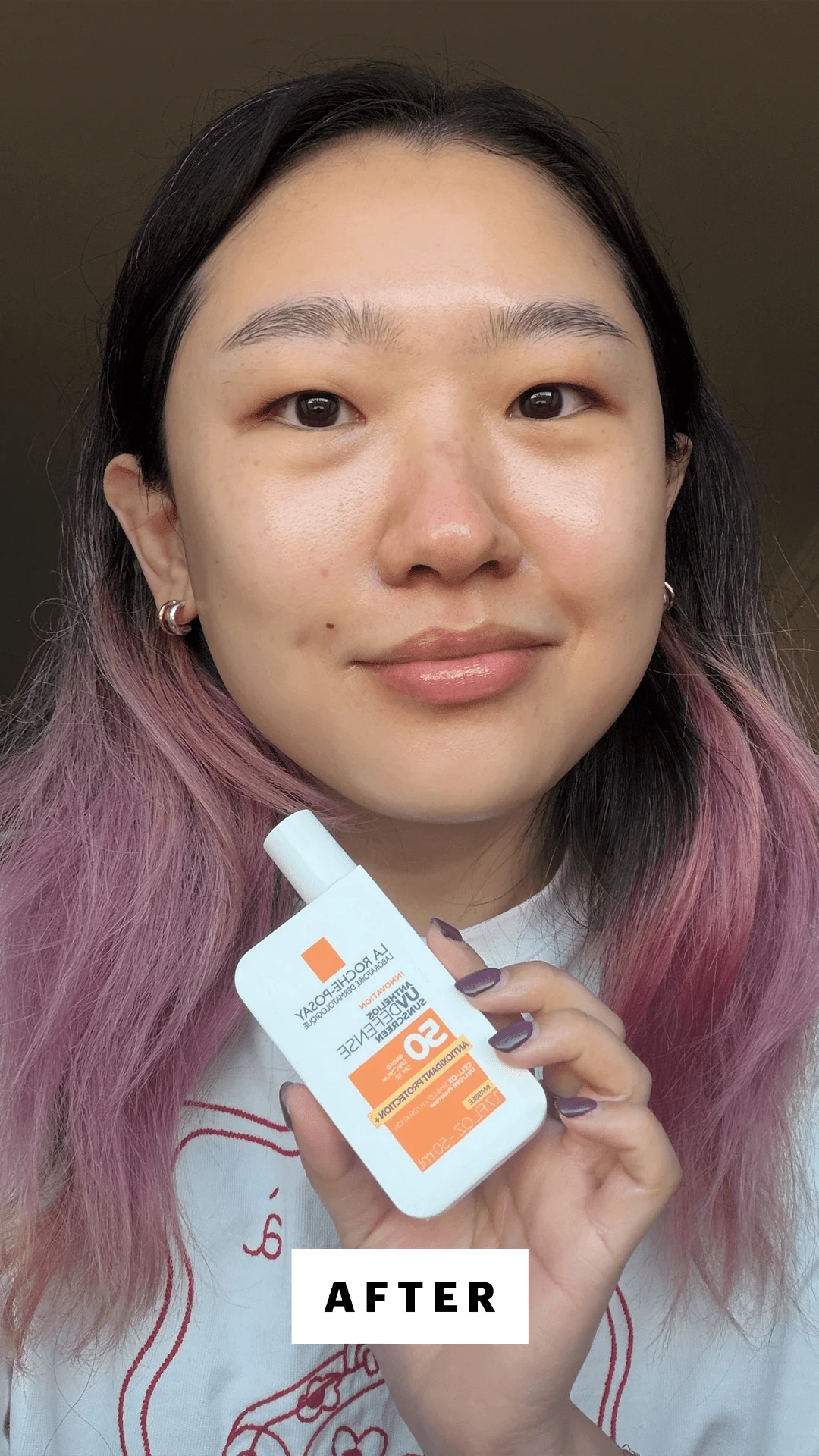
The texture makes the formula easier to recommend for daily wear. New York dermatologist Jane Yoo, MD, describes it as silky and free of white residue; testers say it feels almost undetectable. It’s less dewy than the brand’s UVAir serum, which is a plus if you prefer skin to look natural rather than glossy.
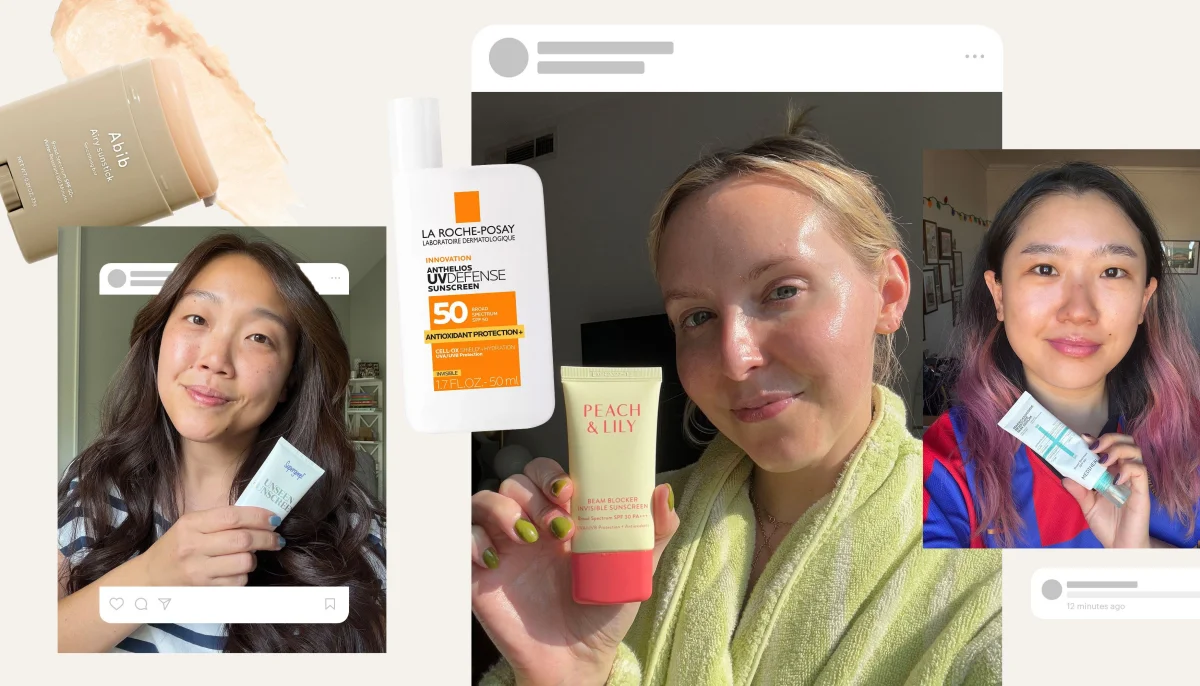
Sarah Han after applying the La Roche-Posay Anthelios UVDefense SPF 50 Sunscreen with BEMTTester feedback from commerce editor Sarah Han
Han says the fluid, serum-like texture disappears quickly on skin. She tested three finger lengths, which took longer to rub in, but found the standard two-finger amount lightweight enough to wear without a separate moisturizer outside the coldest months. She likes its more balanced finish compared with the glowier UVAir serum. She also hopes the wait for future filter approvals won’t stretch another 36 years.
- **Type:** Chemical
- **Filters:** 2% BEMT, 3% avobenzone, 5% octisalate, 6% octocrylene, 11% homosalate
- **Key ingredients:** Cell-Ox Shield technology (litchi extract, alteromonas, cassia senna alata, vitamin E), glycerin, butylene glycol, dimethicone
- **Tinted:** No
- **Water-resistant:** No
- **Fragrance-free:** Yes
Best Hybrid: Revision Intellishade Original SPF 45
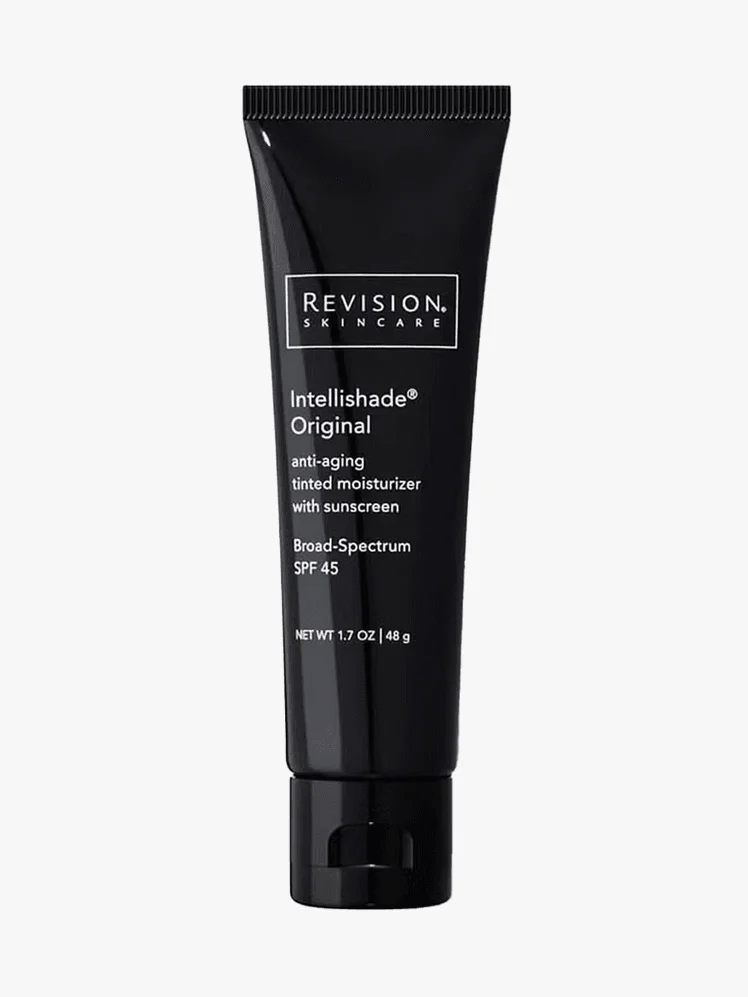
Revision’s tinted SPF 45 sits between sunscreen, moisturizer, and skin tint. It combines mineral filters titanium dioxide and zinc oxide with chemical filters octinoxate and octisalate. That mixed-filter approach gives broad-spectrum protection with a lighter feel and less visible cast than many all-mineral formulas.
New York dermatologist Marisa Garshick, MD, points to the moisturizing ingredients glycerin and squalane, alongside antioxidants such as THD ascorbate, vitamin E, and green tea. THD ascorbate is a stable form of vitamin C that can suit sensitive skin. Garshick says its peptide blend may appeal to mature skin concerned with the look of fine lines and uneven tone, while the sunscreen helps protect against further environmental damage. It’s a pricey three-in-one option.
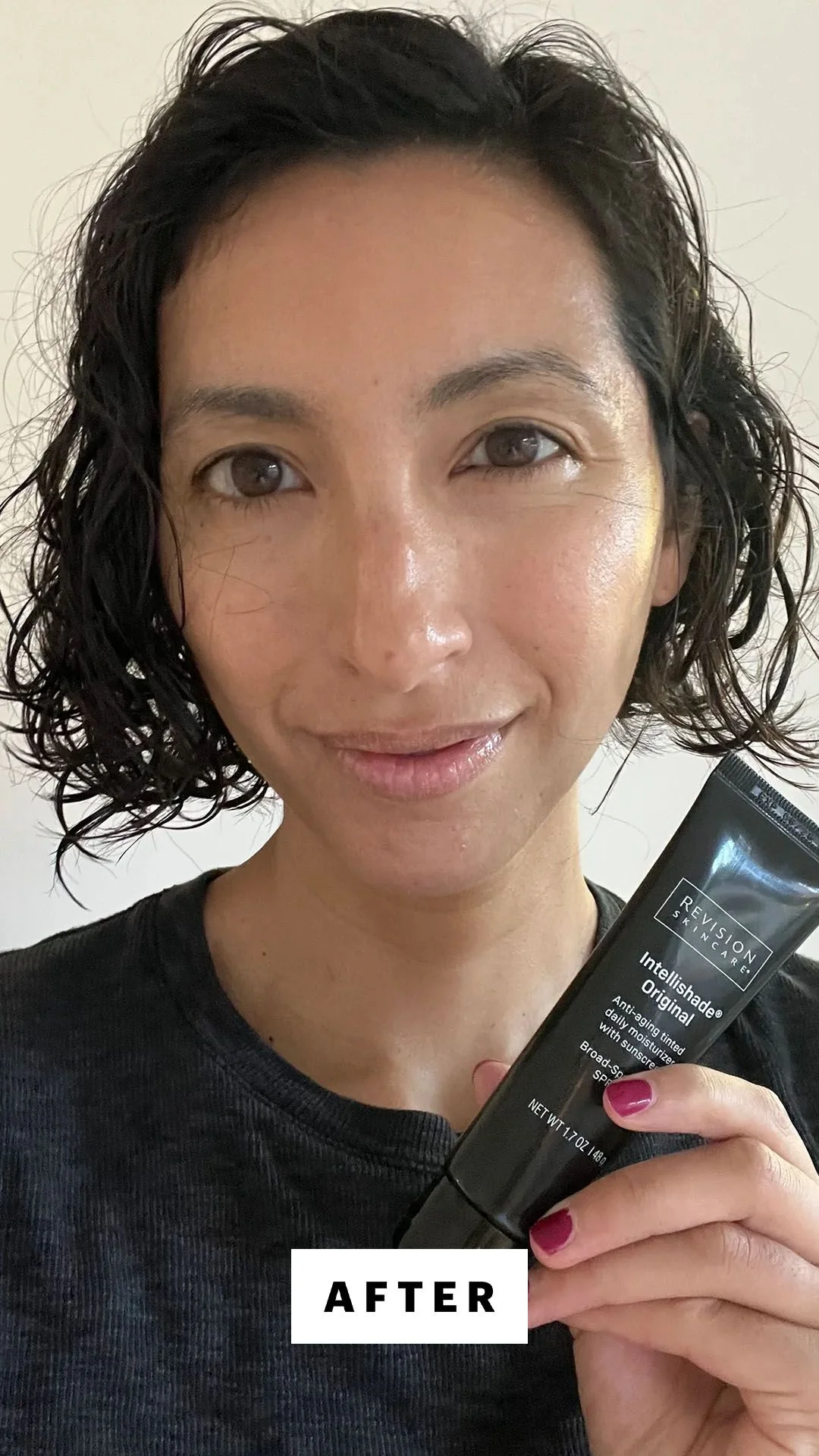
Deanna Pai after applying Revision Intellishade Original
**Tester feedback from contributing commerce editor Deanna Pai**
Pai likes tinted sunscreen for its convenience, especially when she’s getting her children ready. She usually reaches for Isdin’s Eryfotona Ageless in summer, but finds Revision more hydrating and dewy in cooler weather. Its tint gives more coverage, making it easier to skip foundation when she has breakouts or dark spots. Though the shade first looked too light, it blended in and adapted to her skin.
- **Type:** Hybrid
- **Filters:** 7.5% octinoxate, 5% octisalate, 3.5% titanium dioxide, 3% zinc oxide
- **Key ingredients:** Peptides, aloe, green tea, glycerin, jojoba esters, squalane
- **Tinted:** Yes
- **Water-resistant:** No
- **Fragrance-free:** Yes
Best for Combo Skin: Mediheal Madecassoside Moisture Sun Serum SPF 50+ PA++++
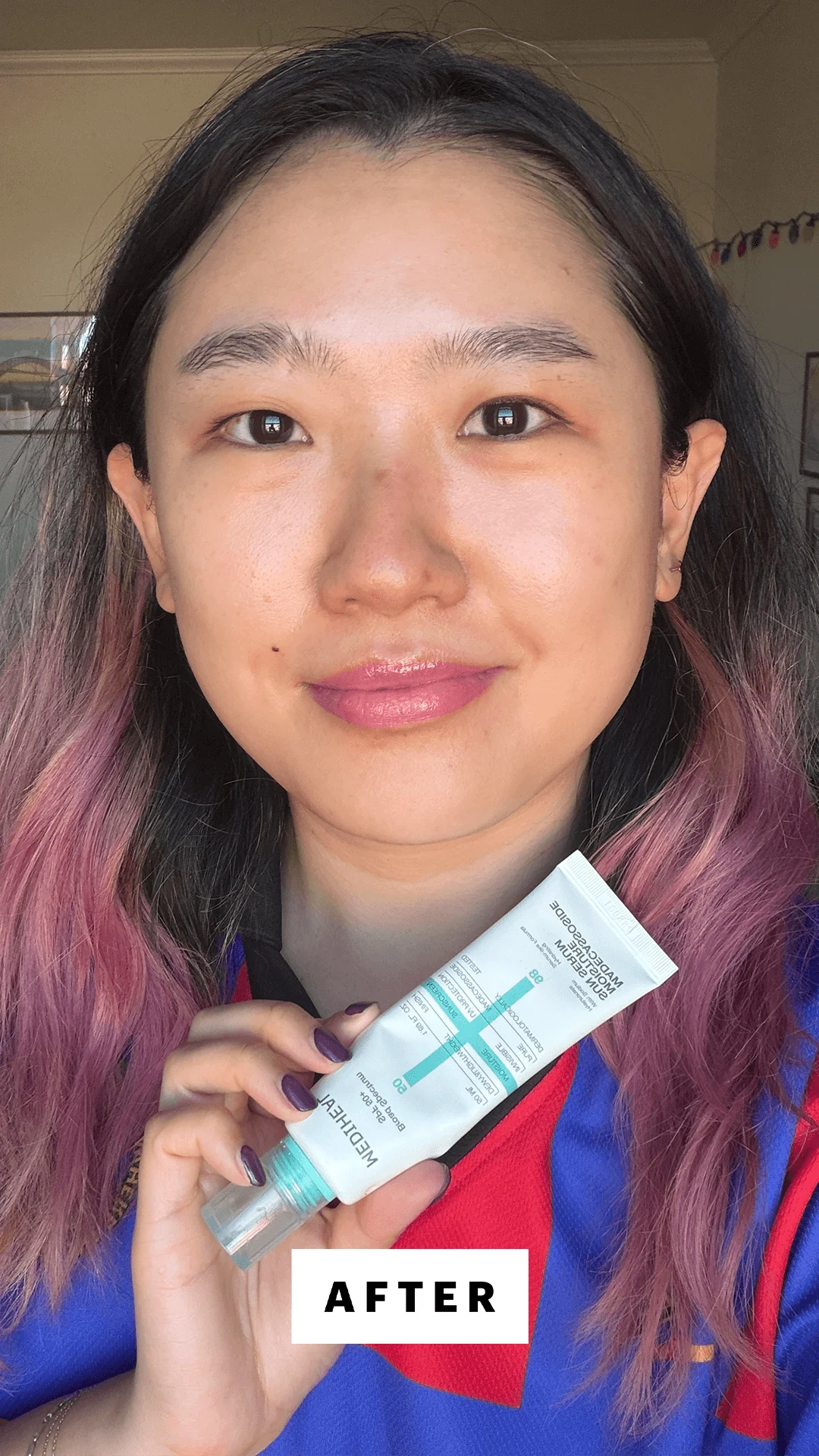
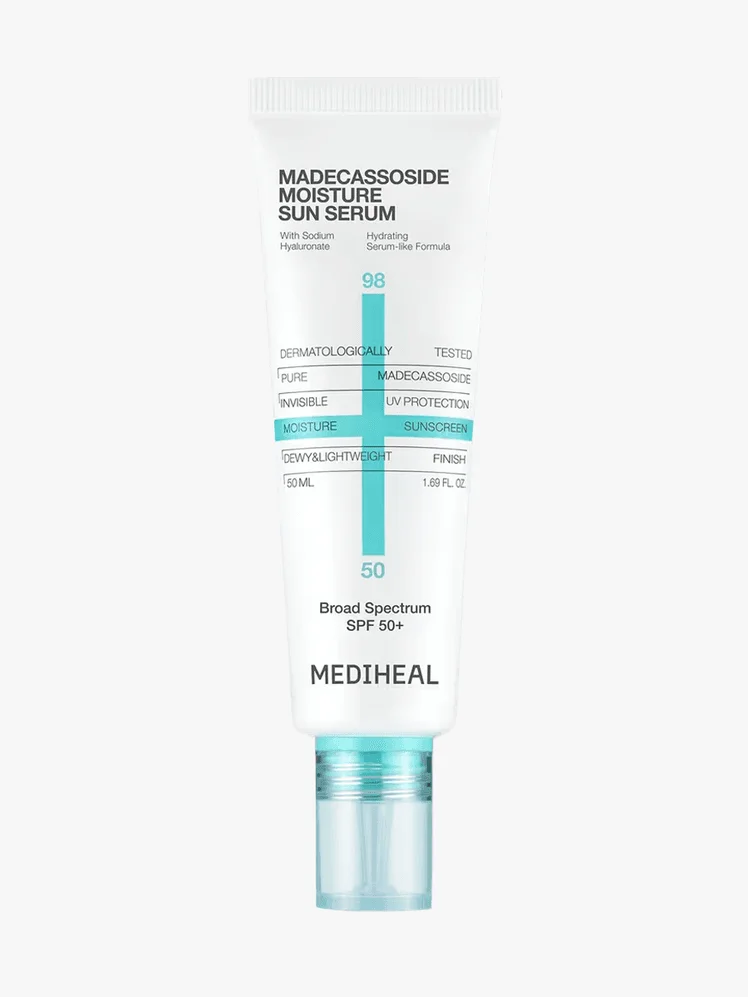
What these picks show is that sunscreen texture can determine whether people actually wear enough of it. Mediheal’s Madecassoside Moisture Sun Serum SPF 50+ PA++++ is aimed at combination skin: It hydrates dry areas without leaving the T-zone feeling slick, and its fluid, non-sticky finish is closer to a lightweight Korean serum than a traditional sunscreen. Several forms of hyaluronic acid attract moisture; niacinamide helps with oil control and uneven tone. For redness-prone skin, the formula also includes 4-TECA, a blend of madecassoside, asiaticoside, madecassic acid, and asiatic acid from Centella asiatica, or cica, known for its soothing, barrier-supporting role.
Commerce editor Sarah Han first saw the sunscreen at an Olive Young store in Seoul and wished she’d bought it there. She hasn’t compared the Korean and US versions, but she likes the US formula’s quick-absorbing, barely-there feel. Han says it contains six types of cica and finds the formula calming; she also credits niacinamide with brightening her morning dullness. The narrow nozzle gives her better control over the runny lotion, though she advises applying promptly before it drips away. Her verdict: a strong option for anyone put off by the weight of conventional sunscreens.
Sarah Han applying Mediheal Madecassoside Moisture Sun Serum SPF 50+ PA++++. Photo: Sarah Han.Han after applying Mediheal Madecassoside Moisture Sun Serum SPF 50+ PA++++. Photo: Sarah Han.
Best Under Makeup: Peach & Lily Beam Blocker Invisible Sunscreen SPF 30
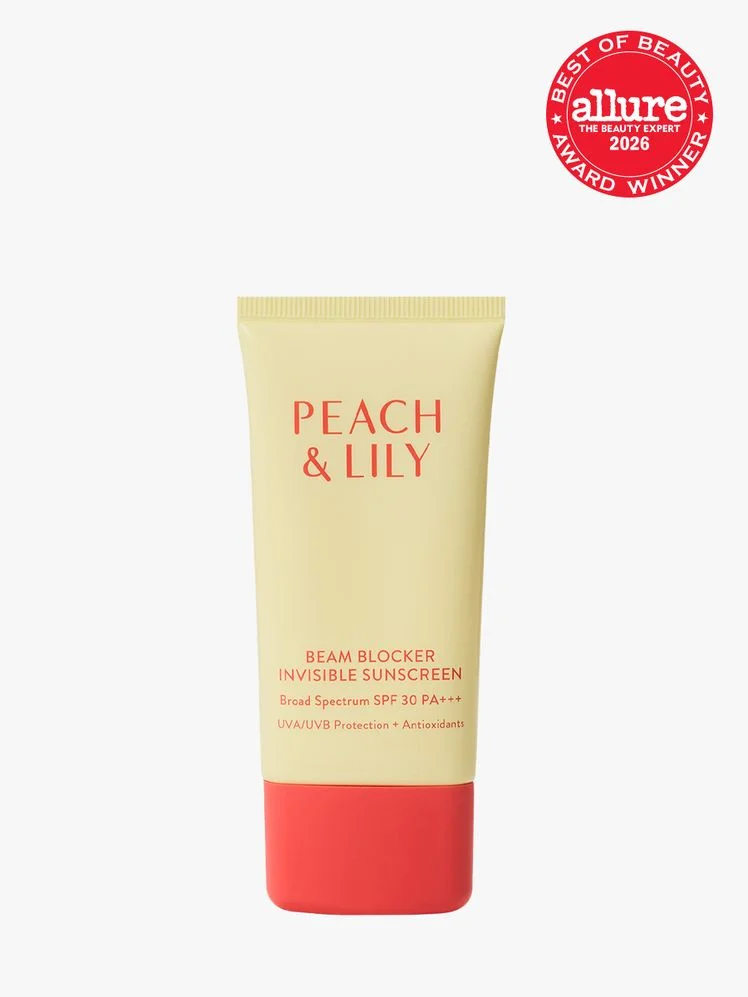
“Invisible” is an easy sunscreen promise to make; the useful test is whether skin still looks like skin after application. Peach & Lily Beam Blocker SPF 30 earned a Best of Beauty award, and testers found no visible white cast in their before-and-after photos. The lotion melts in with a silky, moisturizer-like finish.
Its ingredient list reaches beyond sun protection: Ectoin, Centella asiatica, and bisabolol are included to soothe, while green tea and ferulic acid provide antioxidant support. Niacinamide helps brighten, and ceramides plus panthenol support the skin barrier. The fast-settling lotion is designed to sit smoothly under makeup, without pilling or catching on dry patches.
Allure senior beauty editor Jesa Marie Calaor applying Peach & Lily Beam Blocker Invisible Sunscreen. Photo: Jesa Marie Calaor.Calaor after applying Peach & Lily Beam Blocker Invisible Sunscreen. Photo: Jesa Marie Calaor.Allure beauty director Sarah Kinonen applying Peach & Lily Beam Blocker Invisible Sunscreen. Photo: Sarah Kinonen.Kinonen after applying Peach & Lily Beam Blocker Invisible Sunscreen. Photo: Sarah Kinonen.
Senior beauty editor Jesa Marie Calaor says the sunscreen feels hydrating enough for her dehydrated skin, with a cushiony feel as she massages it in and absorption within seconds. She wears it on her face, neck, and around her ears, and says it smooths dry patches without pilling beneath skin tints or liquid foundation. Even her father, who’s hesitant about daily sunscreen, thought it felt like a regular face moisturizer.
Beauty director Sarah Kinonen also wears it daily. She finds it easy to blend, comfortable around her eyes, and compatible with foundation and liquid blush. For Kinonen, the practical win is that it doesn’t feel greasy or sticky and hasn’t aggravated her easily inflamed skin.
Best Over Makeup: Abib Airy Sunstick Protection Bar
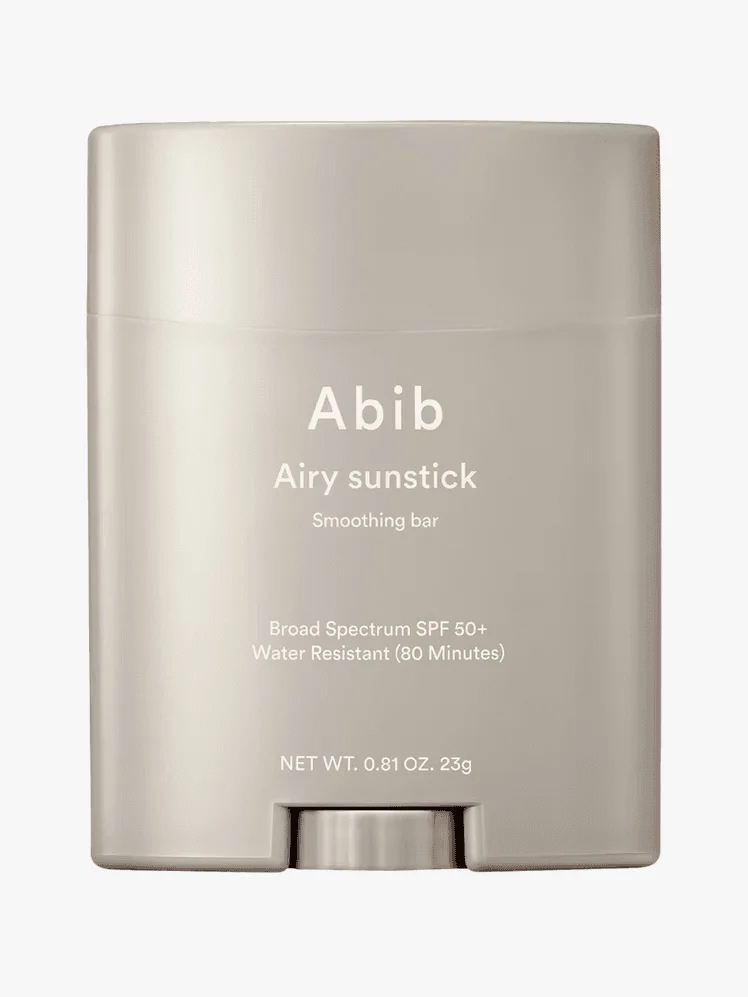
Reapplication is the hard part of sunscreen when your makeup is already in place. Abib’s Airy Sunstick SPF 50+ offers a wide, curved bar that follows the face and covers more ground per swipe. Any stick can disturb foundation or blush, but its smooth, primer-like glide helps limit tugging. Silica and silicone powders absorb oil and soften shine, making the semi-matte finish especially useful across a glossy T-zone.
There’s some skin care in the formula, too: Ectoin and allantoin are included to soothe and support the moisture barrier. Camellia seed oil and sunflower seed-derived ingredients add nourishment, helping keep the finish from looking chalky.
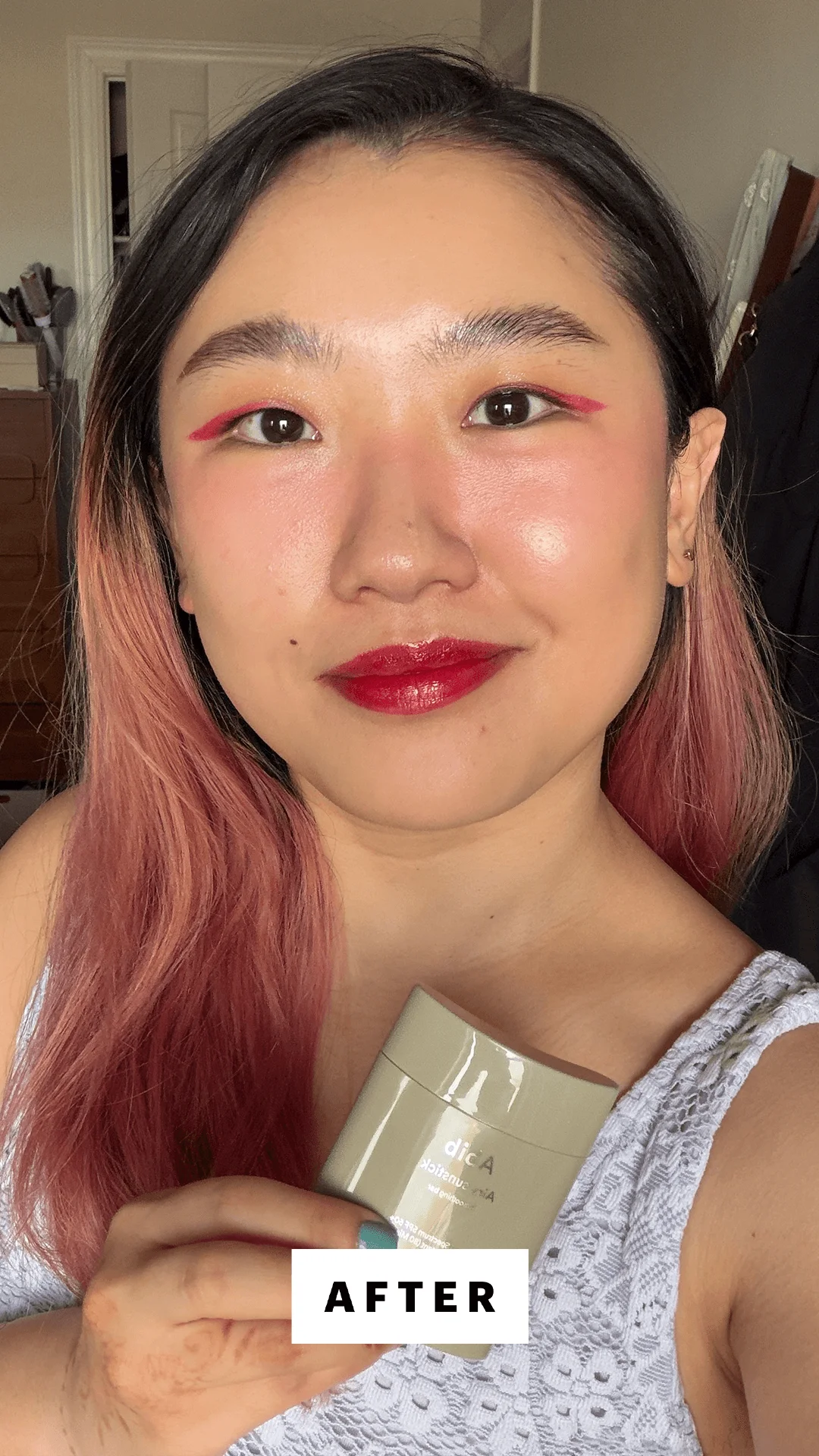
Sarah Han applying Abib Airy Sunstick Protection Bar. Photo: Sarah Han.Han after applying Abib Airy Sunstick Protection Bar. Photo: Sarah Han.
Commerce editor Sarah Han says she’s trying to reapply sunscreen more often and has warmed to sticks for makeup days. The curved applicator is what sold her: It fits her cheeks, forehead, and chin better than straight bars, and the clear formula needs no extra rubbing. She does notice a dewier finish after making multiple passes over each area, which she says is necessary to apply enough sunscreen. Her options for touch-ups are limited—sprays can sting her eyes, and she hasn’t found an SPF cushion she likes—but so far, this stick is her favorite.
Why mineral, hybrid, and chemical sunscreens feel different
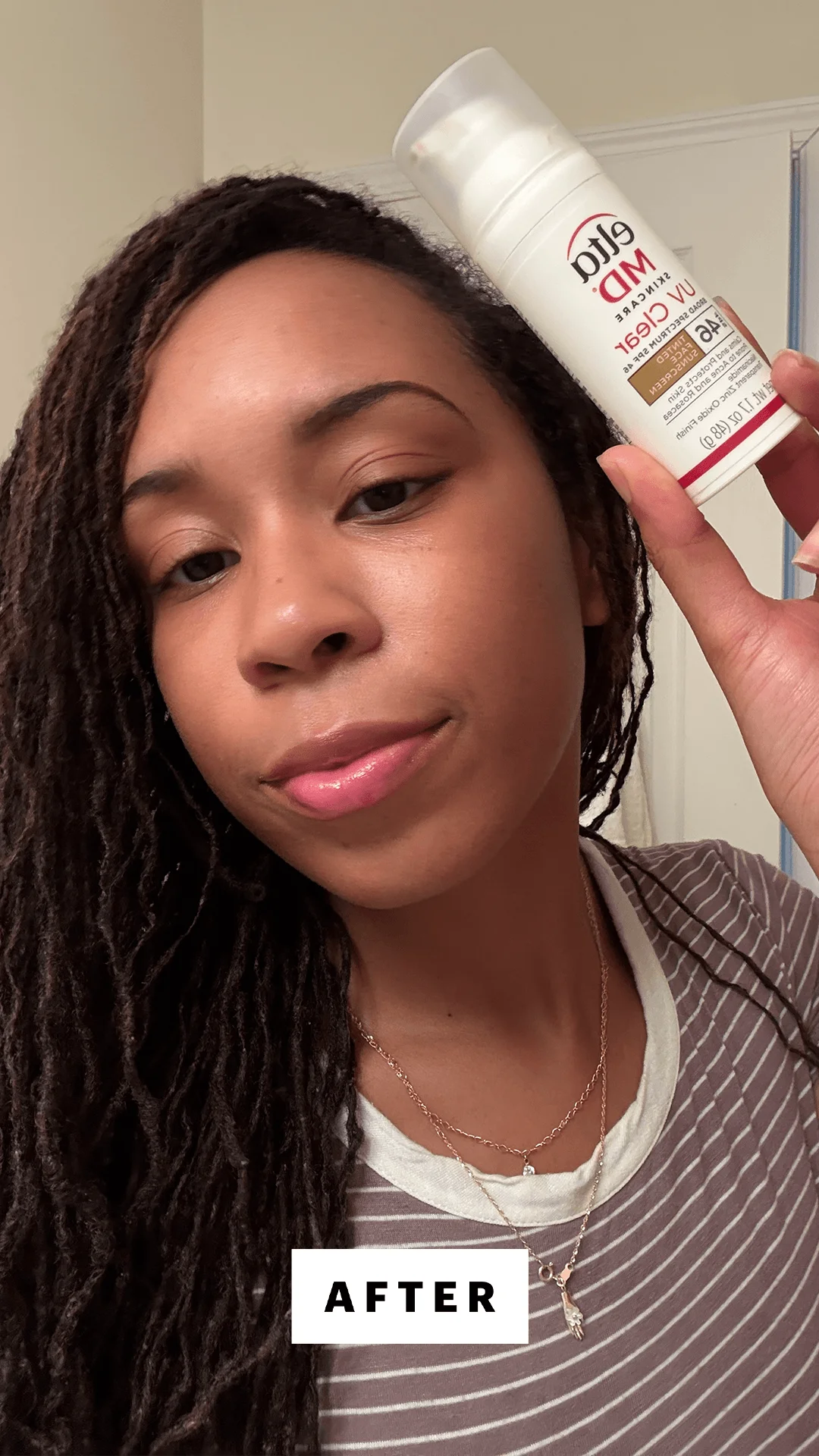
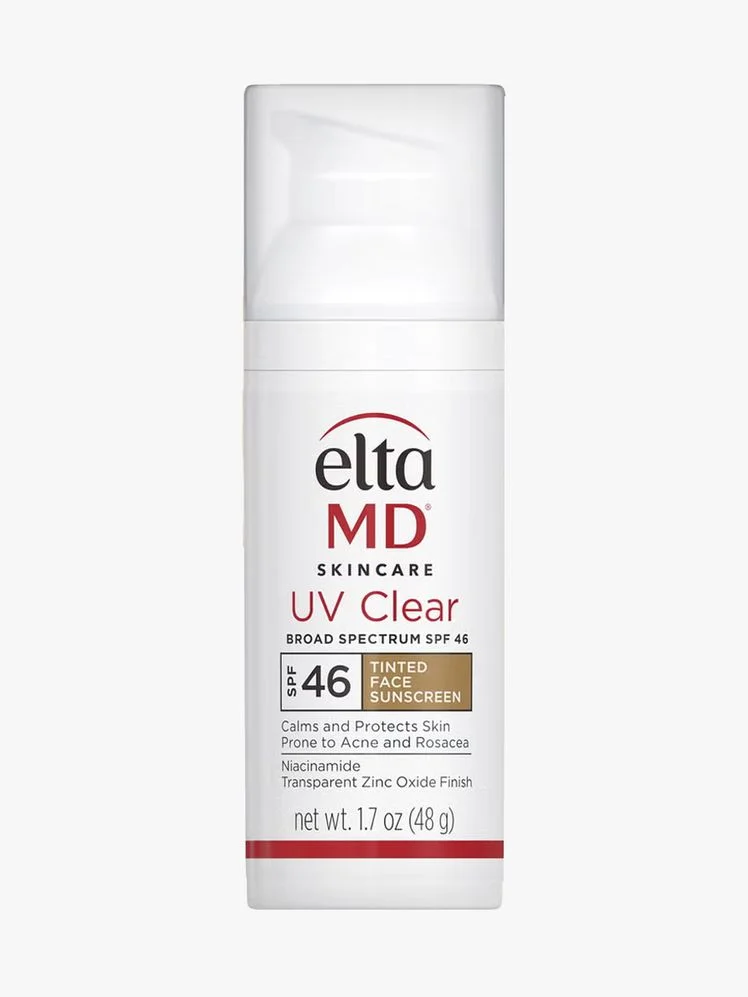
The biggest takeaway here is that sunscreen choice often comes down to the finish you’ll actually wear. EltaMD UV Clear Tinted SPF 46 is a useful middle ground if you want light coverage alongside sun protection. Dermatologist Erin Kil says EltaMD was among the early brands to add iron oxides to tinted sunscreen. As dermatologist Asmi Berry explains, iron oxides help block visible light, which can trigger melasma, especially in medium to deeper skin tones. The sheer tint can soften the look of redness and discoloration without covering skin completely; its 5% niacinamide may also help even out the appearance of tone.
EltaMD is a hybrid formula with 9% zinc oxide and 7.5% octinoxate. It pairs those filters with hyaluronic acid for hydration, vitamin E for antioxidant support, and lactic acid for gentle smoothing. It’s fragrance-free, dye-free, and oil-free, which dermatologist Dr. Rimtepathip says makes it a good fit for acne-prone skin. Contributor Jailynn Taylor found the tint too sheer to cover deeper discoloration, but liked it for errands and everyday wear. She also said it didn’t transfer onto her clothes or hands, clog her pores, or cause breakouts.
When an invisible finish helps—and when it can trip you up
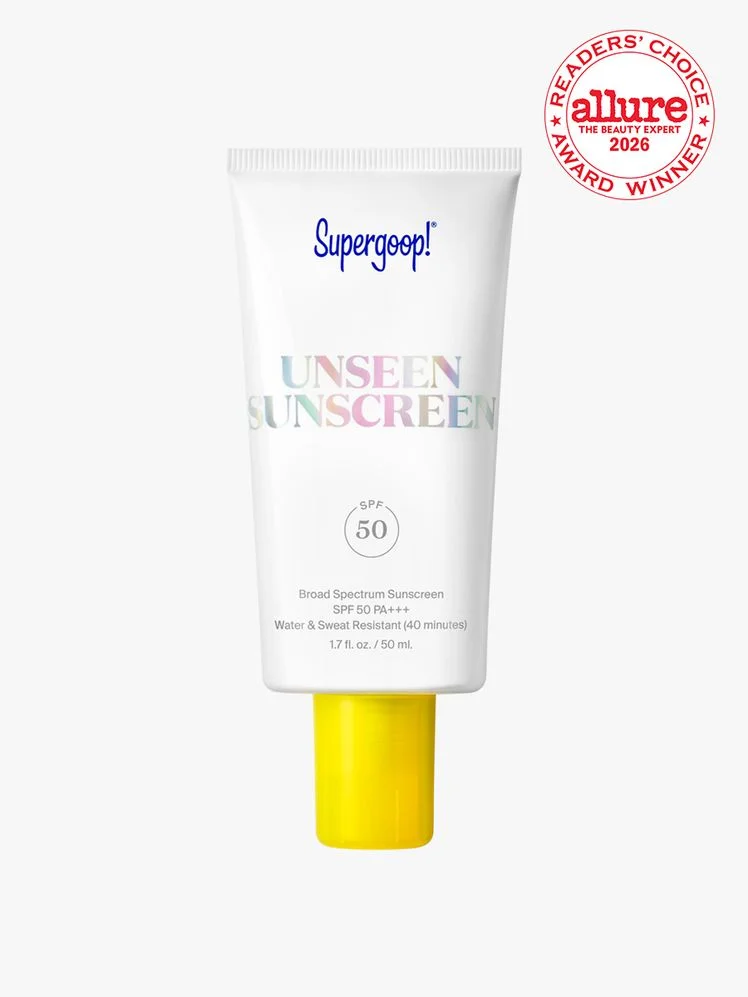
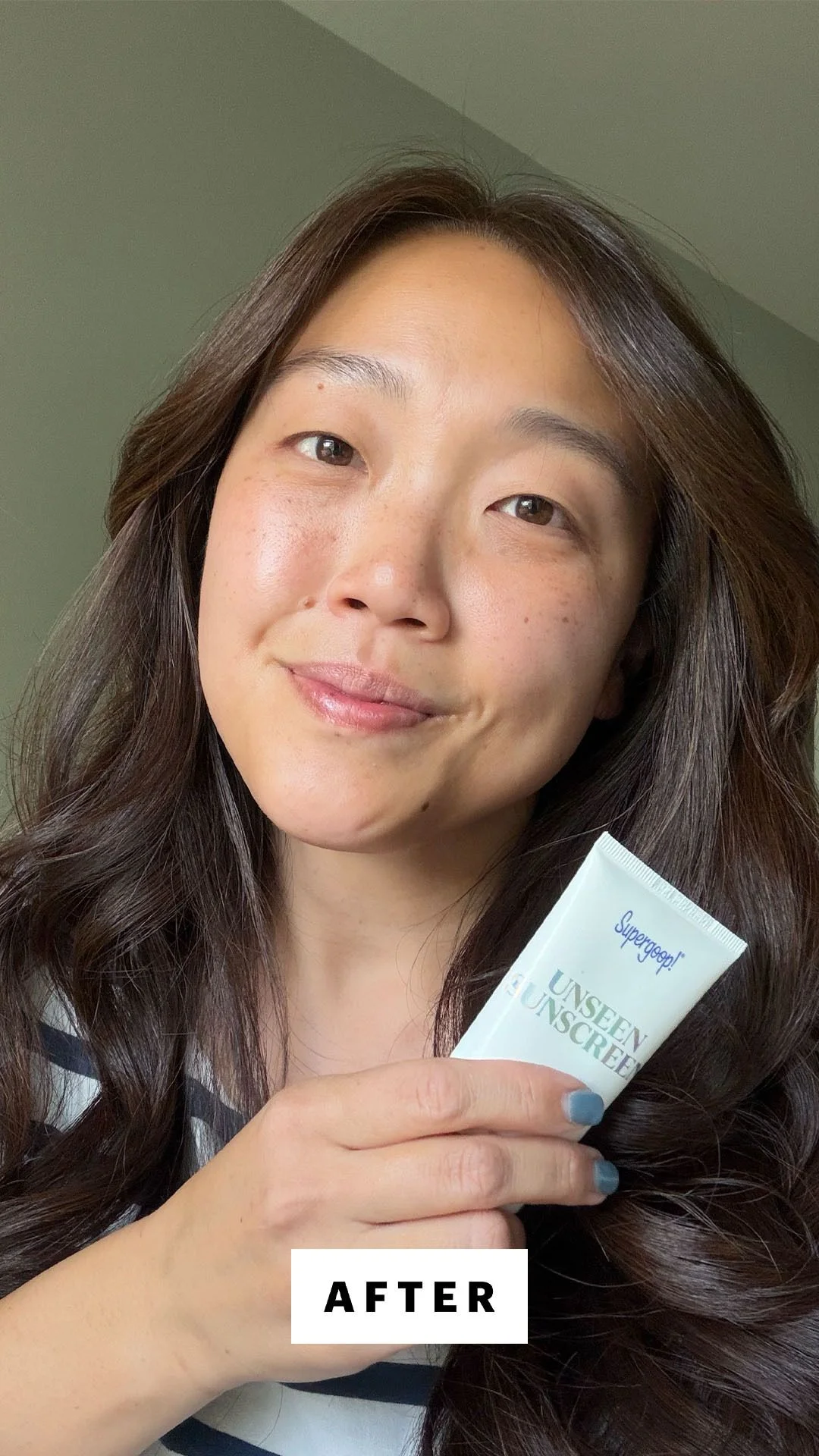
Supergoop Unseen Sunscreen SPF 50 shows why a clear formula can be appealing for sensitive skin: it’s fragrance-free and doesn’t contain oxybenzone, a filter that can irritate some people. Its velvety, primer-like texture smooths over pores and helps makeup layer easily, according to Dr. Rimtepathip. Bisabolol, derived from chamomile, and licorice root are included to soothe redness and support a more even-looking complexion; meadowfoam seed oil helps hold moisture in the skin.
The trade-off is practical. A clear, matte sunscreen can be hard to see as you apply it, making missed spots easier. Contributing commerce writer Christa Joanna Lee says the weightless, cushiony gel works for her dry, sensitive skin and her husband’s oily skin, with a soft, almost powdery finish. She follows the two-finger application rule because it’s difficult to tell where the product has gone. The formula is chemical, with 3% avobenzone, 7% homosalate, 5% octisalate, and 9% octocrylene; it’s water-resistant for 40 minutes.
For oily skin, weightless can still mean hydrated
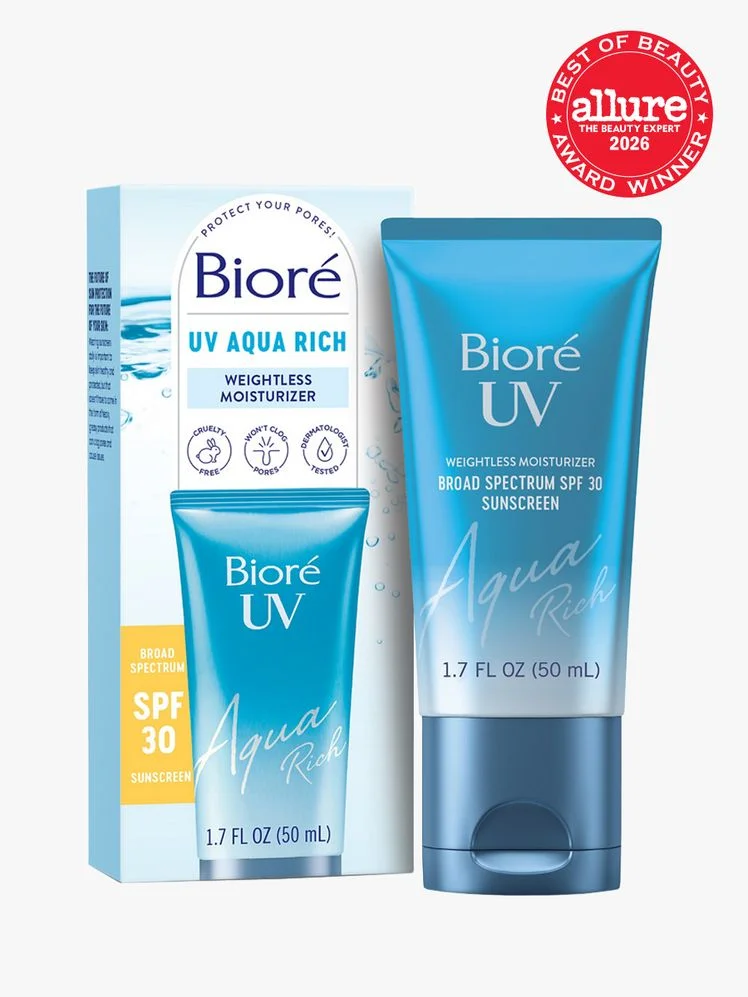
Bioré UV Aqua Rich Weightless Moisturizer SPF 50 has won Allure’s Best of Beauty award in both 2024 and 2026. Its fast-absorbing texture is designed to feel light rather than greasy, while glycerin and sodium hyaluronate draw water into the skin, says Toronto dermatologist Geeta Yadav. There’s a catch for easily irritated skin: the formula contains added fragrance, so patch-testing is sensible.
Managing editor Alessandra Foresto says it leaves her brown skin without a white cast, doesn’t sting her eyes, and gives a dewy finish without feeling greasy. She also likes how it spreads through her husband’s beard without flaking, and says it hasn’t left yellow marks on white T-shirts. This chemical sunscreen contains 3% avobenzone, 10% homosalate, 5% octisalate, and 5% octocrylene. Its featured hydrators are glycerin and sodium hyaluronate; water resistance isn’t disclosed.
A fresh-looking finish for dull skin
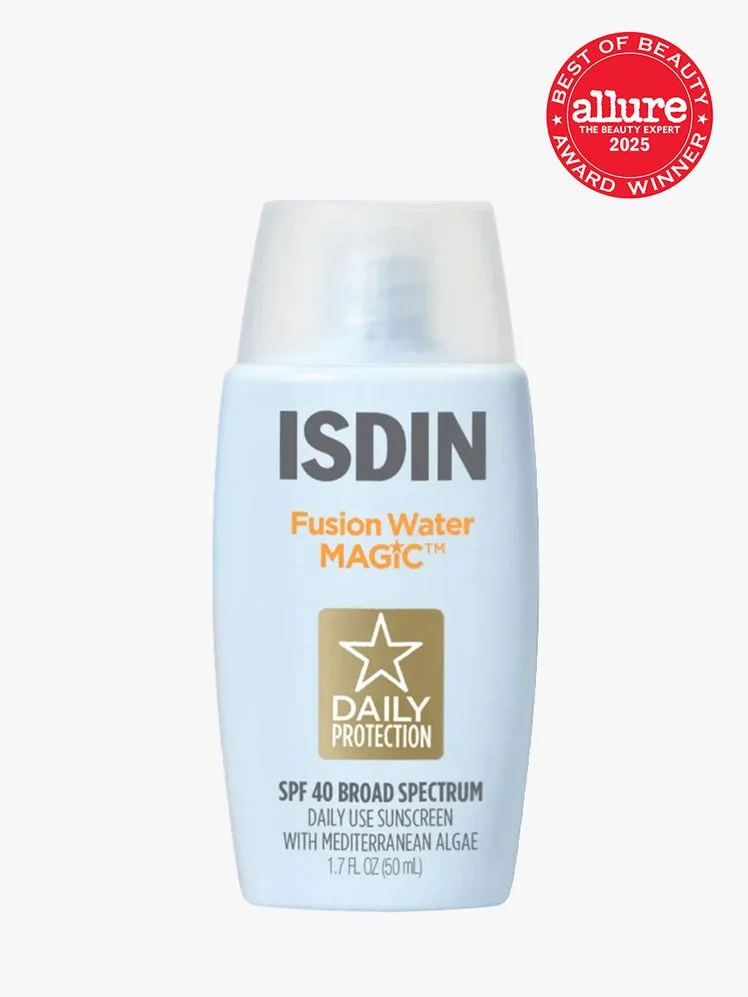
Isdin Fusion Water Magic SPF 40 won a 2025 Best of Beauty award, and its appeal is straightforward: a fluid texture that sinks in quickly, without the heavy or greasy feel some sunscreens leave behind. Glycerin and sodium hyaluronate help skin look hydrated and plump. Kil also points to Mediterranean algae extract, which she says helps protect against visible-light-related pigmentation changes. Silica gives a soft-focus effect on pores and texture while letting skin retain its glow.
Former associate beauty editor Annie Blay-Tettey says it feels deeply moisturizing at first, then settles without leaving her skin shiny. The chemical filters are 9% octocrylene, 7.3% homosalate, 4.5% octisalate, and 2.7% avobenzone. The formula also includes vitamin E and microalgae. Fragrance is present, and water resistance isn’t disclosed.
What “chemical sunscreen” means
Chemical sunscreens use UV filters that absorb ultraviolet radiation and convert it into heat, which is then released from the skin, says Kil. Common filters include avobenzone, oxybenzone, octisalate, octocrylene, and homosalate. Newer filters such as bemotrizinol, also called BEMT or Tinosorb S, have been used in Europe and elsewhere for years and are now beginning to enter the U.S. market. Reno dermatologist Whitney Hovenic describes that shift as an exciting advance for sunscreen innovation.
Because chemical filters are designed to blend into skin, these formulas often feel lightweight and sit well under makeup. Still, the formula details matter: fragrance, texture, and visibility during application can shape whether a sunscreen works for your routine as much as its SPF number does.
 The standout here is the filter: La Roche-Posay’s formula is among the first sunscreens to use 2% bemotrizinol (BEMT), the first newly FDA-approved sunscreen filter in more than 20 years. BEMT provides photostable UVA and UVB protection, meaning it doesn’t break down with sun exposure. The formula also includes the brand’s antioxidant Cell-Ox Shield technology, plus glycerin, butylene glycol, and dimethicone to help skin feel hydrated and smooth.
The texture makes the formula easier to recommend for daily wear. New York dermatologist Jane Yoo, MD, describes it as silky and free of white residue; testers say it feels almost undetectable. It’s less dewy than the brand’s UVAir serum, which is a plus if you prefer skin to look natural rather than glossy.
 Revision’s tinted SPF 45 sits between sunscreen, moisturizer, and skin tint. It combines mineral filters titanium dioxide and zinc oxide with chemical filters octinoxate and octisalate. That mixed-filter approach gives broad-spectrum protection with a lighter feel and less visible cast than many all-mineral formulas.
New York dermatologist Marisa Garshick, MD, points to the moisturizing ingredients glycerin and squalane, alongside antioxidants such as THD ascorbate, vitamin E, and green tea. THD ascorbate is a stable form of vitamin C that can suit sensitive skin. Garshick says its peptide blend may appeal to mature skin concerned with the look of fine lines and uneven tone, while the sunscreen helps protect against further environmental damage. It’s a pricey three-in-one option.
 The listed price is $22 at Amazon.