Espresso Brown Hair Is the Rich, Warm Brunette Color to Try Now
Espresso brown pairs deep brunette color with a subtle golden glow. Colorists explain how to get the shade, maintain it and tailor it to your starting color.
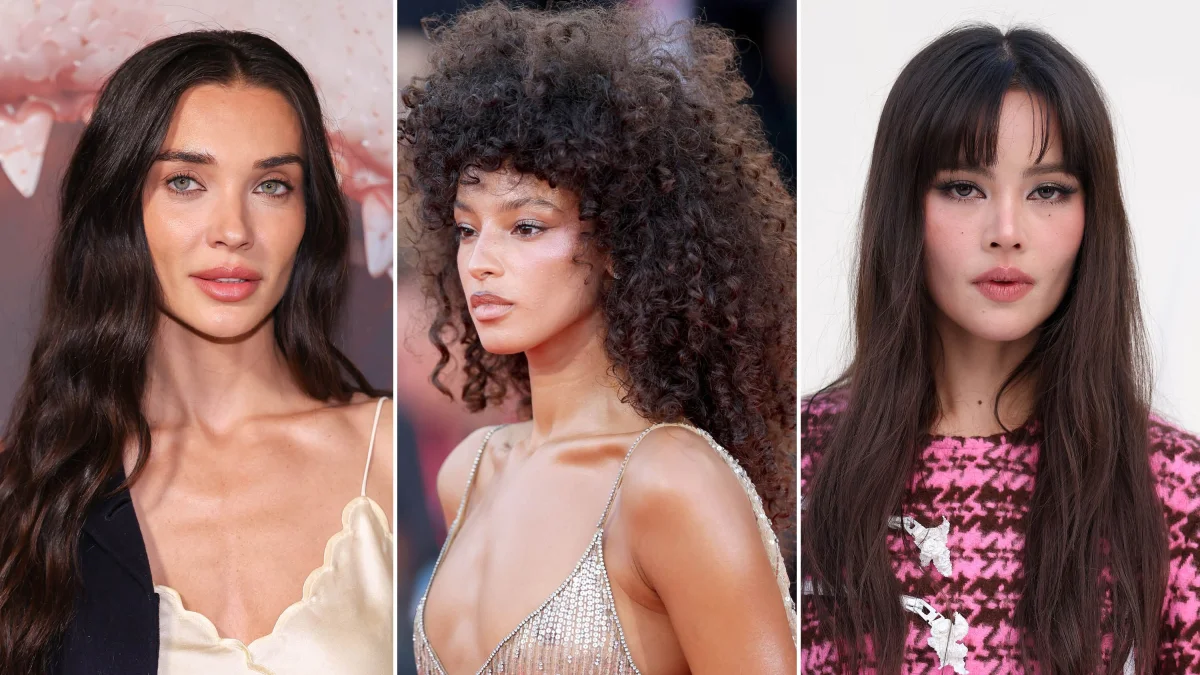
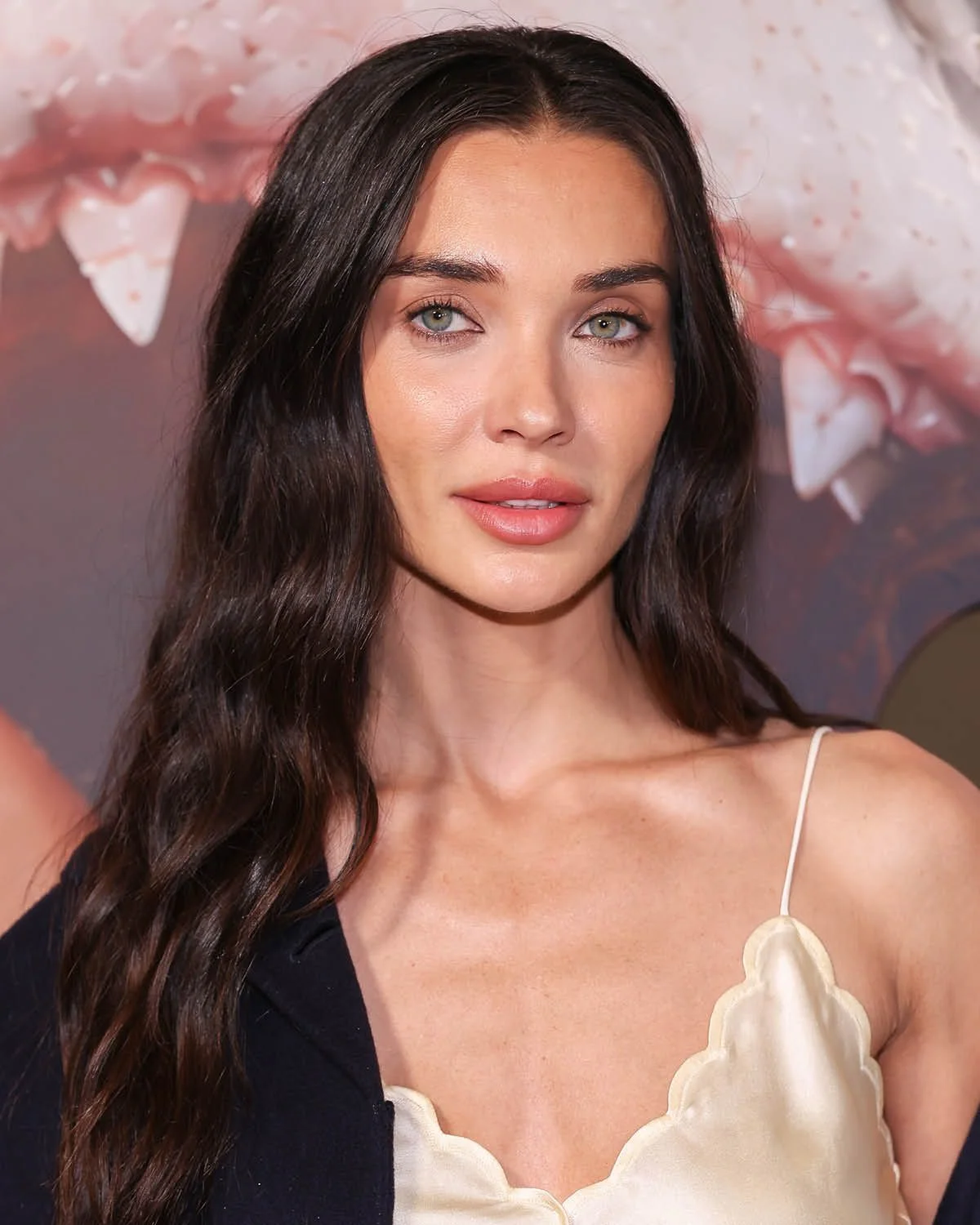
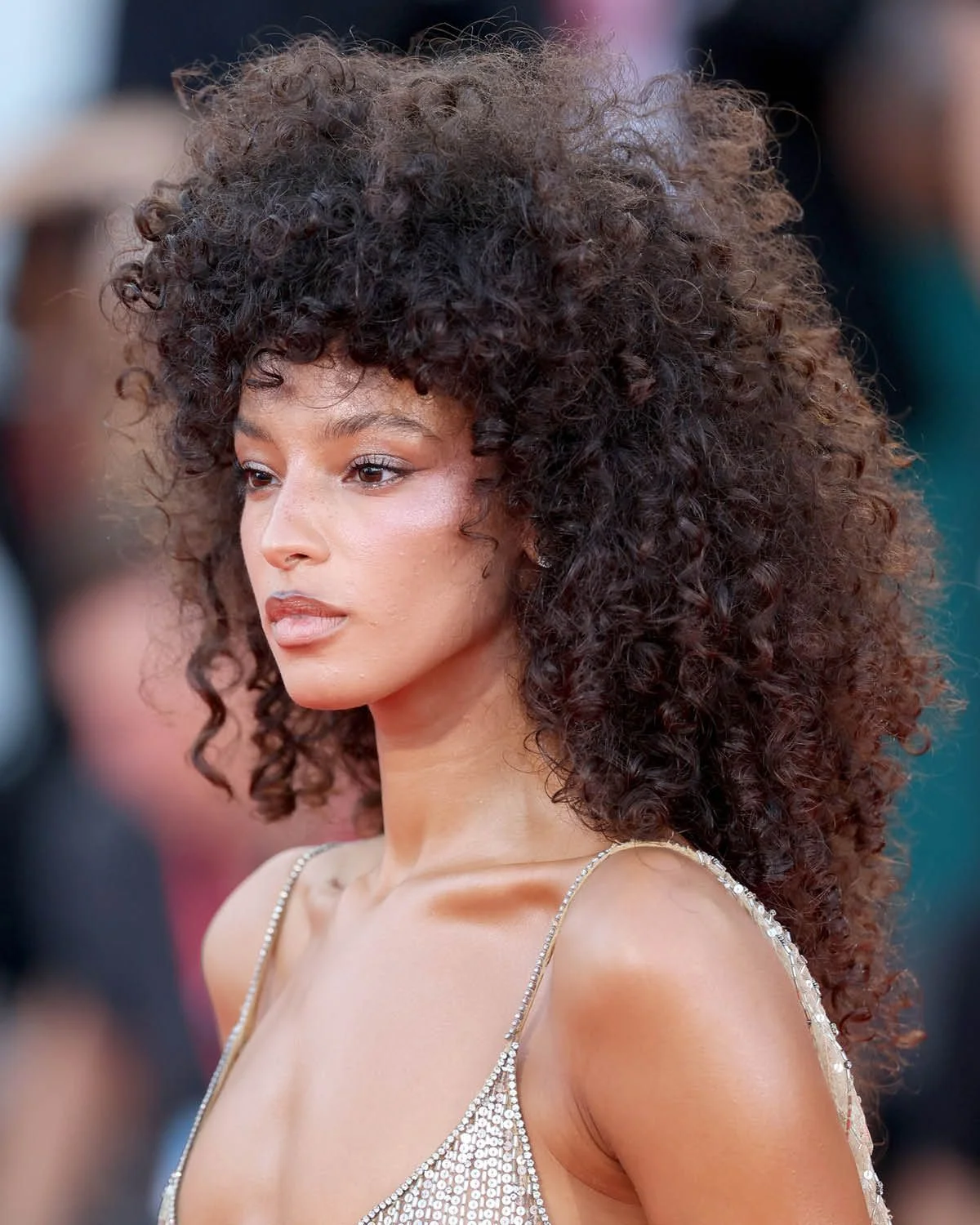
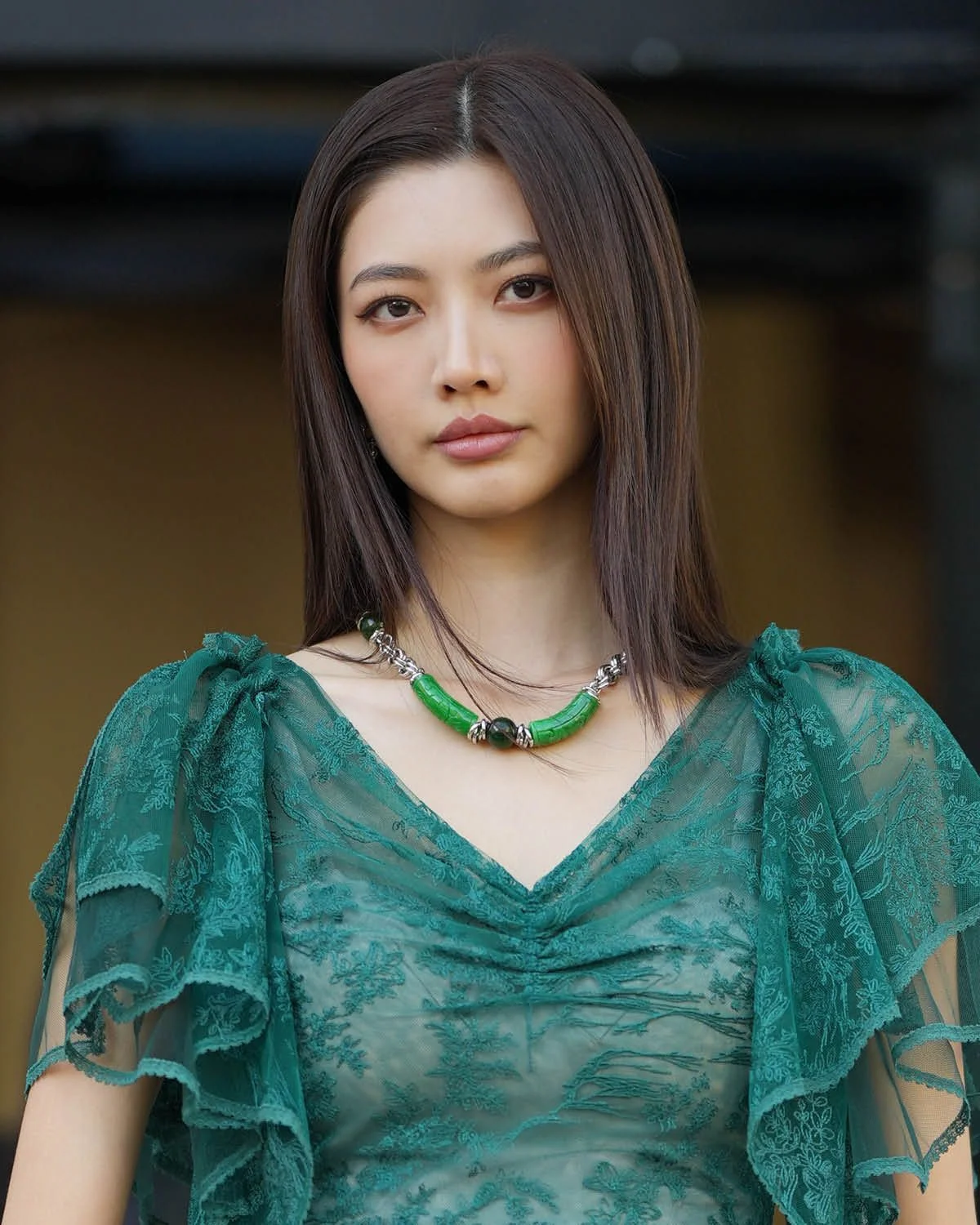
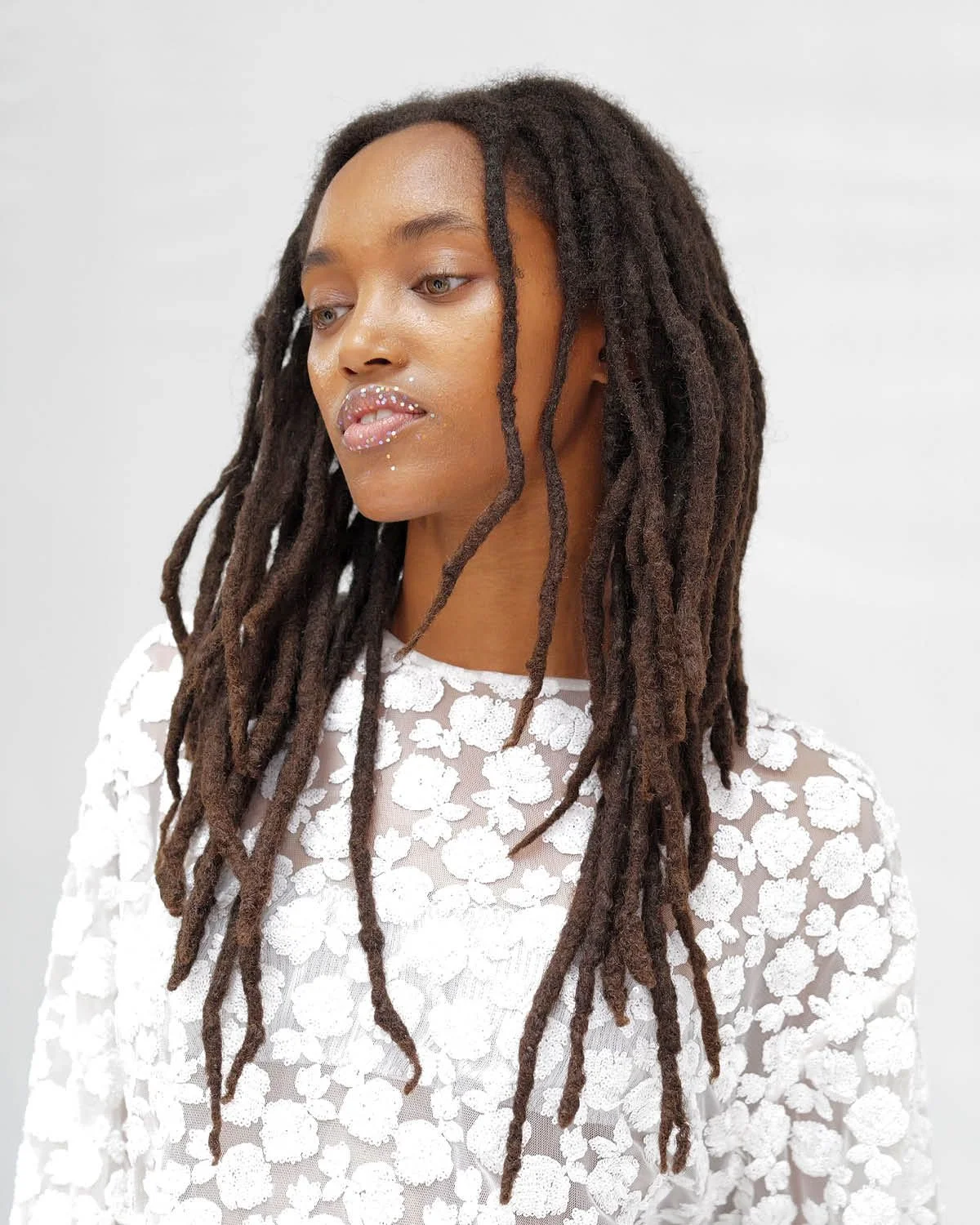
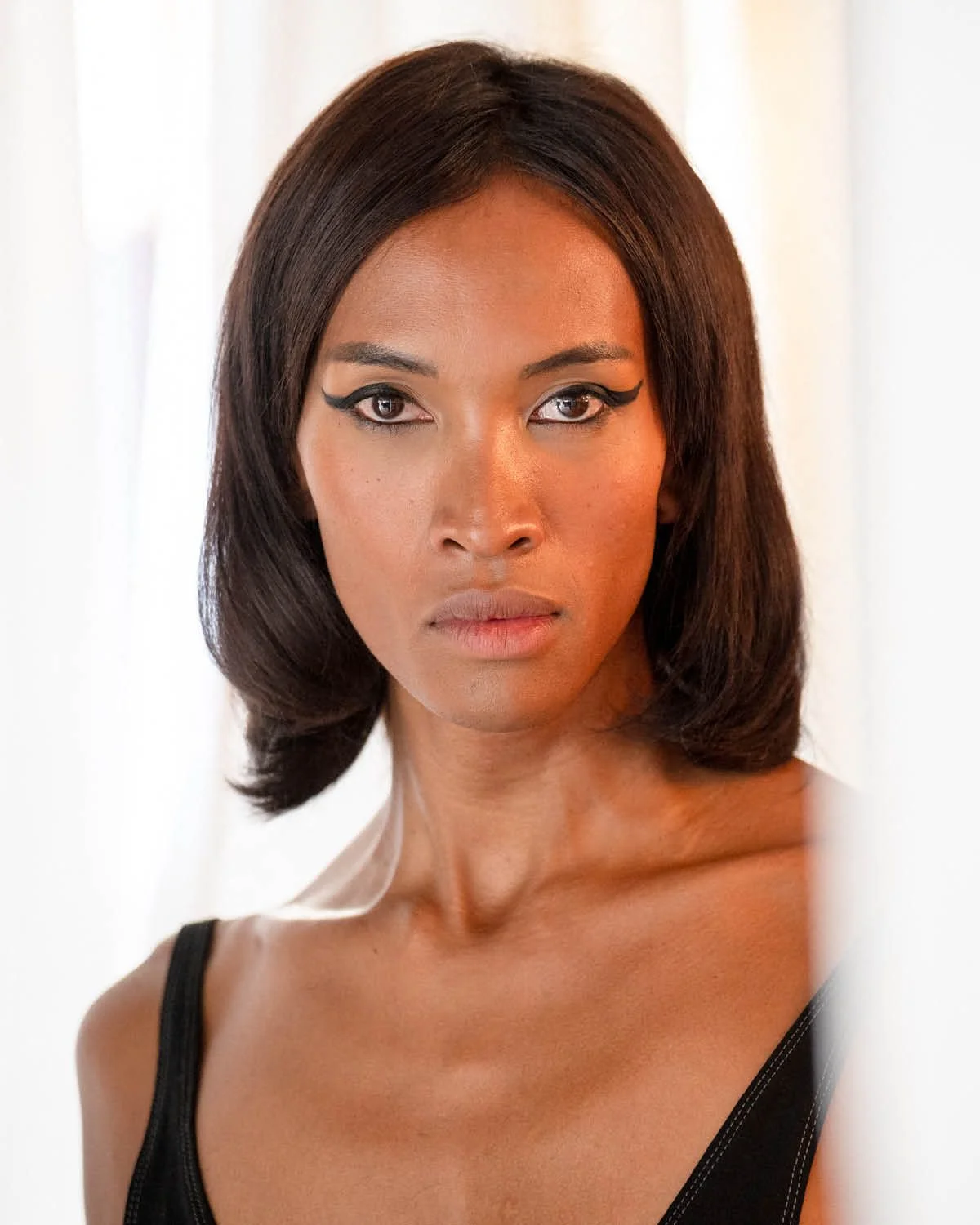
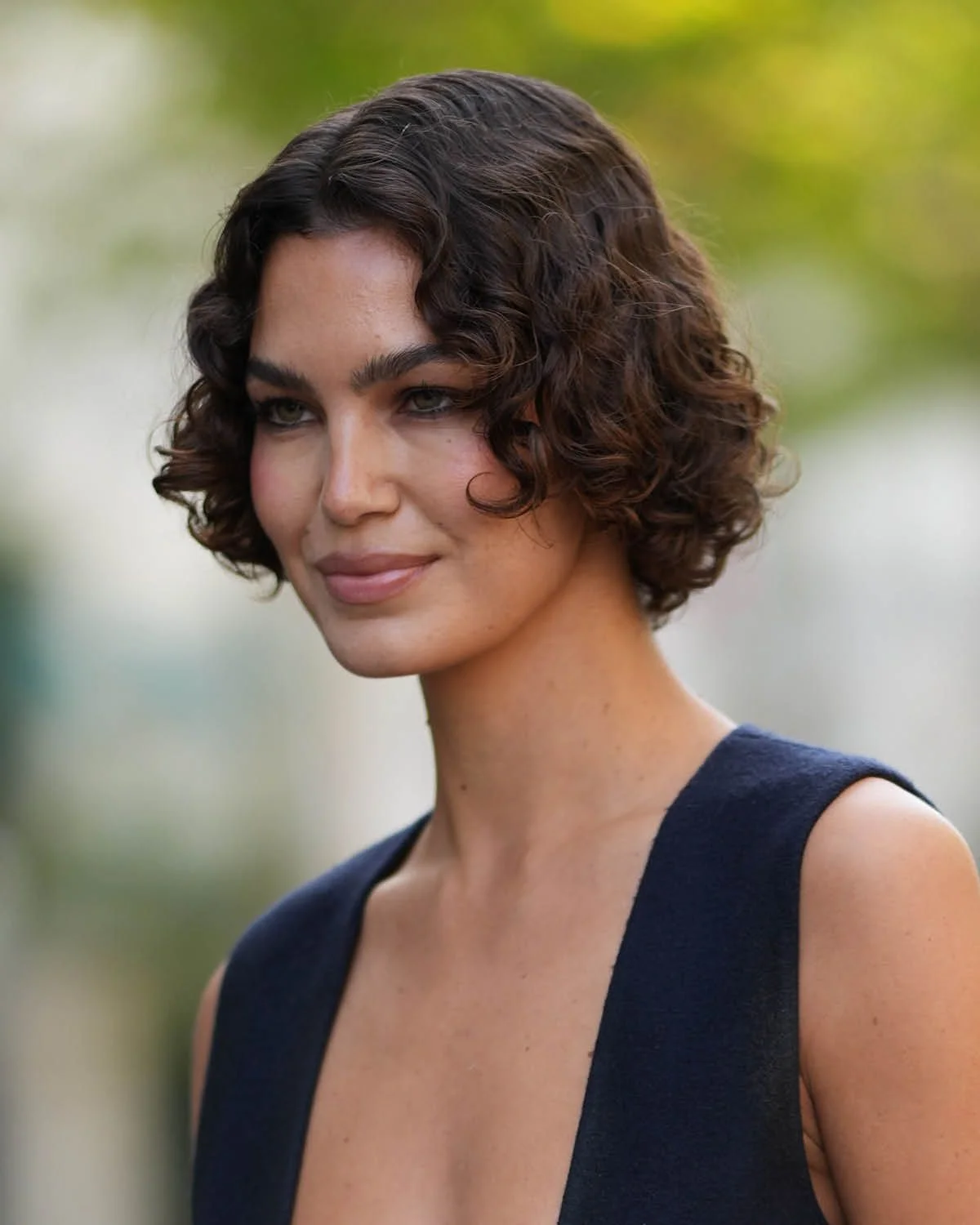
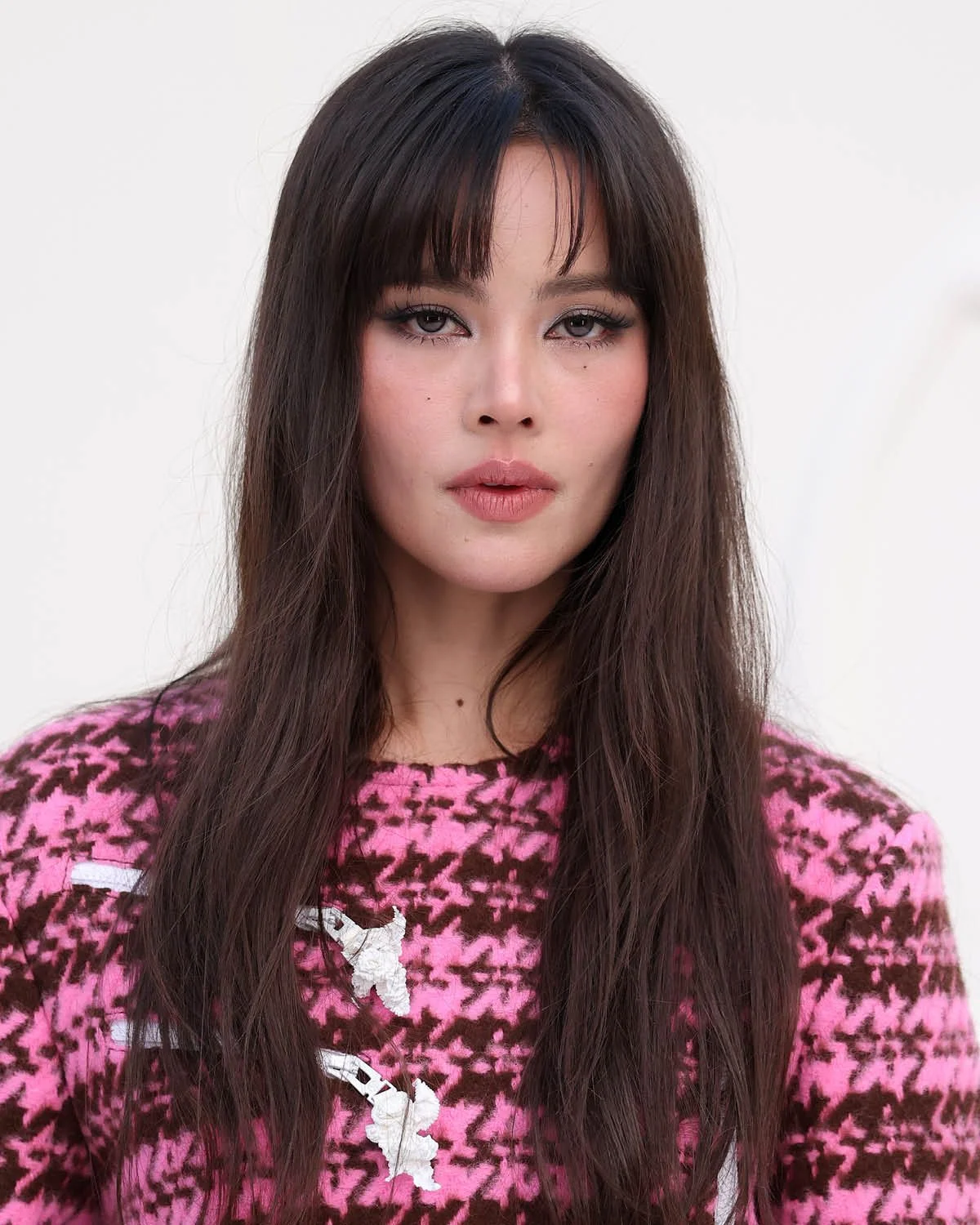
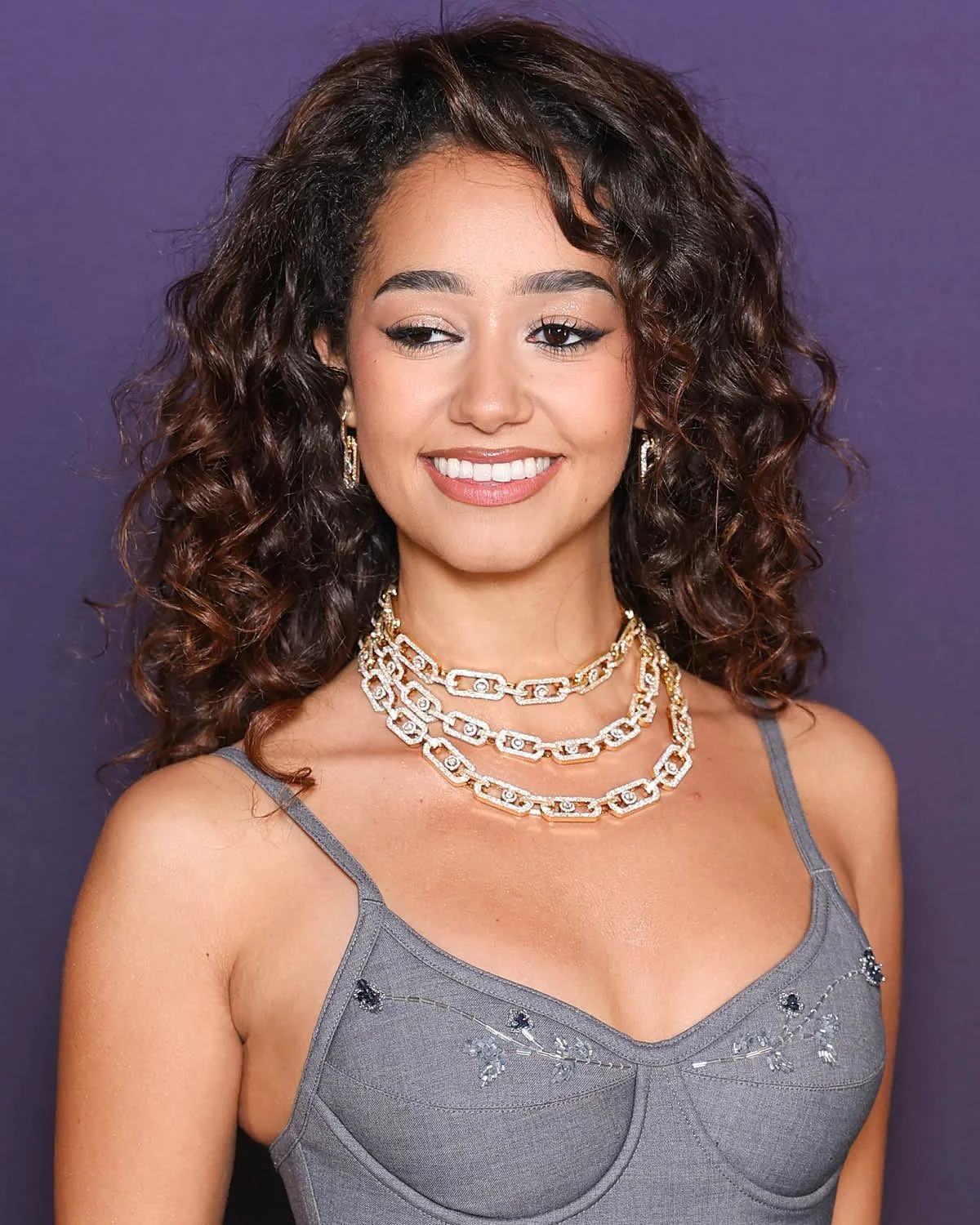
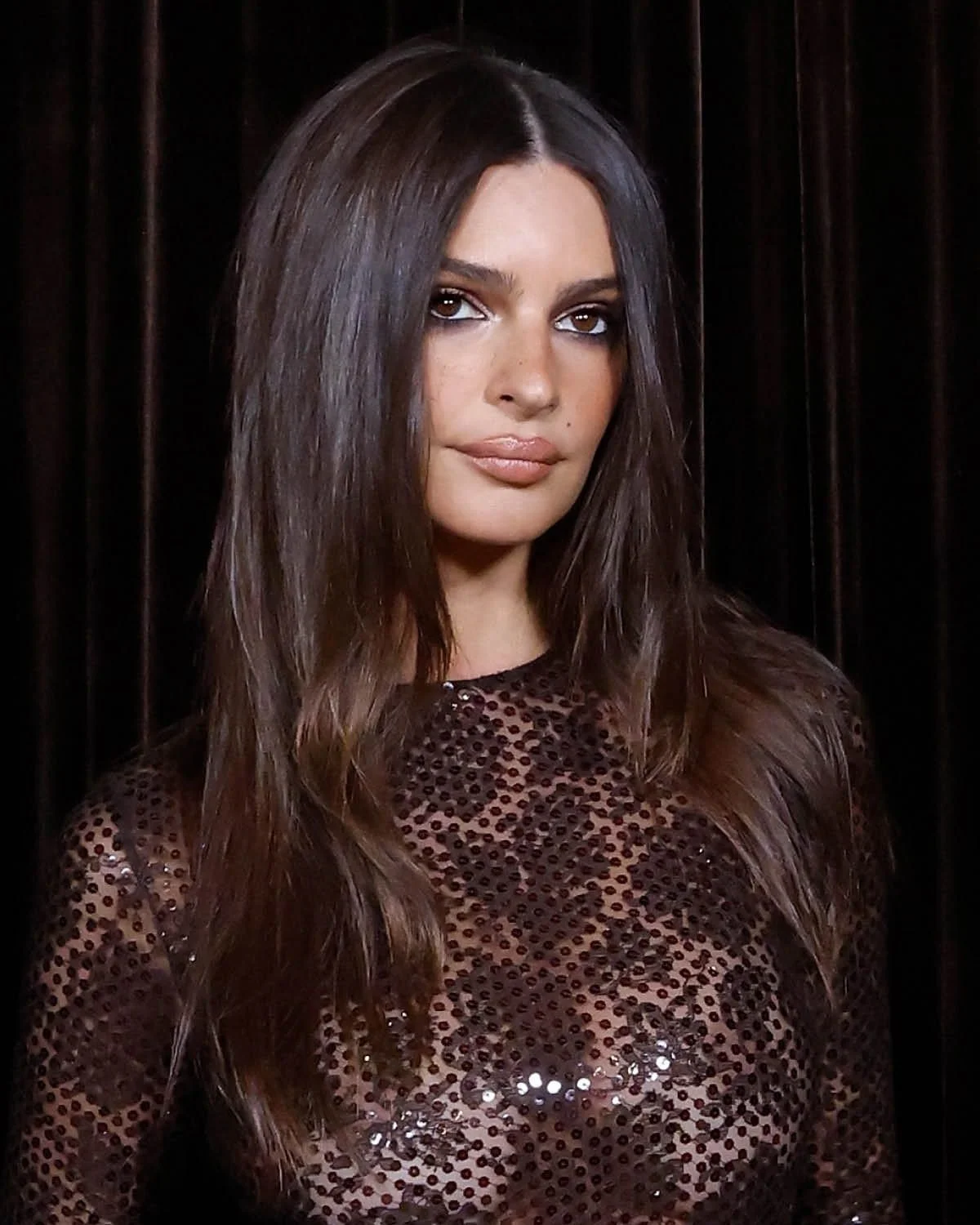
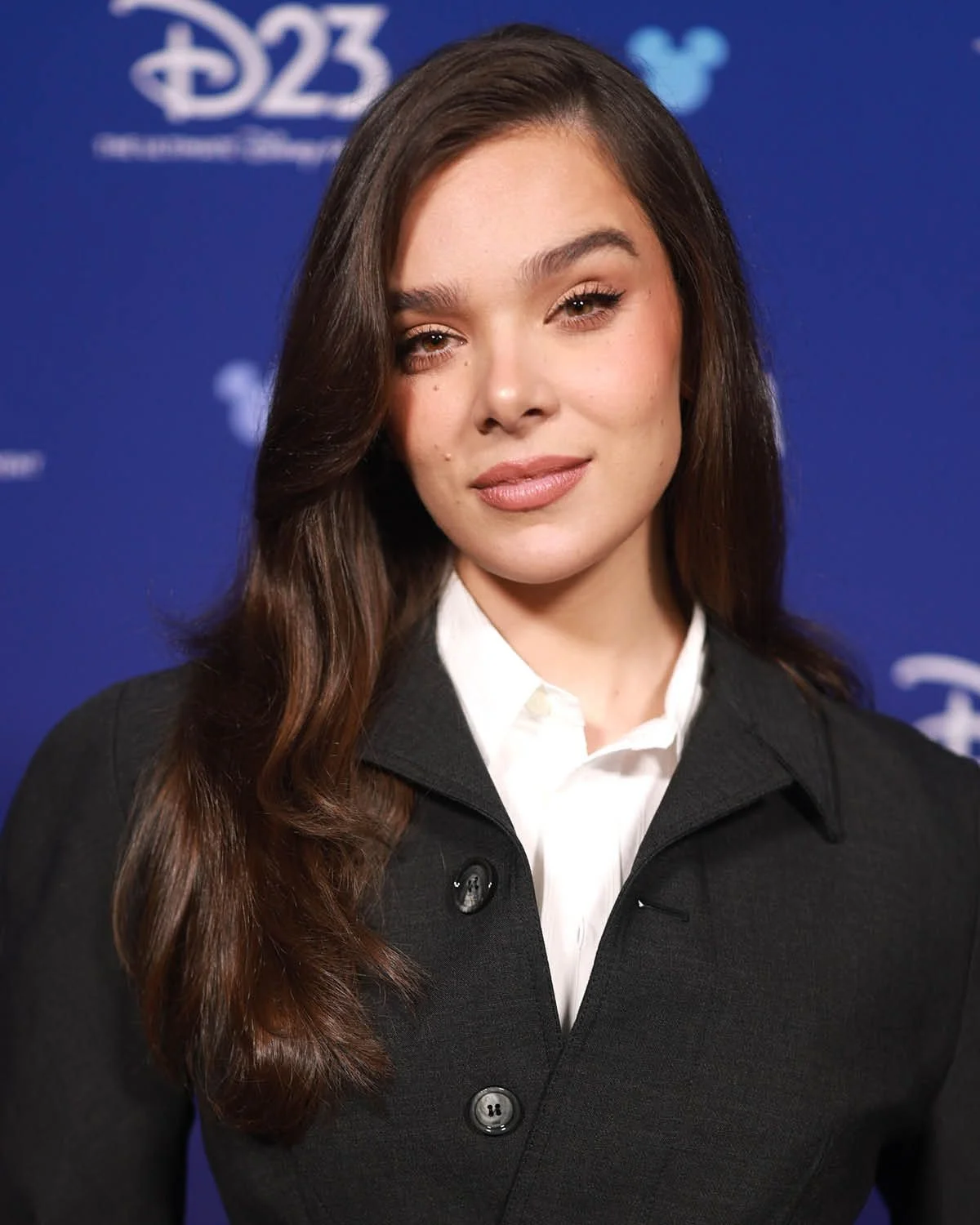
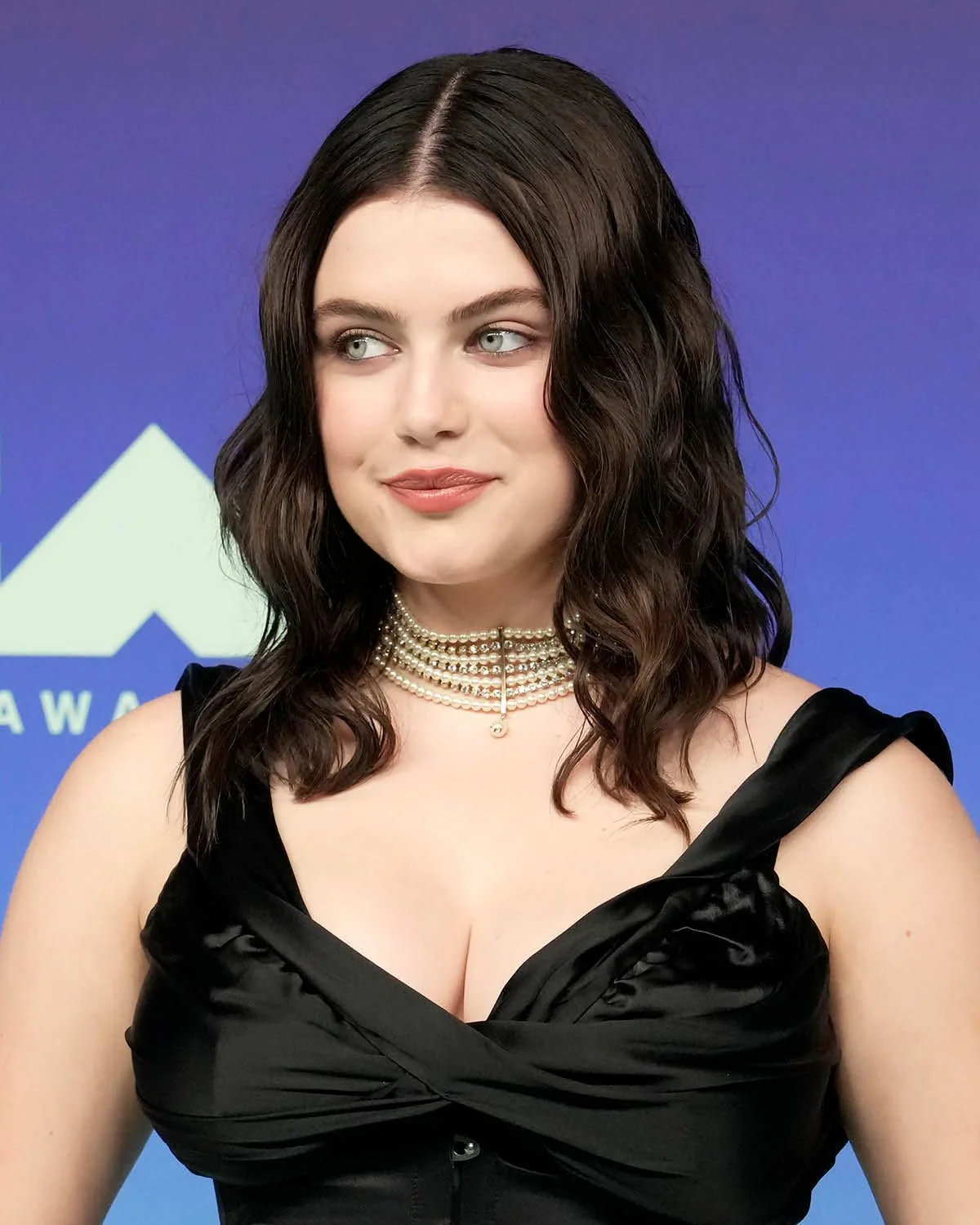
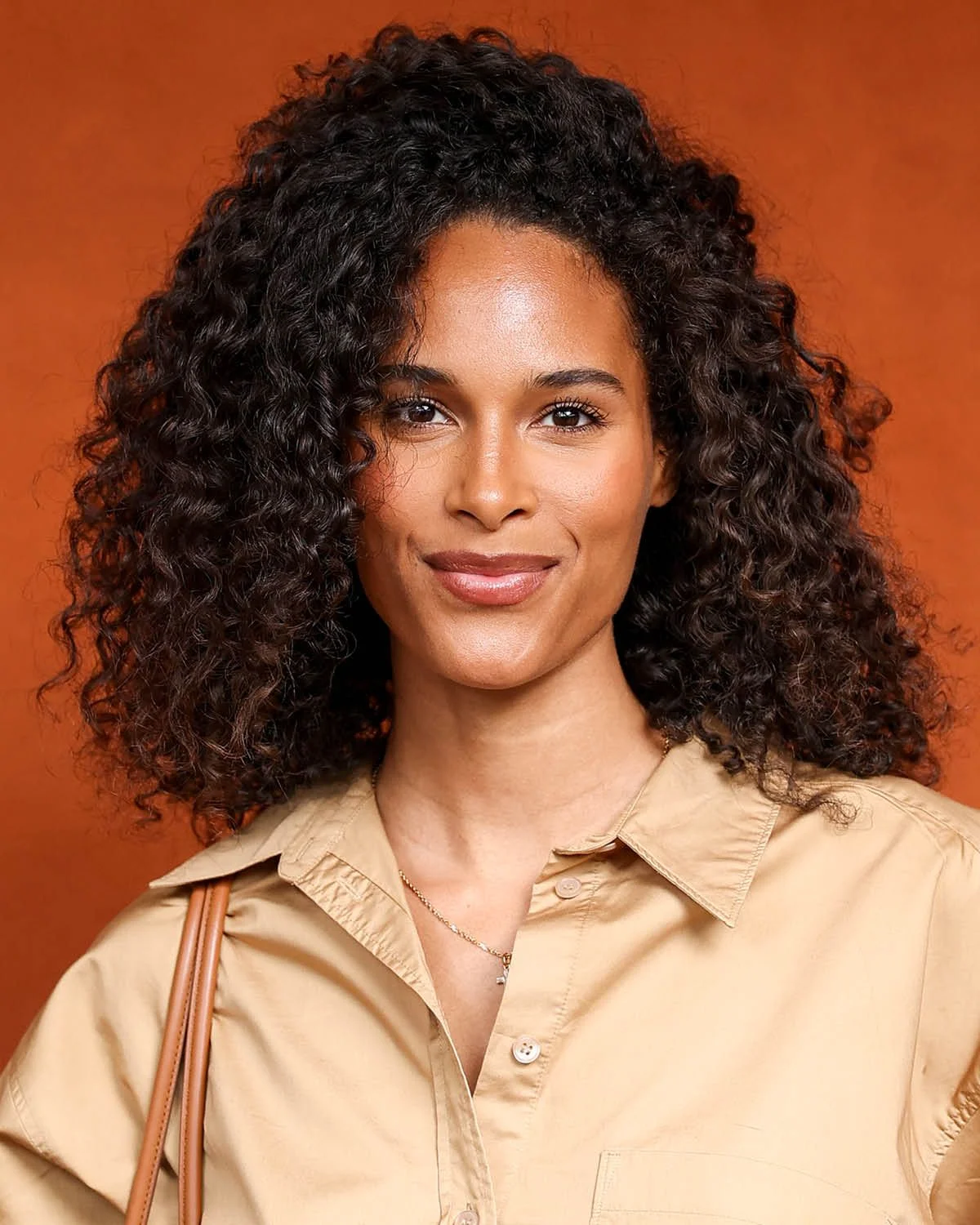
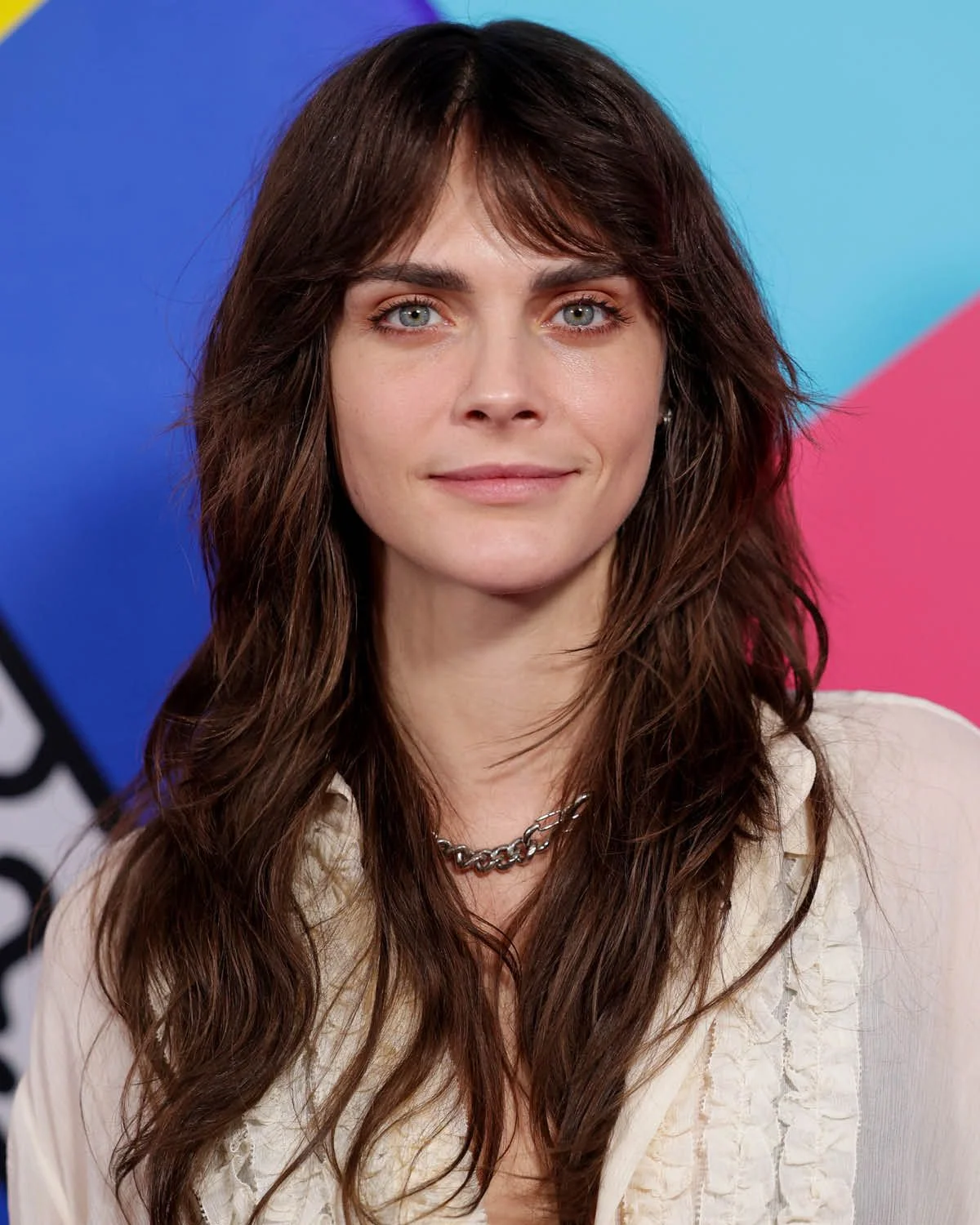
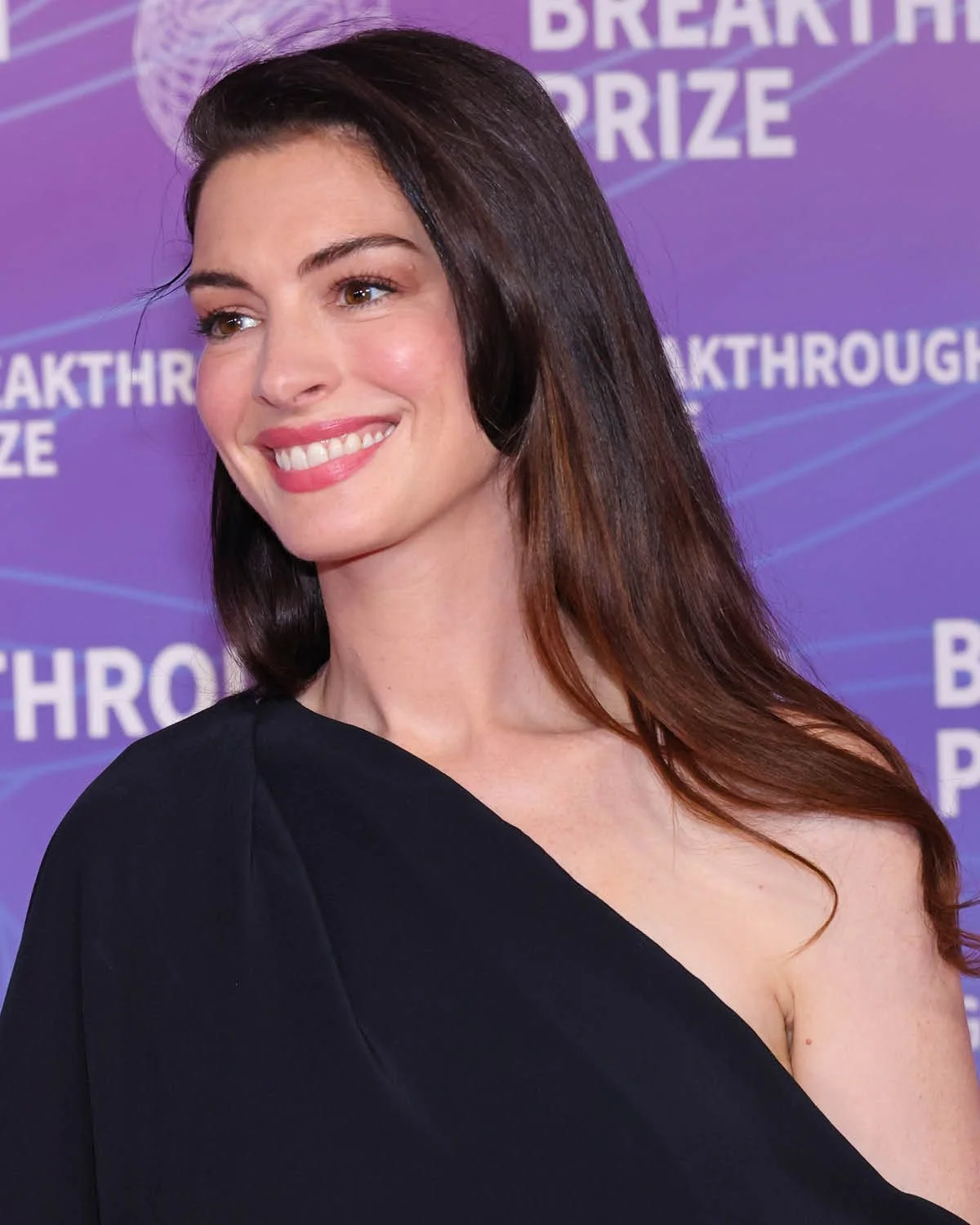
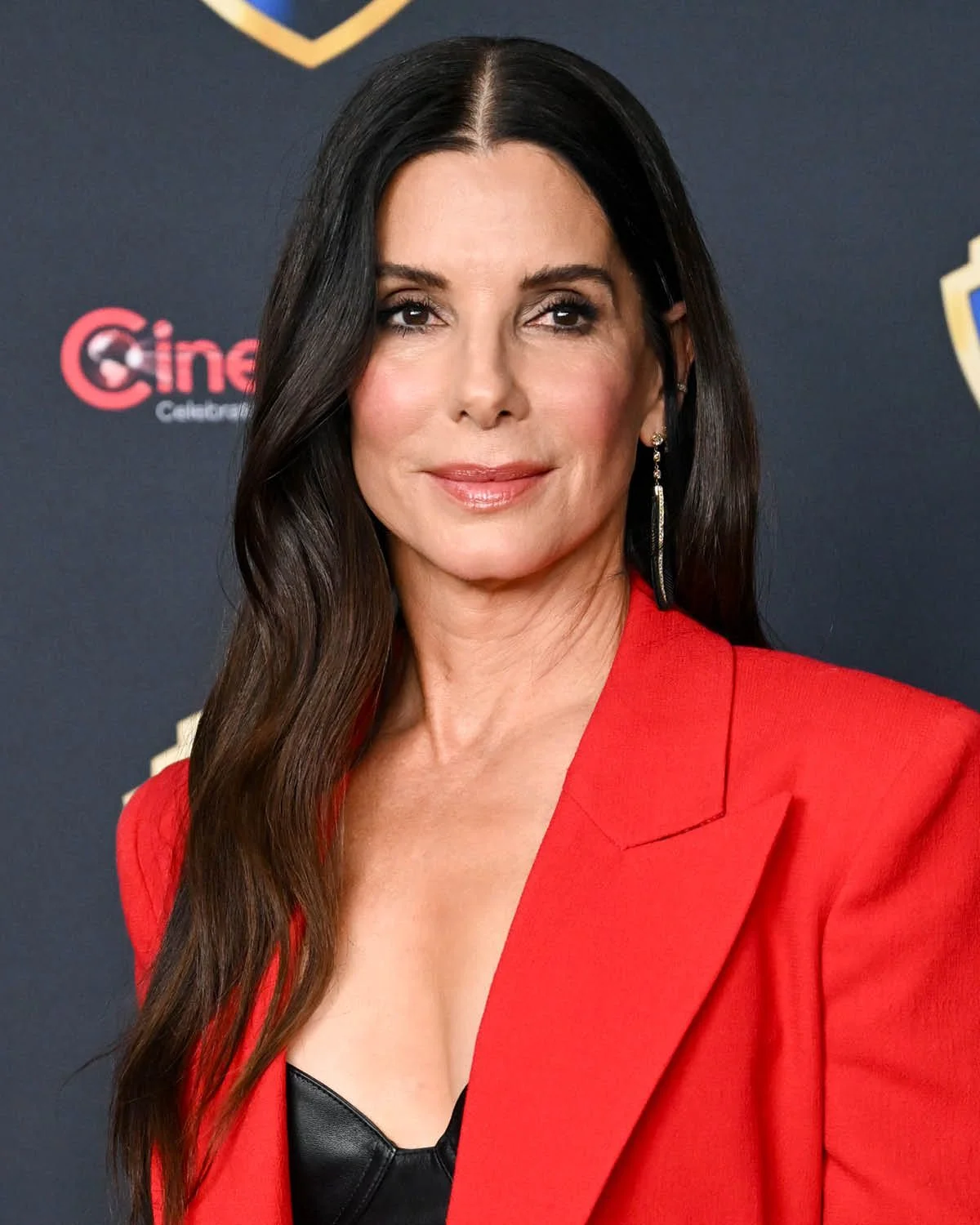
Espresso brown gives dark hair depth without the flatness of a near-black shade or the cool cast of an ashy brunette. Its golden undertone catches the light softly, while a blend of slightly lighter and darker tones lends hair a polished, dimensional finish. The effect is rich but still natural-looking—a change that can feel especially wearable for brunettes who want a refresh without a dramatic shift.
“We're finally embracing warmth again and realizing just how flattering it can be,” says Nataly Maldonado, colorist and owner of Velvet Palm Studio in Lake Worth Beach, Florida. For years, she says, clients often asked to remove warmth from brown hair. But warmth gives brunette color richness, movement and a reflective quality. In espresso, that warmth is subtle: it reads as a golden glint rather than an overtly golden shade.
Why espresso brown looks different
Maldonado describes espresso as a deep brunette with a golden reflect. That combination creates contrast and dimension without the obvious placement of highlights. Quia Querisma, a Dallas colorist, calls it a velvety brown with a slight golden reflection in sunlight. The exact balance can be adjusted to suit the person wearing it: an experienced colorist can make the formula warmer or cooler to complement their complexion.
Temur Hamilton, colorist and owner of Temur in New York City, points to the tonal mix as part of the appeal. Espresso brown isn’t meant to look like one solid block of pigment; slightly lighter and darker shades create its depth. For a natural brunette, that can make the change feel elevated while keeping the overall look understated.
The shade can suit a range of complexions, but the route to it depends on the hair’s starting color and history. Natural dark brown hair may need little more than a gloss. Previously colored black hair, blonde hair and gray hair can call for more involved color work, so it’s worth discussing the target shade and your hair’s past treatments at the consultation.
Getting the shade from your starting point
For someone with dark brown hair, the adjustment may be as subtle as adding a few highlights or lowlights, Hamilton says. Maldonado notes that natural brunette hair around level 5 to 6 may respond to a deep brown gloss with golden undertones. It can enhance the existing color while adding shine and vibrancy. Virgin brunette hair may also be suited to a single-process application, Querisma says, depending on the desired result.
Naturally near-black hair is a different starting point. Querisma says a colorist may first need to lighten it gently with clear permanent dye and a level 20 developer, then apply the espresso tone. The right technique depends on the hair and how much visible dimension the client wants.
Previously dyed black hair requires a separate assessment. Color generally can’t lift pigment that has already been deposited, so Hamilton says the dark dye may need to be lifted before an espresso demipermanent or permanent gloss goes on. Subtle highlights can be added if the finished color needs more dimension.
Blonde and gray hair usually need a warm foundation before the final brown shade. Lightening removes underlying pigment, so colorists may first prefill the hair with gold, copper or red tones. Maldonado says this step helps prevent espresso from looking dull, hollow or muddy. Querisma describes the process as a corrective color, or “tint back”; Hamilton also builds a rich, warm base before applying espresso and finishing with a glaze or gloss. Because lightened hair is more porous and can lose pigment more readily, rebuilding warmth also matters for how well the color holds.
Keeping espresso rich between appointments
Maintenance can be relatively simple for brunettes who are already close to the shade. Maldonado suggests a gloss or color refresh about every six to eight weeks, depending on the starting color, porosity and how well the hair retains pigment. Querisma says some brunettes may be able to wait as long as 12 weeks. For clients moving from blonde or gray, Hamilton says lighter roots may become visible in around six weeks, which can mean more regular salon visits.
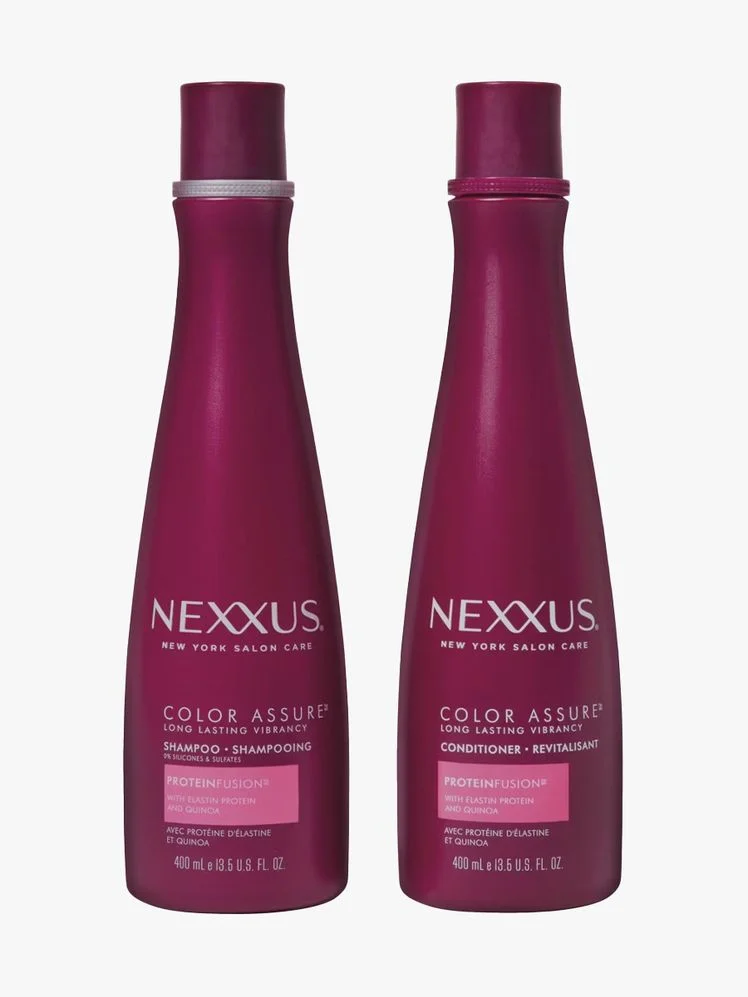
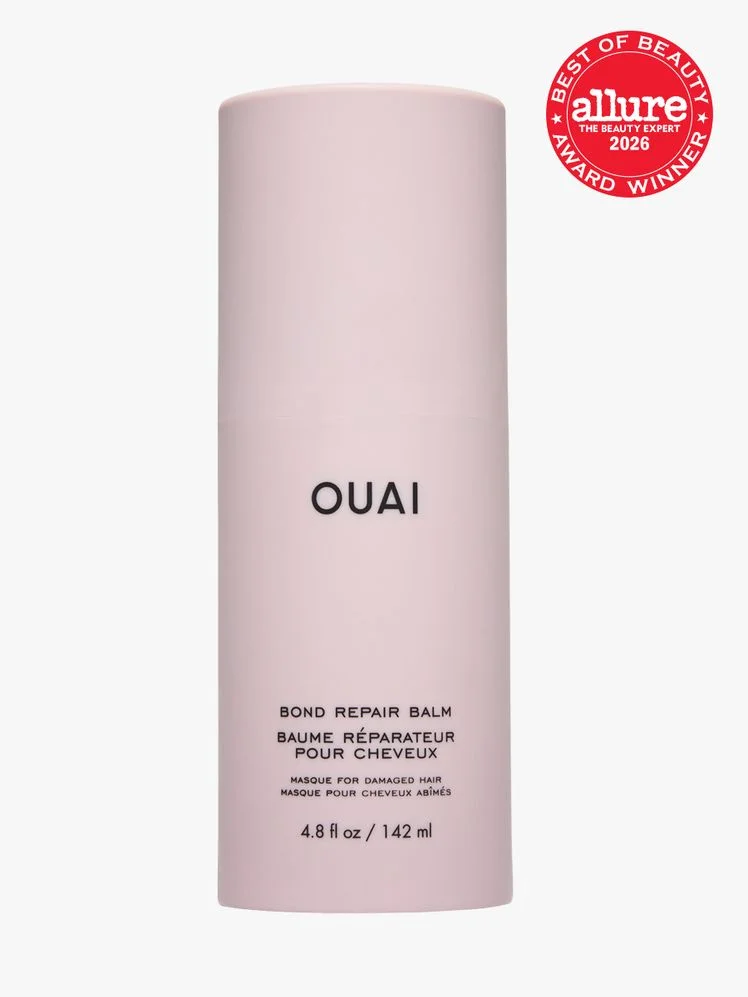
At home, color-safe shampoo and conditioner can help preserve the richness. Washing less often may also reduce pigment loss during cleansing. The Nexxus Color Assure Vibrancy Shampoo and Conditioner are one suggested pair. Their product cards list each at $20 at Ulta Beauty. Hamilton also recommends bond-repair products, particularly for previously lightened hair. The Ouai Bond Repair Balm, listed at $50 at Amazon, was recognized as a Best of Beauty Award winner for hair care.
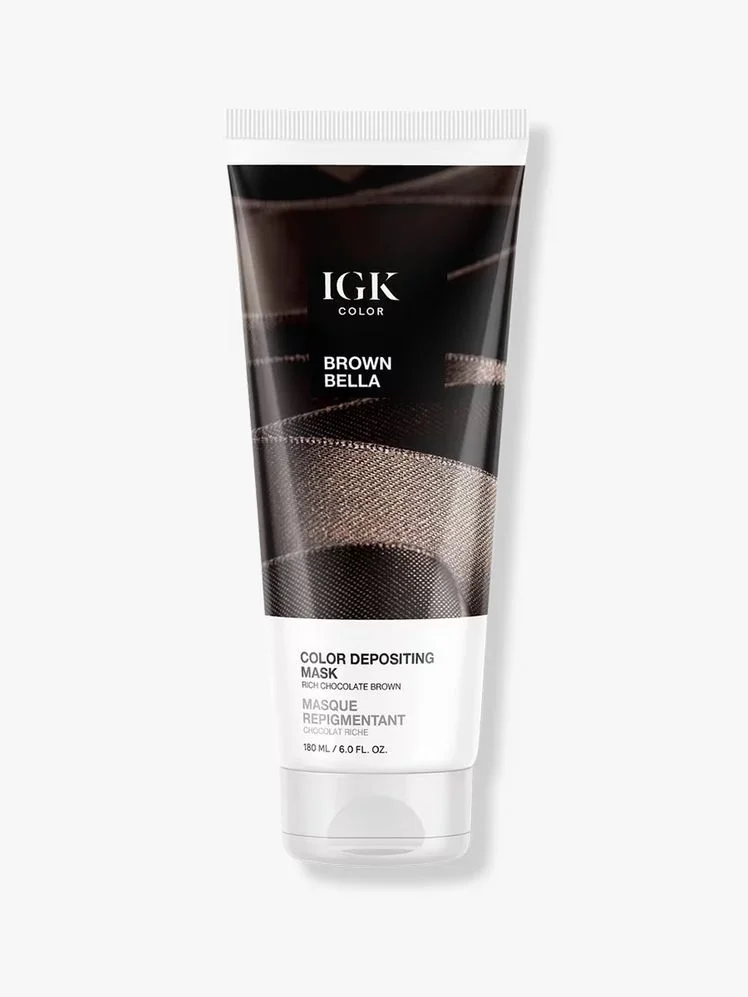
Heat can also take the shine out of colored hair. Maldonado recommends lowering the temperature on hot tools and in the shower. A color-depositing conditioner or mask can refresh brunette tones between appointments; she likes IGK Color Depositing Gloss Mask in Brown Bella, listed at $32 at Ulta Beauty. Check with your stylist first if your hair has highlights or has been lightened, since added pigment can affect the result.
Espresso brown’s appeal is its balance: deep color with enough warmth and tonal variation to keep it lively. Bring reference photos to your colorist and be clear about your starting shade and color history; those details shape both the formula and the upkeep.
Espresso brown inspiration