Nude Hair Colour: The Soft, Dimensional Trend Reworking Autumn Hair
Nude hair refines your natural base with diffused dimension. Celebrity hairstylist Adam Reed shares colourist tips, care advice and styling inspiration.
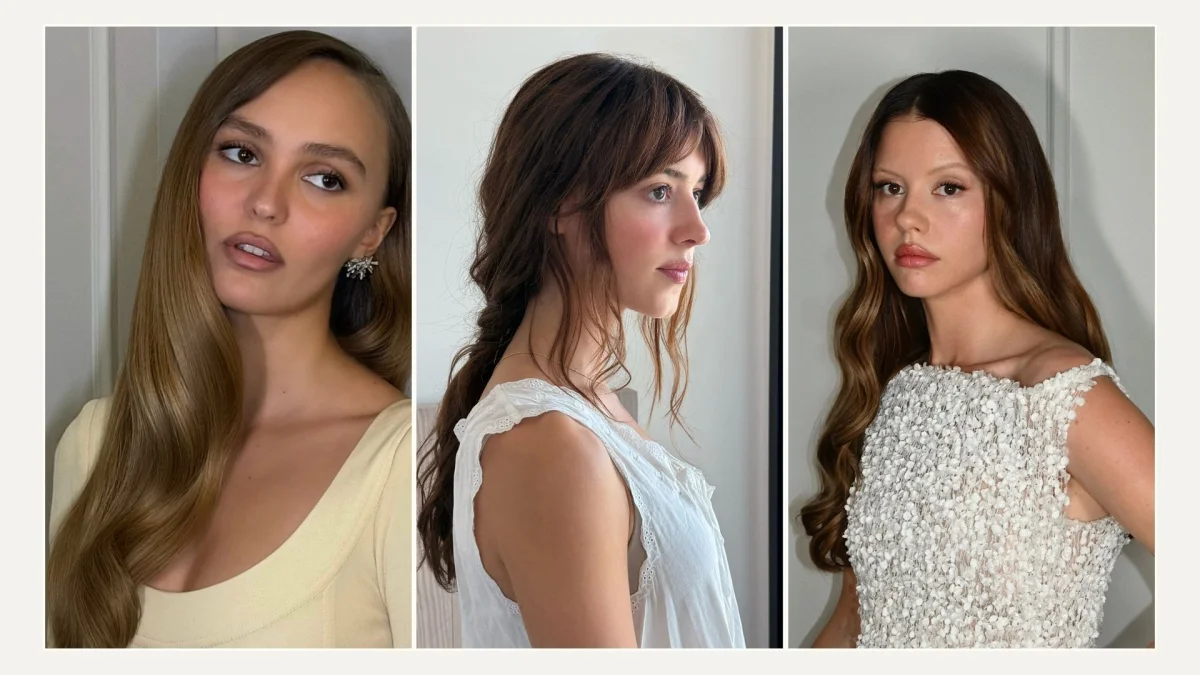
Nude hair makes a case for colour that looks like it belongs: subtle tonal shifts, a seamless blend and shine that lets the finish speak for itself. This autumn, it’s gaining attention as a softer alternative to conspicuous highlights and dramatic changes. The idea isn’t to leave hair flat or untouched, but to refine your natural base until the colour feels personal and quietly polished.
For years, honeyed balayage, bold highlights and bright face-framing pieces have shaped salon inspiration. Nude hair takes a different approach, one that fits the growing appetite for an undone, less visibly styled look. Celebrity hairstylist and Remi Cachet expert Adam Reed calls it “taking something familiar and natural and making it feel beautifully elevated.” The effect may be understated, but the work behind it is considered: tone, placement and hair condition all matter.
What nude hair looks like
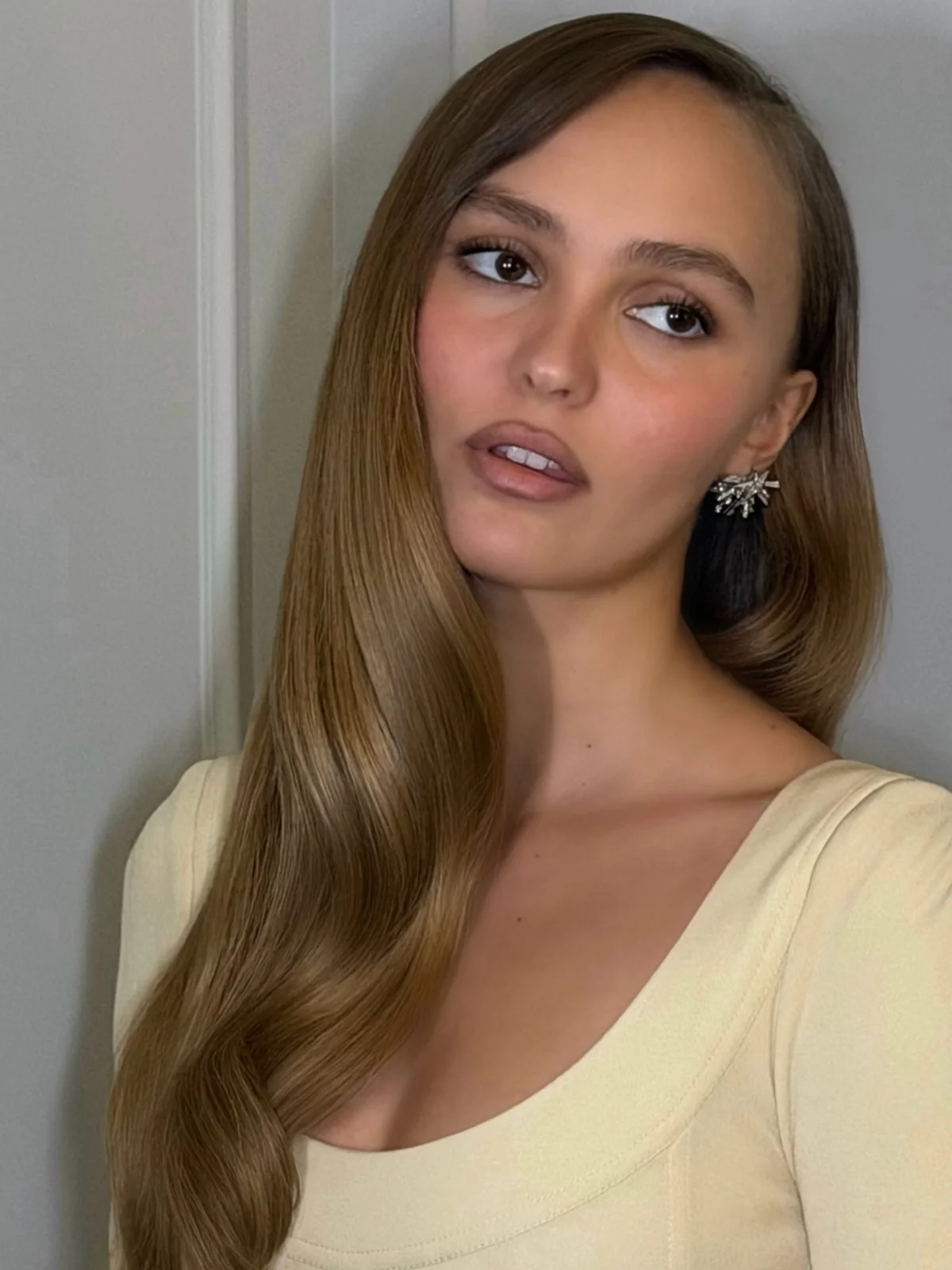
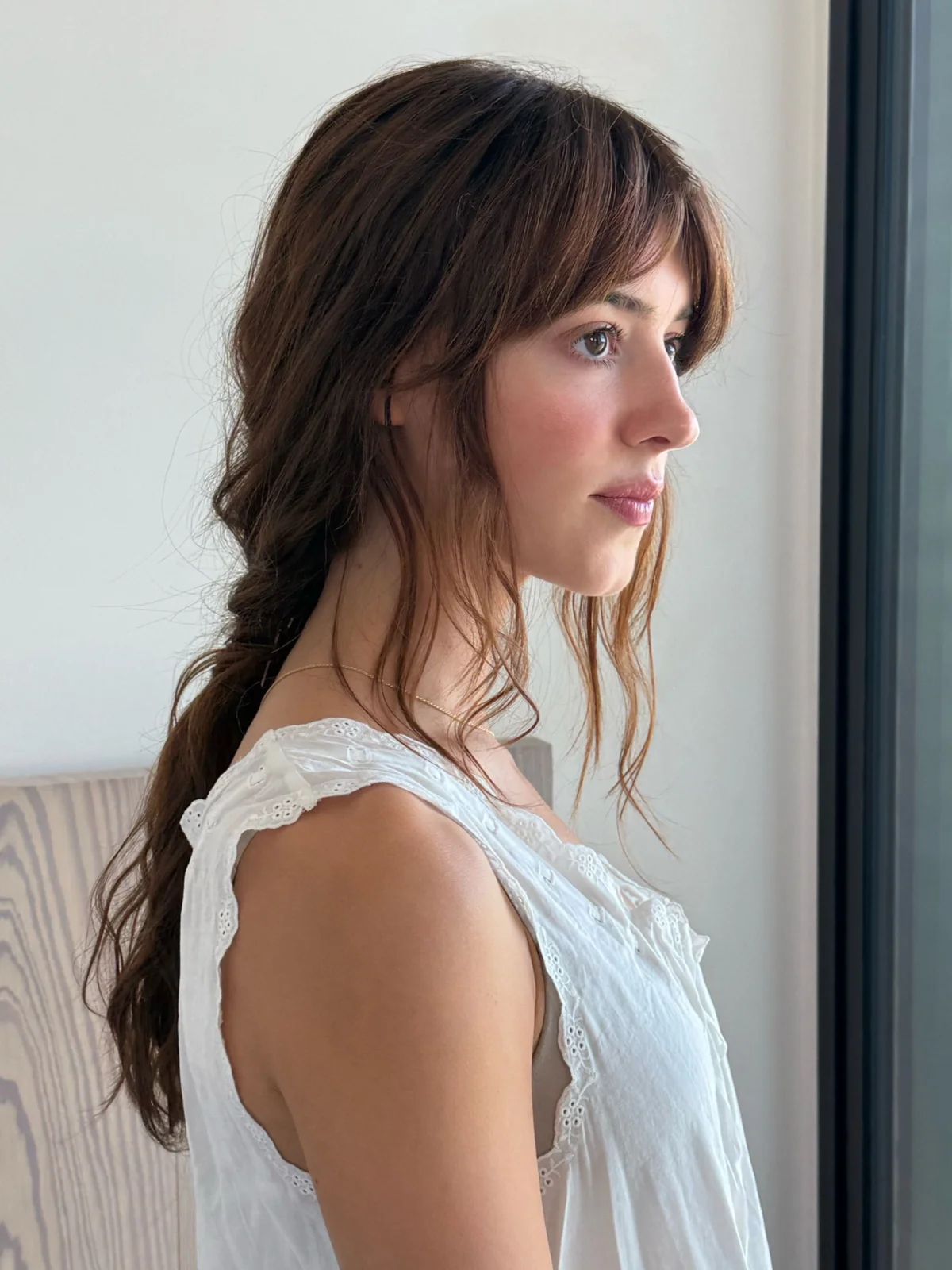
There’s no single shade to ask for. On blonde hair, nude colour might mean balanced beige, champagne or muted honey, softened with fine tonal shifts. Brunettes might choose walnut, neutral brown or espresso, with just enough variation to catch the light. The shared quality is a blended finish: depth and movement without a clearly visible boundary between colours.
That’s the distinction from classic balayage, where lighter pieces may be placed to brighten the lengths or frame the face. Nude colour is less focused on contrast and more on harmony with the base shade. “We still want movement and reflection,” Reed says, “but we don't necessarily want to see where one colour begins and another ends.”
Reed describes the approach as “super naturals”: familiar colour, subtly lifted. That can suit blonde, brunette and shades between them; the tone and placement are adapted to the individual rather than copied from a single reference. A glossy, healthy-looking finish helps those restrained differences show through.
What to tell your colourist
Start with the result you want rather than naming a shade. Talk about softness, finish and how much contrast feels right, then let your colourist weigh that against your natural root colour, skin tone, existing colour and hair condition. Reed suggests asking for “a soft, natural-looking colour with very little obvious contrast” and explaining that you want to enhance your base rather than make a dramatic change.
The technique will depend on your starting point. A colourist might add ultra-fine highlights only a shade or two lighter than your natural colour, or simply refine the existing tone with a gloss. Delicate placement and a soft transition at the root help the result grow out in a less defined way. Reed singles out babylights for their fine, diffused blend, which gives dimension without obvious streaks.
Bring reference images if they help explain the mood, but use them to show what appeals to you about the tone, softness or finish—not as a promise of an identical result. Reed’s advice is to describe how you want your hair to look and feel, then give your colourist room to interpret that for your own base and condition.
Keeping the finish glossy
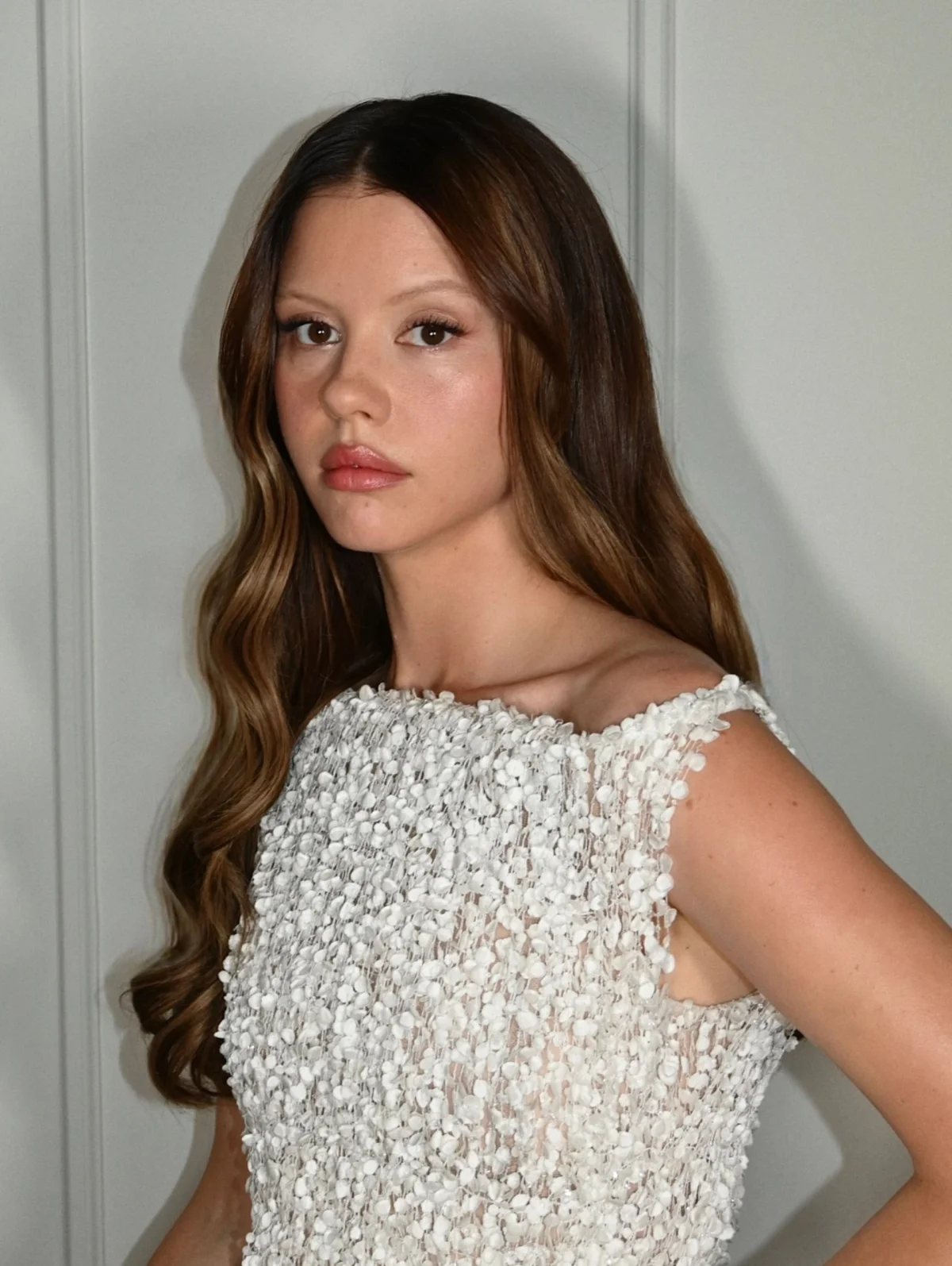
With subtle colour, the look depends on light reflection, softness and movement as much as the shade itself. Reed calls hair condition fundamental: when contrast is restrained, dullness or rough-looking lengths can make the tonal detail harder to see. A personalised routine, matched to your hair type and colour, can help maintain the finish between salon appointments.
Reed recommends choosing the right shampoo and conditioner, using heat protection and adding regular conditioning treatments. Keep heat styling in check where you can, and choose treatments for your hair’s needs rather than defaulting to the most intensive option. A salon gloss can refresh tone and bring back luminosity without adding more highlights. Ask your colourist how often it makes sense for your shade and root growth.
Extensions can work with nude colour when extra fullness or length is part of the plan. The match between the extensions and natural hair, plus suitable aftercare, helps both sit together visually. Reed points to prevention as the guiding principle: colour and hair condition should be considered together.
Ways to wear the trend
The examples below show how the idea adapts across shades, textures and cuts. It can read polished or relaxed, warm or cool; the consistent thread is dimension that doesn’t overpower the base.
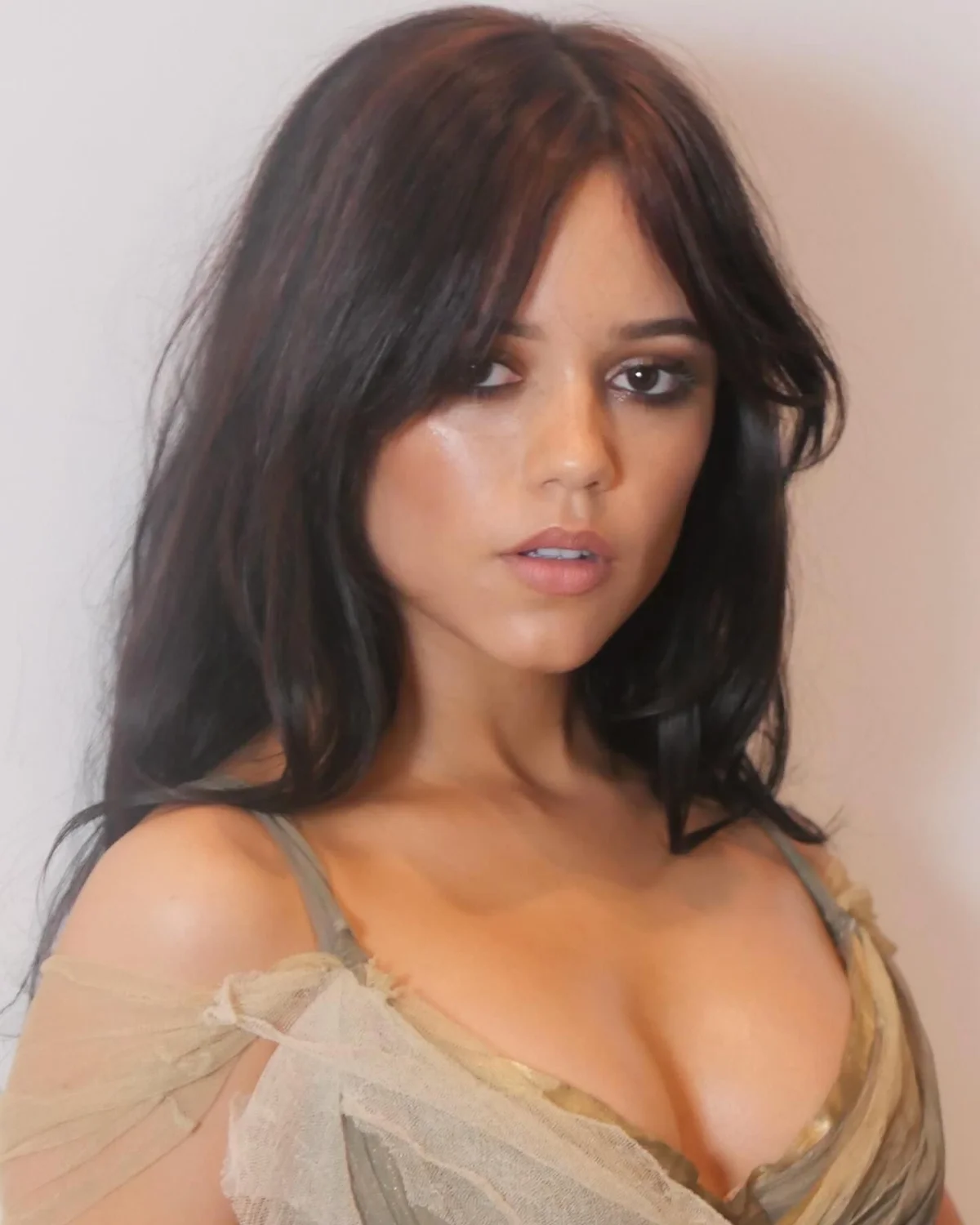
Long, dark layers and a centre-parted fringe give this brunette colour an easy, blended feel.
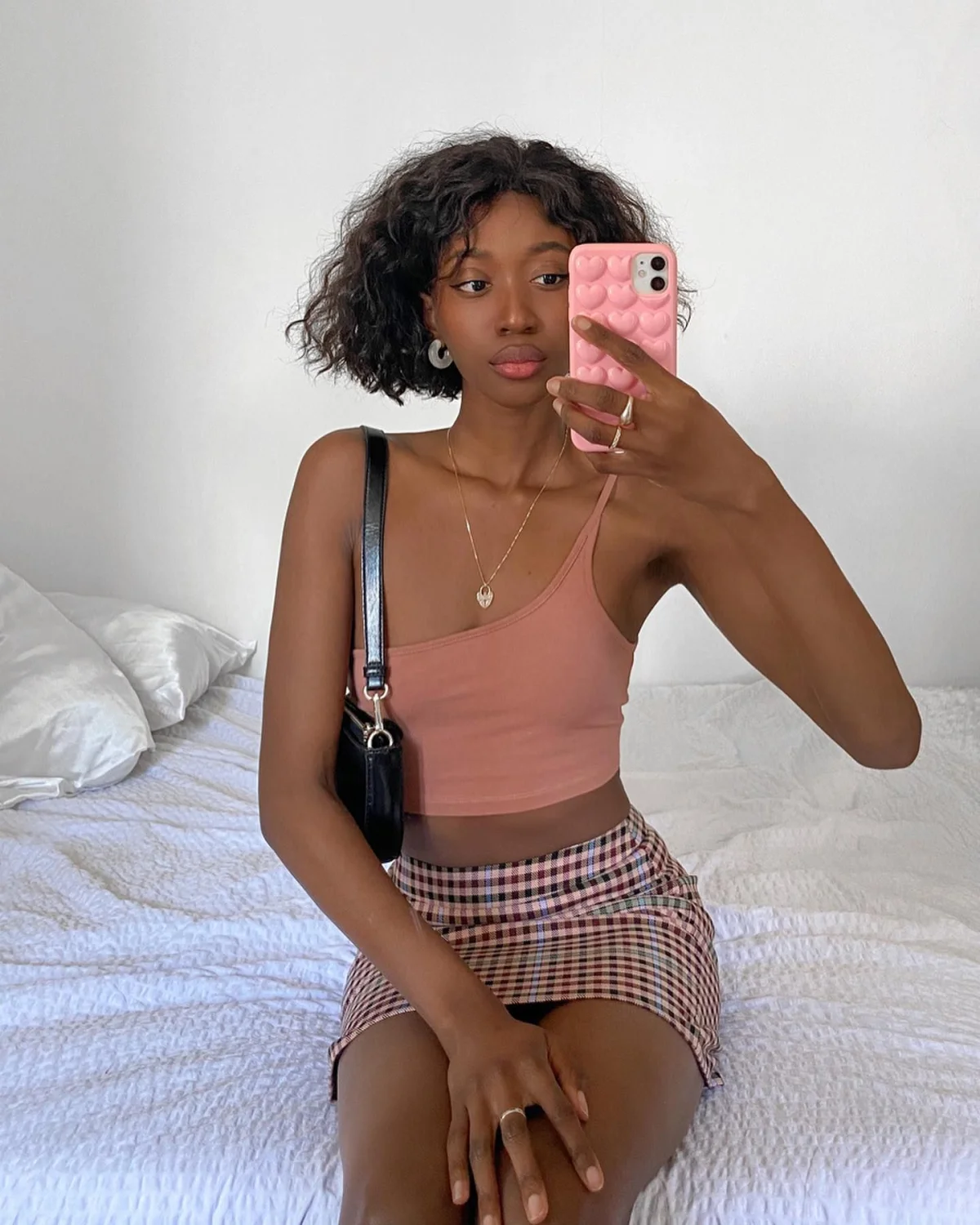
A short, curly bob brings out how naturally the approach works with textured hair.
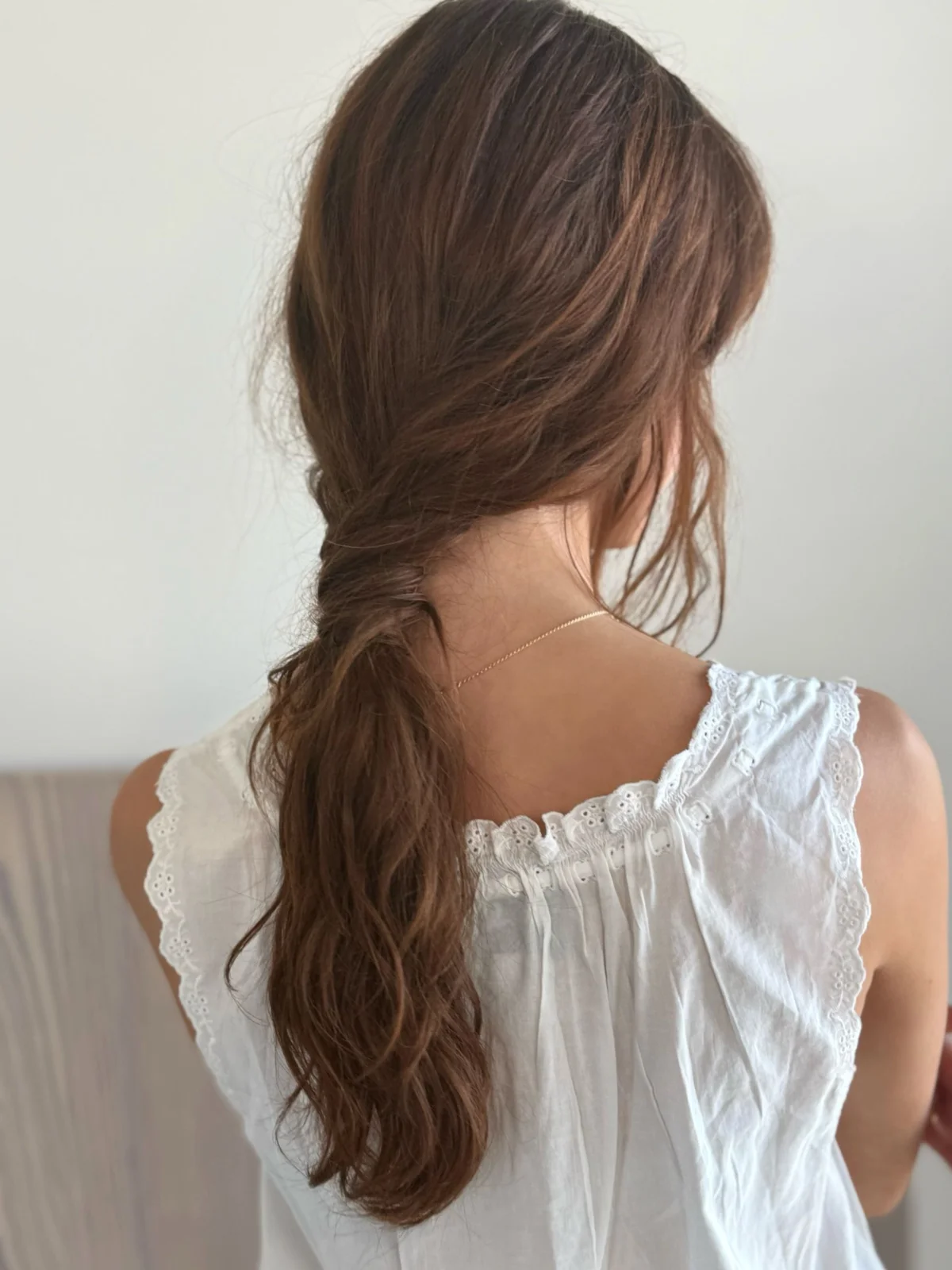
Soft waves make the delicate shifts in this rich brunette shade more visible.
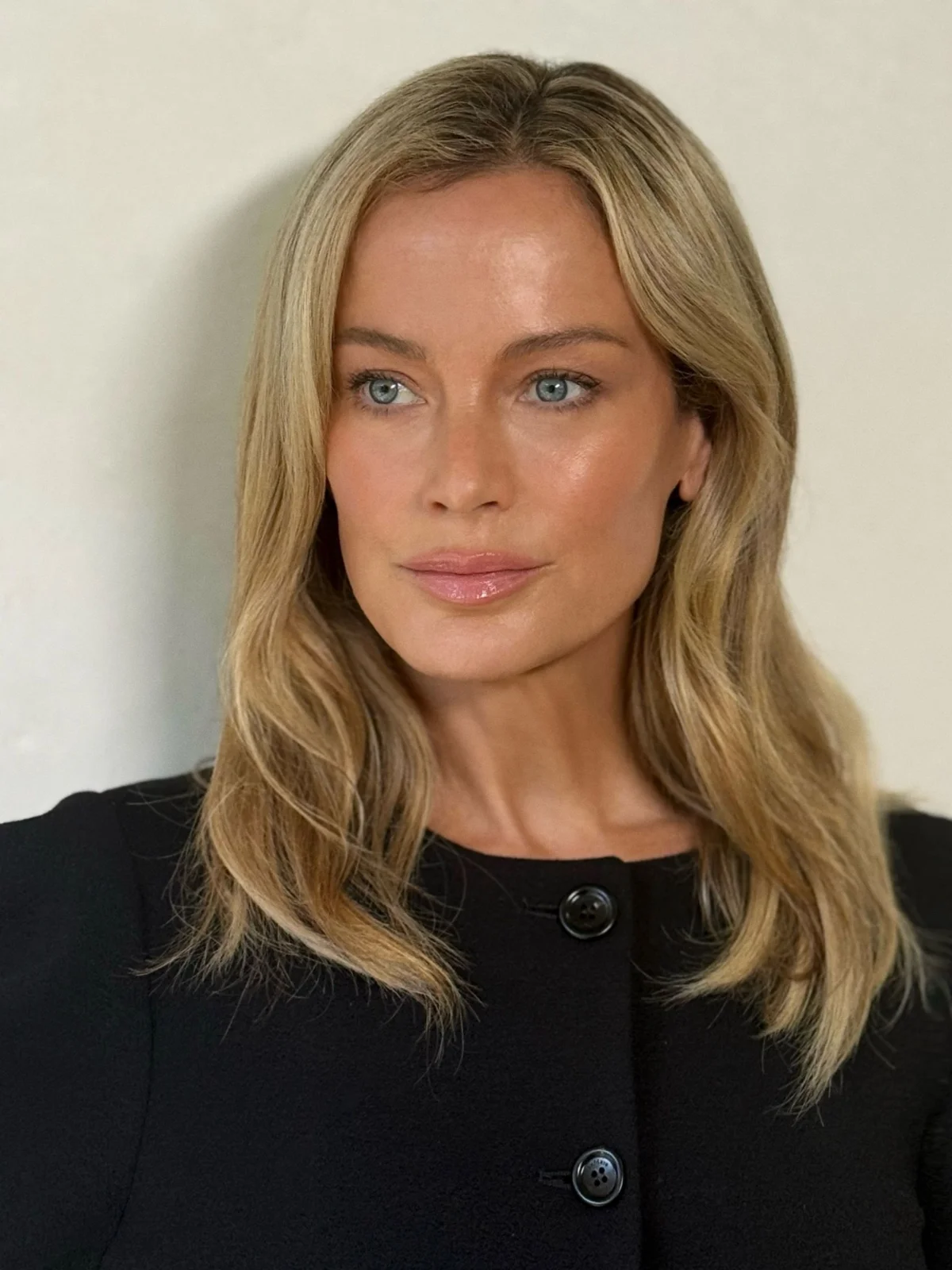
Sleek waves give this understated blonde a smooth, reflective finish.
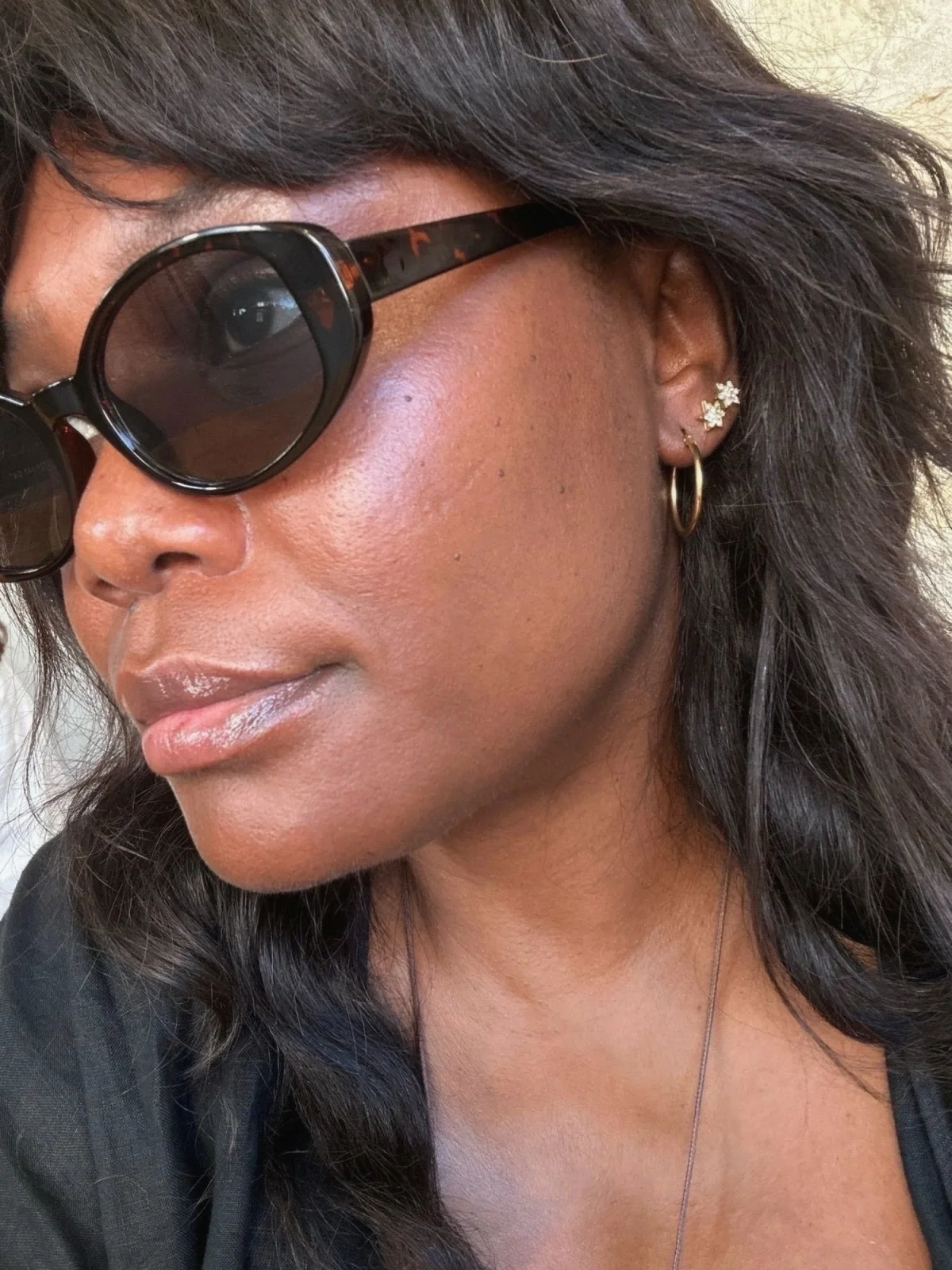
A full fringe pairs with deep, dimensional colour for a quietly bold look.
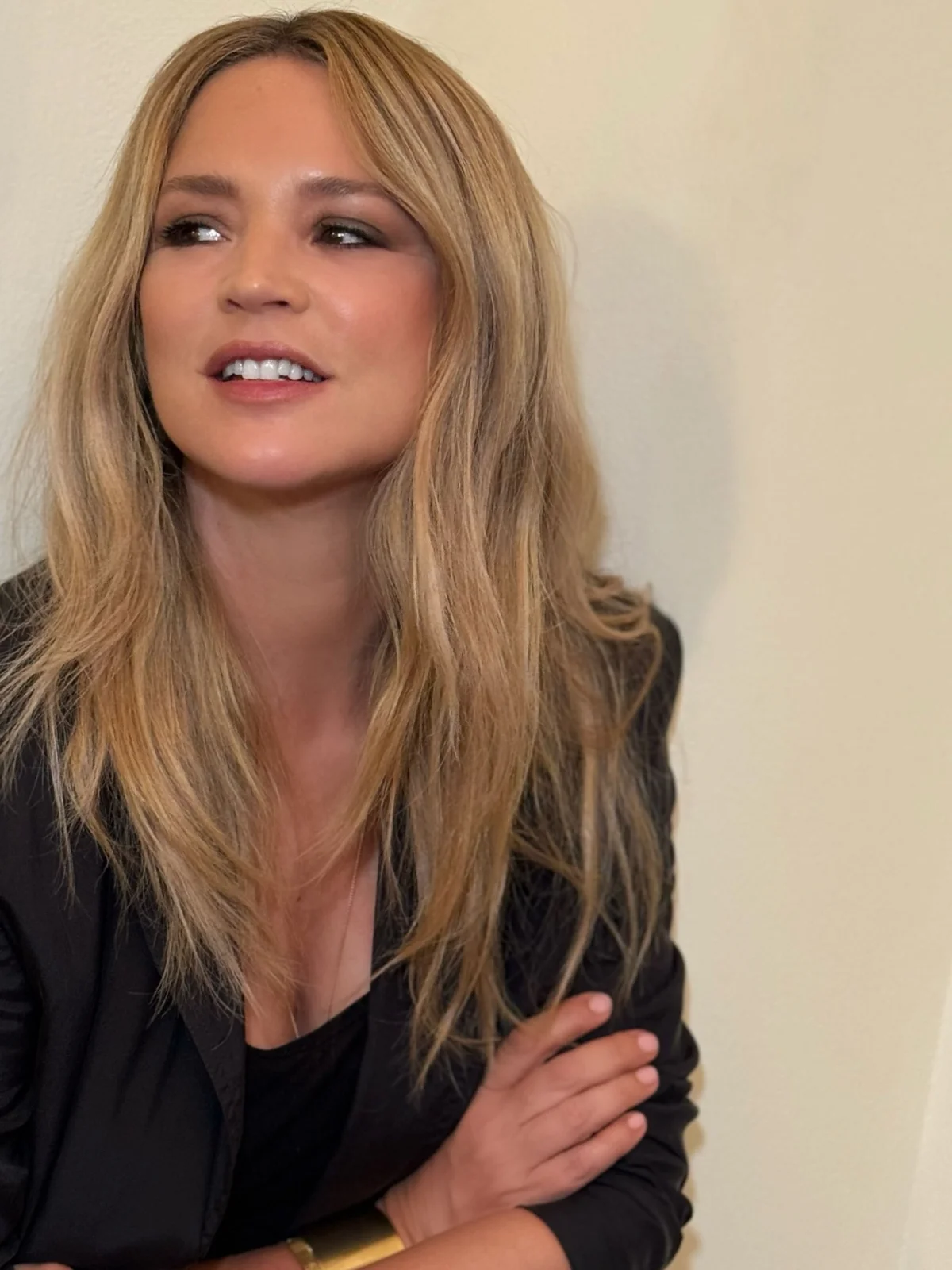
Beachy blonde waves keep the sunlit dimension soft.
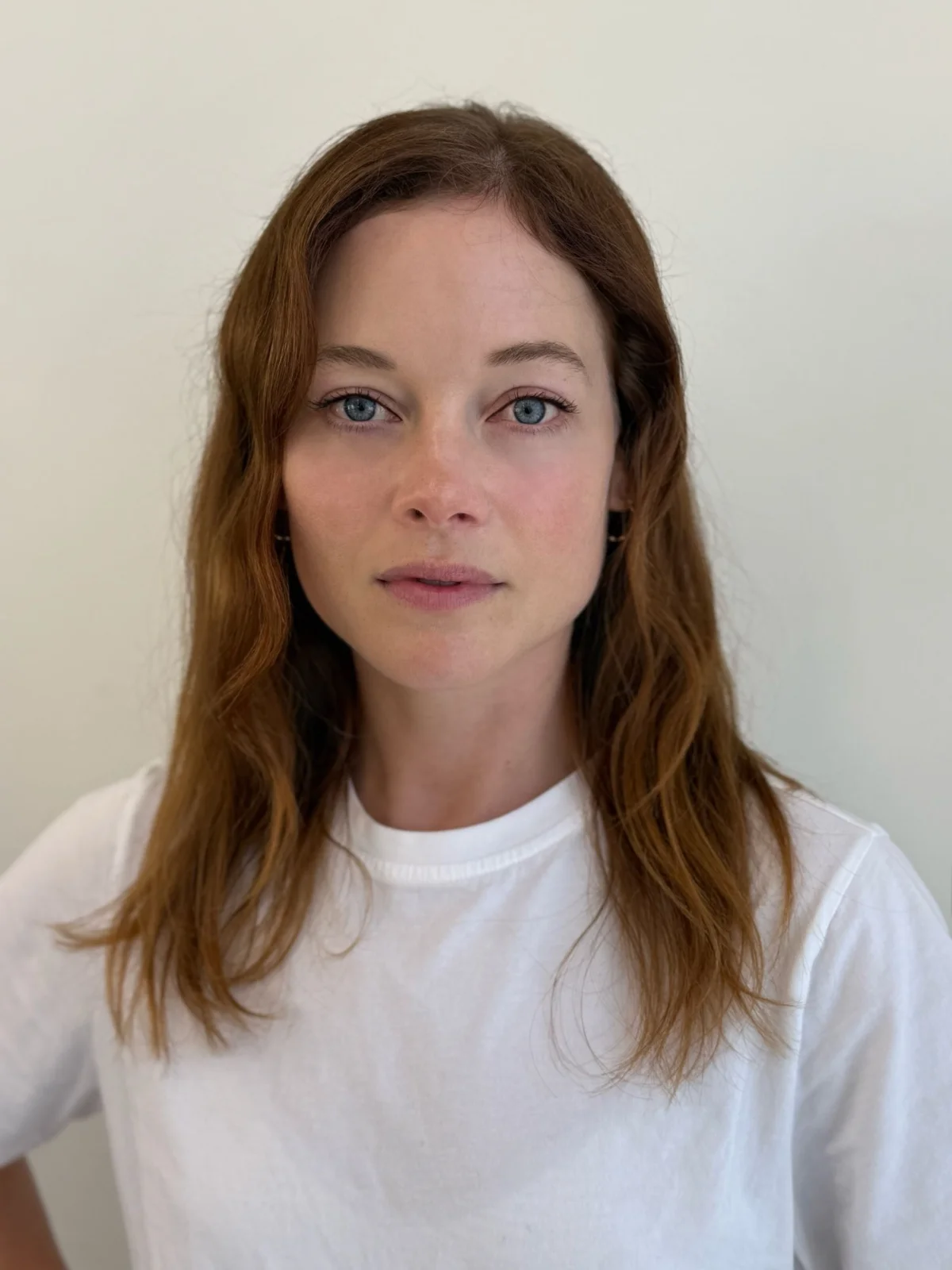
Deep auburn and a side part offer a muted way to wear warmth.
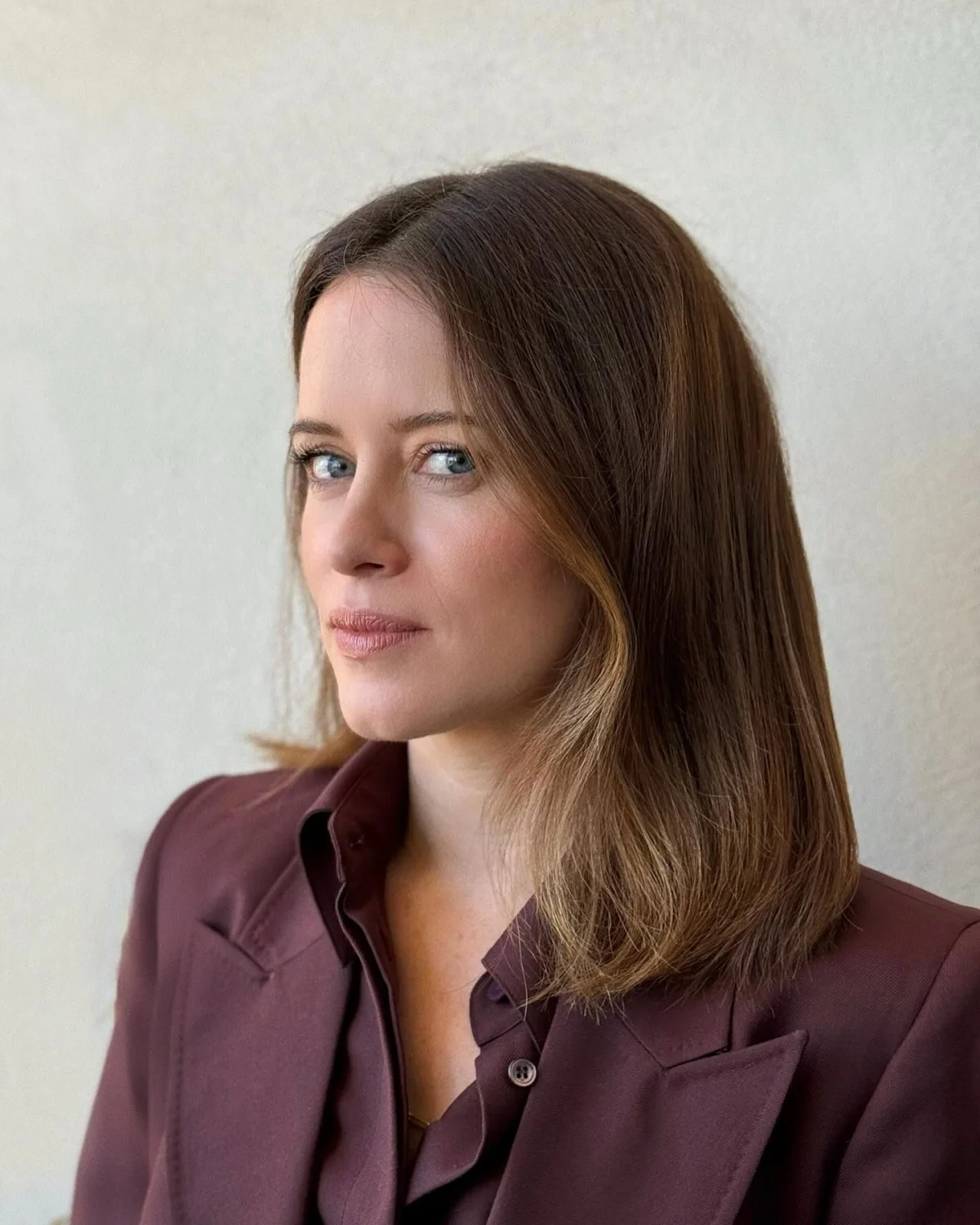
A straight, shoulder-length brunette cut keeps the colour simple and chic.
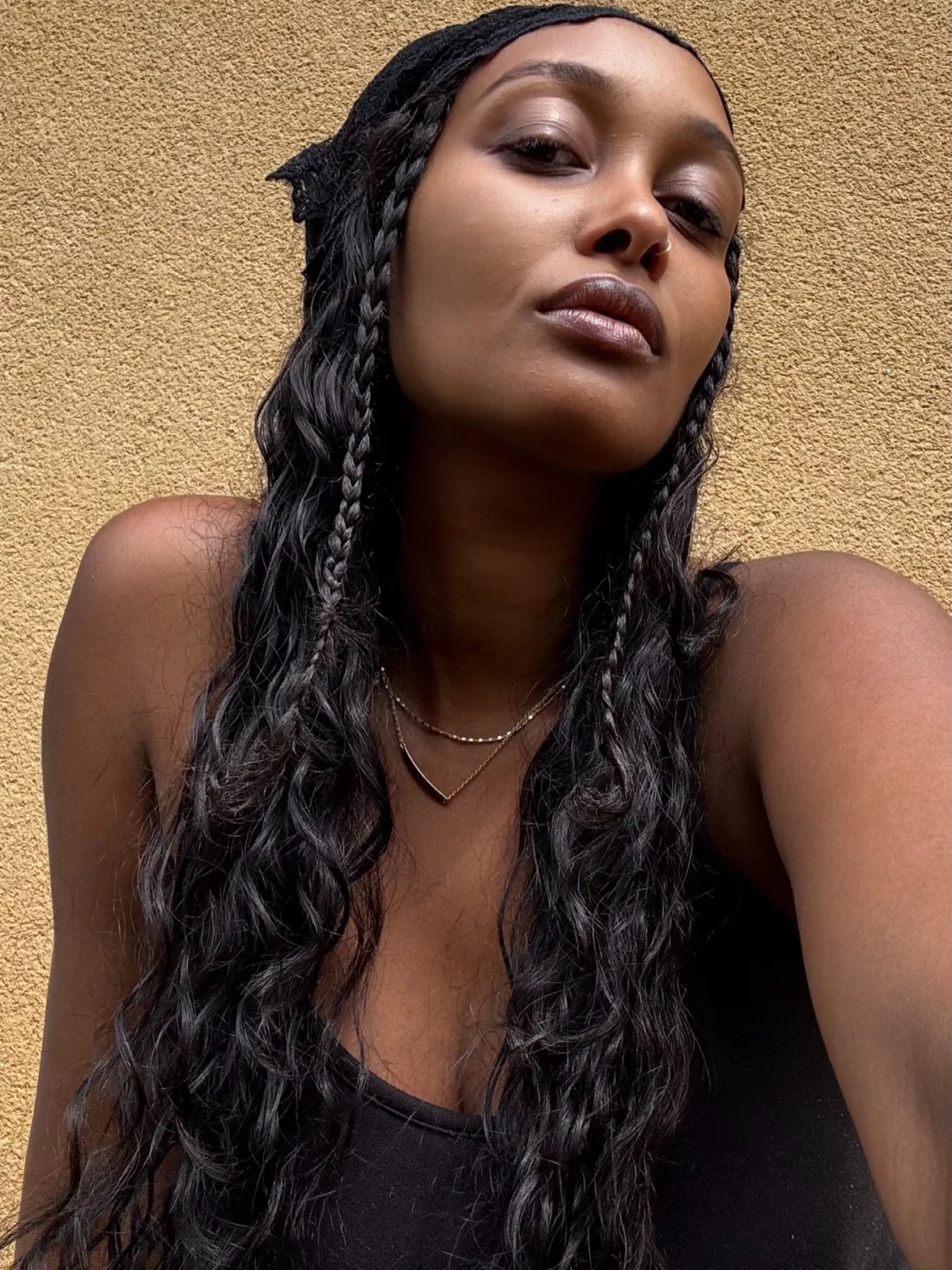
Long curls and delicate placement braids celebrate natural depth and texture.
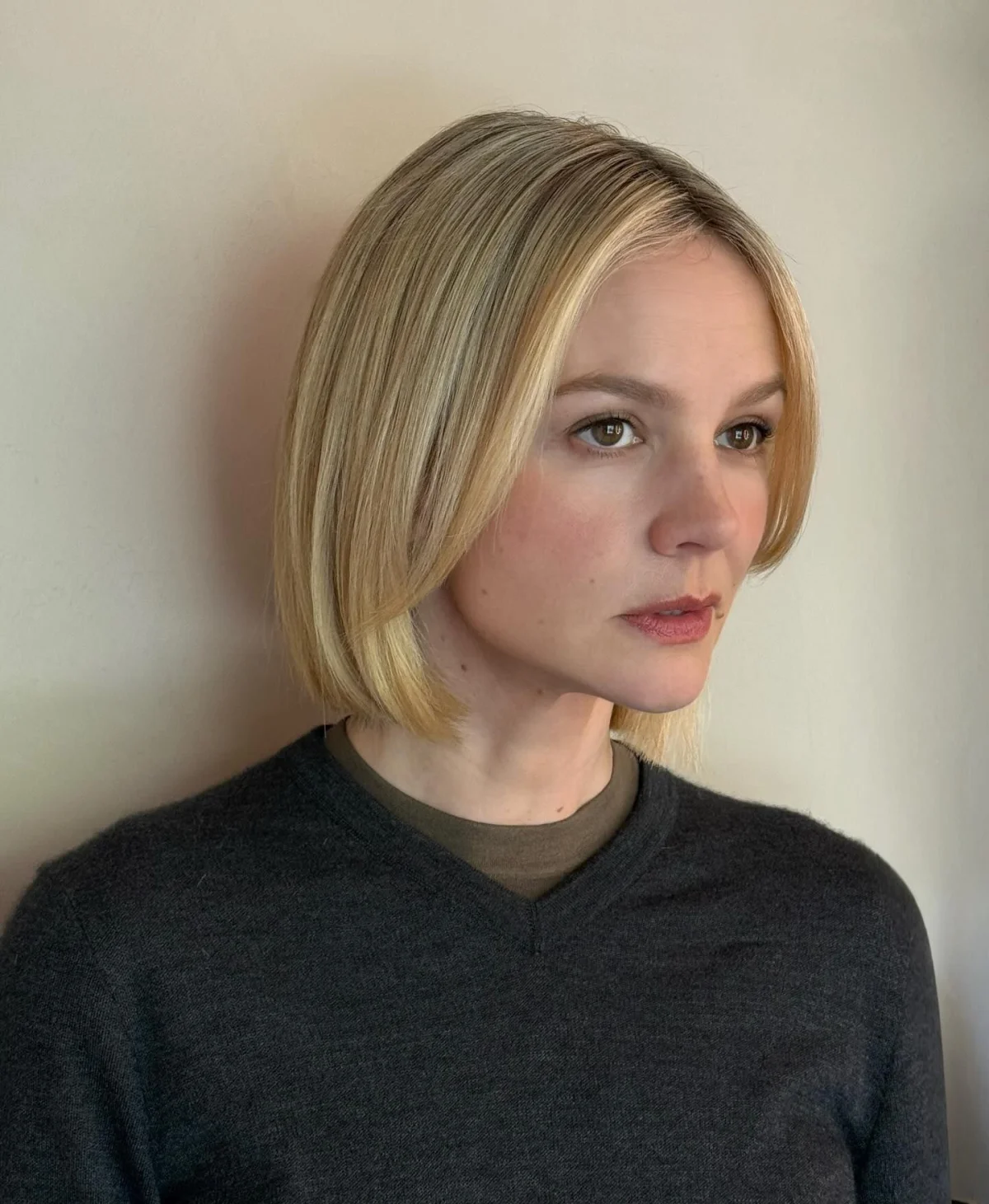
This sleek blonde bob pairs a clean shape with balanced tone.
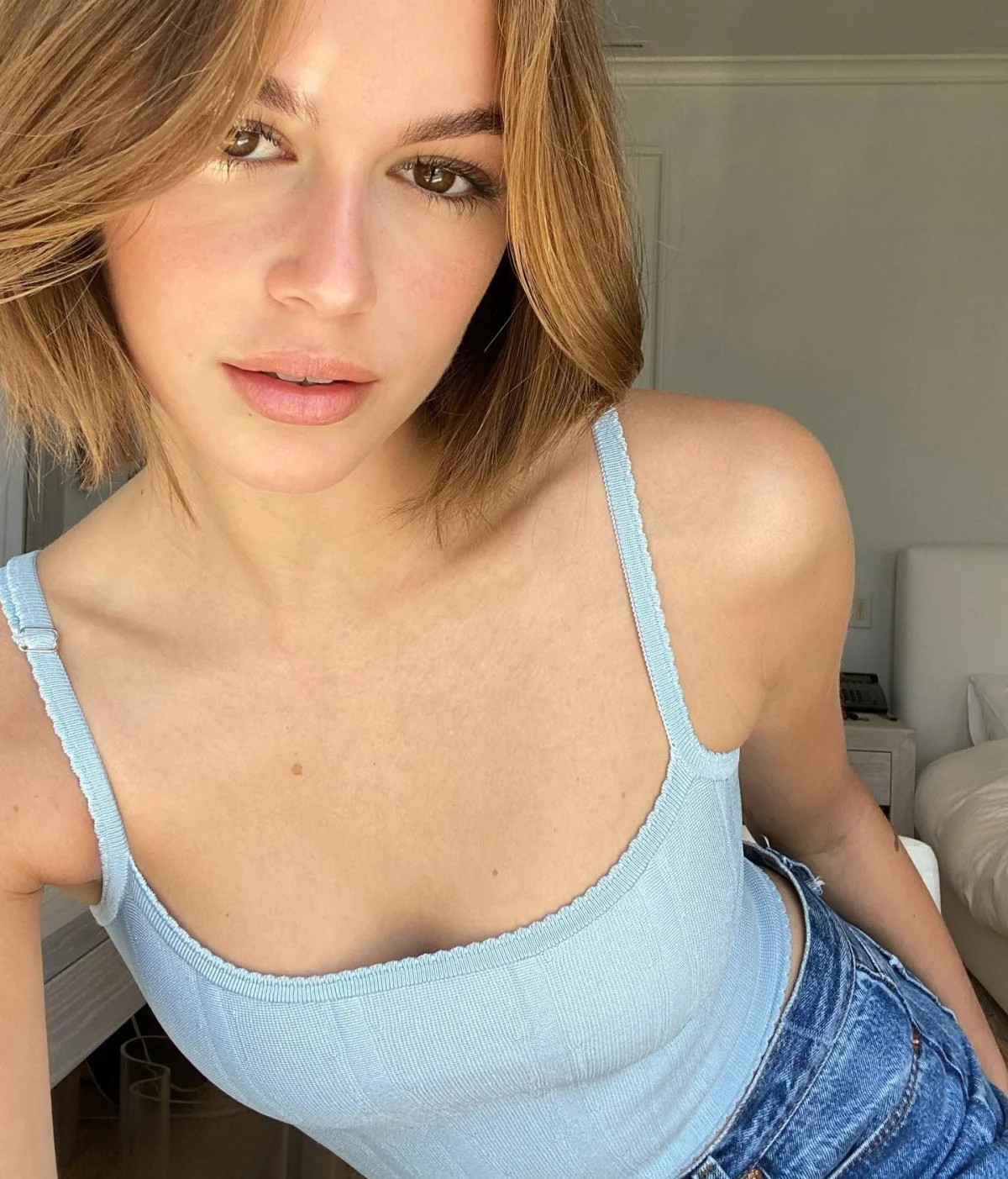
A soft auburn bob blends muted copper with relaxed waves.
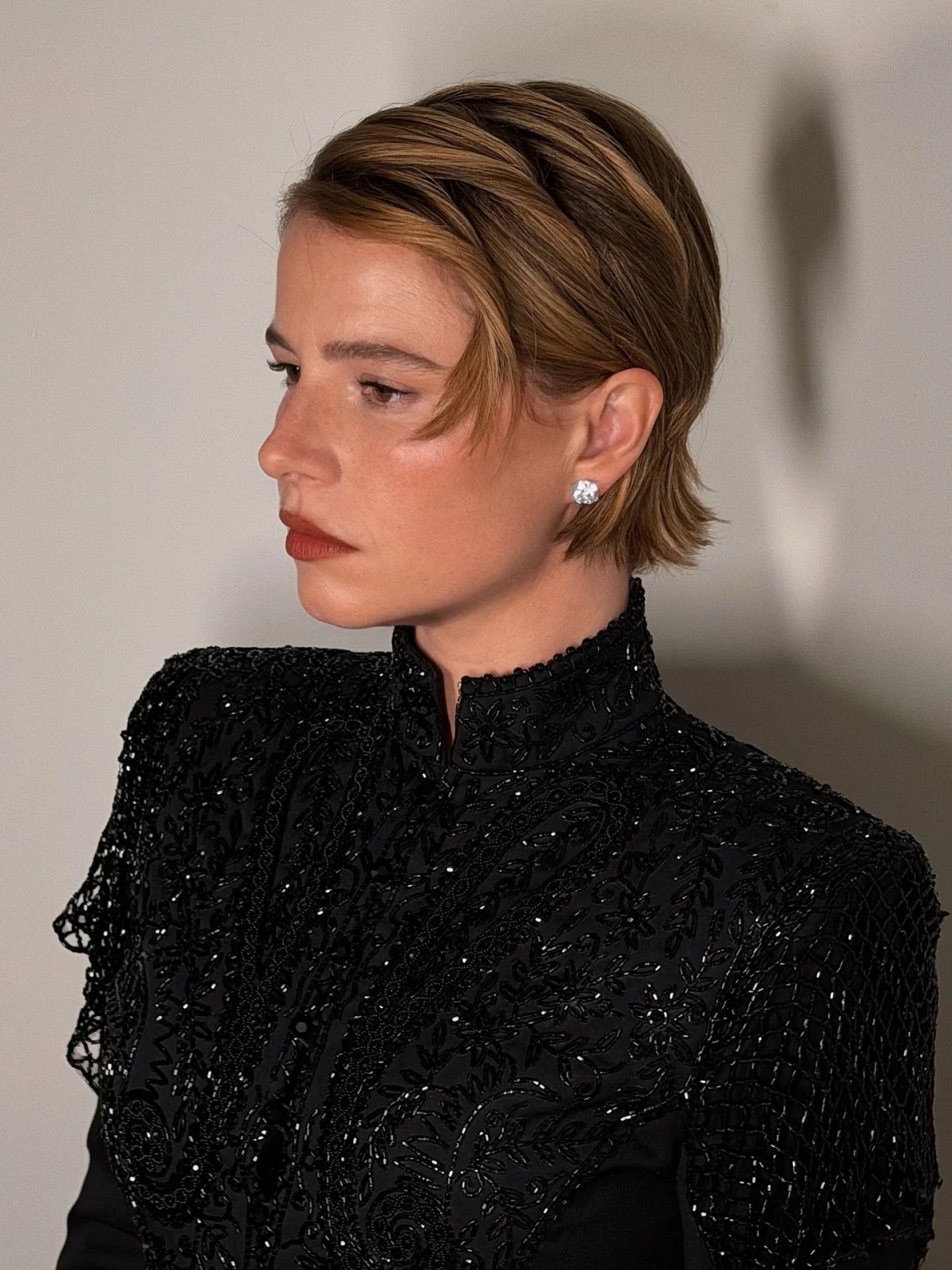
Warm honey tones bring softness to grown-out pixie layers.
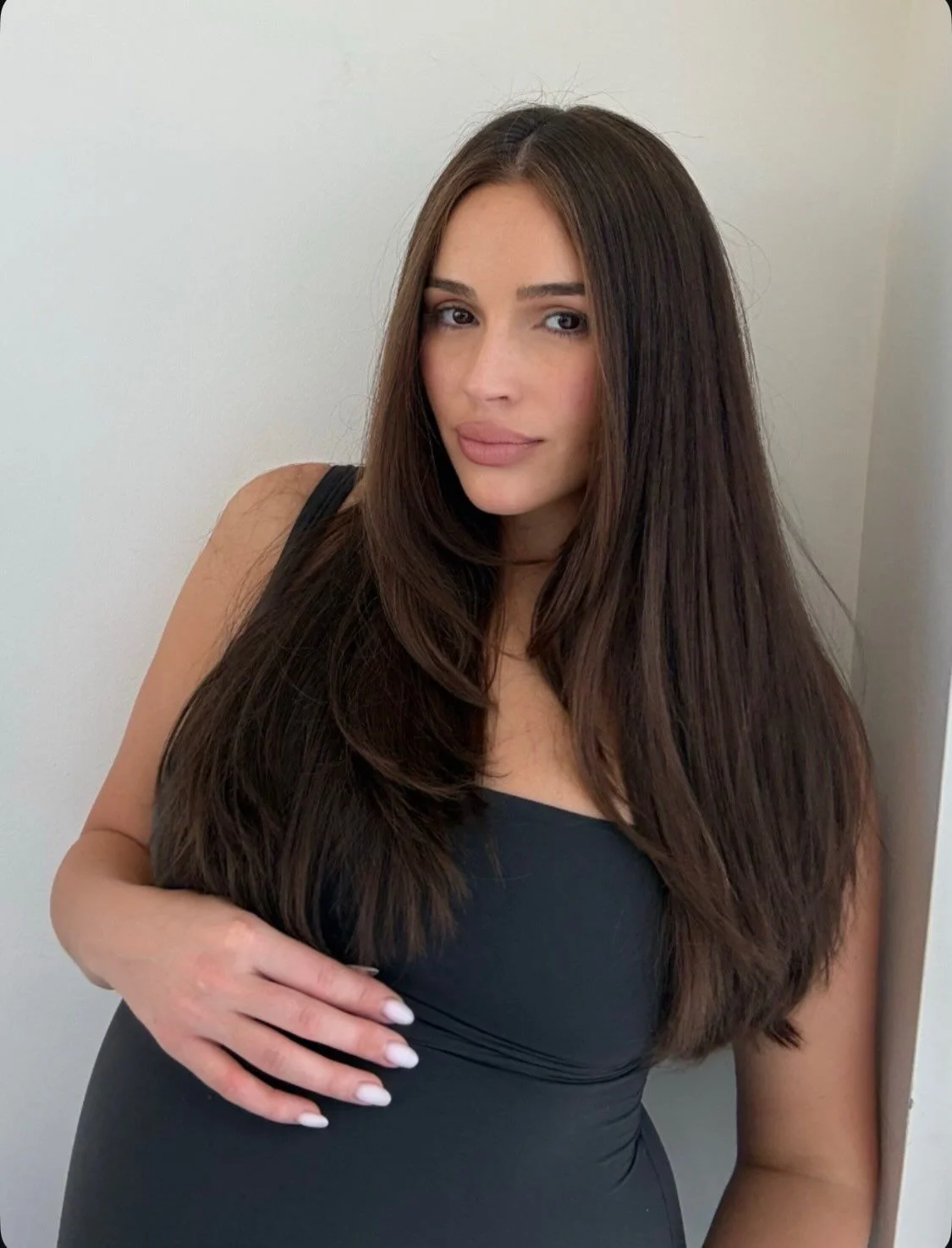
Very long, straight dark brown hair shows off a glossy, tonal finish.
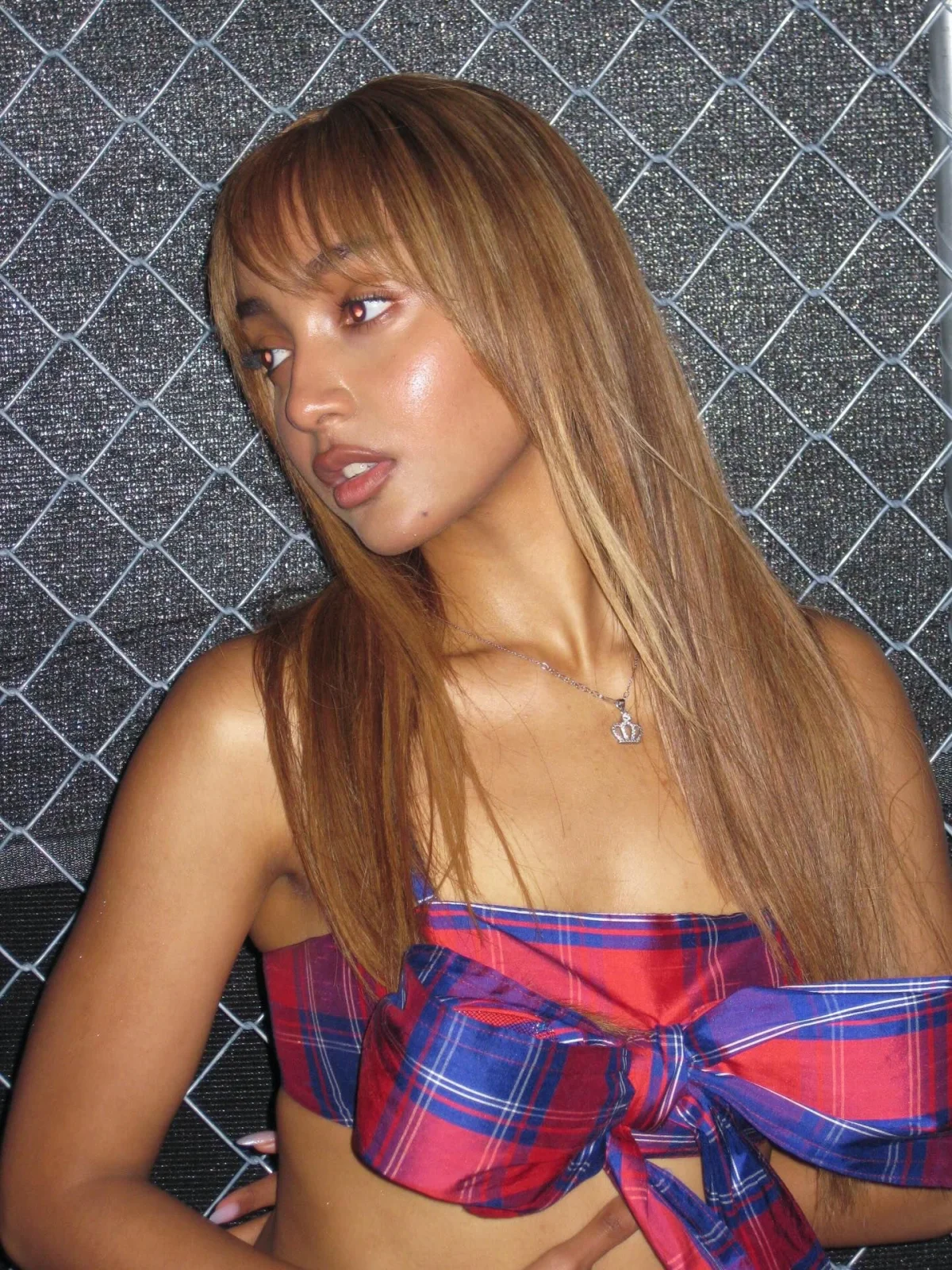
Golden brunette balances richness with natural-looking light.
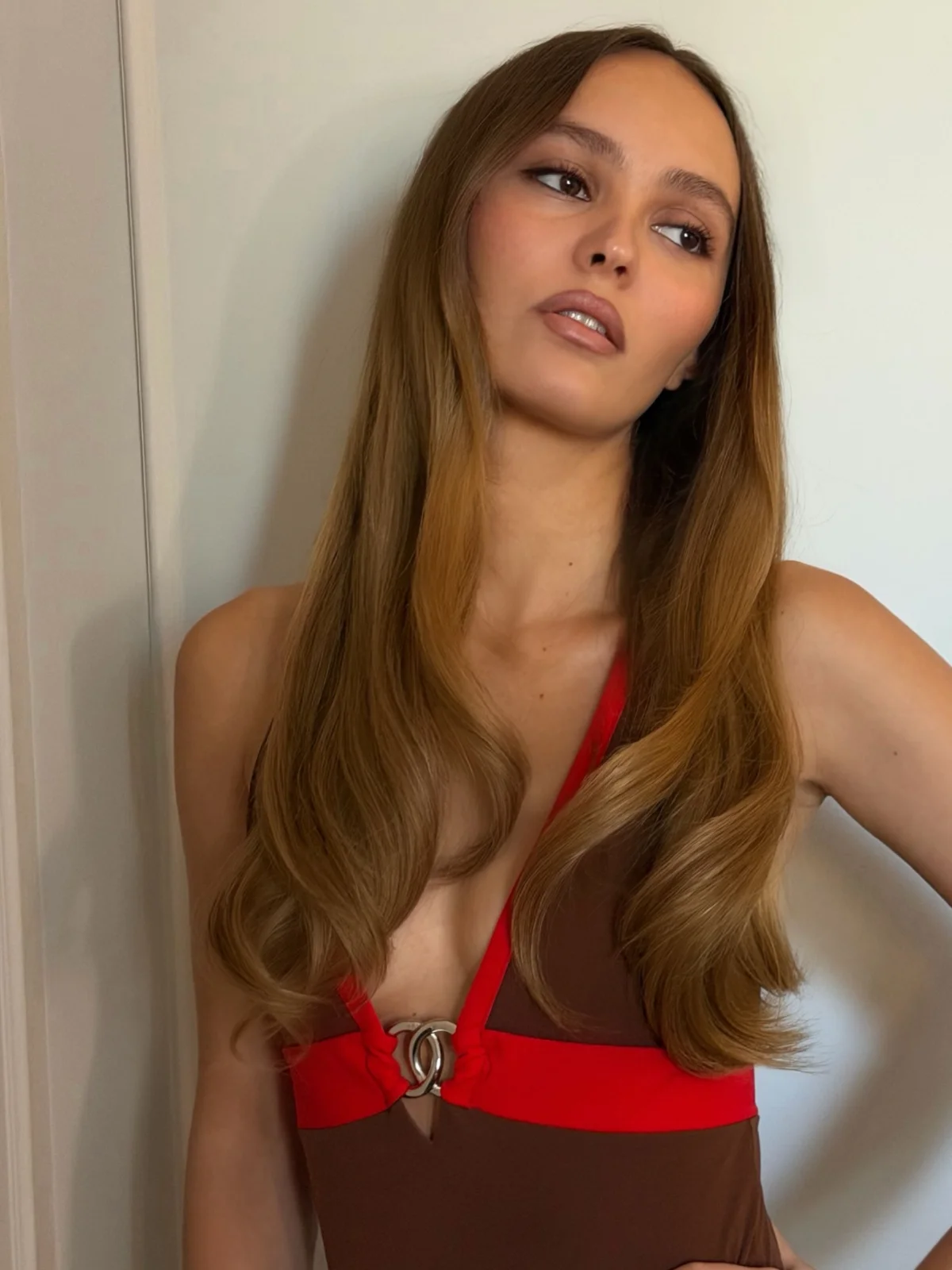
Golden lengths and curled ends lend this subtle shade a more dressed-up finish.
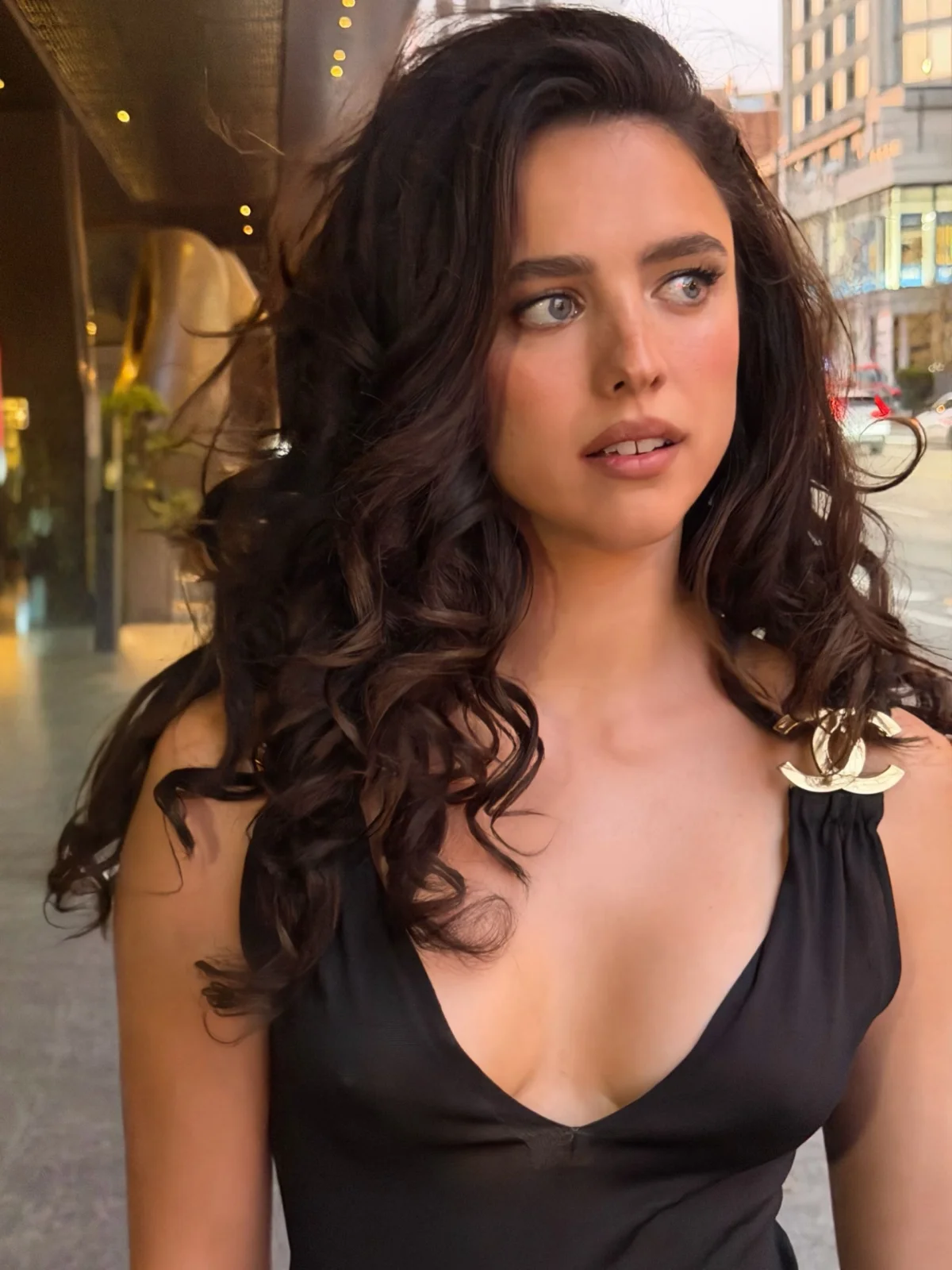
Side-swept brunette curls give a deep base bounce and dimension.
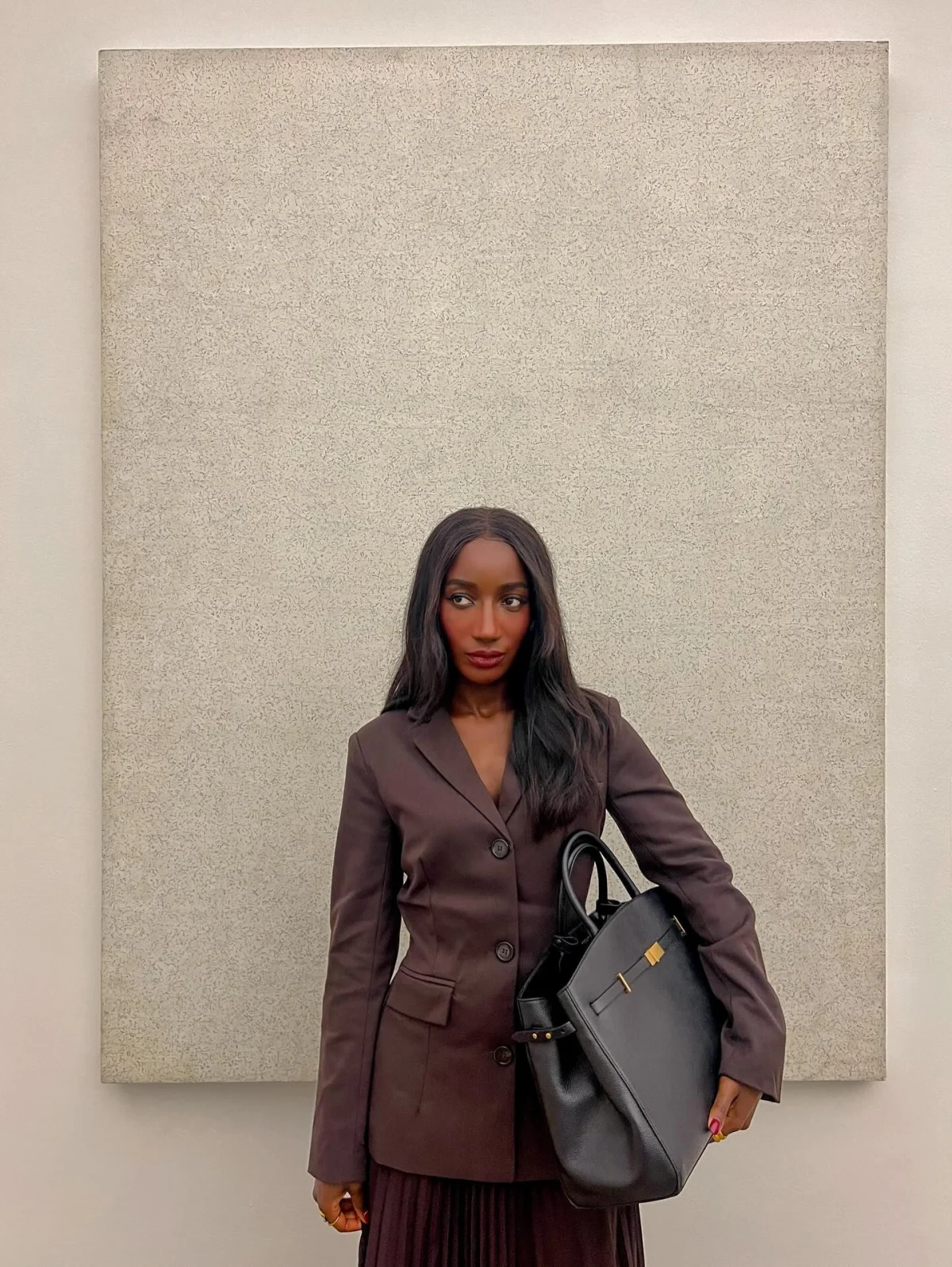
Thick, loose waves and deep brunette are an easy pairing.
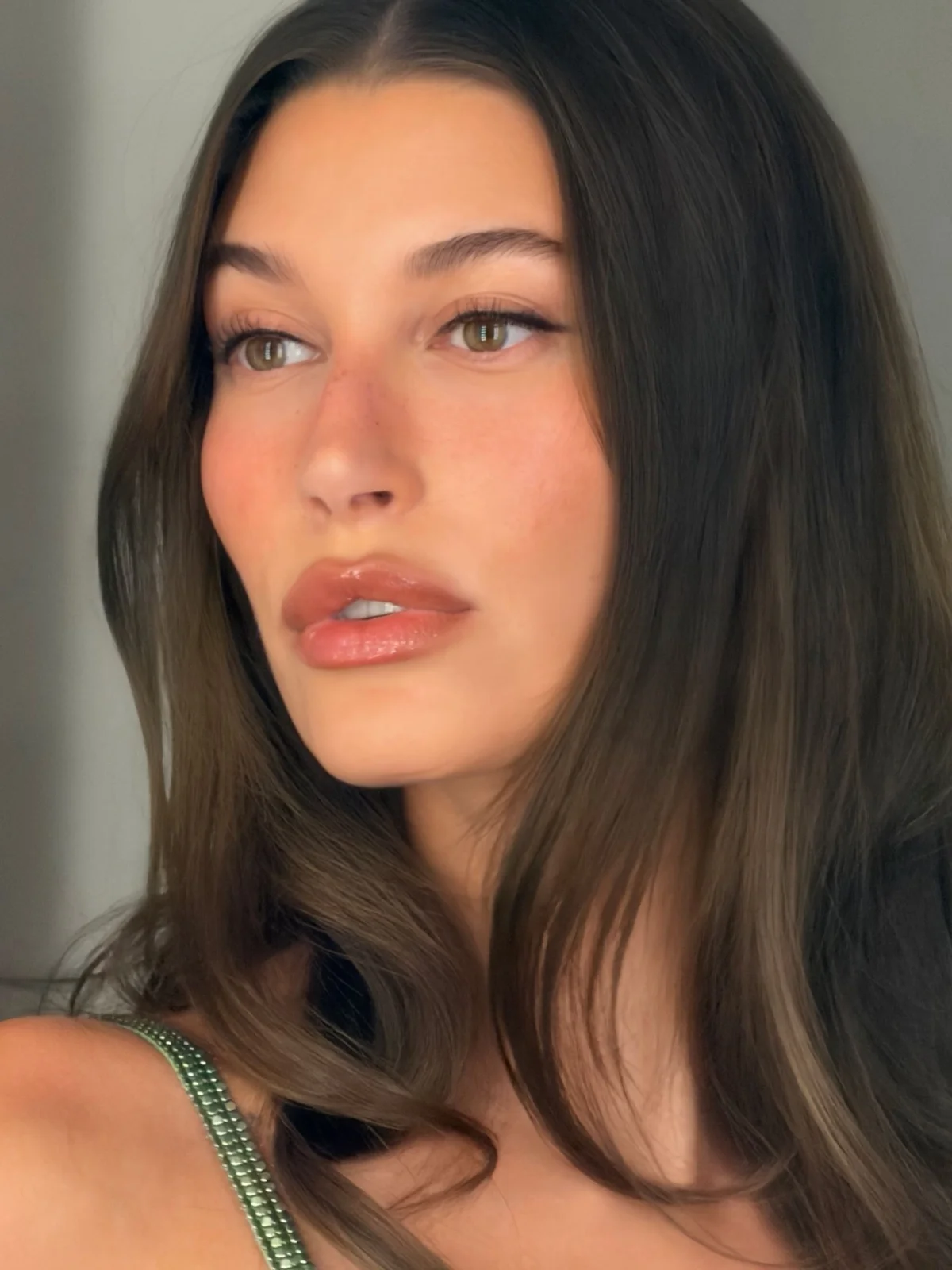
Fine lighter tones add depth to dark brown without a sharp contrast.
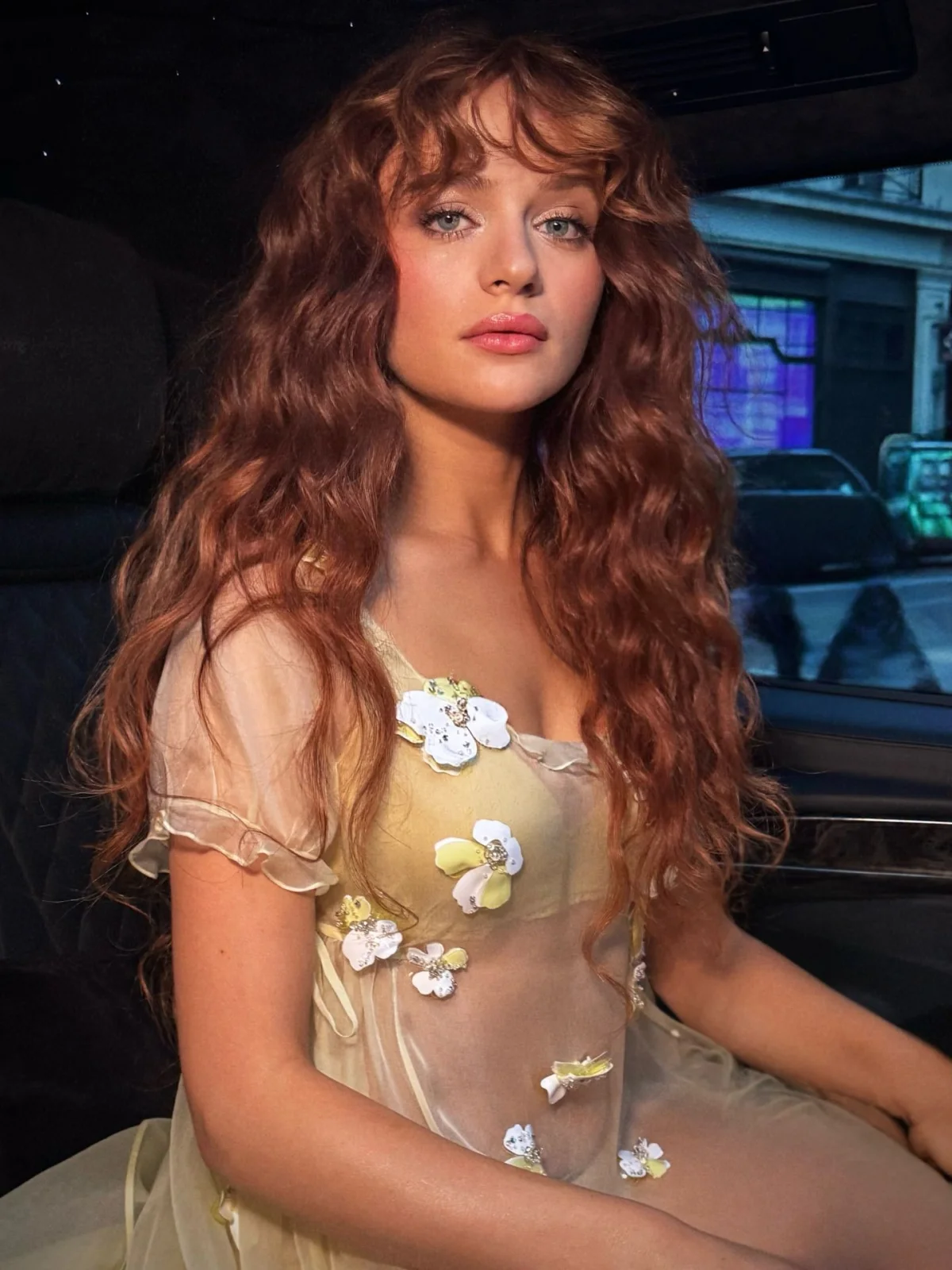
A rich curly red shade shows that natural-looking dimension can suit statement colour, too.
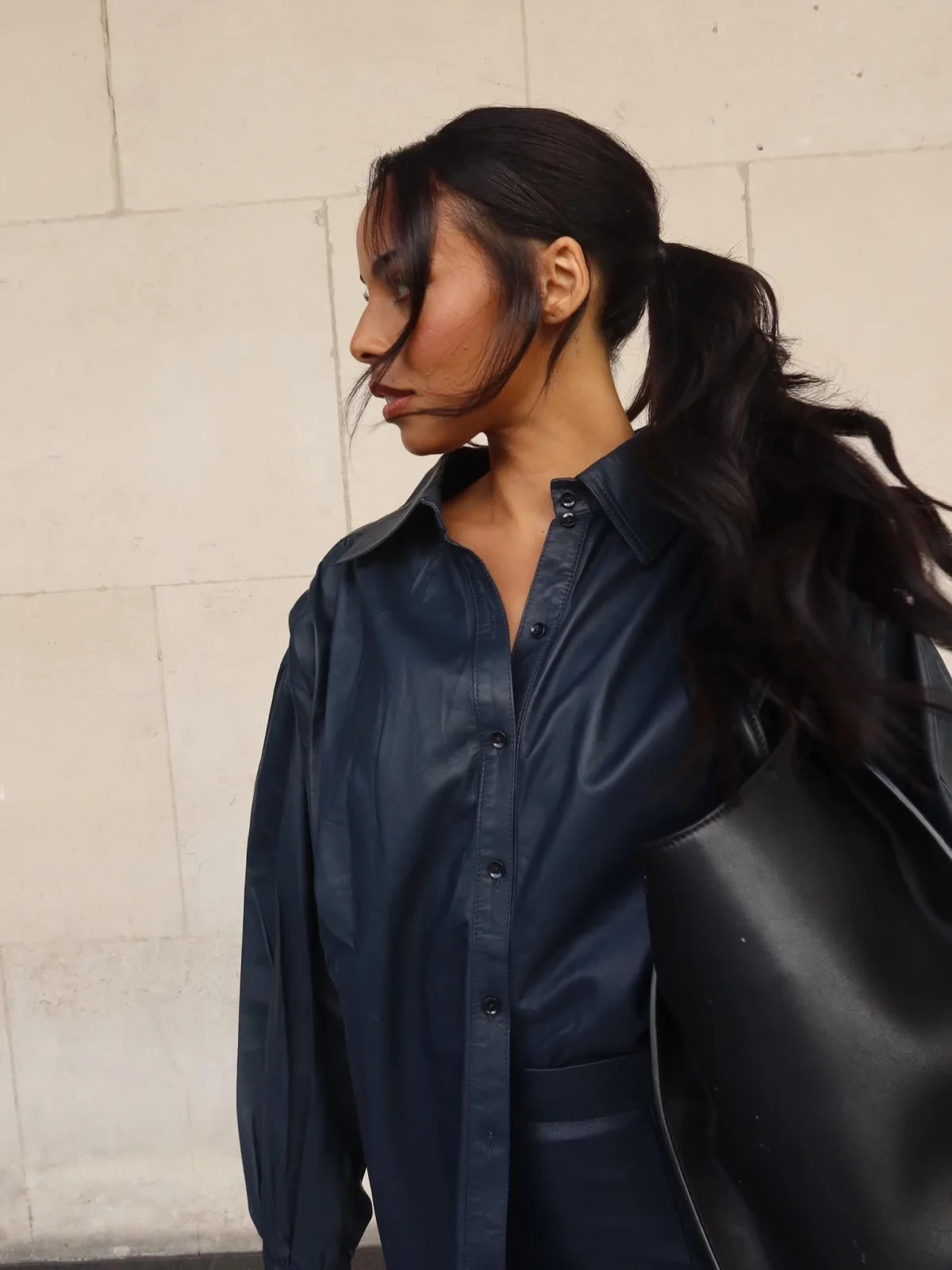
A thick dark ponytail and soft waves keep understated colour impactful.
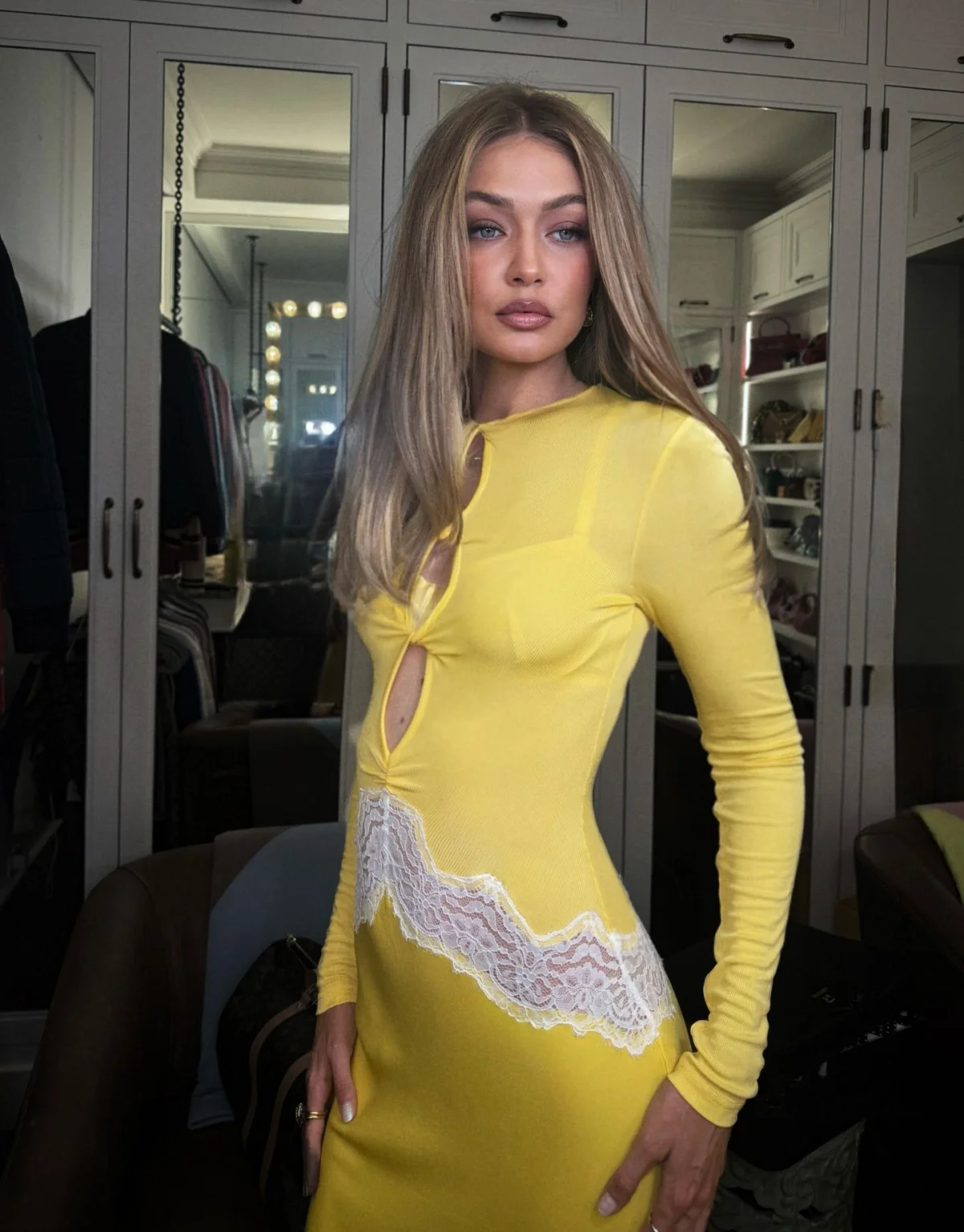
Cool, ashy blonde and sleek lengths put the tone in focus.
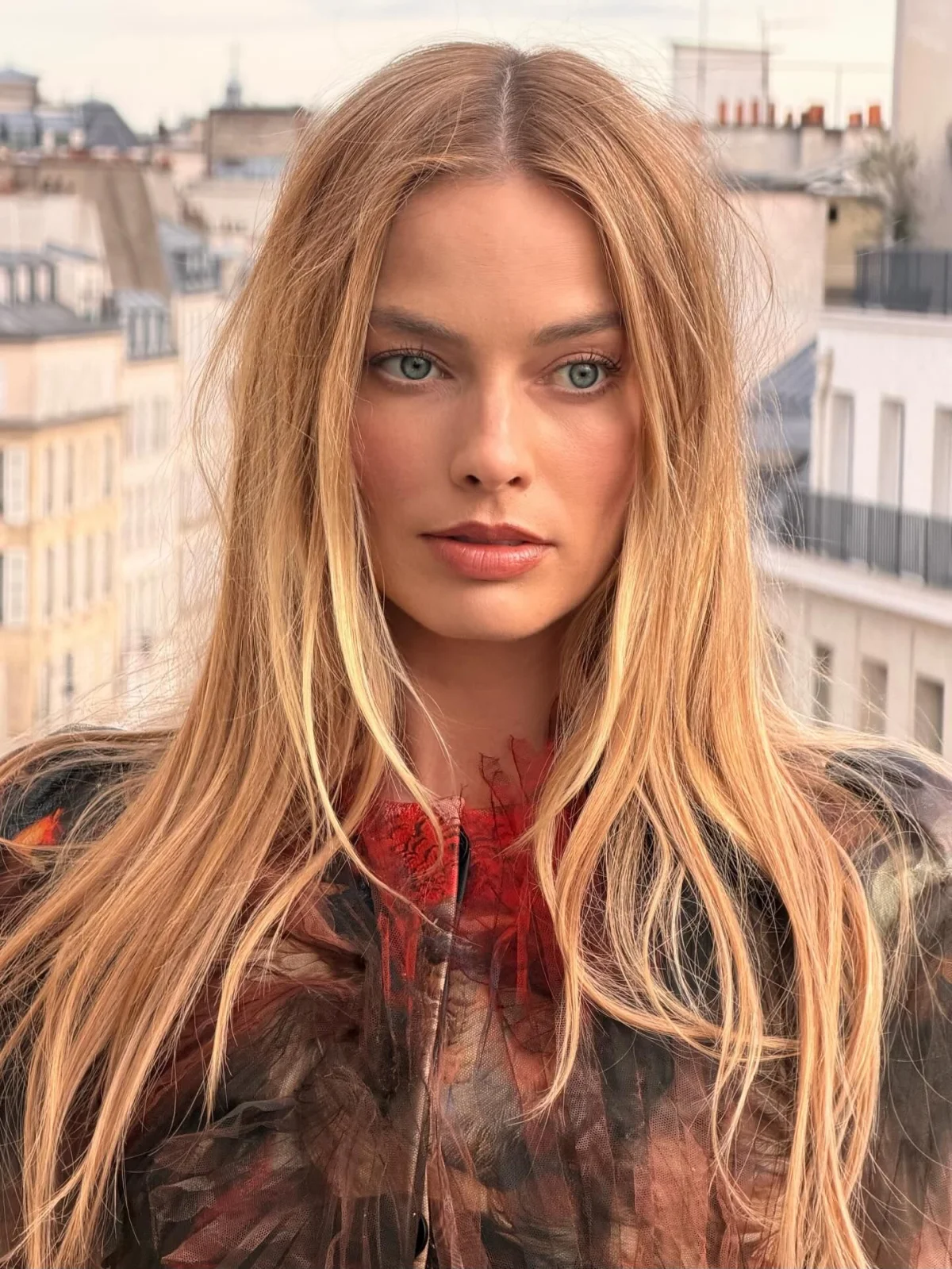
Fine copper tones through blonde lengths give warmth a natural feel.
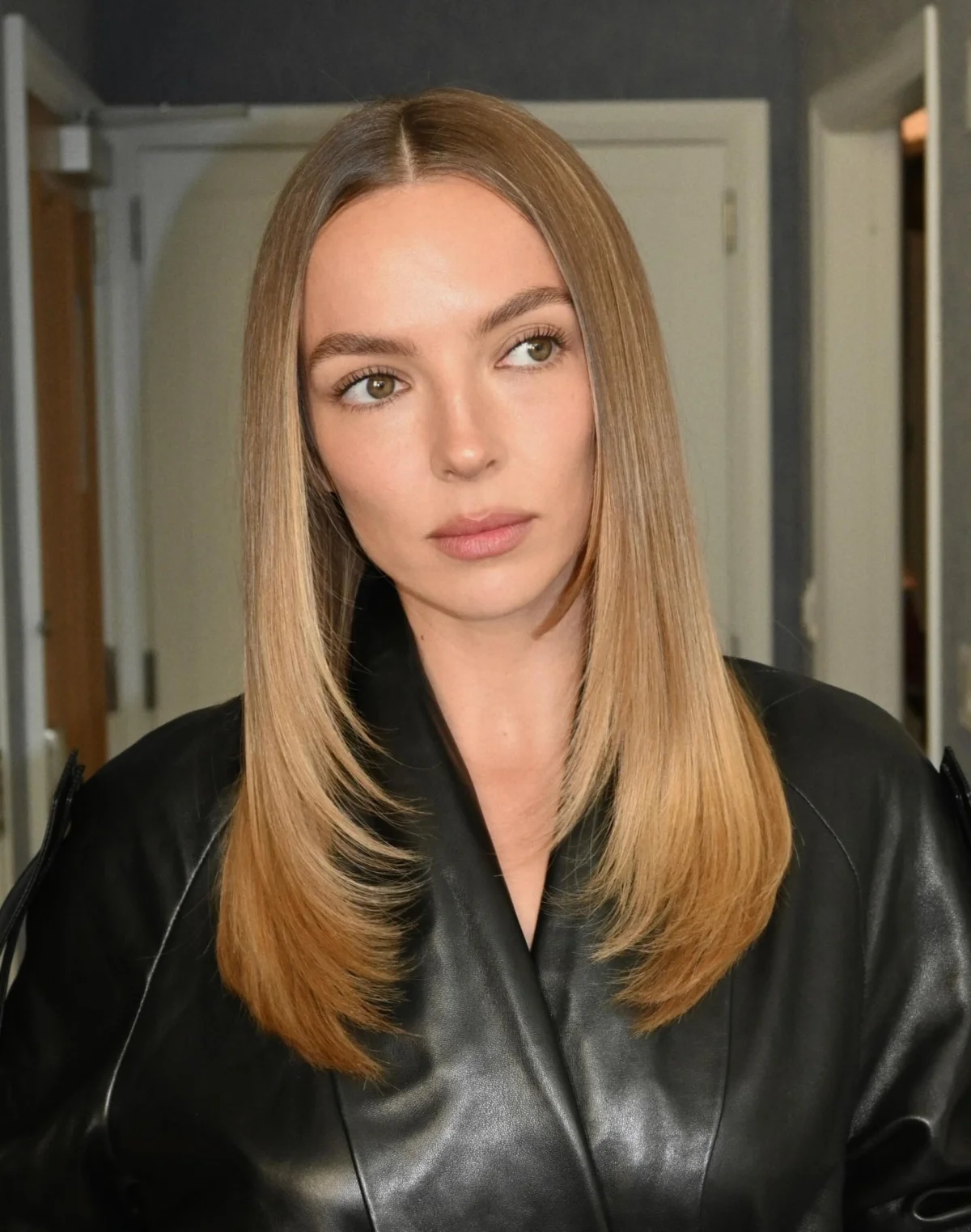
Deeper ends lend softly blended blonde a little extra dimension.
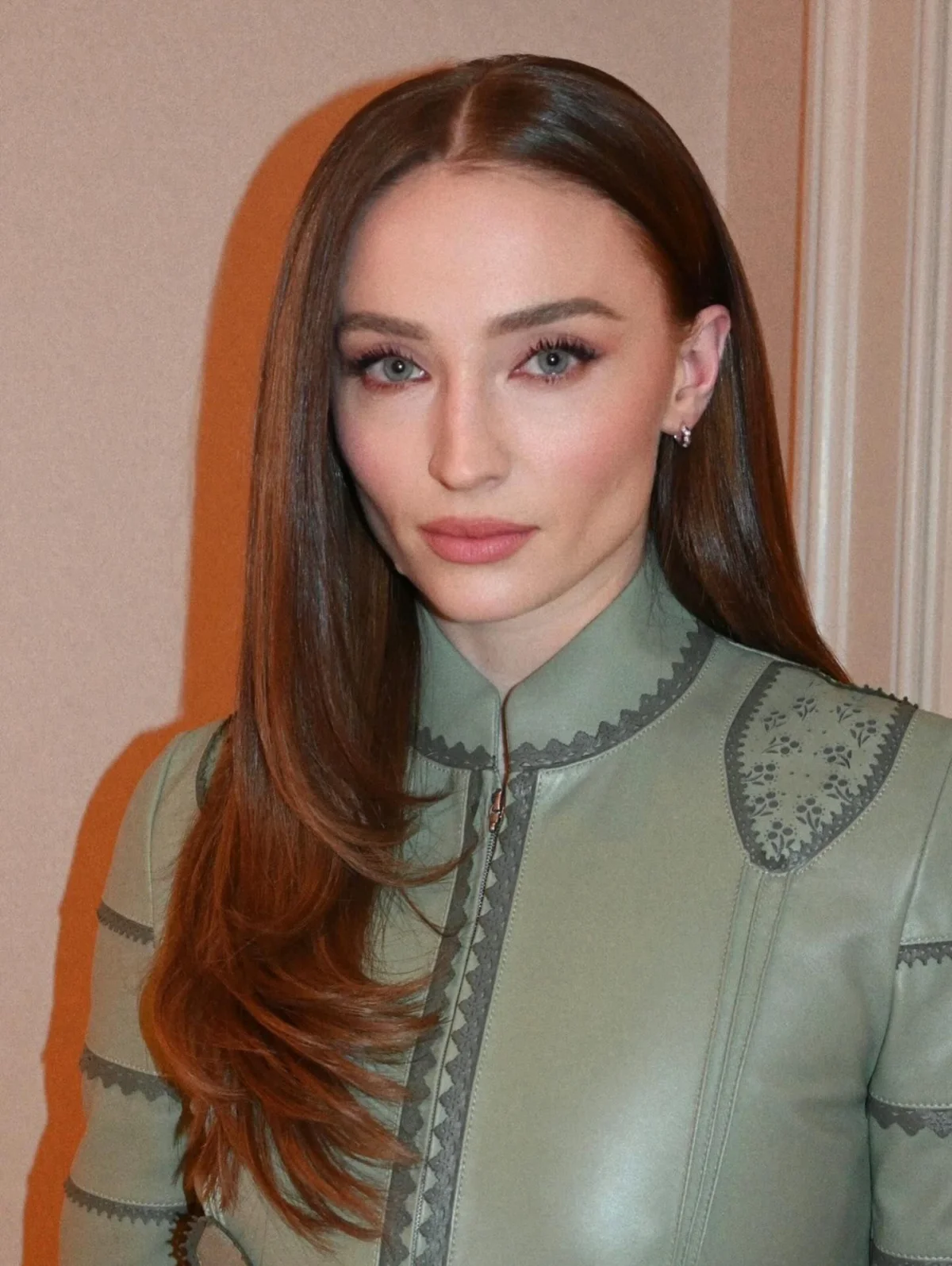
Long layers and deep brown tones make a pared-back combination.
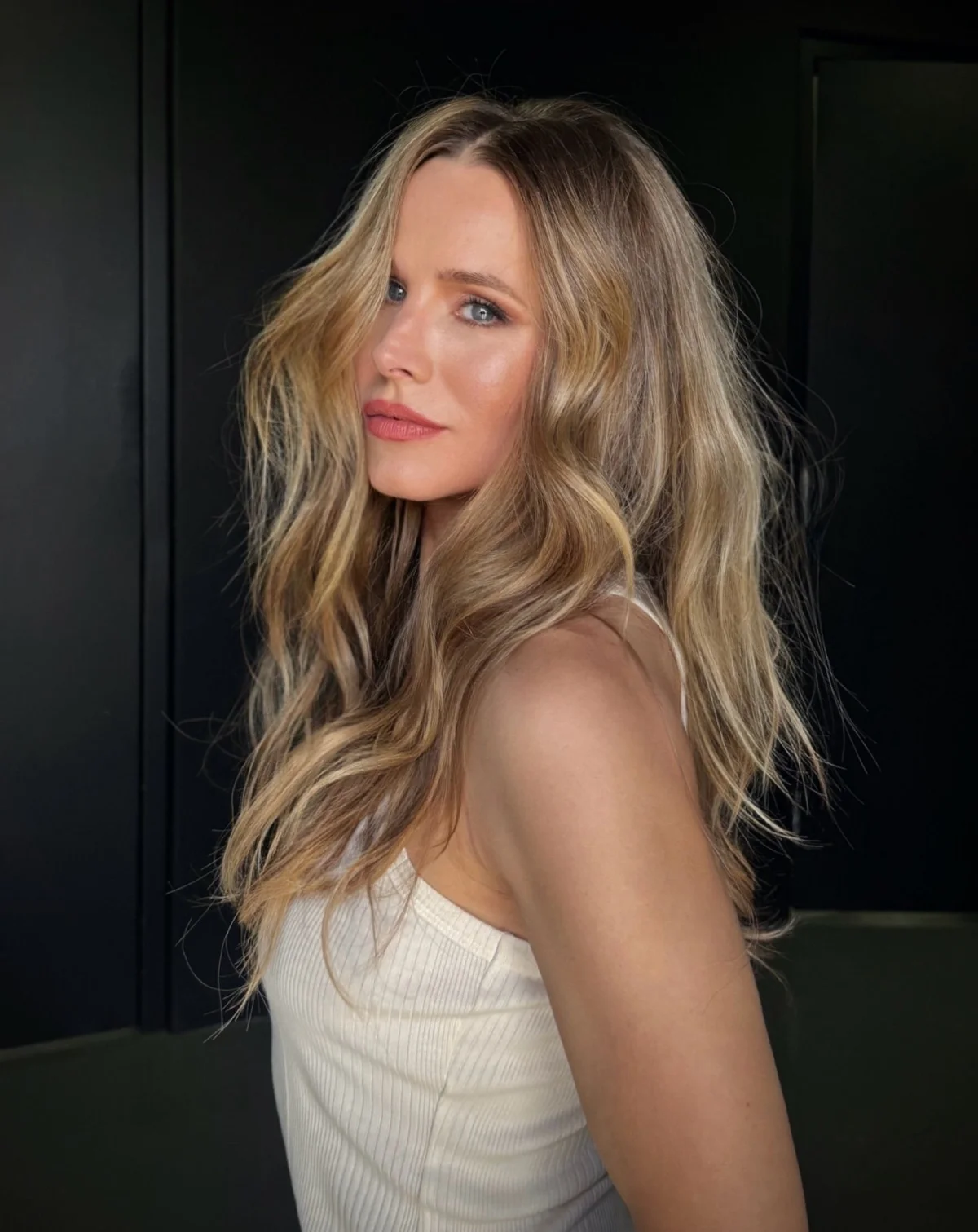
Brunette dimension through blonde waves creates a lived-in effect.
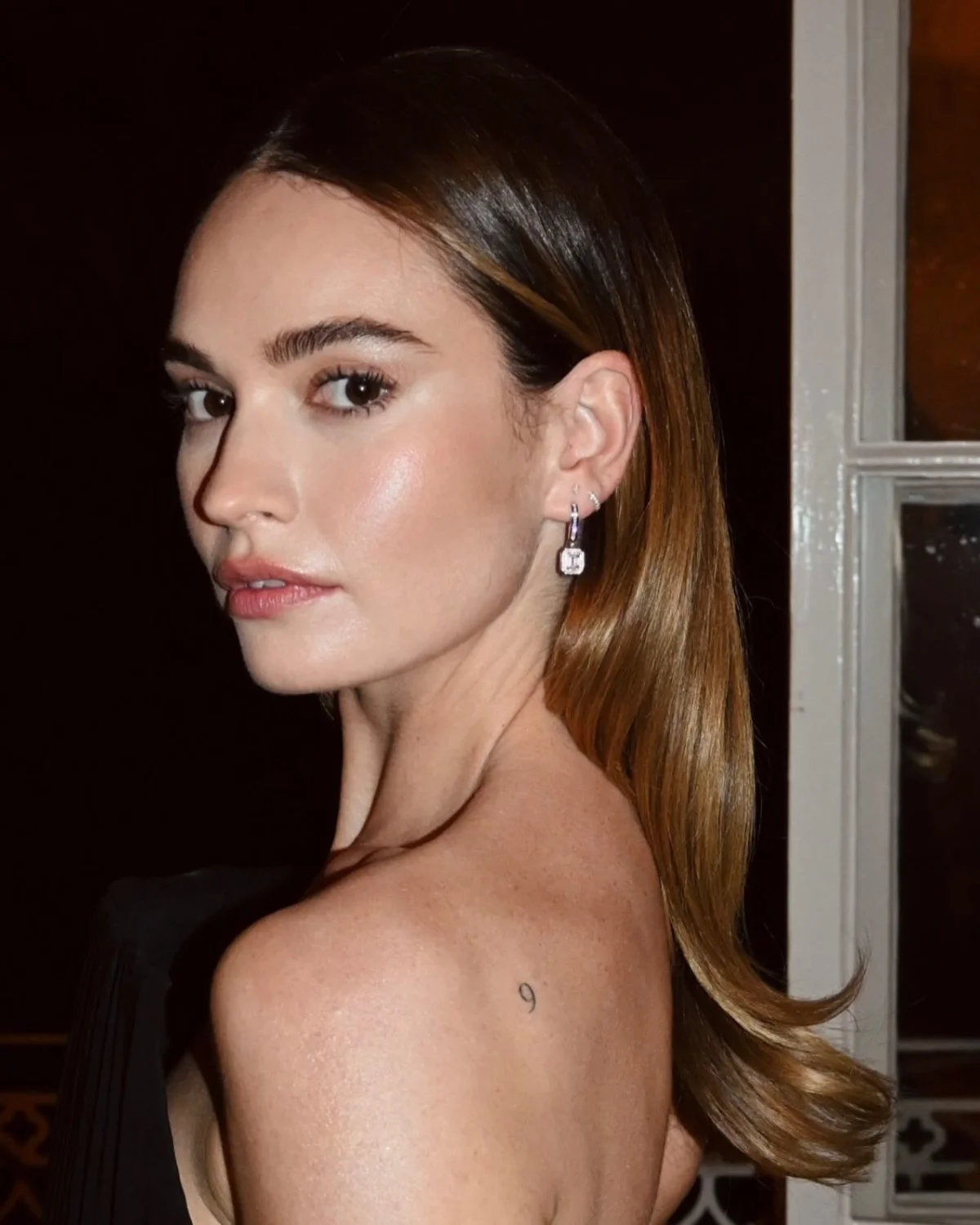
Deeper roots flow into golden-brown ends for a sunlit blend.
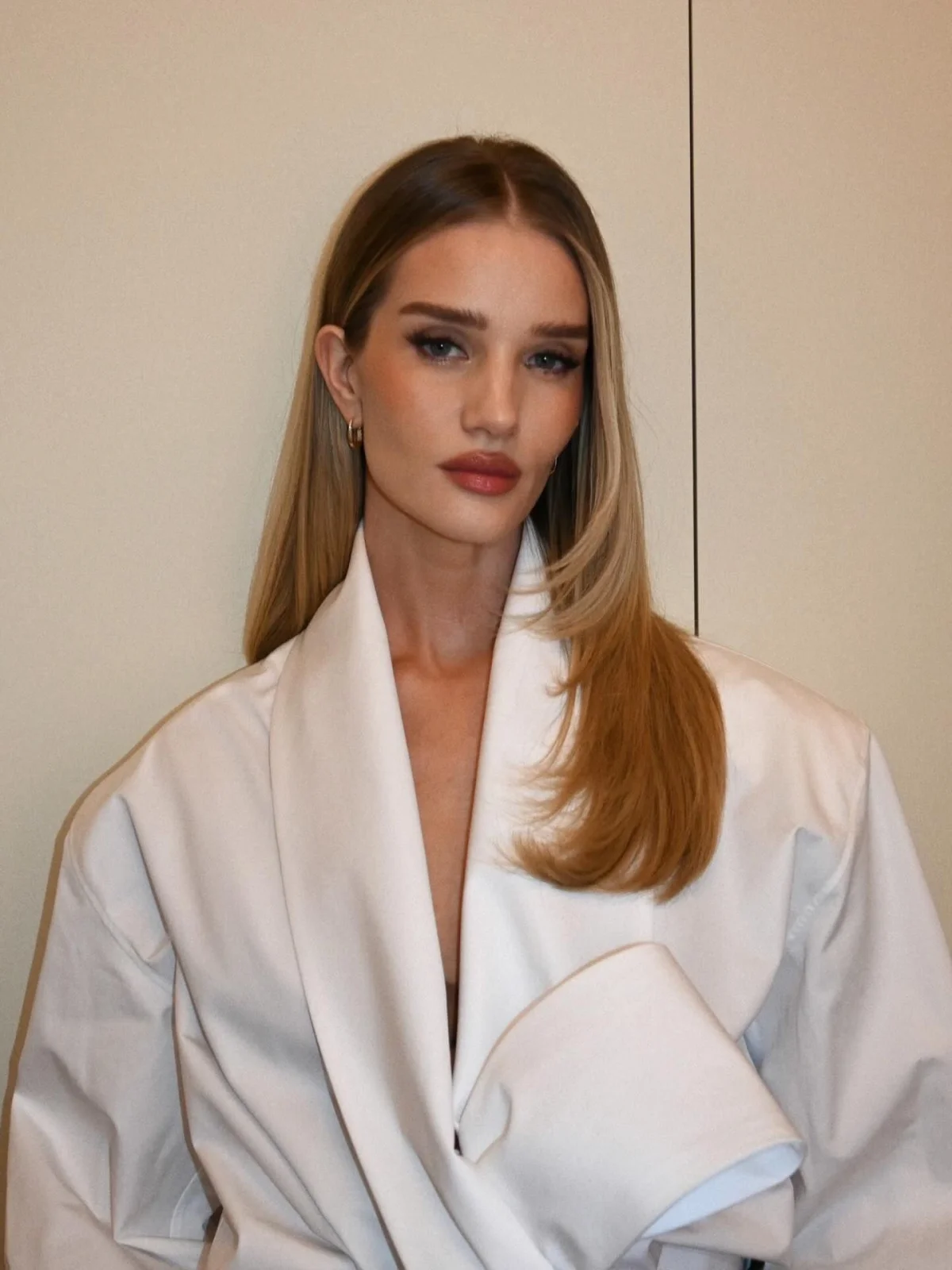
Honey blonde is especially effective when it’s glossy, soft and subtly blended.
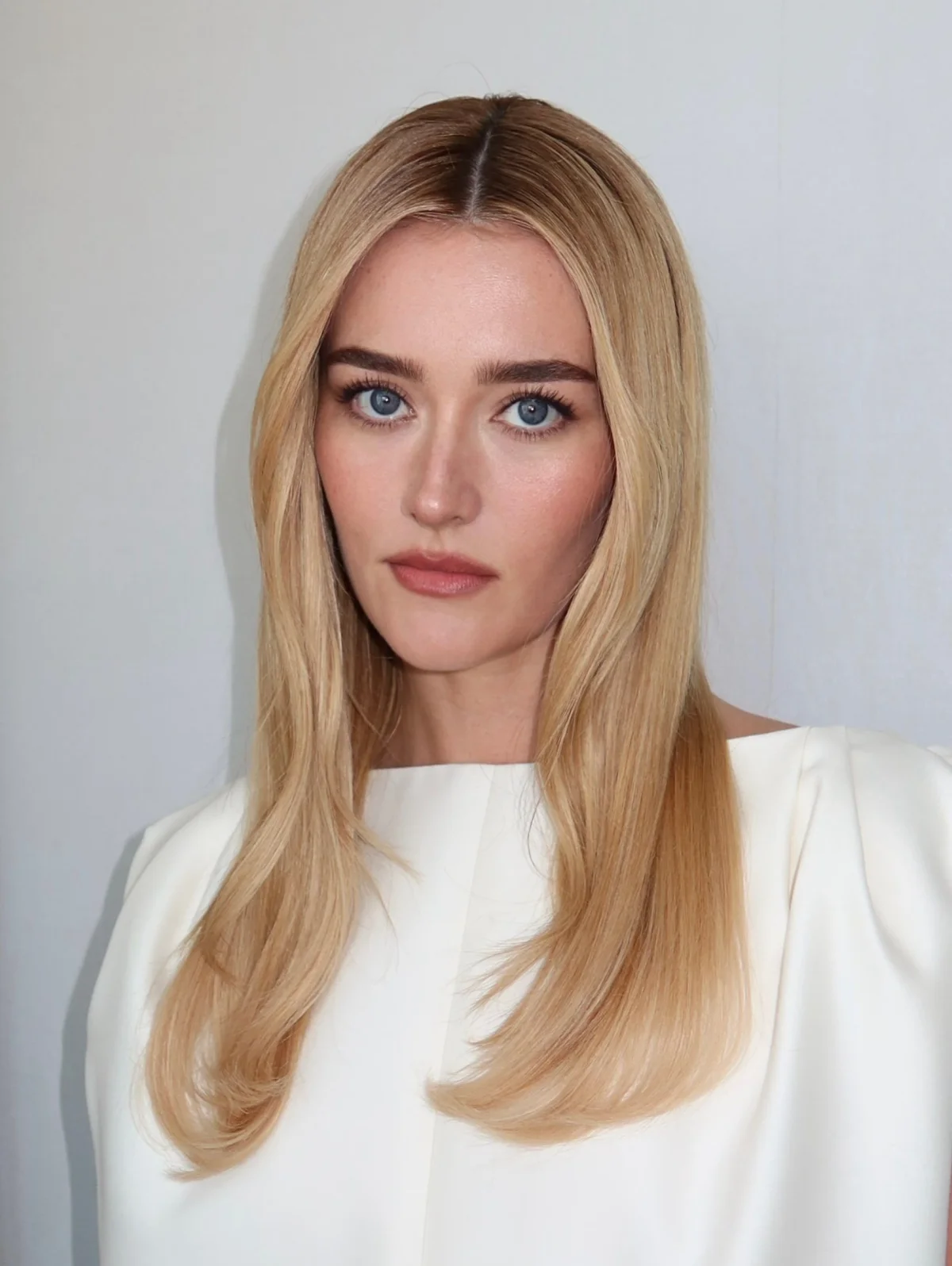
Sleek platinum blonde proves the look can be cool-toned; balance and shine are the point, not warmth.
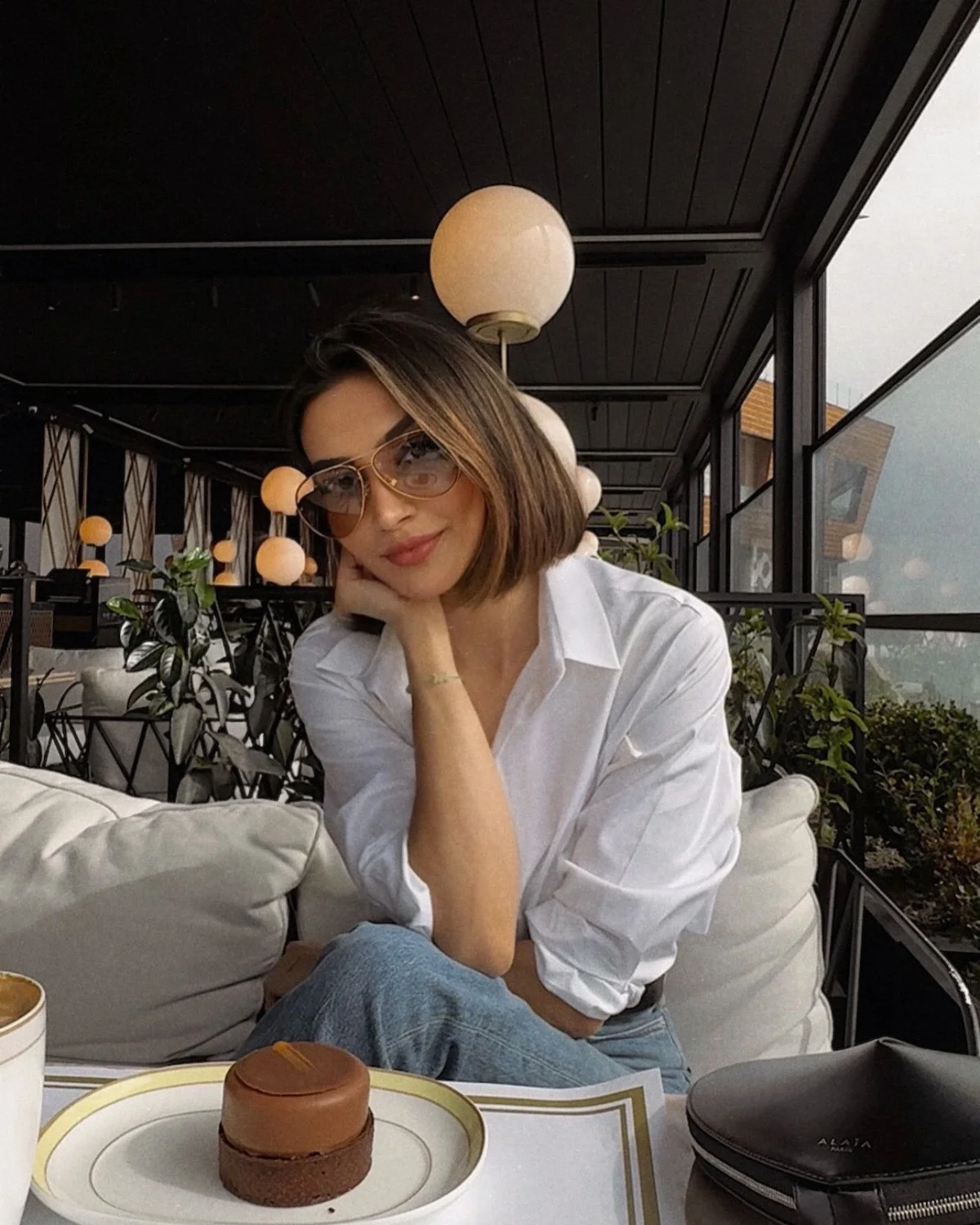
A warm brown bob feels understated and polished.
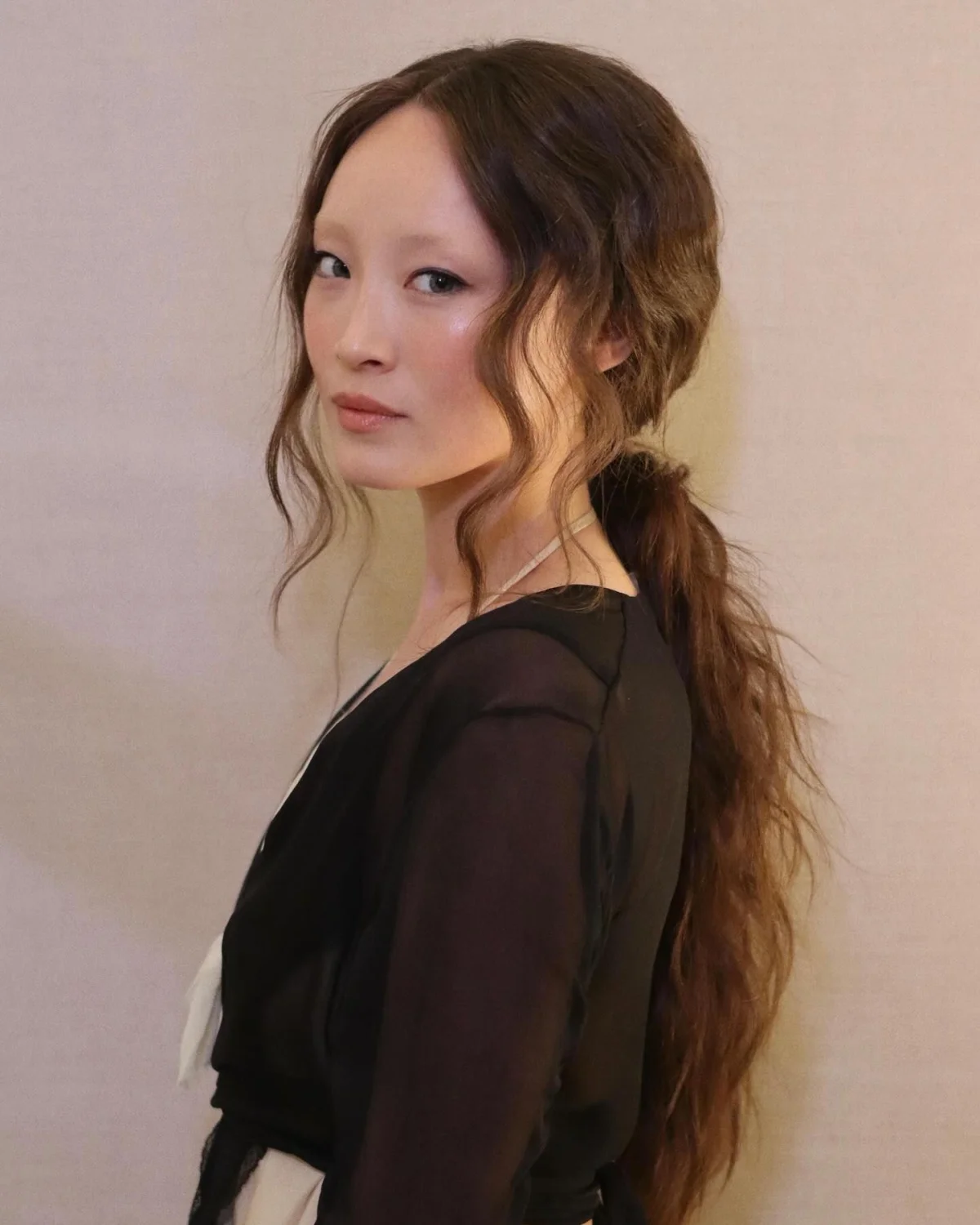
A low curly ponytail leaves rich brunette colour visible, while loose strands soften the shape.
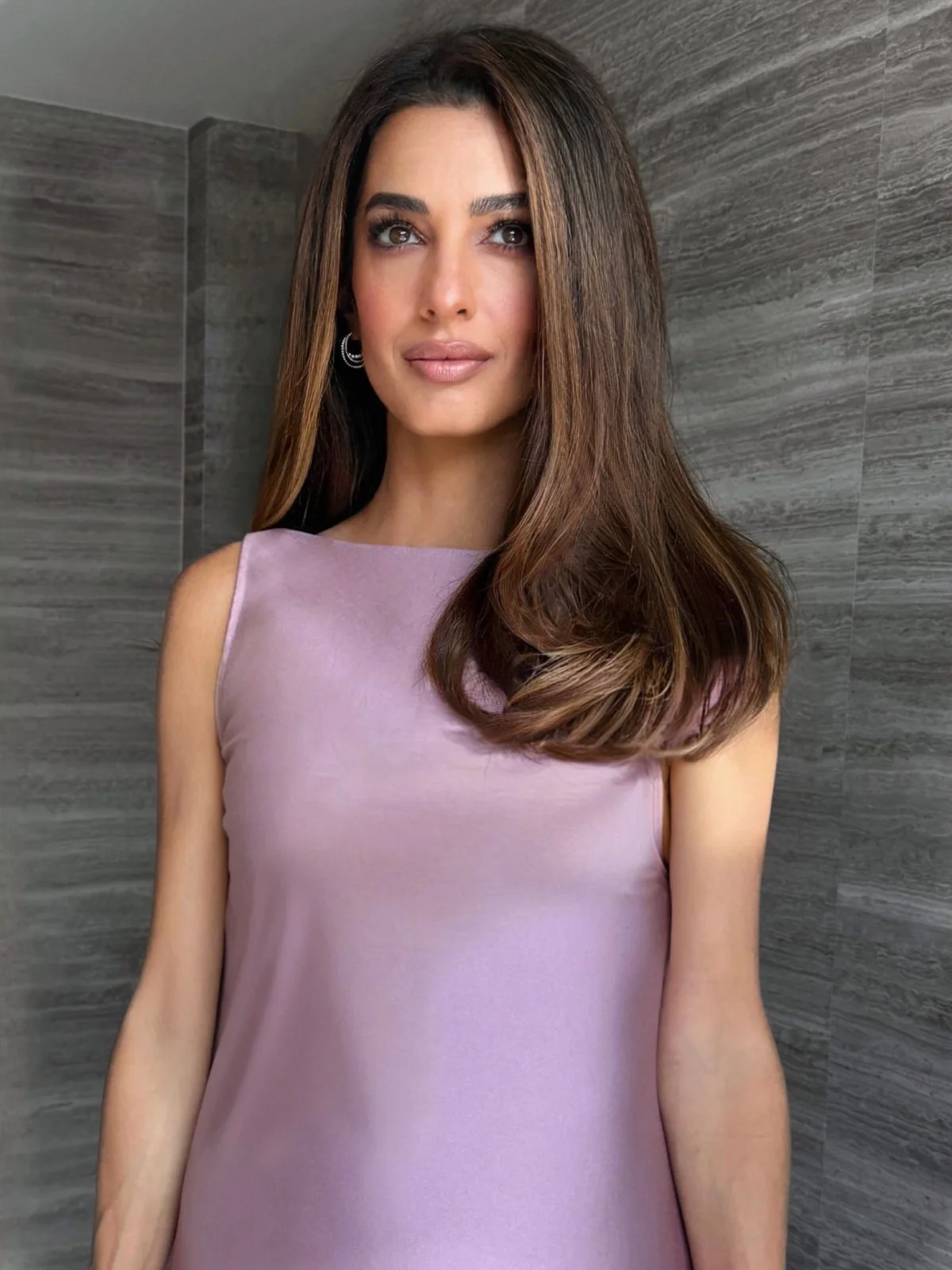
Subtle lighter tones lift sleek dark hair while preserving its depth.
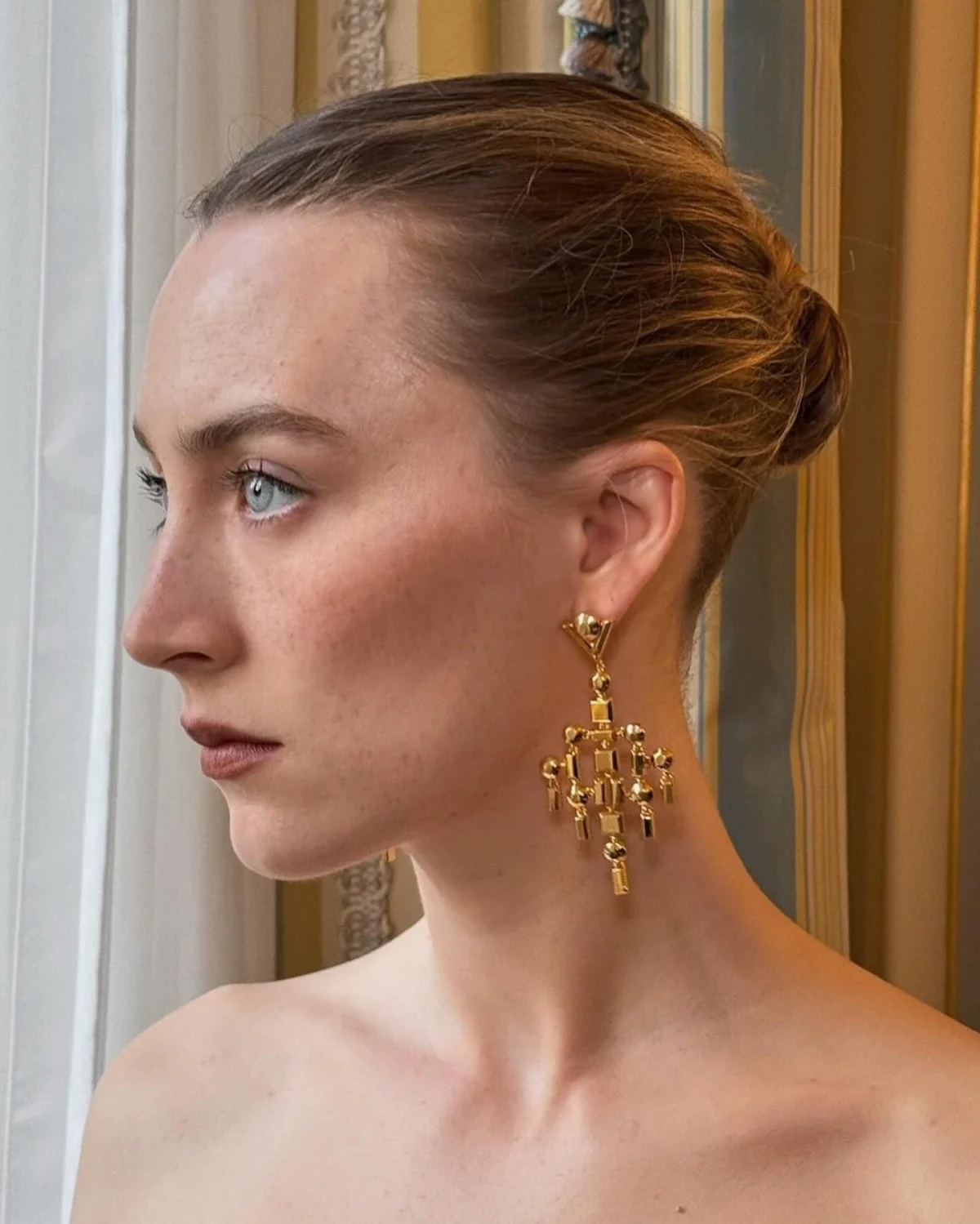
A gingery blonde updo brings muted warmth into a softly finished style.
Products to support the look
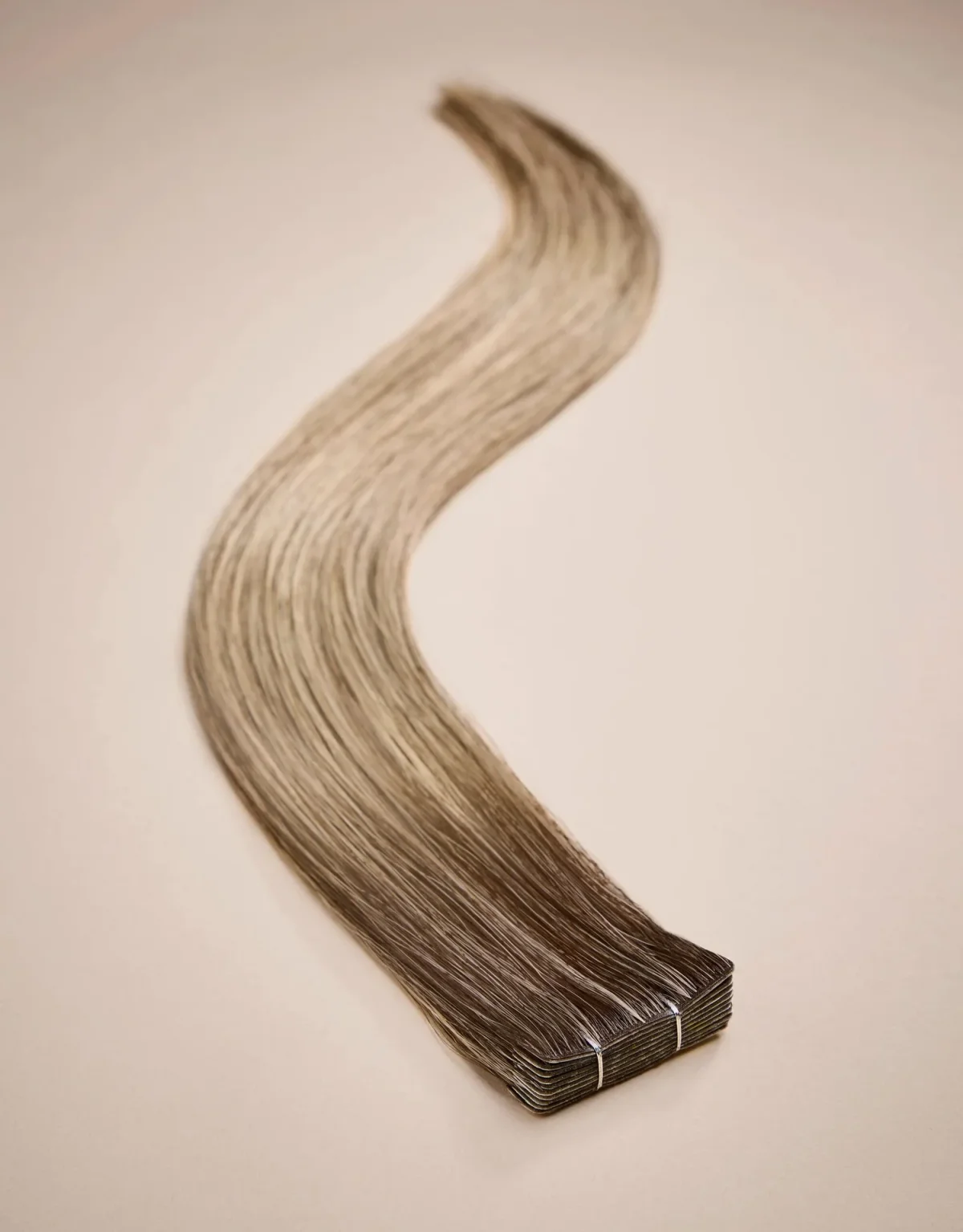
Reed highlights Remi Cachet’s Injection Tape Babylights collection for clients looking to add fullness as well as tonal dimension. The fine, multi-tonal blends are designed to transition softly from root to tip. Toasted Almond and Sahara Sands are two shades he points to for adding depth and movement while keeping the result understated.
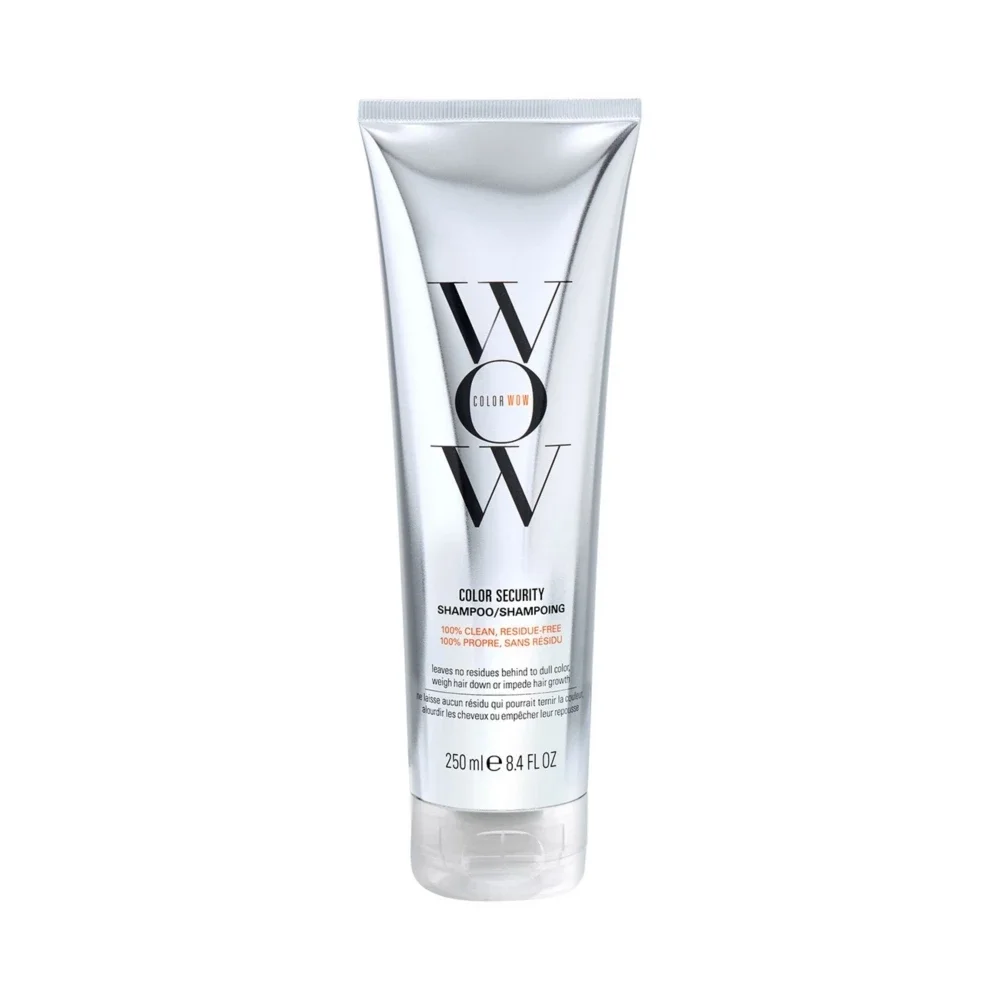
Color Wow Color Security Shampoo is a sulfate-free cleanser intended to wash hair without weighing down the lengths or leaving product residue. That makes it a relevant option when shine and a fresh-looking finish are part of the colour’s appeal.
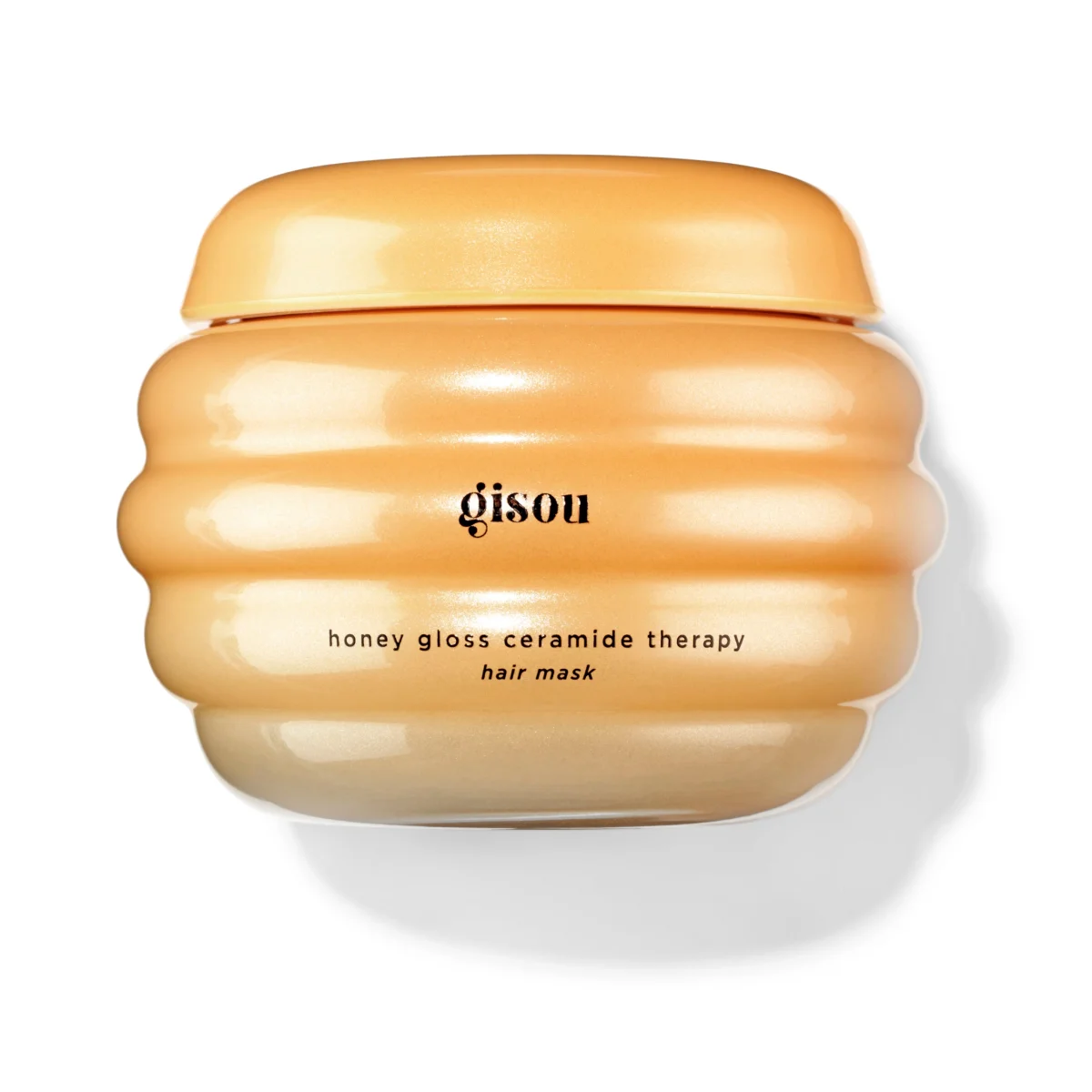
Gisou Honey Gloss Ceramide Therapy Hair Mask combines honey and ceramides in a conditioning treatment for dry lengths. Softness and shine can help the nuances of subtle colour read clearly.
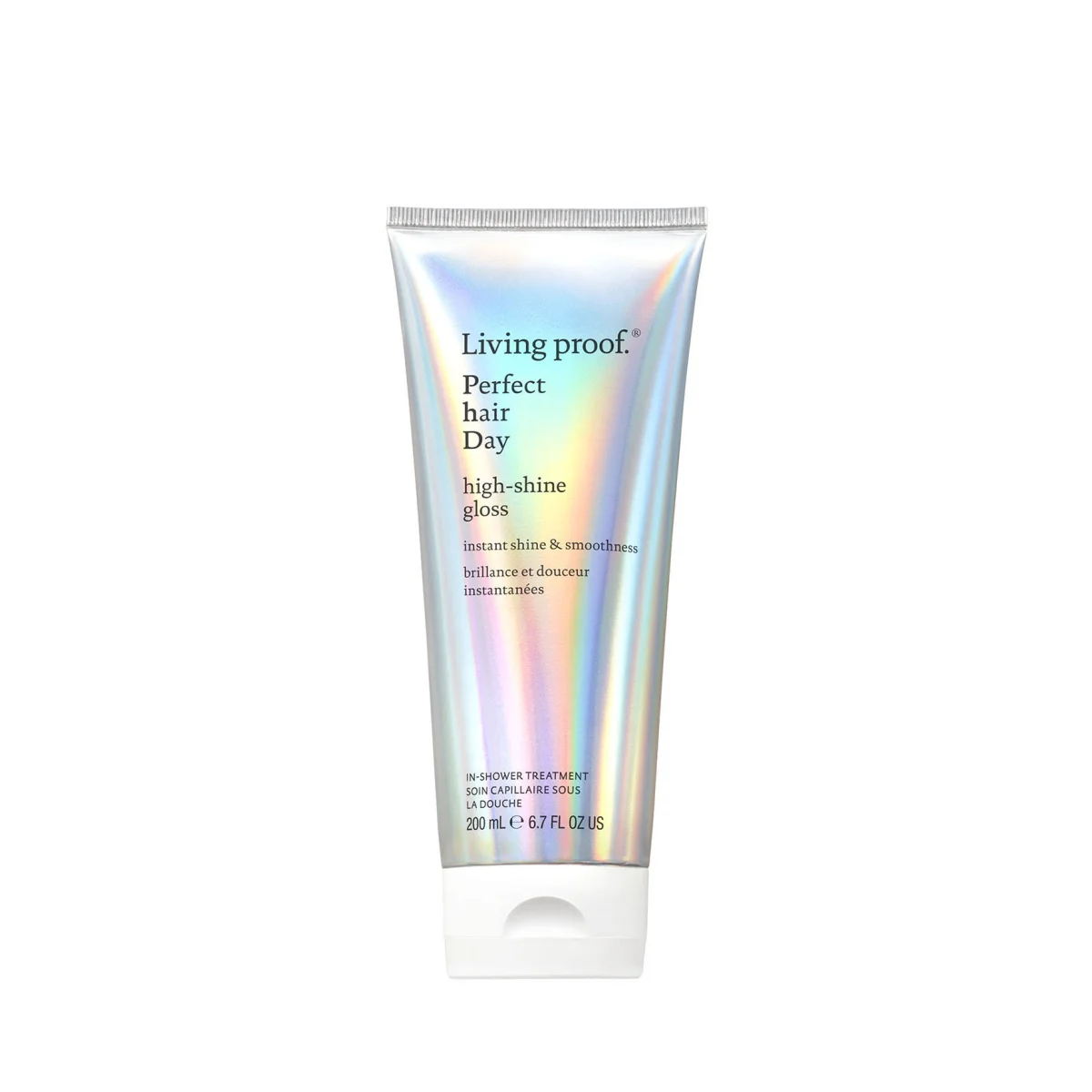
Living Proof Perfect Hair Day High-Shine Gloss Treatment is an at-home gloss treatment designed to smooth the hair’s surface and boost shine. It offers a way to emphasise tonal variation without adding more highlights.
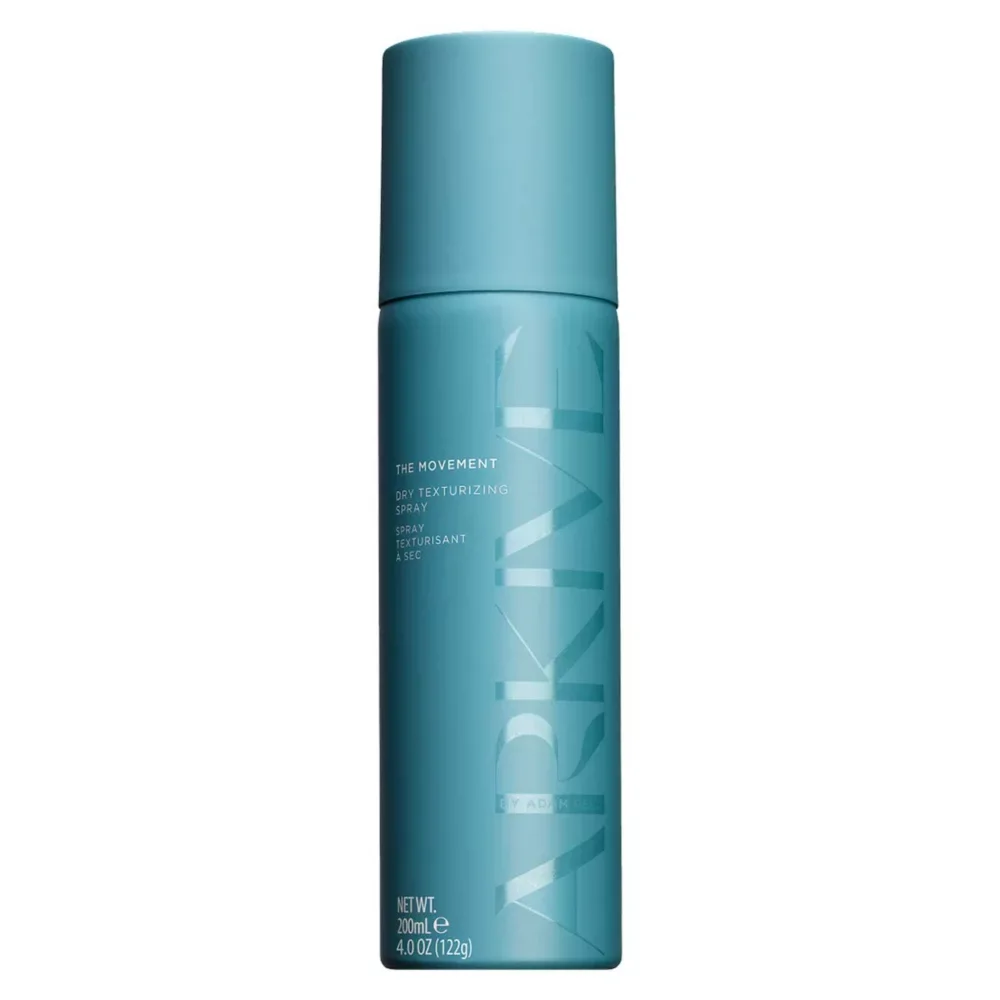
For undone styling, Arkive The Movement Dry Texturising Spray adds airy volume, grip and movement. Use it to bring out waves and layers without making the finish feel overly arranged.
Nude hair works best as a conversation about balance: keep the base recognisable, choose fine tonal shifts that suit it, and give the finish enough care to show its shine. The result can be anything from cool platinum to deep brunette, with the same quietly dimensional feel.