A Smarter Closet Clean-Out: What to Keep, Repair, Replace, and Pass On
Four organizers and a stylist share a practical closet edit: work in small sections, question “someday” pieces, and give unwanted clothes a clear next stop.

A useful closet edit isn’t measured by how many clothes leave. It’s measured by whether the things you keep suit your life now, feel good to wear, and are easy to find. That’s the shared advice from professional organizers Lisa Jacobs, Stephanie Vainer, and Shaniece Jones, and stylist Liz Teich. They also agree on two habits that can make a clean-out harder: emptying the whole closet at once and following a strict “if you haven’t worn it in a year, let it go” rule.
Instead, they recommend taking stock before buying storage, working through one category at a time, and asking what’s behind the urge to keep an item. A piece may deserve another chance because it’s a treasured occasion garment, a quality coat in need of repair, or something you simply haven’t figured out how to style. A crowded closet, though, can also be full of duplicates and clothes reserved for lives you aren’t living. Here’s how the experts suggest telling the difference.
Start with your real wardrobe
Jacobs says a piece is a candidate to leave when it no longer fits, feels uncomfortable, reflects your style, or serves a purpose. Her test is practical: look at what you actually wear, then compare it with what you keep “just in case.” A closet should make room for the clothes you love and reach for, rather than preserving every purchase or imagined use.
Jones frames the question around identity and daily life. A garment may be in good condition and still belong to a former routine, a past version of your style, or a future you keep postponing. She sees a closet as more than storage: it’s a space you return to every morning, where the clothes in view can reflect who you are now, who you used to be, or who you feel you ought to become.
That perspective helps explain why a simple rule based on time can miss the point. Jones doesn’t use the one-year test as her deciding factor, and Teich cautions against automatically discarding something because it’s considered out of style. Trends cycle, and a piece you love can still work even if it isn’t the current choice. The better questions are whether you want to wear it, whether it suits your present life, and whether there’s a practical reason it has stayed untouched.
For a long-unworn item, Jones suggests a set of checks: Does it fit your style now? Can you picture it in an outfit you’d wear this week? Would you buy it again today, or take it if a friend offered it to you? Could a realistic alteration or small change make it work—and will you actually arrange that change? If the garment is sentimental, is keeping it the only way to honor its meaning? And what story are you telling yourself about letting it go?
Jacobs makes room for exceptions, including timeless investment pieces, sentimental garments, and clothes reserved for special occasions. The point isn’t to apply one rule to every item; it’s to be able to explain why a particular piece belongs in your wardrobe. If the answer is only guilt, an old price tag, or a vague hope that it might be useful someday, that’s worth examining.

Look for the reasons clothes stay unworn
Sometimes the problem is not the garment itself, Teich says, but the missing piece that would make it easy to wear. In her work with clients, she often finds that people have more outfit options than they realize. The barrier might be the shoes they pair with a pair of pants, the rise or length of a garment, or a styling approach that no longer feels right. Before shopping for a replacement, ask why the item has been sitting there.
A second opinion can help when you’ve been looking at the same clothes the same way for years. Teich recommends an outside perspective from someone who can focus on what suits the wearer, rather than imposing personal taste or chasing trends. She says she has helped clients see outfit possibilities they’d missed, sometimes creating up to 50 new outfits without buying anything. That figure describes her client work; it isn’t a promise that every closet will yield the same number.
Jones recommends taking an equally clear-eyed look at the emotional reasons behind a decision. Behavioral economists use the term “endowment effect” for the tendency to value something more simply because it belongs to us. Jones points to Greg McKeown’s book Essentialism in discussing that idea. Questions such as “Would I buy this now?” can help create distance from the item and its purchase history.
“Someday” pieces often reveal the difference between a useful plan and a wish that keeps taking up space. Vainer calls out jeans someone hopes will fit again, an expensive dress that never gets worn, and attractive shoes that are too uncomfortable to choose. Jones also sees clothes kept for activities someone might take up one day, or occasions that may never arrive. Her prompt is to notice whether a garment is being saved for a life that hasn’t begun, rather than one you’re living.
Then there are “remember when” clothes: pieces tied to an old job, routine, or social role. Jones describes clients who have left corporate work but still keep suits for a possible return or an occasional interview. Her advice is to recognize that the previous chapter mattered without assuming you need to keep its whole uniform.
Gifts can be difficult for a different reason. Jones says people may retain a scarf, jacket, or earrings because they worry about the giver’s reaction. If it isn’t your style and you won’t wear it, passing it on gives someone else a chance to appreciate it. She also warns against scarcity thinking: the fear that a favorite item will never be available again can make you hold on to things you don’t even enjoy wearing.
Jeans are a frequent sticking point for Jones, especially when a pair is connected to an earlier body size or a significant relationship. Her point isn’t that a certain size should be the goal; it’s that clothes carrying a painful reminder can make getting dressed harder. Keep jeans you like and wear, and question pairs that mainly represent a time you’ve moved on from.
Vainer encourages people to pay attention to their repeat favorites. If you keep selecting the same sweater from a stack of near-identical ones, that’s useful information about what you enjoy wearing. Jacobs similarly sees excess basics—old T-shirts, sweaters, jeans—and shoes that are no longer worn. Duplicates can hide the pieces you reach for most.

Make the edit manageable
All four experts favor a smaller starting point over turning every garment onto the bed. Jacobs suggests choosing one category—shoes, coats, or sweaters—or editing as the seasons change. Vainer recommends beginning with a drawer, shelf, or a single clothing category. Teich often tackles one dresser drawer while watching television and advises focusing on one season at a time when rotating clothes.
Vainer’s approach is to set a timer for 20 minutes and complete one small area. Jones recommends a 45- to 60-minute timer for a small category, such as T-shirts, then moving on once the first section is finished. These are different ways to set a boundary around the work, not a required schedule. Choose a stretch of time that feels realistic, finish a defined task, and let the visible progress build momentum.
The laundry can offer a practical signal that the wardrobe needs attention. Vainer says overflowing piles, drawers that won’t close, and clean clothes with nowhere to go are signs that the amount you own may be making daily routines harder. Another clue: a packed closet, but the same handful of outfits on repeat, or a stressful search for something you know you own.
Jones uses a framework called Closet Therapy MVP—mindset, vision, plan—with her one-on-one clients. In her view, an edit lasts longer when it addresses not just the clothes but also the habits around shopping and consumption. Without a plan for those habits, the closet can fill again. Her method begins with picturing how you want the space to work, then breaking the edit into categories.
That’s also why the experts push back on the idea that a tidy wardrobe requires minimalism, a capsule wardrobe, or a prescribed number of pieces. Vainer likes clothes and beautiful things; her goal is to make the available space work for the life someone leads now. Jacobs makes the same distinction: success isn’t about removing as much as possible. It’s about thoughtful choices and a closet that functions.
Jones also questions advice to “purge half” or buy every color of something you like. Repeating a purchase can leave you with more of the same without solving the feeling that you have nothing to wear. She argues that a closet can be full but still hard to use when clothes aren’t visible or don’t work together. A recurring edit is normal, too: style and circumstances change, so keeping a closet current is ongoing maintenance rather than a one-time project.
Organizers and products come later. Jacobs says there’s little point in buying a system for clothes you no longer need. Vainer recommends measuring the space and noting the measurements on your phone after you’ve decided what needs storing. Teich says a stylist can help reveal what’s already there; an organizer can help with the systems. Start by identifying the problem you want a product to solve.
Repair the pieces with more life in them
Before replacing a worn item, consider its condition, quality, and whether a repair could make it useful again. Jacobs says everyday basics—T-shirts, undergarments, and other frequently worn pieces—may be ready to replace when they’re stretched out, misshapen, or significantly worn. Quality coats, blazers, and leather goods may be better candidates for repair or alterations.
Vainer puts denim, good-quality coats, blazers, and dresses in the repair-and-tailor category. A replacement button, a fixed zipper, or a hem can extend a garment’s use. She sees decluttering as a chance to care for what you already own, not a cue to discard and shop for everything anew.
Jones names bras, white T-shirts, white button-downs, blazers, and jackets as wardrobe staples to assess carefully when worn out. She particularly values a “conversation” blazer or jacket—the third layer that draws compliments or starts a conversation. A strong jacket can change the feel of a simple jeans outfit, so she recommends keeping that layer in good condition. She says bras that have stretched or worn down can affect how shirts and blouses sit; white pieces may need replacing when they yellow or lose their shape.
Teich is more selective about what must be replaced, naming socks and intimates as the clear candidates. She says socks and underwear with holes or tears have reached the end of their useful life. Bras also need attention as elastic stretches and straps lose their ability to adjust. Her tip: as a bra band loosens, the hooks can be moved inward over time, until the fit no longer works. She recommends looking for fabric recycling options when it’s time to let bras go.
Teich says shoes, handbags, coats, and outerwear can often be repaired, especially when damage is addressed before it becomes severe. She suggests taking shoes to a cobbler before the soles wear down too far and using a leather specialist for bags and other leather goods. She mentions Cobbler Concierge, which offers virtual and mail-in service as well as Manhattan pickup. Teich gives the code THENEWYORKSTYLIST for 10% off with free inbound shipping or Manhattan pickup.
For leather and suede, Teich recommends protective spray and names Jason Markk Repel Spray. She also says quality outerwear can be worth repairing, given how much a coat or jacket contributes to cold-weather outfits. Her views on fabric care are her own: she advises checking care needs and avoiding dry cleaning when possible, arguing that the process can weaken fibers. She recalls working at a luxury clothing brand where “dry clean only” was applied broadly to protect the brand from laundering mistakes. For any specific garment, follow its care guidance and consider the fabric before changing your routine.
Teich says a well-made white T-shirt can last for years with proper care; she has kept some for a decade. Her broader advice is to learn how to treat stains and launder clothes appropriately, rather than replacing a staple on a fixed annual schedule. She also recommends considering fabric performance: she generally avoids synthetic clothing except for activewear, where synthetics can help repel sweat.
Give unwanted clothes a destination
Make a plan for outgoing items before the edit begins. Jacobs suggests donating clothes in good condition to local charities or organizations, while designer and higher-value garments may be suitable for resale or consignment. Vainer recommends local donation organizations that can put wearable clothing directly to use, and says Facebook Marketplace and local Facebook groups can help connect items with someone who wants them.
Jones has a 72-hour rule: within three days, the items should be out of the home or have a concrete next step. Before starting, she suggests listing two or three donation centers, three local consignment shops, and a trusted tailor. Check what each place accepts, including brands and garment types, so you aren’t left making every decision after the work is done.
Be honest about condition. Jones suggests asking whether you would wear or buy the garment as it is. If not, don’t pass it along as a donation; look for a textile-recycling option instead. She recommends checking local programs for items that can’t be worn or repaired. Teich also suggests looking for fabric recycling through a town program or farmers market. Options vary by location, so check the receiving organization’s requirements before dropping anything off.
For pieces with resale potential, Jones advises checking similar listings on consignment sites to get a sense of value. She suggests weighing the likely return against the time the item has spent sitting unused, then choosing a route that fits your capacity. Her named options include The RealReal and Luxury Garage Sale for consignment, and Depop or Poshmark for selling directly.
Teich favors local consignment shops when practical, both for their local connection and as an option for sellers who can make the time. For online resale, she names Poshmark, ThredUp, Vinted, Fashionphile, Mercari, and The RealReal. She says ThredUp offers an option to pay extra for recycling items it doesn’t accept. She also recommends sorting client garments into separate labeled bags for resale, donation, and recycling.
Teich cites an EPA figure that 84% of donated clothing eventually ends up in landfills or incinerators. That figure is hers from the source interview; her practical takeaway is to pay attention to where clothes go and whether they’re in wearable condition. She encourages buying less and choosing quality, while giving garments a chance at another use through resale, local donation, repair, or recycling.
One final detail matters: a donation bag in the hall or car hasn’t left your home yet. Vainer says the clean-out is only complete once those items have gone to their intended destination. Schedule the drop-off, arrange the consignment appointment, or identify a recycling point before the bags begin to accumulate.
Choose storage that solves a real problem
The experts have different favorite tools, which reflects the different bottlenecks they see. Jacobs likes baby hangers for jeans and pants: their smaller size can save hanging space while keeping garments visible and accessible. Her featured product is Amazon Basics Velvet Non-Slip Hangers.
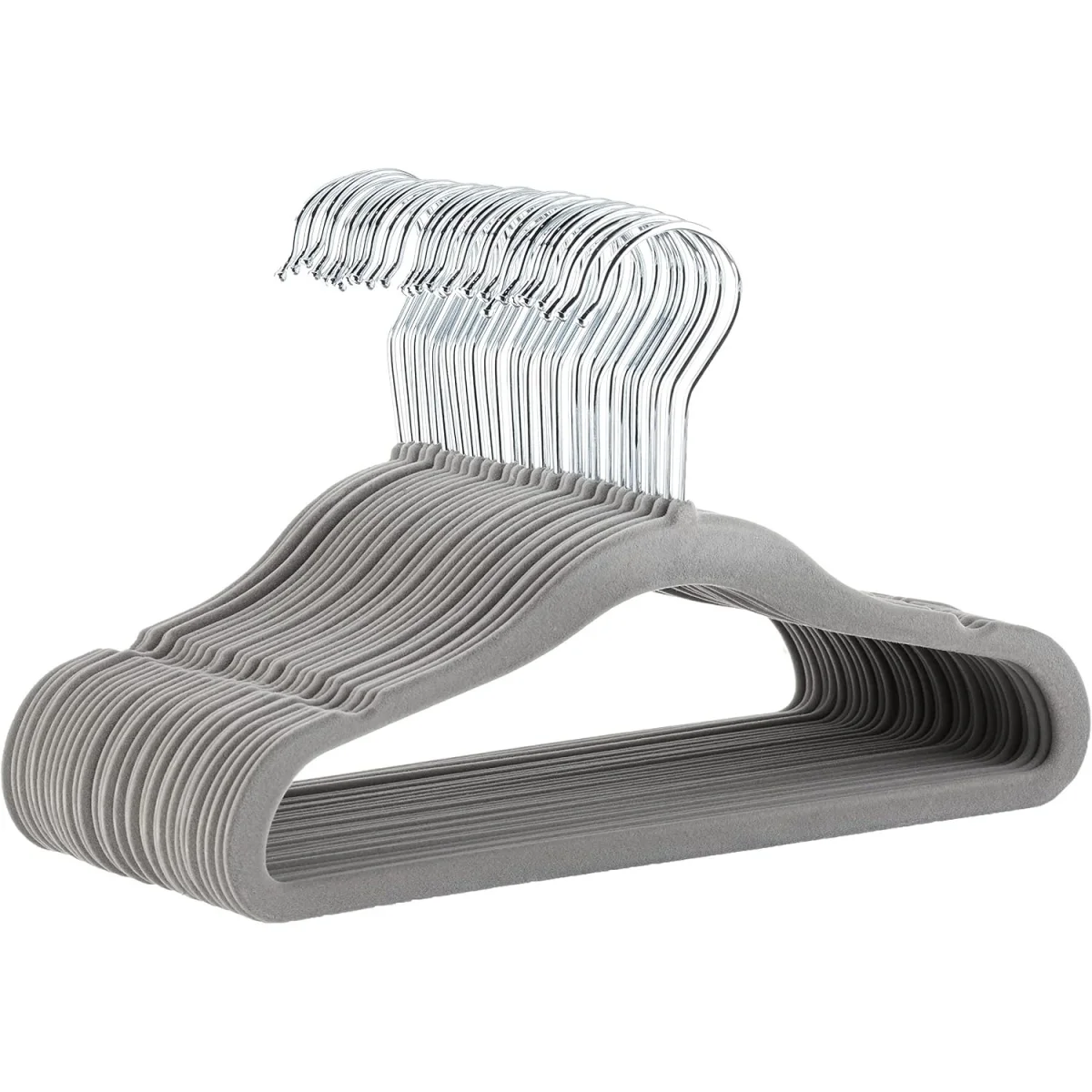
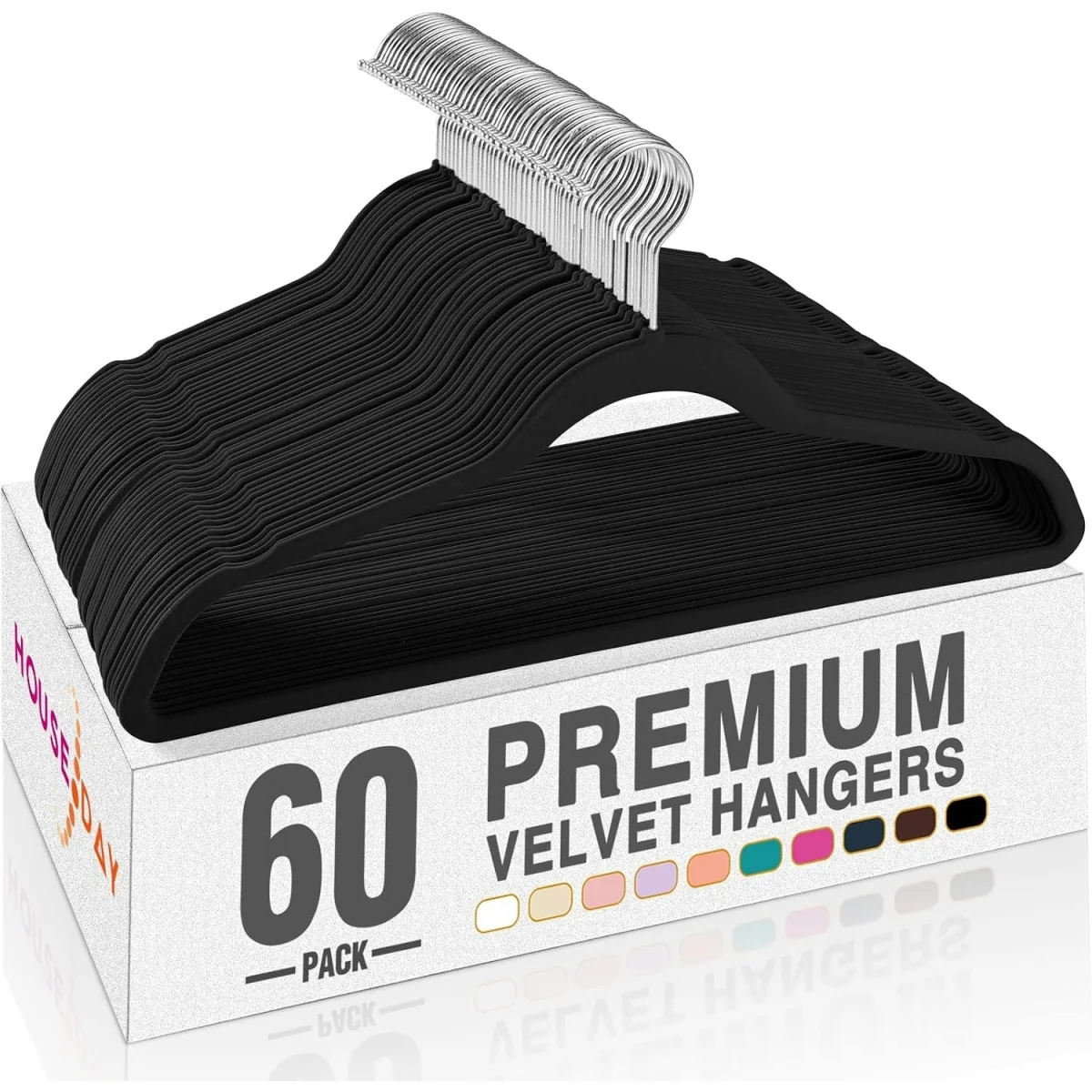
Vainer recommends slim, nonslip hangers, particularly in small closets. They take up less room, help clothes stay on the hanger, and make the rail look more consistent. She suggests grouping clothes by category and then color, a simple way to make the contents easier to scan. Her featured product is HOUSE DAY Black Velvet Hangers.

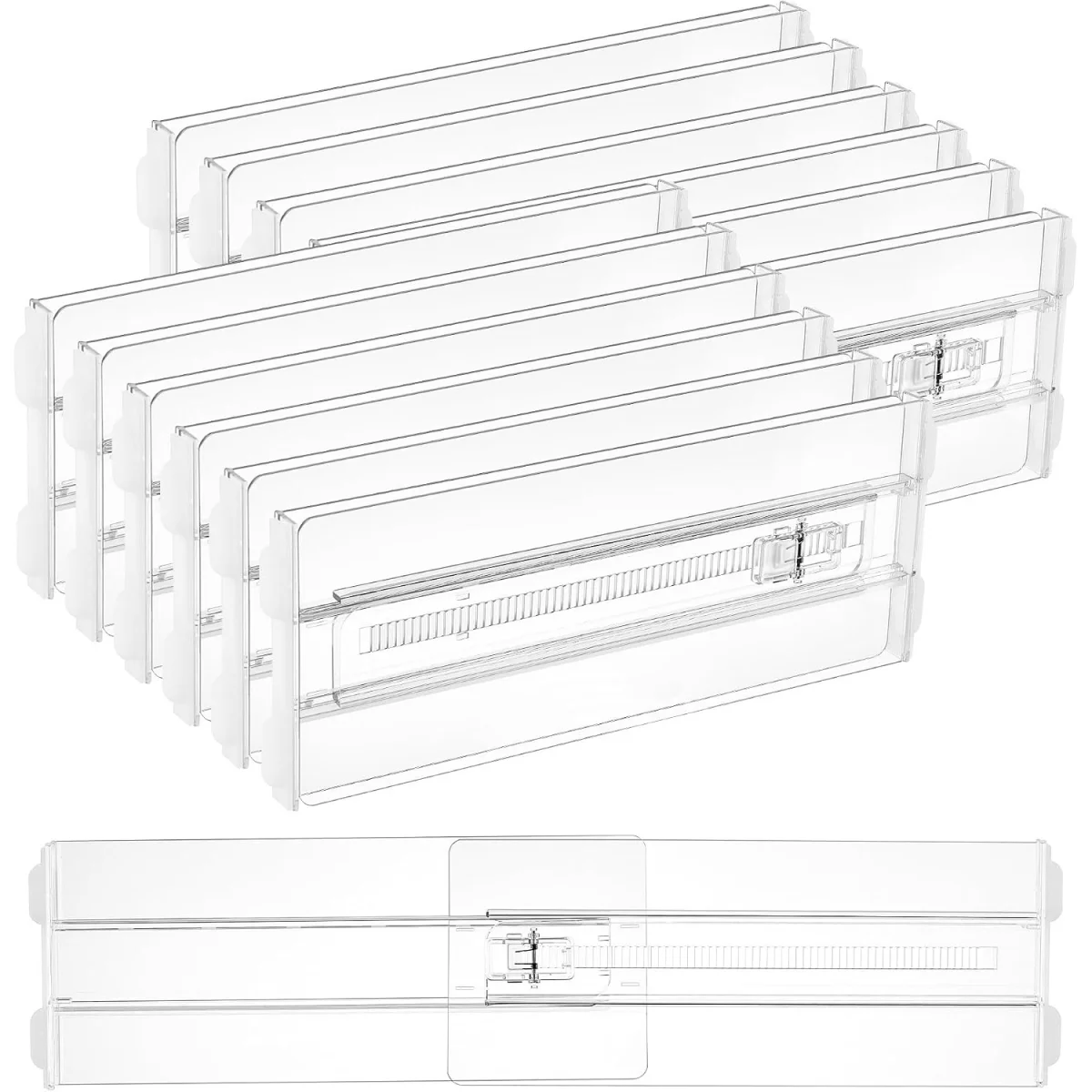
Jones chooses drawer dividers, which keep separate categories visible instead of letting them disappear into a mixed drawer. Her point is that people are more likely to wear what they can see. She likes them just after velvet hangers and names Vtopmart 12 Pack Drawer Dividers.
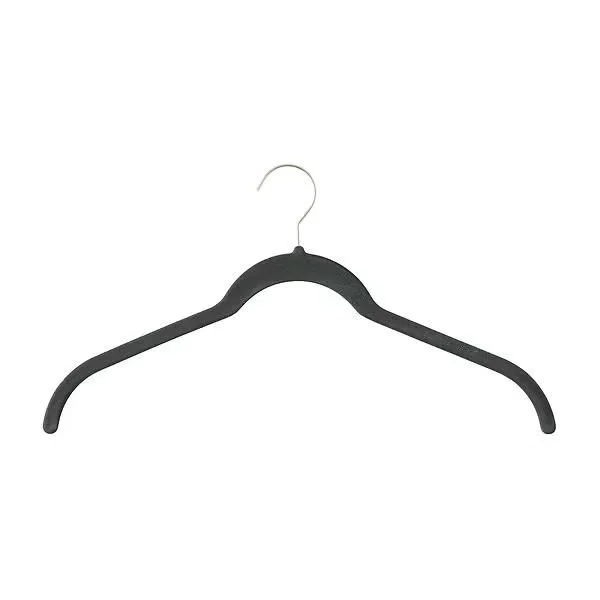
Teich recommends choosing one hanger style—velvet, bamboo, or wood—so the clothes, rather than a mix of hanger shapes and colors, draw the eye. A uniform set can make it easier to see what you own. Her featured option is The Container Store Premium Non-Slip Velvet Hanger.
Additional space-saving options featured with the guide include wall hooks, shelf baskets, a closet rack, purse organizers, pants hangers, and collapsible fabric storage cubes. Use them after editing, once you know what needs a home and where it will fit.
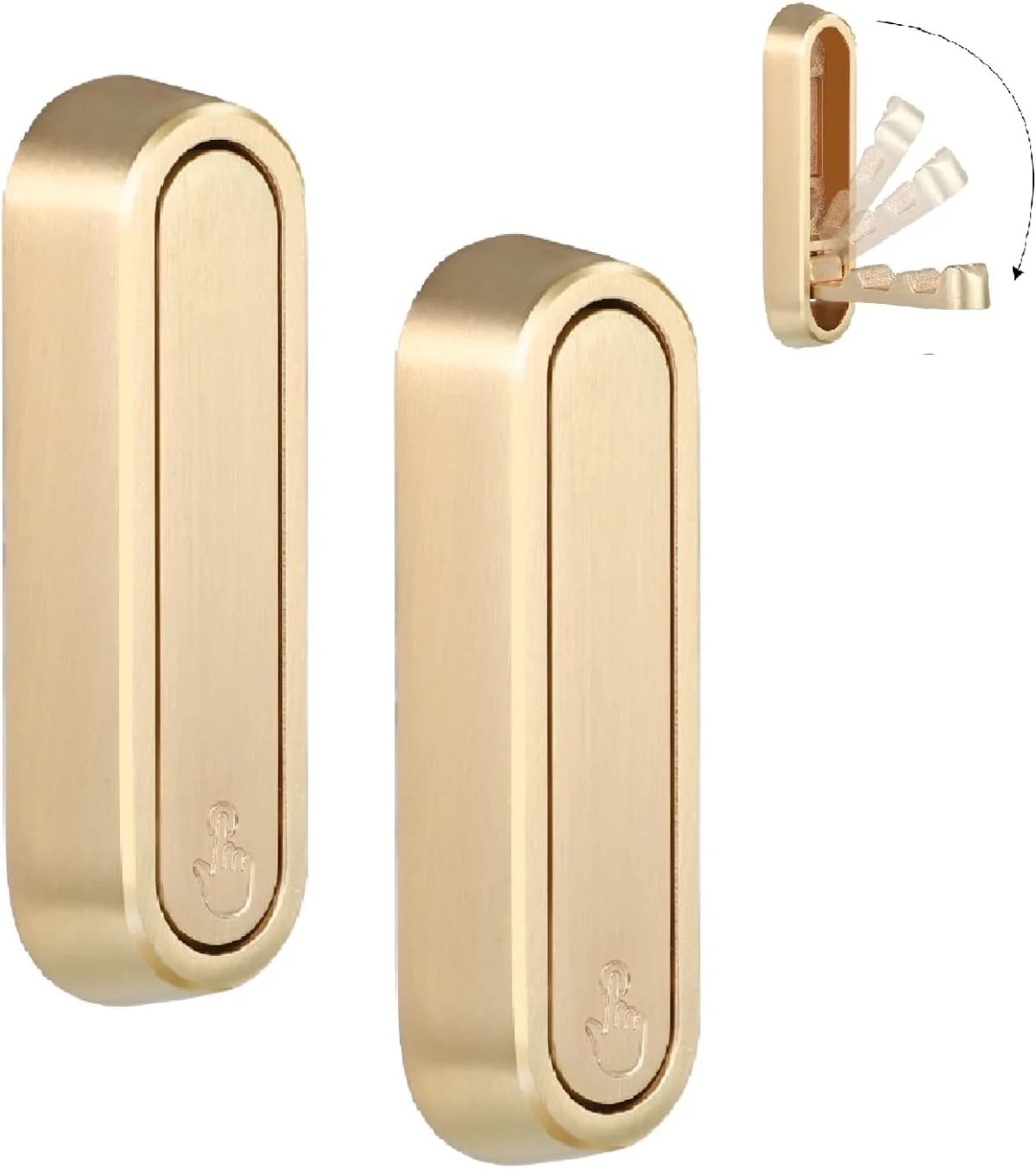
Your door hooks don't have to be plastic.
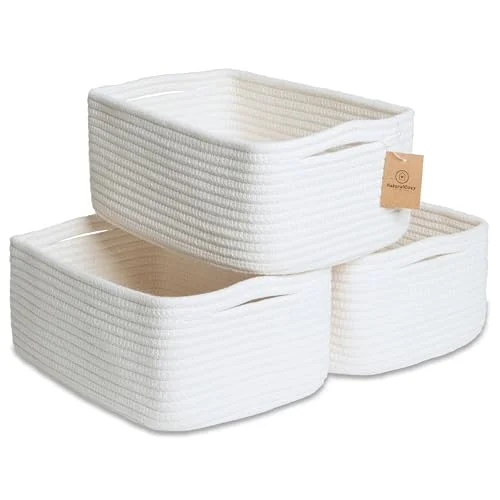
The perfect place to fold up your favorite sweaters.
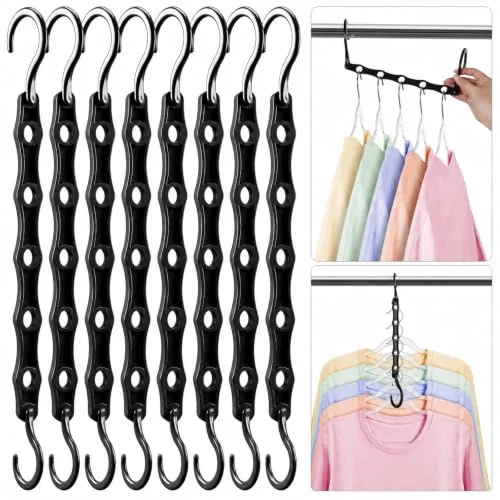
One closet rack just gave you way more storage.
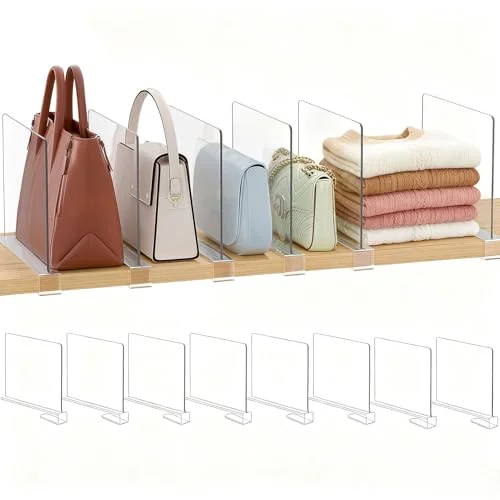
So you can actually see all the purses you have with ease.
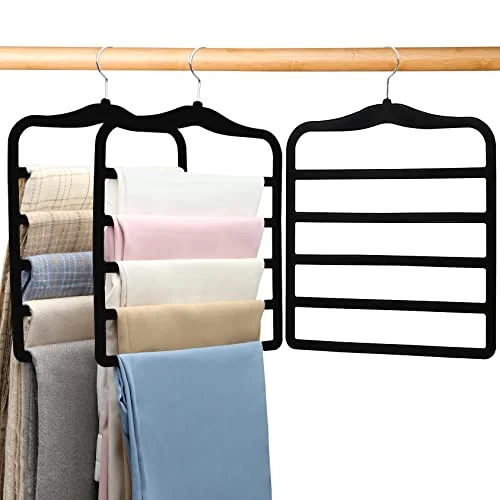
Folding pants just got way easier.
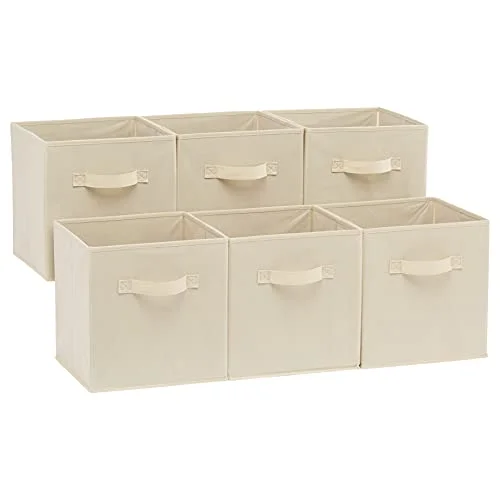
I live for these.
The strongest starting point is still a small one: choose a drawer or category, decide what you want your wardrobe to do, and work through the clothes you can see. Keep the pieces that suit your life, explore repairs and styling for the ones with potential, and give everything else a timely destination. Storage works best once the wardrobe inside it makes sense.