Bemotrizinol Sunscreens Bring New Textures and More UV Filter Options to the U.S.
Bemotrizinol covers UVA and UVB wavelengths. Two new SPF 50 formulas show how texture, tint and finish shape the daily sunscreen experience.

Bemotrizinol gives sunscreen formulators in the U.S. another option, and the first new formulas make the case through feel as much as filter technology. The ingredient absorbs both UVA and UVB light, including short UVA wavelengths; the finished sunscreen’s protection and wear still depend on its full filter blend and formulation. For readers who find many sunscreens too greasy, drying or visibly tinted, the new releases are especially interesting for their lightweight textures and subtle finishes.
The U.S. has had fewer chemical sunscreen filters available than markets such as Korea and Europe. The range of filters available to American sunscreen makers has now expanded with bemotrizinol, the first newly approved sunscreen filter in 20 years. Though new to U.S. formulas, it has a longer history elsewhere. Here’s what the ingredient does, how it fits into a sunscreen, and how two new options performed on sensitive, acne-prone skin.
A familiar filter in a new market
Bemotrizinol, often shortened to BEMT, is an organic UV filter that absorbs UVA rays at 315 to 400 nanometers and UVB rays at 280 to 315 nanometers, according to the American Chemical Society. Developed in Switzerland in the 1990s, it first appeared in sunscreens in the European Union in 2000. Its arrival in U.S. products brings a well-established ingredient into a market where formulators have had fewer chemical filter options.
Stephen Lynch, associate vice president of skincare development and scientific valorization at L’Oréal Research and Innovation North America, describes BEMT as an organic filter that covers both UVA and UVB wavelengths. He says its broad absorption, including strong coverage in short UVA, makes it a useful addition to formulators’ options.
Lynch also points to La Roche-Posay’s experience using the filter internationally. “While BEMT is new to the U.S., it is not new to La Roche-Posay,” he says. The brand’s teams have worked with it for years, drawing on L’Oréal’s nearly 100 years of sun protection research.
What matters in the finished formula
A filter’s absorption range is only part of the story. Lynch says sunscreen performance depends on how filters are combined, how the formula is made, and how the finished product is tested. Those choices shape the product’s protection, stability, texture and feel on skin.
That also makes simple comparisons with mineral sunscreen unhelpful. Organic and mineral filters work differently, and both can be used to formulate broad-spectrum products. BEMT expands the options available to formulators; it doesn’t make one filter type automatically preferable. Personal comfort matters, too. People who find some chemical sunscreen formulas irritating may prefer a mineral option. For those who tolerate organic filters, the new formulas may be appealing, particularly if visible residue has made sunscreen harder to wear.
The two new BEMT formulas below were tried on sensitive, acne-prone skin. Their different finishes illustrate why the ingredient itself doesn’t tell you everything about how a sunscreen will feel.
Two new BEMT formulas, two finishes
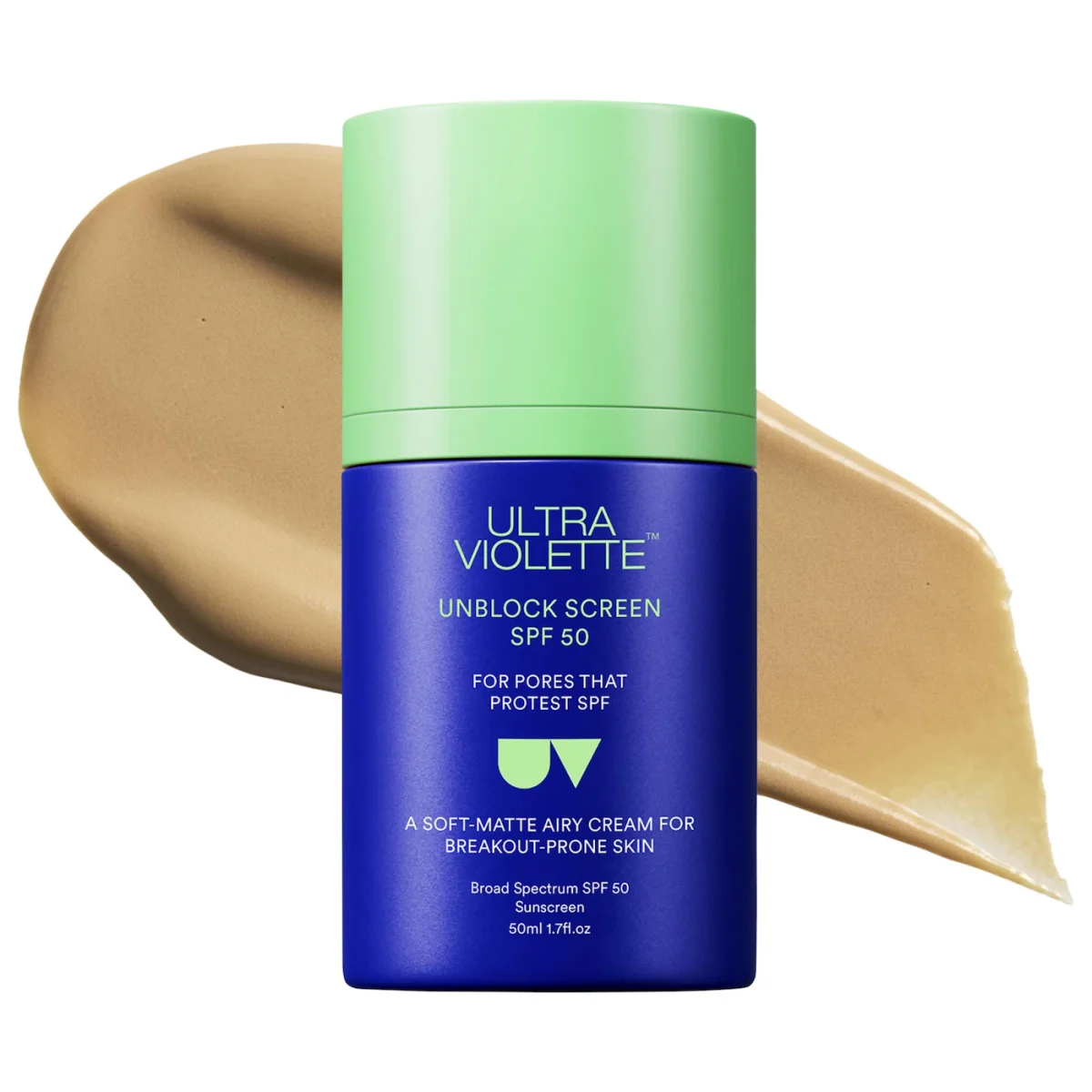
Ultra Violette Unblock Screen SPF 50 combines BEMT, octocrylene and zinc oxide in a hybrid formula. It spreads smoothly and feels light, with a subtle tint from the zinc oxide. The reviewer approached its oil-controlling, matte positioning cautiously: skin that gets oily can still feel dehydrated, and some matte sunscreens leave it feeling dry. This one felt hydrated and smooth throughout the day instead.
The brand calls its oil-controlling ingredient Bix’Activ. In this wear test, its effect felt restrained rather than powdery or drying. The tint helped avoid a visible white cast on brown skin without reading as notably orange or pink. The reviewer found the formula comfortable on acne-prone skin and not greasy after several hours. It’s a useful example of how a hybrid filter blend and a light tint can influence the experience of a sunscreen.
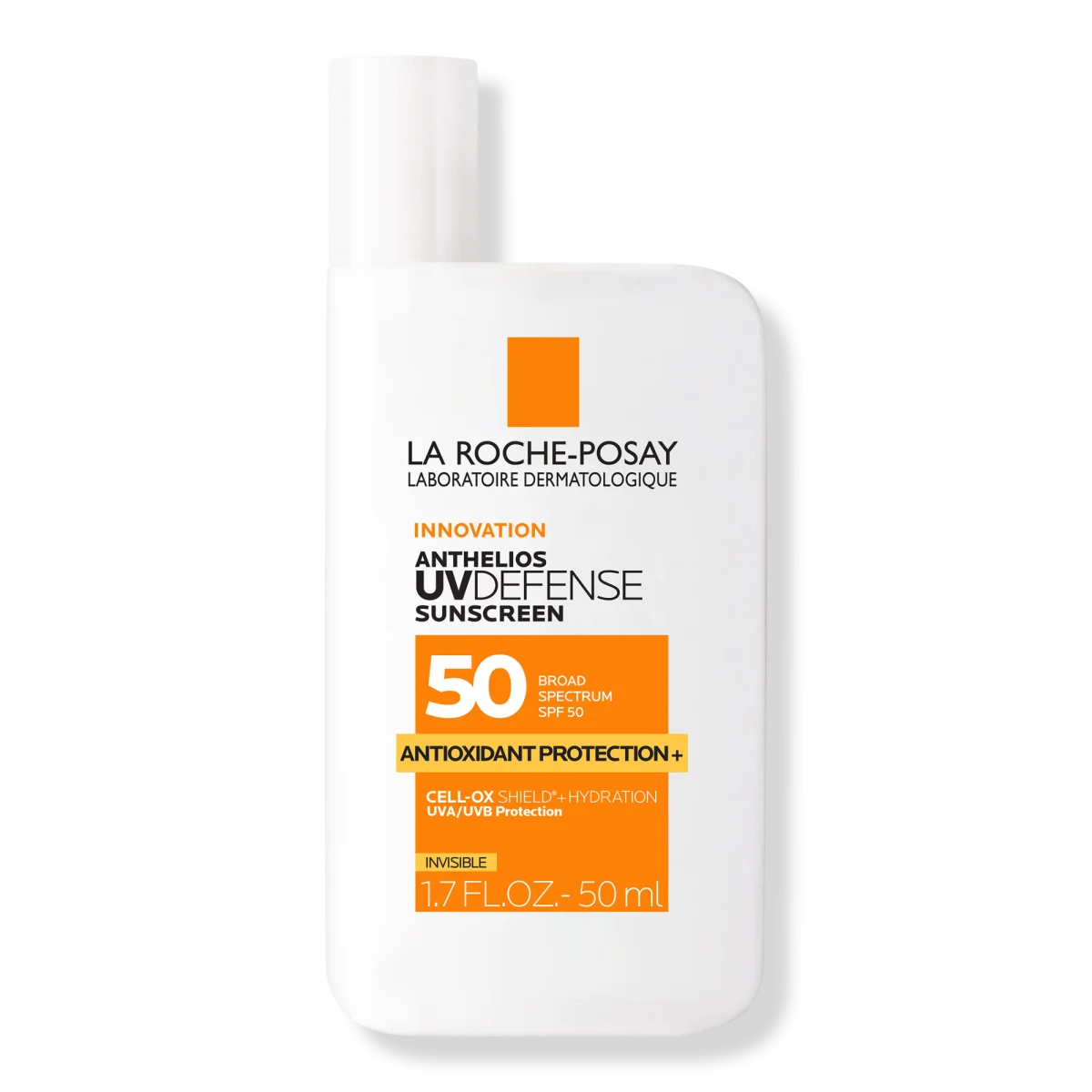
La Roche-Posay Anthelios UV Defense Sunscreen SPF 50 is a fully chemical formula with a more fluid, watery texture than the Ultra Violette option. It spreads easily, absorbs quickly and doesn’t leave a greasy feel or noticeable film. The reviewer, who often reaches for La Roche-Posay sunscreens, found it comfortable on darker skin tones and suitable for sensitive, acne-prone skin.
The formula also offers antioxidant protection against environmental stress. That extra feature, alongside the lightweight feel and absence of visible residue, makes it a practical choice for daytime use. Lynch’s point about the complete formula applies here: BEMT works as part of a blend, alongside filters already used in U.S. sunscreens.
More face sunscreens to consider
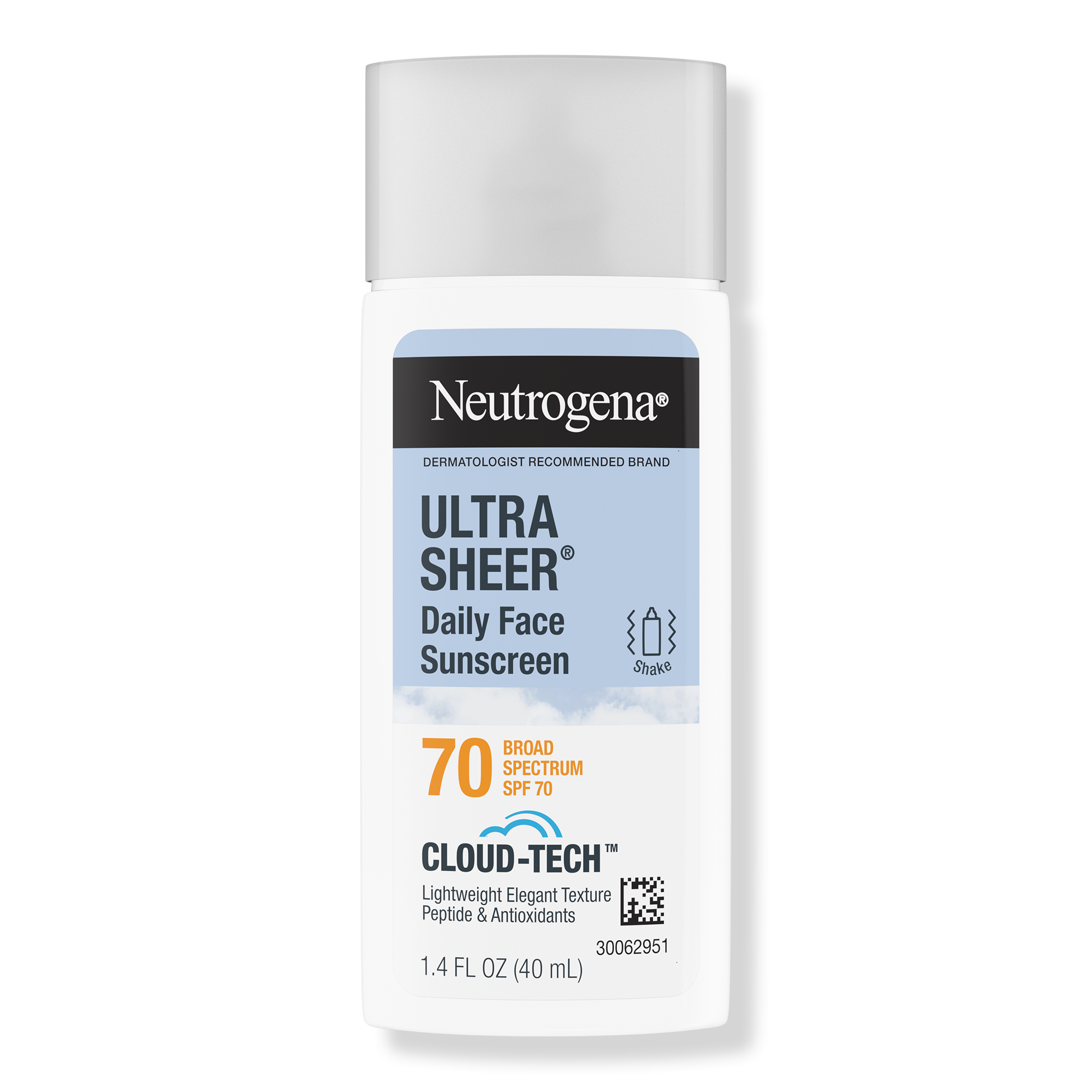
Neutrogena Ultra Sheer Daily Face Sunscreen Broad Spectrum SPF 70 is another new BEMT formula, with SPF 70 protection. The reviewer hadn’t tried it at the time of writing, so its texture and finish remain untested here. Neutrogena is a familiar, budget-friendly sunscreen option for the reviewer, who has relied on the brand since their teens and early twenties.
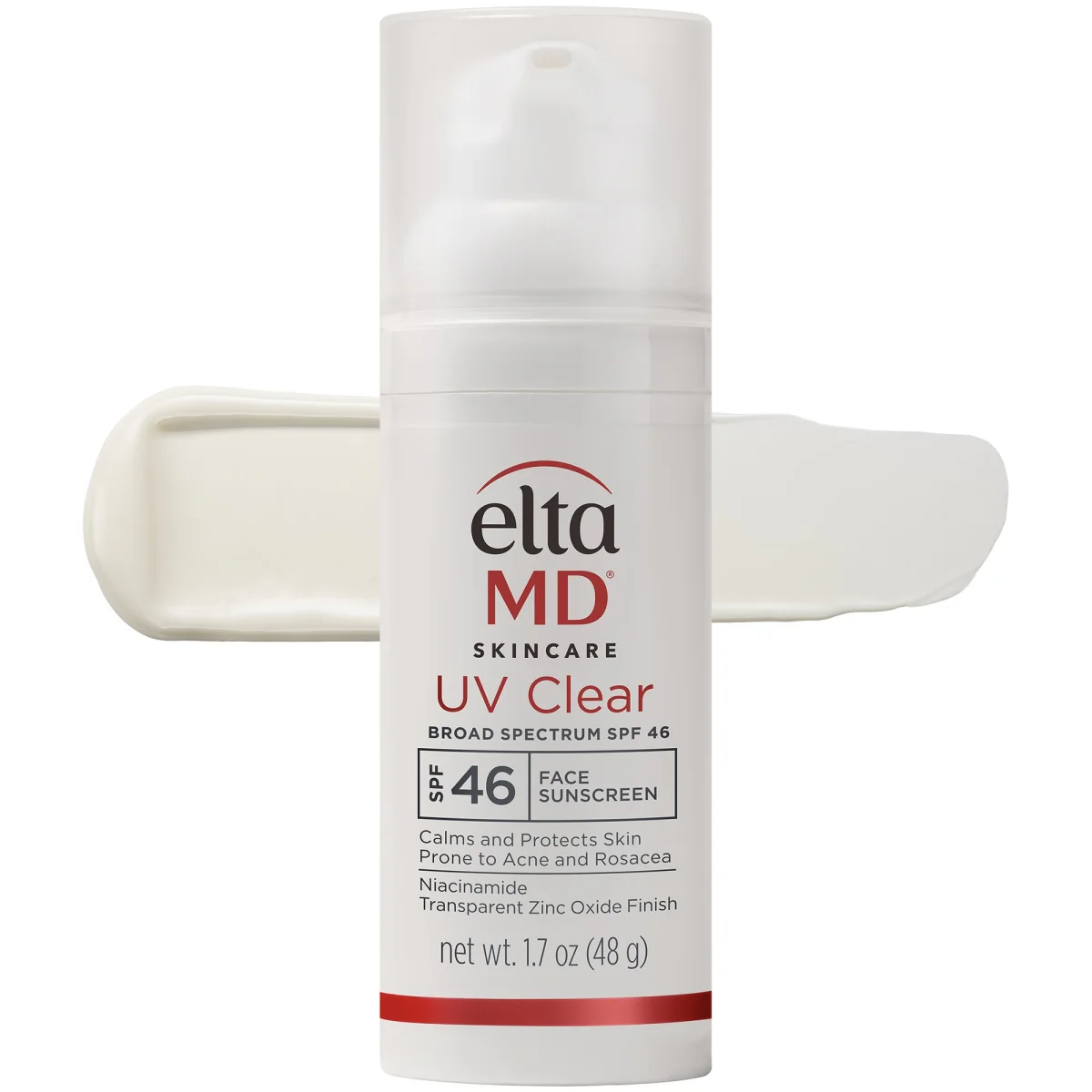
EltaMD UV Clear Broad-Spectrum SPF 46 is a personal favorite for sensitive, acne-prone skin. The reviewer finds it hydrating and comfortable, without breakouts during use.
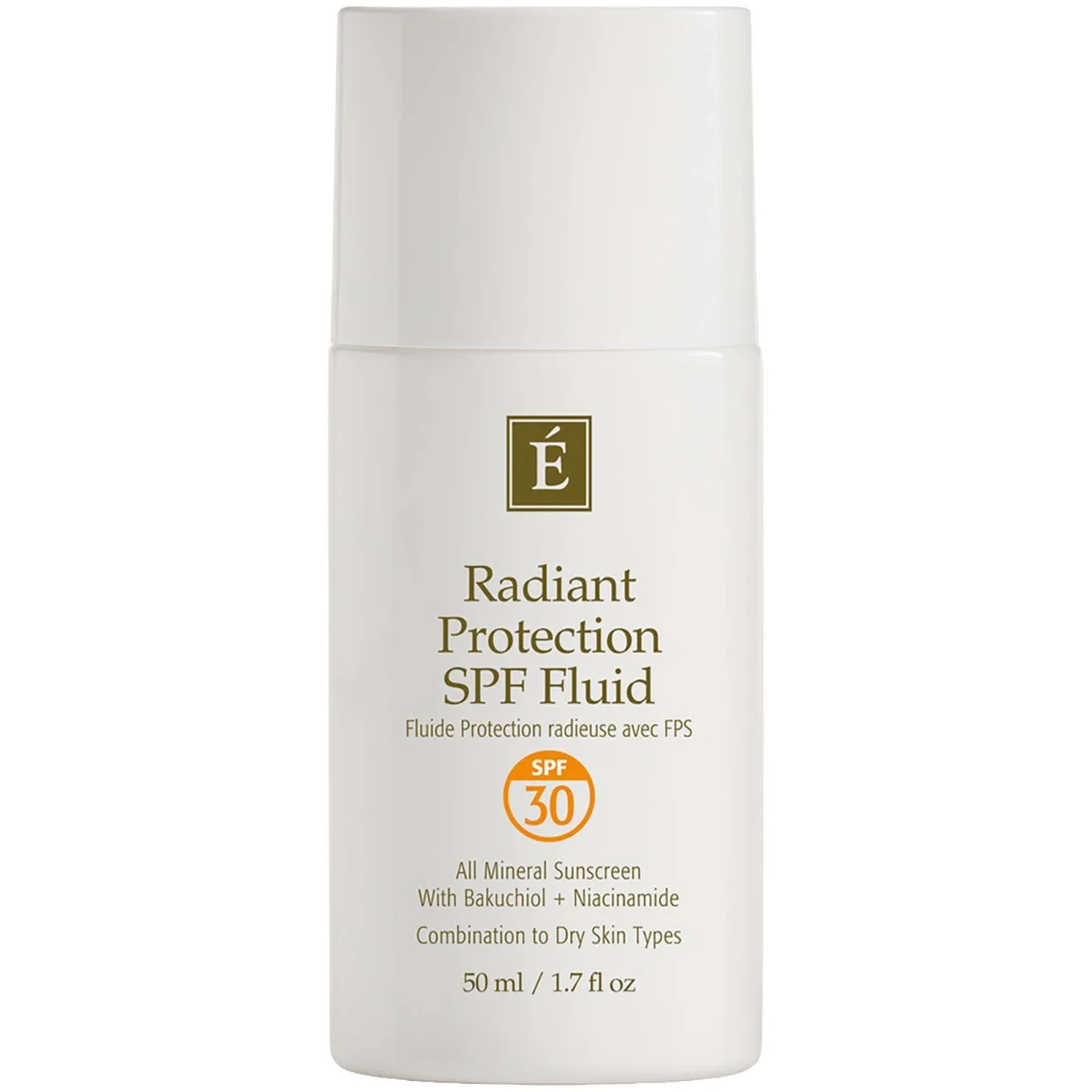
Éminence Organic Skin Care Radiant Protection SPF Fluid is a mineral formula with a hydrating feel and a soft glow, according to the reviewer. It’s a good option for anyone who prefers a luminous finish without looking overly shiny.
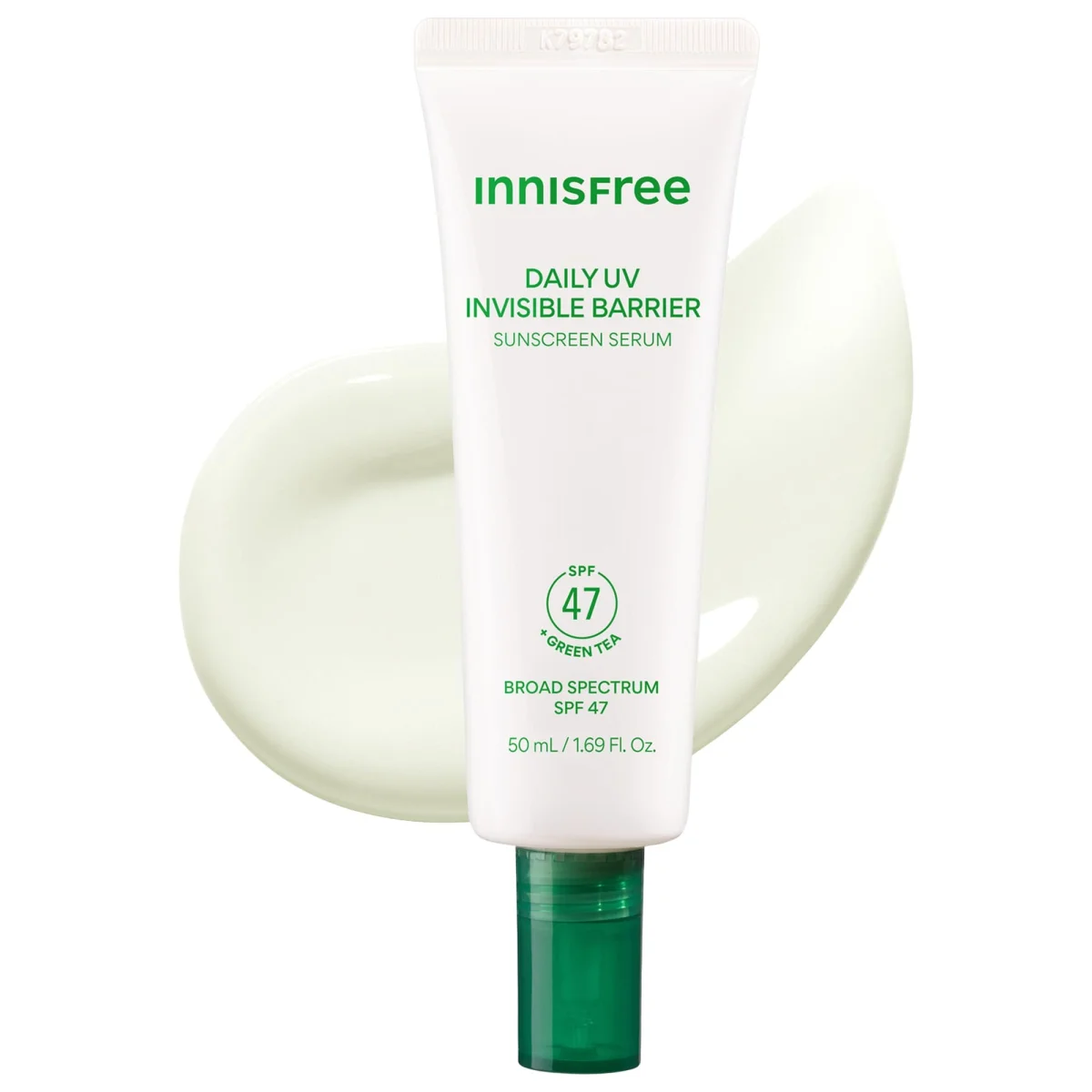
Innisfree Daily UV Invisible Barrier Serum SPF 47 has a hydrating serum-like feel and barrier-supporting ingredients. The reviewer sees it as a strong U.S. option from a Korean brand, where elegant, comfortable sunscreen textures are a familiar strength.
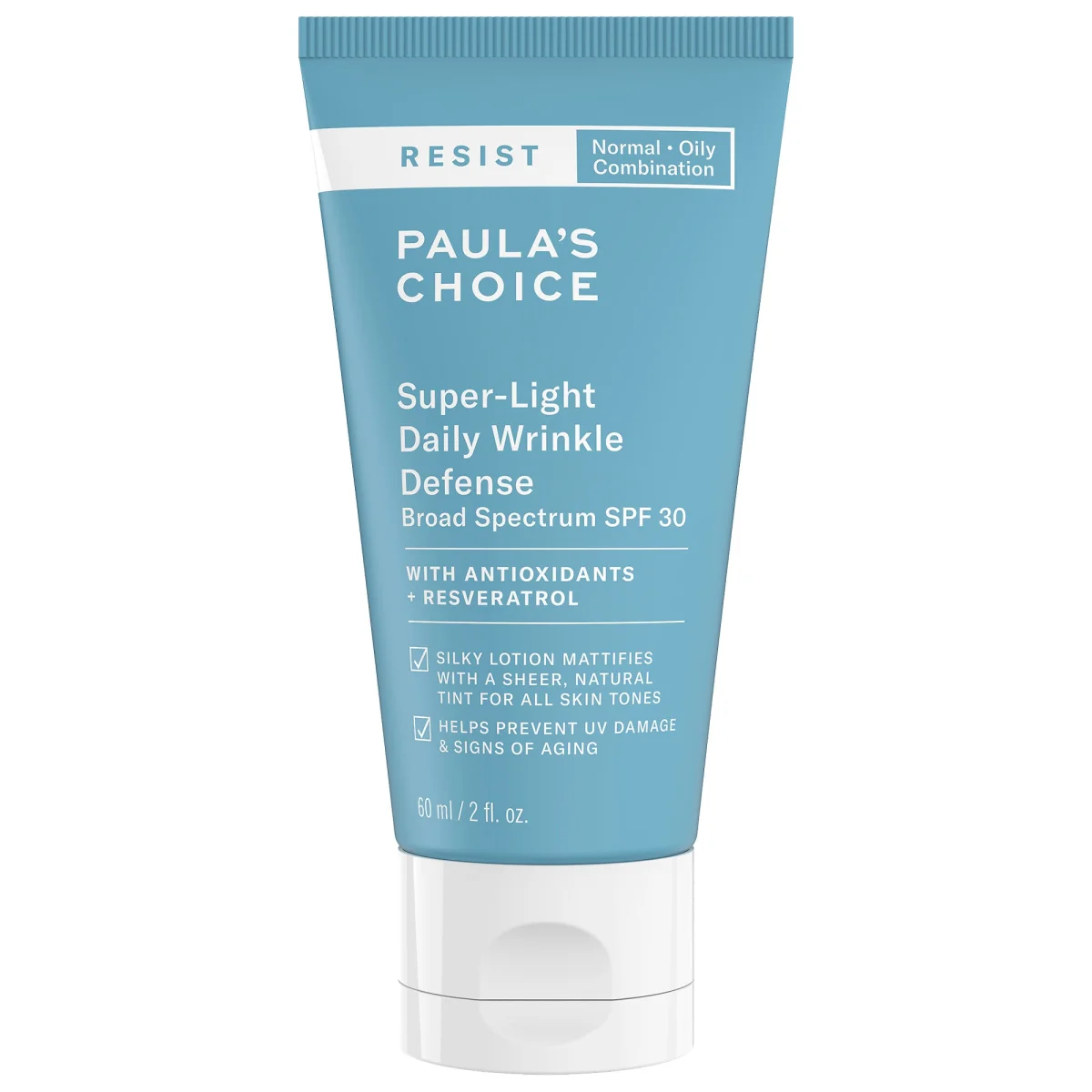
Paula’s Choice Resist Super-Light Daily Wrinkle Defense Face Sunscreen SPF 30 is a tinted mineral option for those who prefer mineral formulas. The brand also makes a chemical sunscreen that the reviewer describes as elegant and hydrating.
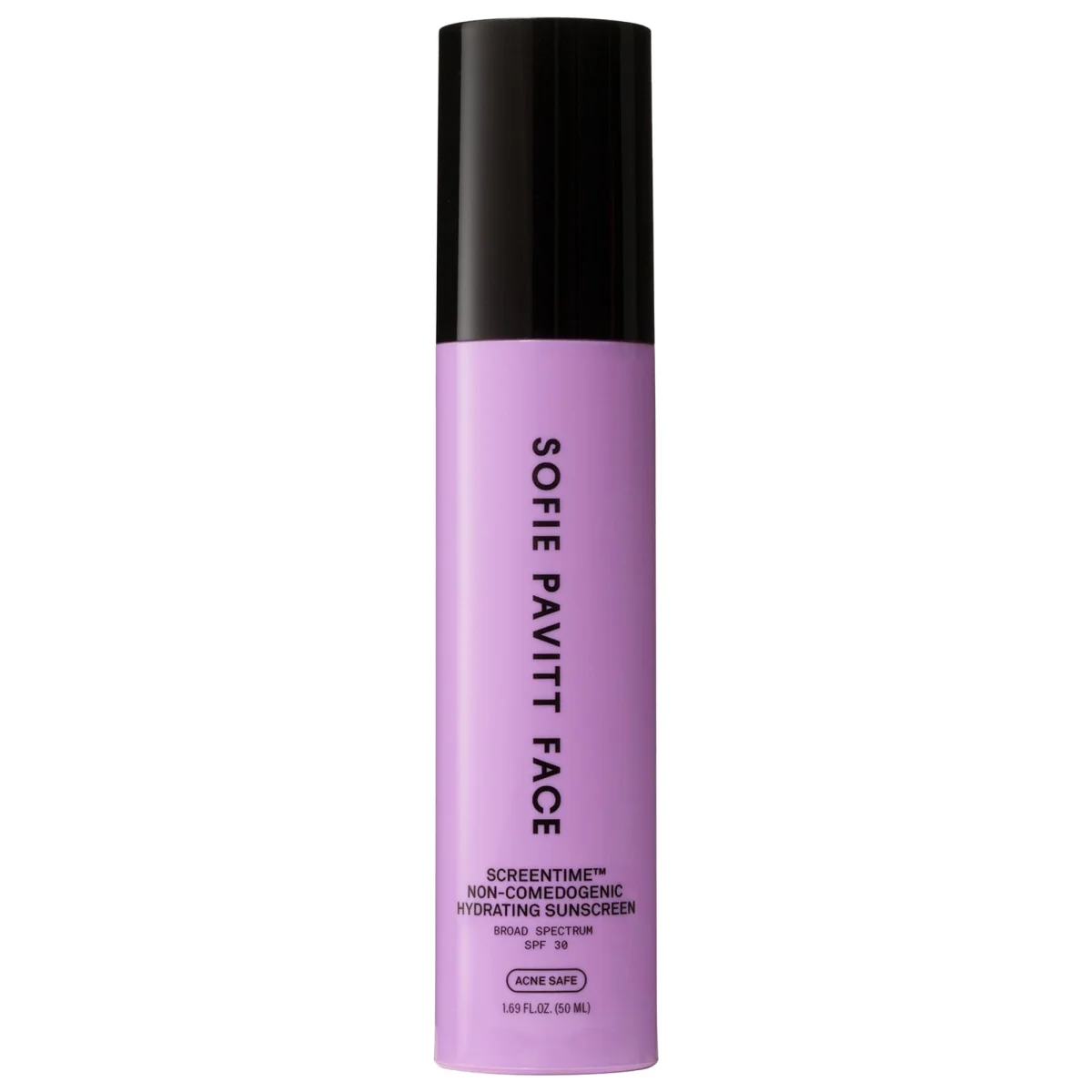
SOFIE PAVITT FACE Screentime Sunscreen SPF 30 is a lightweight, hydrating option the reviewer recommends for acne-prone skin. They’re also a fan of the brand’s Mandelic Clearing Serum ($54).
BEMT expands the sunscreen choices now reaching U.S. shelves, but wearability remains personal. Match the formula’s finish and texture to what you’ll comfortably use, and judge each product by its full formula rather than by one filter alone.