Exosome Serums: Six Formulas and the Routine Advice Behind the Trend
Exosome serums pair cell-signaling ingredients with hydrators, peptides and exfoliating acids. Esthetician Melissa Fox shares what to look for and how to layer them.
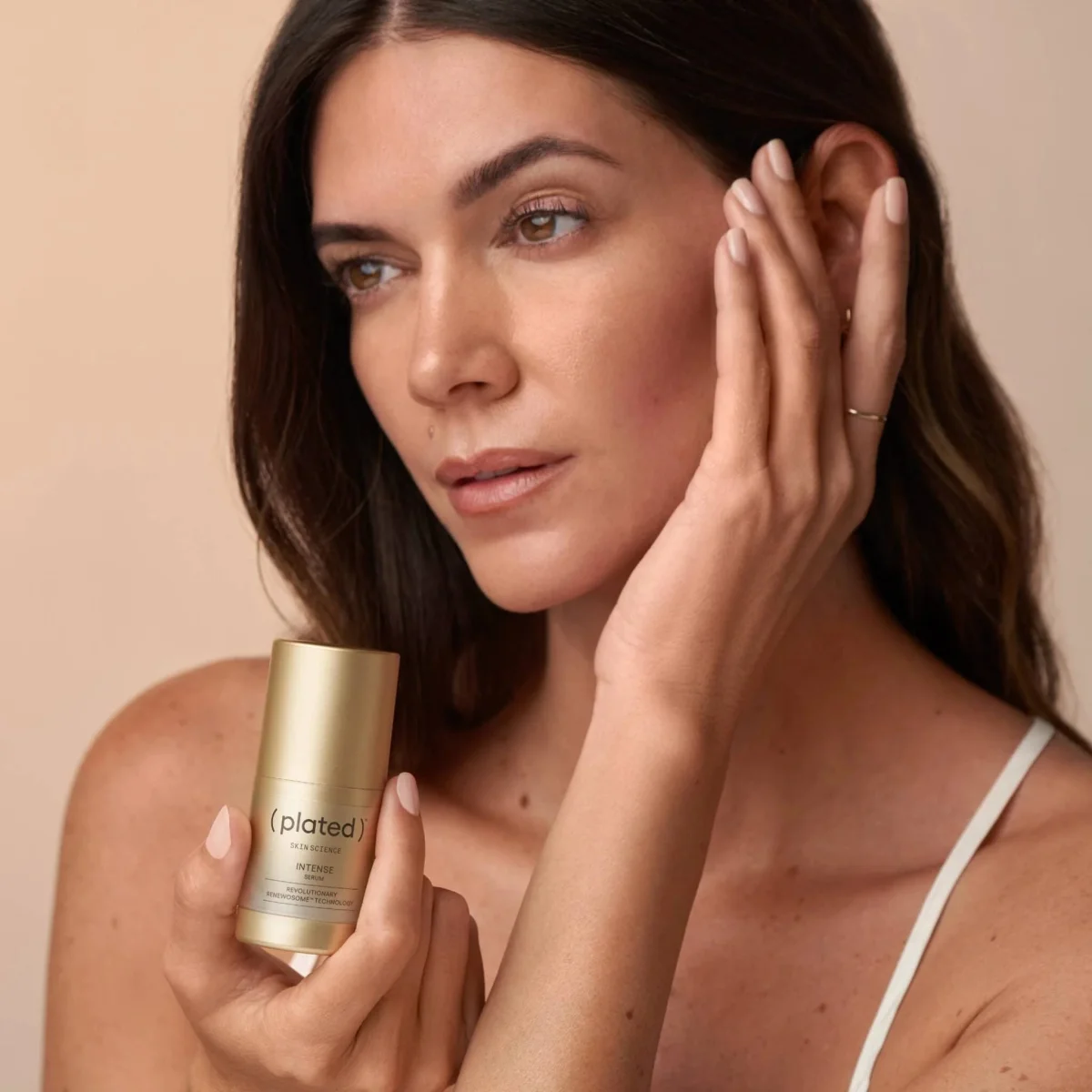
Exosome serums have moved from specialist skincare conversations into formulas designed for everyday routines. Their appeal lies in the way they’re meant to support communication between cells, alongside familiar ingredients such as hyaluronic acid, peptides and antioxidants. The category is still developing, though, and formulas can differ considerably. That makes the ingredient list and the product’s approach more useful guides than the trend name alone.
What exosomes are meant to do
Melissa Fox, a celebrity master esthetician and founder of Flawless by Melissa Fox in Miami, describes exosomes as microscopic extracellular vesicles that carry signaling molecules, including proteins, lipids and genetic material. In her explanation, they act as messengers between cells, relaying signals associated with how cells function. In skincare, that mechanism has prompted interest in formulas intended to support the skin’s natural processes and improve the look of uneven tone, redness and texture.
Fox’s guiding principle is “progressive, never aggressive” skincare: support the skin barrier while working toward a healthier-looking complexion, rather than relying on a routine that repeatedly strips or irritates the skin. That philosophy helps explain the ingredient’s appeal, but it doesn’t make every exosome product interchangeable. Fox says the science and quality vary across the emerging category, so the supporting ingredients and formulation matter too.
Six formulas with different approaches
Plated INTENSE Serum is Fox’s standout for shoppers focused on uneven tone, visible redness, fine lines and overall skin quality. It uses platelet-derived exosomes through the brand’s proprietary Renewosome® technology, described in the source as its highest-concentration facial exosome formula. Hyaluronic acid and antioxidants round out the blend with hydration and additional skin support. One customer review describes a more hydrated feel and smoother texture after use, along with a complexion that felt healthier. Those are individual impressions, not a guarantee of results.
Naturium’s multi-active exosome serum takes a combination approach, pairing micro-algae biomimetic exosomes with peptides and antioxidants. The formula is positioned around the look of firmer, plumper, more elastic skin and a brighter complexion. A reviewer with very sensitive skin said the serum didn’t bother them and praised its effect on the appearance of their skin. The combination of actives may appeal to someone seeking several skin-care functions in one step; the source doesn’t give a product price or full directions.
Dr. Barbara Sturm’s serum centers on lab-synthesized exosomes and epidermal growth factors. The source describes it as a costly formula backed by 20 years of exosome research, and reports the brand’s claim that it can visibly reverse biological age by up to four and a half years in 28 days. That is a product claim, not a result readers should assume they’ll experience. A customer review said the serum made a noticeable difference to the appearance of their jawline. As with any personal account, it reflects one person’s experience.
The vegan PDRN serum combines vegan prismatic PDRN with a triple exosome complex and includes SPF among its listed key ingredients. It’s described as lightweight, with a focus on the look of visible aging, skin-barrier support and a refreshed finish. One reviewer, who had used it for about six months, liked its soft, hydrated feel and said it absorbed without stickiness. The reviewer also considered it pricey but said it had become a regular part of their routine. Check the product’s own directions for sun protection rather than assuming this serum replaces a dedicated sunscreen.
The plant-derived “facial in a bottle” serum layers a broader mix of ingredients: plant-derived exosomes, centella asiatica, tripeptide-1, hyaluronic acid, ectoin and prickly pear. The source associates these ingredients with soothing, firming, plumping and hydration. A customer who had used it for months called it hydrating, said it wasn’t greasy when layered after other skincare, and planned to keep buying it.
Medicube Exosome Shot 7500 stands out for its delivery format. Its micro-sized, needle-shaped spicules are coated in exosomes, and the formula also lists AHA, BHA, PHA, niacinamide and panthenol. A reviewer reported mild tingling despite the spicules, along with a lightweight feel and a more even-looking complexion. The reviewer also used it on their neck. Because this formula combines spicules and several exfoliating acids, consider how it fits with the rest of your routine and follow the product’s directions.
Fox’s application advice
Fox recommends consistency rather than treating an exosome serum as an occasional extra. Depending on skin type and the rest of the regimen, she says use may range from once to twice daily. Her suggested order is straightforward: cleanse, dry the skin, then apply one pump of serum. Let it sit for about five minutes before moving on to other layers, such as hydrating serums, moisturizer and SPF. Her reasoning is that the serum should have first contact with clean skin, without several products sitting beneath it.
The practical takeaway is to assess each formula on its own terms: look at the exosome source and supporting ingredients, follow the brand’s directions, and give a new routine time to show how your skin responds. With products ranging from hydrating blends to formulas with exfoliating acids and spicules, the most suitable option depends on the rest of your skincare lineup.
Fox’s expertise and product comments were consulted for ELLE’s coverage. The source says its associate beauty commerce writer Emma Aerin Becker also reviewed customer feedback and spoke with skincare experts while researching the category.