A Year With the CurrentBody Series 2 LED Mask: What Changed and What to Consider
After a year of regular use, one editor noticed gradual changes in skin radiance and hydration. The £399 mask’s value depends on sticking with it.
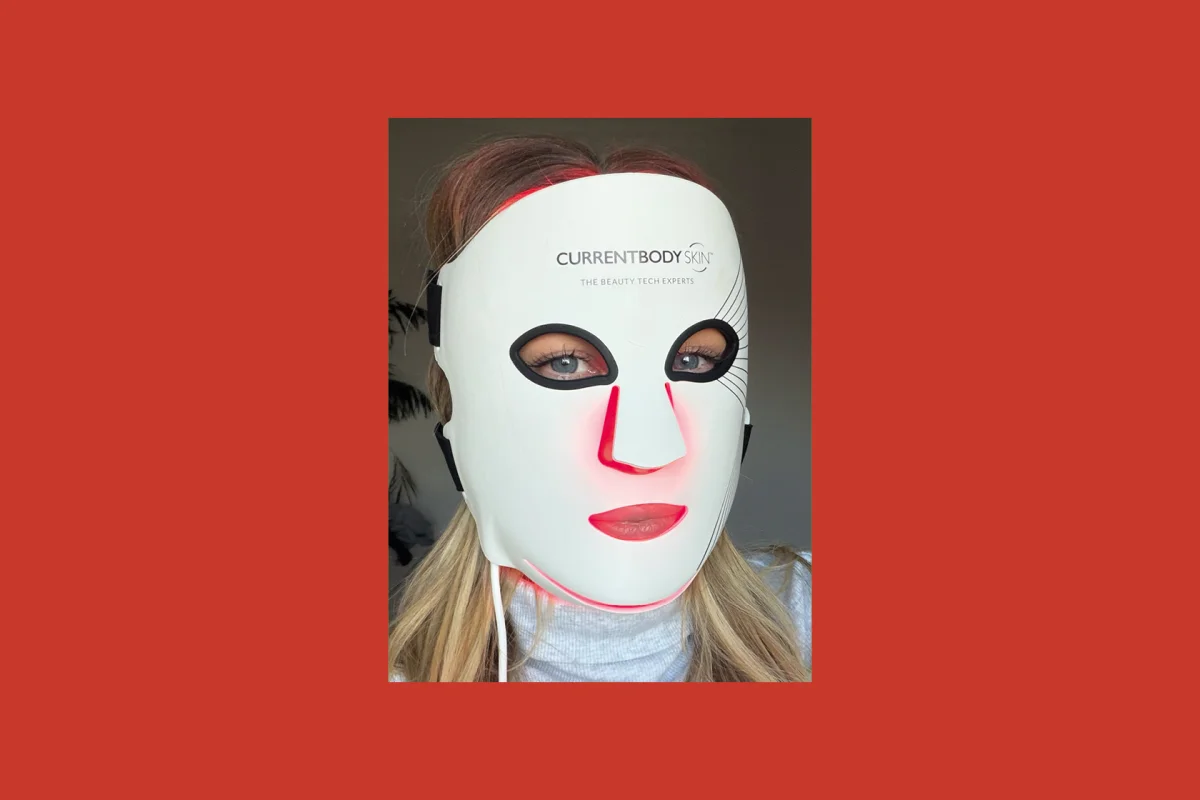
The value of a red-light mask comes down to a practical question: will you wear it regularly? After more than a year with the CurrentBody Skin LED Light Therapy Face Mask: Series 2, I’ve seen gradual changes in how my skin looks and feels. The routine has been worth it for me, though the results weren’t instant and the device’s £399 price makes consistency part of the calculation.
Why regular use matters
At-home LED devices have moved from a niche beauty gadget to a more familiar part of skincare routines over the past five years. Face masks remain the best-known format, while LED products are also appearing for the scalp, mouth and shower. That wider range reflects growing interest in fitting light-based treatments into everyday routines, but a face mask still asks for a particular kind of commitment: repeated use over time.
Red and near-infrared light are common in at-home masks. Research suggests red light may influence cellular processes involved in collagen production and skin repair, which is why devices often position it around firmness and overall skin quality. Blue light is used in some devices intended for blemish-prone skin because of its effects on acne-associated bacteria. Other wavelengths appear in the category too, with evidence and intended use varying by light type and device.
These distinctions matter when comparing products. A mask’s light settings and treatment design shape what it is intended to do, while regular wear determines whether it becomes part of a routine at all. It’s not the sort of product I’d reach for once before an event and expect to see a dramatic difference the next morning.
What I noticed over a year
When I began using the CurrentBody Series 2, my skin felt reactive and unpredictable. I was also dealing with recurring perioral dermatitis, an inflammatory rash that tends to appear around the mouth and nose. After more than a year, my skin feels more resilient, looks brighter and seems to retain hydration better. Those are personal observations, rather than a promise of what another person will experience.
The mask didn’t clear my perioral dermatitis. A 12-week course of antibiotics did that. Since the last bout settled, I haven’t had another flare-up, after years of dealing with episodes on and off. I can’t attribute that to LED use, and I wouldn’t treat the mask as a solution for a skin condition. What I can say is that the overall look and feel of my skin has improved during the year I’ve been using it.
For me, the timeline was measured in months. I began noticing changes after about two months of consistent use. Around the six-month mark, people were commenting on my skin, particularly its radiance. That slow build is central to the experience: if you want a device you can use occasionally for a quick visible payoff, this may not be a satisfying purchase.

Credit: @chloeburcham
Making the £399 price work
I aim to use the Series 2 around three times a week. Each treatment takes 10 minutes, and the mask is portable, so it’s easy to wear while watching television or getting things done around the house. That low-effort setup has helped me keep the habit going; a treatment that fits around an evening is easier to repeat than one that needs its own dedicated slot.
The purchase is expensive upfront. With use several times a week over more than a year, though, the cost per session has fallen compared with the early months. That calculation only holds if the device gets used. Before buying, it’s worth picturing where the mask would sit in your actual routine and whether three short sessions a week feels realistic.

Currentbody LED Red Light Therapy Face Mask: Series 2
The 10-minute treatment and portable design make it straightforward to use while doing something else at home.
Available at Currentbody, £399
buy nowChoosing a mask, or deciding whether to upgrade
The right choice depends on budget and how likely you are to wear the device. CurrentBody has since released its Series 3 mask, which builds on the model I tested with multiple treatment modes and an app connection for personalising treatments and tracking a routine. Those additions may appeal to someone who wants more options for organising their sessions.
If you already own an LED mask that works for you, I wouldn’t rush to replace it simply because a newer model is available. My experience points to the habit as the deciding factor: I’ve benefited more from putting on one mask several times a week than I would from extra settings I might not use. For anyone weighing up the investment, the most useful test is whether a 10-minute session can become a repeatable part of the week.